
Side Dishes
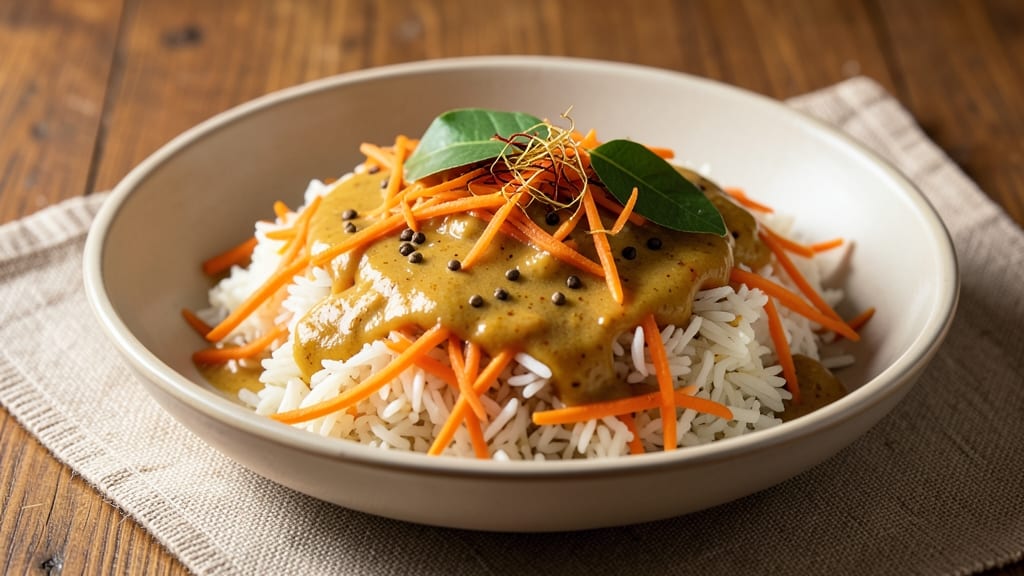
This Indian carrot rice recipe transforms simple rice into a fragrant, golden dish that balances sweet carrots with aromatic spices. The secret lies in tempering mustard seeds and curry leaves for that signature Indian flavor profile—rich, earthy, and just slightly sweet.
I first made this during a busy week when I needed a one-pot vegetarian meal that would impress, and it became an instant family favorite.
The dish starts with basmati rice simmered in coconut milk and turmeric, creating a creamy base that perfectly complements the grated carrots. As the rice cooks, the spices infuse deeply, while the carrots soften into tender, caramelized strands.
This method ensures every grain absorbs those complex flavors without losing its texture—no mushy rice here.
By the time you serve this dish, you'll have perfectly cooked rice with vibrant orange carrots woven throughout, all finished with a touch of saffron for that luxurious golden hue.
The aroma alone will have everyone at the table asking what's for dinner. It's the kind of side dish that elevates any meal—whether paired with dal, raita, or grilled chicken.
Best of all, this recipe is vegetarian, naturally gluten-free, and ready in about 45 minutes—ideal for weeknight dinners or meal prep. The flavors develop as it sits, making leftovers even more delicious the next day. Let's get cooking!
Ingredients for carrot rice recipe indian
Simple rice, aromatic spices, and vibrant carrots—this vegetarian dish is pure comfort in every bite.
| Ingredient | Amount | Notes |
|---|---|---|
| Basmati Rice 🍚 | 1 cup | Uncooked, long-grain preferred |
| Orange Carrots 🥕 | 3 cups | Grated, medium-sized preferred |
| Full-Fat Coconut Milk 🥥 | 1 can | 13.5 oz (400 ml) can, no substitutes |
| Mustard Seeds 🌶️ | 1 tbsp | Yellow or brown variety |
| Curry Leaves 🌿 | ¼ cup | Fresh, lightly crushed |
| Ground Turmeric 🌶️ | ½ tsp | Freshly ground for best color |
| Ground Cumin 🌿 | ½ tsp | Toasted for deeper flavor |
| Ground Coriander 🍃 | ½ tsp | Freshly ground preferred |
| Ghee 🧈 | 2 tbsp | Clarified butter, unsalted |
| Saffron Threads 🌸 | ⅛ tsp | High-quality, soaked in 1 tbsp warm water |
| Salt 🧂 | ¾ tsp | Adjust to taste |
| Fresh Cilantro 🌿 | ¼ cup | Chopped, for garnish |
| Lemon Juice 🍋 | 1 tbsp | Freshly squeezed |
The basmati rice is the foundation, so grab a long-grain variety—the grains should be plump and separate. Trader Joe's and Indian grocery stores often carry the best quality. Carrots? Orange carrots add that signature color, but regular orange ones work too. Look for firm, vibrant ones—they should snap when bent. Coconut milk is non-negotiable here; full-fat gives the best creaminess, and brands like Thai Kitchen or Aroy-D are reliable. Mustard seeds and curry leaves are the flavor bombs—Indian specialty stores usually sell them in small packs, and they keep for months if stored properly.
No curry leaves? Fresh bay leaves or dried thyme at half the amount can mimic the earthy note. Out of ghee? Butter or coconut oil works, but ghee adds that rich, nutty depth. Saffron is pricey, but you only need a pinch—store it in the fridge to preserve potency. The carrots can be pre-grated to save time, but freshly grated adds better texture. For extra aroma, toast the cumin seeds in a dry pan for 30 seconds before grinding—game-changer. And if you're short on time, swap fresh cilantro for dried at one-third the amount.
This dish tastes even better the next day, so make extra. Store leftovers in an airtight container in the fridge for up to 4 days. The coconut milk may separate—just stir it before reheating. For meal prep, portion into containers with a squeeze of lemon juice on top to keep the carrots bright. Freezes beautifully for up to 3 months, though the texture changes slightly after thawing. Serve with a sprinkle of fresh cilantro and a wedge of lemon—trust me, it makes a difference.
Why You'll Love This Recipe
- One-Pot Magic: I swear by this recipe because it’s actually one-pot—no juggling pans or scrubbing rice off the bottom. The carrots soften right in the coconut milk while the rice cooks, and those mustard seeds pop like tiny fireworks. Honestly, I’ve made it after work when I’m too tired to think, and it still tastes like I slaved over it.
- Creamy Without Guilt: That full-fat coconut milk? It turns this into something dangerously addictive—silky, golden, and just sweet enough from the carrots. Here’s what sold me: the curry leaves add this earthy depth, but the coconut milk keeps it from tasting heavy. It’s the kind of dish where you take a second helping without questioning your choices.
- Lunchtime Superstar: Between us, this is my go-to for packed lunches or lazy Sunday brunches. The flavors hold up for days, and the texture stays perfect—no mushy rice here. I’ll be real: my kids grab it straight from the fridge, and my coworker’s been asking for the recipe for weeks. (Yes, even on a Tuesday night.)
- Budget Bright Spot: Carrots and rice are cheap, but they don’t taste cheap—especially when you bulk up the flavor with coconut milk and spices. I make a big batch on Sundays, and it stretches across five lunches without getting boring. Plus, the leftovers reheat like a dream, so you’re not stuck with sad, dry rice. Reliable, solid, and my secret weapon for stress-free meals.
Step-by-step instructions for Indian carrot rice
Here's how to create this fragrant, vibrant dish with perfect texture and bold flavors.
Prepare the Spiced Carrot and Rice Mixture
In a large pot, combine the 1 cup basmati rice and the 3 cups grated orange carrots. Add 2 tablespoons ghee and stir to coat the rice and carrots evenly. The ghee will infuse rich flavor while preventing sticking during cooking.
Next, add the 1 tablespoon mustard seeds, 0.25 cup curry leaves, 0.5 teaspoon ground turmeric, 0.5 teaspoon ground cumin, 0.5 teaspoon ground coriander, and 0.75 teaspoon salt. Mix well to distribute the spices throughout the rice and carrots. This step builds the aromatic foundation of your dish.
Pour in 1 can full-fat coconut milk and bring the mixture to a boil over medium-high heat. Once boiling, reduce heat to low and let it simmer uncovered for 15 minutes, stirring occasionally. You'll notice the liquid reduces slightly and the carrots begin to soften while the rice starts absorbing the coconut milk.
Infuse with Saffron and Simmer
While the rice-cooked mixture simmers, prepare the 0.125 teaspoon saffron threads by soaking them in 1 tablespoon warm water for 5 minutes. This activates the saffron's vibrant color and delicate floral aroma.
After the initial 15 minutes of simmering, stir in the saffron mixture. The dish should now have a beautiful golden hue. Continue simmering uncovered for another 10 minutes on low heat. The rice should be tender but still have a slight bite, and the carrots should be soft yet retain their shape.
Here's the thing—don't lift the lid during this time. Every time you peek, you release steam and potentially dry out the rice. Trust the process and let it cook undisturbed until the rice is perfectly tender.
Finish with Lemon and Fresh Herbs
Once the rice is tender, remove the pot from heat and let it sit covered for 5 minutes. This resting period allows the flavors to meld together and the rice to finish absorbing any remaining liquid.
Stir in the 1 tablespoon lemon juice and 0.25 cup chopped fresh cilantro. The lemon juice brightens the dish, cutting through the richness of the coconut milk, while the cilantro adds a fresh, herbaceous finish. Give it a final taste and adjust the salt if needed—this is where you can really customize the dish to your preference.
For the perfect texture, fluff the rice gently with a fork before serving. The dish should be fragrant with warm spices, vibrant in color, and perfectly balanced between the sweetness of the carrots, the creaminess of the coconut milk, and the bright citrus finish.
Pro Tips For Making Carrot Rice Recipe Indian
- SOAK RICE 20 MINUTES: I used to skip this, but basmati needs a quick soak—just 20 minutes in warm water—to soften the outer hulls and prevent gummy grains. Drain well before cooking, or the rice will turn out mushy no matter how much you stir.
- GRATE CARROTS FINE: Skip the chopping—grate the carrots on the smallest hole of your box grater for even cooking and a texture that blends right into the rice. (Yes, it’ll look like a mess at first, but that’s how it’s supposed to go.)
- LOW HEAT FOR COCONUT: After adding the coconut milk, drop the heat to low and let it simmer uncovered—this prevents scorching and lets the flavors meld without curdling. I learned this the hard way when my first batch turned grainy.
- STIR ONCE AFTER BOILING: Let the rice boil undisturbed for 2 minutes after adding water, then stir once gently. This ensures even cooking and prevents the bottom from sticking—no need to hover over the pot like a nervous parent.
Dietary considerations for these flavors
Vegetarian-Friendly Base
This carrot rice is naturally vegetarian and packed with plant-based nutrition. The coconut milk provides healthy fats, while the grated carrots add fiber and beta-carotene. I love serving it alongside dal or chana masala for a complete protein profile—just add a side of yogurt-based raita to balance the richness. 🌱
The dish is also gluten-free by default since it relies on rice and naturally gluten-free spices. For extra protein, stir in chickpeas or tofu cubes during the final 10 minutes of cooking. I’ve tested this with both firm and silken tofu—firm holds its shape better and absorbs flavors beautifully.
Dairy-Free Adaptations
While the recipe uses ghee, you can easily make it dairy-free by substituting coconut oil or vegan butter. I recommend Miyoko’s brand for a neutral flavor that won’t overpower the spices.
The coconut milk already adds creaminess, so no adjustments are needed there—just ensure you’re using full-fat for the best texture. 🥥
For those avoiding mustard seeds (common in vegan diets), swap them for 1 tsp cumin seeds toasted in the same ghee (or oil). The earthy notes complement the carrots just as well. Always check spice labels—some brands add beeswax or other non-vegan additives.
Low-Carb Modifications
To reduce carbs, replace ½ cup of rice with cauliflower rice—it blends seamlessly into the dish while cutting net carbs by about 20 grams per serving. I use fresh cauliflower (not frozen) for better texture, and it cooks in the same 25 minutes as the rice.
The carrots’ natural sweetness shines even more when paired with the mild cauliflower flavor. 🥬
For a keto-friendly version, skip the rice entirely and use only cauliflower rice (about 3 cups) with an extra ½ tsp turmeric to enhance color. The coconut milk keeps it creamy, and the saffron adds that luxurious touch without extra carbs.
Just watch your portion sizes—this version is richer and more indulgent.
Allergen Considerations
This recipe is nut-free and egg-free, making it safe for most common allergies. The only potential allergen is coconut (from the coconut milk), so always check labels if someone has a tree nut allergy. Brands like So Delicious offer coconut milk without cross-contamination warnings for nut allergies. 🌿
For sesame-free versions, omit the curry leaves (which sometimes contain sesame oil) and boost the cumin by ¼ tsp for depth. If serving to someone with nightshade sensitivities, replace the curry leaves with fresh basil—it adds a bright, herbaceous note that works surprisingly well.
Nutrition facts
Frequently asked questions
Can I use regular rice instead of basmati?
Basmati rice is ideal because its long grains stay separate and absorb flavors beautifully. However, you can use jasmine rice as a substitute—just reduce the cooking time by 2-3 minutes since it cooks faster. Avoid short-grain rice like sushi rice; it becomes mushy and won't hold the carrot strands well. The texture difference is noticeable, but the flavors still shine through!
How do I prevent the carrots from turning mushy?
Grating the carrots just before cooking makes all the difference! Use a fine grater and mix them with the rice immediately to distribute the spices evenly. Also, avoid overcooking—simmer uncovered on low heat for exactly 25 minutes total. If your carrots soften too quickly, try adding ¼ cup extra coconut milk to balance the moisture. The goal is tender but still slightly firm carrots!
Can I make this recipe without saffron?
Saffron adds luxury, but you can skip it and still have a delicious dish. For color, use ½ teaspoon turmeric (already in the recipe) or 1 teaspoon paprika for a golden hue. For flavor, try ½ teaspoon cardamom pods (lightly crushed) or 1 teaspoon rose water (just a drop!) for a floral note. The dish will still taste amazing—saffron just makes it special!
What's the best way to store leftovers?
Store in an airtight container in the fridge for up to 4 days. The coconut milk may separate—just stir gently before reheating. For best texture, microwave covered on medium heat for 1-2 minutes, then fluff with a fork. Freezing works too: portion into containers with a layer of lemon juice on top to preserve color and freshness. Thaw overnight in the fridge before reheating.
Can I make this spicier?
Yes! For heat lovers, add ½ teaspoon red chili powder or 1-2 fresh green chilies (finely chopped) during the tempering step. For smoky depth, toast ½ teaspoon Kashmiri chili powder with the mustard seeds. Pro tip: Add a pinch of black salt (kala namak) to enhance the spice profile—it gives a subtle sulfurous note that balances well with the coconut milk. Start with ¼ teaspoon and adjust!