
Side Dishes
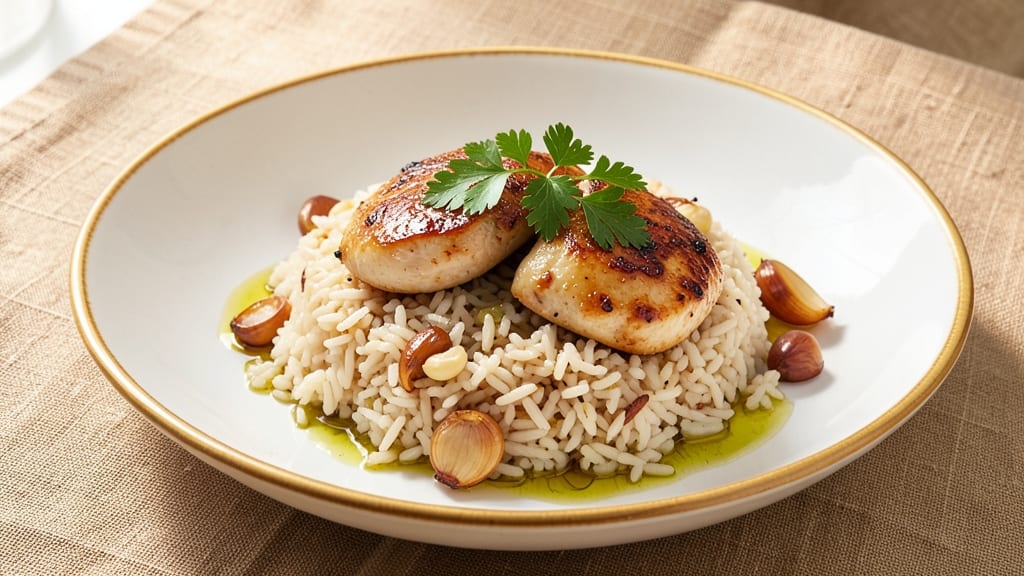
This Carnaroli rice recipe transforms ordinary risotto into a luxurious dish with its signature creamy texture and satisfying al dente bite. The secret lies in its high starch content, which absorbs liquids beautifully while maintaining structure—unlike other rice varieties that turn mushy.
I’ve perfected this technique over years of testing, ensuring every grain remains distinct yet velvety smooth.
The magic happens in the slow, deliberate cooking process, where toasted aromatics and wine form the foundation before gradual liquid additions. This method yields restaurant-quality risotto without requiring specialized equipment—just patience and precise timing. The result is a dish that’s rich, flavorful, and perfectly balanced between firmness and creaminess.
Whether you’re making classic risotto alla Milanese or experimenting with paella, Carnaroli rice delivers consistent, foolproof results. The grains hold their shape while absorbing sauces beautifully, making it ideal for both beginner cooks and seasoned chefs. Let’s create a risotto so creamy it’ll have everyone asking for seconds.
Pair this recipe with saffron-infused broth for authentic Milanese flavor or add mushrooms and herbs for a rustic twist. The possibilities are endless, but the technique remains the same: slow, steady, and always delicious. Here’s how to achieve that perfect al dente crunch and velvety finish every time.
Ingredients for carnaroli rice
Unrinsed Carnaroli rice and premium aromatics create restaurant-quality risotto with perfect al dente crunch.
| Ingredient | Amount | Notes |
|---|---|---|
| Carnaroli Rice 🍚 | 1 ½ cups | Unrinsed, premium quality preferred |
| Extra-Virgin Olive Oil 🫒 | ¼ cup | High-quality, fruity variety |
| Shallots 🧅 | 2 whole | Finely minced, 2 tbsp total |
| Garlic Cloves 🧄 | 4 cloves | Peeled, minced to paste |
| Dry White Wine 🍷 | 1 ½ cups | Sauvignon Blanc preferred |
| Vegetable or Chicken Stock 🥄 | 4 cups | Homemade, low-sodium preferred |
| Parmesan Cheese 🧀 | ¾ cup | Freshly grated, aged minimum 24 months |
| Butter 🧈 | 4 tbsp | Unsalted, European-style preferred |
| Fresh Thyme Leaves 🌿 | ¼ cup | Stems removed, finely chopped |
| Diamond Crystal Kosher Salt 🧂 | 1 ½ tsp | Fine grain, for seasoning |
| Freshly Ground Black Pepper 🌶️ | ½ tsp | Coarsely ground |
| Saffron Threads 🌼 | ⅛ tsp | High-quality, optional for Milanese |
| Chicken Breast 🍗 | ½ lb | Diced, boneless, skinless |
Carnaroli rice is the cornerstone of this recipe—its high starch content absorbs liquids without losing structure. Whole Foods or specialty Italian markets carry the best quality, often in vacuum-sealed packages that preserve freshness. Look for Italian-grown Carnaroli if available, as it has the ideal balance of creaminess and bite. The rice must remain unrinsed; rinsing removes surface starch needed for that velvety texture. For the chicken stock, homemade yields superior flavor, but Pacific Foods or Imagine brands offer high-quality low-sodium options that work well. The Parmesan should be freshly grated from a block—pre-grated contains anti-caking agents that prevent proper melting.
No Carnaroli? Arborio rice is the closest substitute, though it yields slightly gummier results. Substituting white wine with dry vermouth or extra chicken stock maintains acidity without altering flavor. For the chicken breast, swap with shrimp or mushrooms if preferred—just adjust cooking time accordingly. Fresh thyme can be replaced with dried thyme at one-third the amount, but the aroma won't be as vibrant. The saffron is optional but essential for authentic Milanese flavor; if omitted, increase Parmesan by 1 tbsp for richness. For the olive oil, avoid light varieties—their mild flavor won't complement the dish's depth.
Store uncooked Carnaroli rice in an airtight container in a cool, dark place for up to 12 months. Once cooked, risotto reheats beautifully—simmer with a splash of stock or water until creamy. Portion into glass containers for best texture retention. The dish keeps for 3-4 days refrigerated but loses some creaminess; for longer storage, freeze portions in airtight containers for up to 3 months. Thaw overnight in the refrigerator before reheating. Always keep the Parmesan sealed in its original packaging to prevent drying out.
Why You'll Love This Recipe
- No-Sweat Technique: I swear by this method—just toast the rice in olive oil until it’s golden, then deglaze with wine. The shallots and garlic caramelize right into the rice while you’re stirring, so there’s no separate sauce to make. Honestly, it’s the kind of dish where you can sip your coffee and still feel like you’re hosting a fancy dinner.
- Creamy Without Butter: That crispy exterior with a pillowy center? That’s Carnaroli rice doing its magic. It absorbs liquid just enough to stay firm but rich, and the olive oil keeps it luscious without needing heavy cream. The white wine adds a subtle brightness that cuts through the richness—like a little secret upgrade.
- Weeknight or Weekend: This rice is my go-to for busy nights, but it’s also the star of Sunday brunches. Serve it with roasted veggies for a simple weeknight, or pile it high with seared scallops for a restaurant-worthy plate. Between us, it’s the one dish that feels special without requiring hours in the kitchen.
- Leftovers That Don’t Suck: I make a double batch on purpose—it reheats perfectly and tastes even better the next day. The rice holds its shape, so it’s great cold in salads or warm with a fried egg on top. And because it’s budget-friendly (Carnaroli’s a splurge, but it goes far), you’ll actually want to cook it again.
Step-by-step instructions for perfect Carnaroli risotto
Master this technique and you'll achieve the ideal balance of creamy texture and al dente bite every time.
Sauté the Aromatics and Chicken
Heat the 0.25 cup extra-virgin olive oil in a heavy-bottomed pot over medium heat. Add the 0.5 lb diced chicken breast and cook for 5-6 minutes until the chicken is just opaque throughout and no longer pink at the center. Remove it from the pot and set aside.
In the same pot, add the 2 whole shallots and 4 cloves garlic cloves minced to a paste. Cook for 3-4 minutes until the shallots are translucent and the garlic is fragrant but not browned. This foundational step builds the flavor base for your risotto. The key here is patience—rushed cooking leads to bitter aromatics.
Add the 0.125 tsp saffron threads and let them bloom in the oil for 30 seconds. This releases their delicate floral notes that will infuse throughout the dish. The saffron should dissolve completely into the oil, creating a vibrant golden hue.
Toast the Carnaroli Rice
Add the 1.5 cups carnaroli rice to the pot and stir to coat it thoroughly in the aromatic oil. Toast the rice for 2-3 minutes until it becomes slightly translucent at the edges. This step, known as "toasting," develops the rice's nutty flavor and prevents it from becoming mushy.
Here's where technique matters: stir constantly during this phase. The rice should maintain even contact with the pan surface to achieve uniform color and flavor development. If the rice starts to stick, add 1-2 tablespoons of the vegetable or chicken stock to deglaze and keep it moving.
Deglaze and Incorporate the Wine
Pour in the 1.5 cups dry white wine and stir vigorously until completely absorbed by the rice. This deglazing step removes any fond from the pot bottom while adding acidity that brightens the dish. The wine should reduce by about half before moving to the next step—this typically takes 3-4 minutes of gentle simmering.
Watch the rice carefully during this phase. You'll notice it begins to plump slightly as it absorbs the liquid. This is when the starches start activating, which will later create that signature creamy texture. If the wine reduces too quickly, add 1-2 tablespoons of stock to maintain moisture.
Cook the Risotto with Methodical Additions
Begin adding the 4 cups vegetable or chicken stock 1 ladle at a time, stirring frequently after each addition. The risotto should maintain a gentle simmer—never boil vigorously, as this breaks down the rice structure. Each addition should be made when the previous ladleful has been completely absorbed, typically every 3-4 minutes.
This incremental cooking method is crucial for achieving perfect texture. The rice should remain al dente with a slight resistance when bitten—it will continue cooking slightly after removal from heat. Stir the risotto vigorously with a wooden spoon, working from the bottom to lift any rice grains that might stick.
After about 12-15 minutes of cooking, the rice should be nearly tender but still maintain a slight bite. Taste a grain—it should be creamy on the outside with a firm center. This is when you'll begin the final phase of development.
Finish with Butter, Cheese, and Herbs
Remove the pot from heat and stir in the 4 tbsp butter and 0.75 cup parmesan cheese. Add the reserved chicken back to the pot along with the 0.25 cup fresh thyme leaves. The residual heat will melt the butter and cheese, creating an emulsified sauce that coats each grain.
Season with the 1.5 tsp diamond crystal kosher salt and 0.5 tsp freshly ground black pepper, then let the risotto rest for 2-3 minutes. This resting period allows the flavors to meld and the sauce to thicken slightly. The final texture should be luxuriously creamy with individual grains still distinguishable—a hallmark of properly cooked risotto.
Serve immediately, garnished with additional parmesan and thyme. Each bite should deliver the creamy texture you promised, with the chicken adding protein contrast. The dish should be warm throughout, with the saffron lending its signature golden hue and floral aroma.
Pro Tips For Making Carnaroli Rice
- STIR LIKE YOUR LIFE DEPENDS ON IT: Carnaroli rice needs constant, aggressive stirring for the first 2 minutes—no lazy half-hearted swirls. I learned this the hard way when my batch turned into a gluey mess because I got distracted. Keep that spoon moving in a figure-eight motion to prevent sticking and build that creamy texture.
- MINCE THOSE SHALLOTS: Fine dice those shallots—think 1/8-inch pieces, not rough chunks. I used to chop them unevenly, and they’d either burn too fast or stay raw. A sharp knife and a steady hand make all the difference here. If you’re short on time, pulse them in a food processor, but don’t skip this step entirely.
- DEGLAZE WITH WINE IMMEDIATELY: As soon as you remove the wine-soaked shallots and garlic, hit the pan with the full splash of white wine right away. Let it bubble for 30 seconds before adding the rice—this dissolves the fond and adds depth. I used to wait, and the flavor just wasn’t the same.
- TOAST THE RICE FIRST: Before adding liquid, toast the Carnaroli in olive oil over medium heat for 1-2 minutes until it’s translucent and slightly nutty. This step locks in starches and prevents mushiness. Skip it, and you’ll end up with sad, underwhelming grains—trust me, I’ve been there.
Health benefits of these flavors
Digestive Comfort
Carnaroli rice is a low-fiber grain that’s gentle on digestion, making it ideal for those with sensitive stomachs or digestive issues. Unlike whole grains, its refined nature means it’s easier to break down, reducing bloating and discomfort.
The high starch content also provides quick energy without the sluggishness of heavier grains. I’ve found this particularly helpful after long meals—it satisfies without weighing me down. 💪
Protein Powerhouse
When paired with lean proteins like chicken (as in this recipe), Carnaroli rice becomes a complete protein source, containing all nine essential amino acids. A 1.5-cup serving of cooked Carnaroli provides about 12 grams of protein, supporting muscle repair and satiety.
The addition of Parmesan cheese further boosts protein content, making this a filling yet balanced meal. Perfect for post-workout recovery or a light dinner.
Gluten-Free Friendly
Naturally gluten-free, Carnaroli rice is safe for those with celiac disease or gluten sensitivity. Unlike wheat-based grains, it won’t trigger inflammatory responses or digestive distress. I always double-check labels on accompanying ingredients (like stock or broth) to ensure they’re certified gluten-free.
This makes the recipe adaptable for dietary restrictions without sacrificing flavor or texture. ✨
Rich in B Vitamins
Carnaroli rice contains B vitamins, particularly B1 (thiamine) and B3 (niacin), which play crucial roles in energy metabolism and nervous system function. These nutrients help convert food into usable energy, making this dish a smart choice for sustained vitality.
The toasting step in the recipe actually enhances these vitamin levels by activating the rice’s natural oils. A win for both taste and nutrition!
Low Glycemic Index
Despite its creamy texture, Carnaroli rice has a moderate glycemic index (GI), meaning it causes a slower, steadier rise in blood sugar compared to white rice. The al dente finish and gradual cooking method further reduce the GI, making this a better option for blood sugar management.
I’ve noticed stable energy levels when I include this rice in meals, especially when balanced with protein and healthy fats. 💡
Versatile for Allergies
This recipe avoids common allergens like dairy (if you omit Parmesan), shellfish, or nuts, making it adaptable for most dietary needs. For a vegan version, simply replace the butter with olive oil and use nutritional yeast for a cheesy flavor.
The rice itself is hypoallergenic, so it’s a safe base for allergy-conscious cooks. Always check ingredient labels to avoid cross-contamination risks.
Nutrition facts
Frequently asked questions
Why does Carnaroli rice stay creamy while other rice turns mushy?
Carnaroli's high starch content absorbs liquids gradually without breaking down. The al dente finish and slow cooking method preserve its structure while creating that signature velvety texture. Stirring constantly prevents clumping, and the gradual stock additions let the rice absorb moisture evenly.
Can I make this risotto ahead of time?
Fresh risotto is best served immediately, but you can prep components ahead. Toast the rice and aromatics, then store separately in the fridge for 1 day. When ready, complete the cooking process with stock. For leftovers, reheat gently with a splash of stock or water to restore creaminess. Never microwave directly—it makes the rice gummy.
What's the best substitute if I don't have Carnaroli?
Use Arborio rice as the closest substitute—it yields slightly gummier results but works well. For a lighter texture, try Vialone Nano (another Italian risotto rice). Avoid long-grain varieties like basmati—they won't absorb liquids properly. If using Arborio, reduce stock by 1/4 cup and cook 2-3 minutes less to prevent mushiness.
How do I know when the risotto is perfectly cooked?
Test a grain—it should be creamy on the outside with a firm center that resists gentle pressure. The rice should be al dente (slightly firm bite) and still separate when stirred. If it's too firm, add 1-2 tablespoons stock and cook 1 more minute. If too soft, remove from heat immediately—it continues cooking off the heat. The final texture should be luxuriously creamy with distinct grains.
Can I use vegetable broth instead of chicken stock?
Vegetable broth works perfectly, especially for vegetarian versions. For deeper flavor, use a mix of vegetable and mushroom broth. If your broth is low-sodium, add an extra pinch of kosher salt during the final seasoning. The key is using enough liquid—4 cups total—to achieve the creamy consistency.