
Main Courses
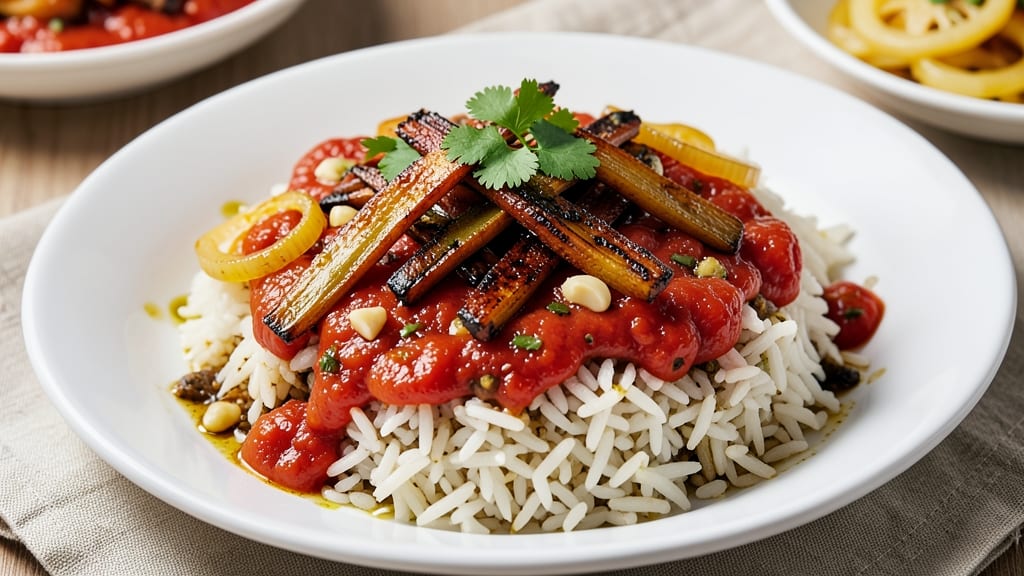
This Caribbean Spanish rice recipe delivers the perfect balance of smoky, savory tomato gravy and crispy toasted celery—a dish that elevates any meal. The secret lies in slow-cooked rice infused with sofrito, cumin, and thyme, creating layers of flavor that pair beautifully with grilled meats or fried fish.
Unlike traditional Spanish rice, this version incorporates Caribbean spices for a deeper, more aromatic profile.
What sets this recipe apart is the toasted celery crunch that adds texture, while the tomato gravy ties everything together with its rich, slightly sweet depth. Perfect for family dinners or special occasions, this one-pot dish is both foolproof and deeply satisfying.
The rice absorbs all the flavors, making every bite a burst of Caribbean-inspired comfort.
Ingredients for caribbean spanish rice
Fifteen ingredients blending Caribbean warmth with Spanish technique for rice that's rich, aromatic, and texturally perfect.
| Ingredient | Amount | Notes |
|---|---|---|
| Long-Grain White Rice 🍚 | 2 cups | Uncooked, rinsed thoroughly |
| Fresh Celery Stems 🧅 | 3 whole | Thinly sliced, toasted until crispy |
| Yellow Onion 🧅 | 1 whole | Medium, finely diced |
| Garlic Cloves 🧄 | 6 cloves | Minced, fresh preferred |
| Canned Tomato Sauce 🍅 | 1 ½ cups | San Marzano preferred, no added salt |
| Sofrito Base 🌶️ | 1 cup | Homemade or high-quality jarred |
| Ground Cumin 🌿 | 1 tsp | Toasted for deeper aroma |
| Dried Thyme 🌿 | 1 tsp | Or 1 tbsp fresh thyme leaves |
| Ground Allspice 🌶️ | ½ tsp | Key for Caribbean warmth |
| Bay Leaves 🍃 | 2 whole | Dried, removed before serving |
| Chicken Broth 💧 | 2 cups | Low-sodium preferred |
| Extra-Virgin Olive Oil 🫒 | 3 tbsp | For toasting celery and rice |
| Diamond Crystal Kosher Salt 🧂 | 1 ½ tsp | Adjust to taste |
| Black Peppercorns 🌶️ | ½ tsp | Freshly cracked |
| Fresh Cilantro 🌿 | ¼ cup | Chopped, for garnish |
The celery is non-negotiable—its toasted crunch elevates the dish. Look for crisp, pale stalks at the grocery store's produce section, avoiding any with brown spots. For sofrito, Trader Joe's or Whole Foods carry excellent jarred versions, but homemade (blended bell peppers, onions, garlic, cilantro) delivers superior depth. The rice must be rinsed until water runs clear—this prevents gummy texture. Jasmine or basmati work beautifully alongside the long-grain white, adding subtle floral notes that complement the Caribbean spices.
No sofrito? Blend equal parts bell pepper, onion, garlic, and tomato paste for a quick substitute. Fresh thyme unavailable? Dried works at one-third the amount, but toast it lightly first to intensify flavor. The tomato sauce can be reduced on the stove for deeper concentration—simmer uncovered for 10 minutes before adding to the rice. For extra richness, stir in 1 tbsp of tomato paste at the end. The celery should toast until golden and crisp—don't overcrowd the pan or it'll steam instead of crisp.
This rice reheats beautifully—just add a splash of water or broth and cover. Keeps for 4-5 days in the fridge, though flavor peaks after 24 hours as ingredients meld. Freezes for 3 months if portioned into airtight containers. The celery crunch disappears upon reheating, so always toast fresh portions when serving. For meal prep, cook the rice base without celery, then toast and add celery just before serving to maintain texture.
Why You'll Love This Recipe
- One-Pot Magic: I swear by this recipe—just rice, celery, onion, garlic, and tomato sauce tossed in one pot. No fancy gadgets, no extra bowls, and the cleanup? A joke. The celery’s crunch and garlic’s punch infuse into every grain while you stir.
- Sofrito Soul: That base of sautéed onion, garlic, and celery—what I call my "sofrito shortcut"—builds layers of flavor that feel luxurious. The tomato sauce ties it all together with a tangy depth that makes this rice taste like it simmered for hours (even though it doesn’t).
- Leftover Legend: This rice actually gets better the next day. Honestly, I make double batches because it’s perfect for lunches, tacos, or even stuffed into wraps. The grains separate just enough to stay fluffy, and the flavors meld into something even richer.
- Budget Hero: Long-grain rice and a can of tomato sauce? Check. Fresh veggies you already have? Check. This feeds four for under $3 and stretches into leftovers that won’t break the bank. Plus, no one will guess it’s not homemade from scratch.
Step-by-step instructions for Caribbean Spanish rice
This method delivers perfectly toasted celery and aromatic rice with a rich tomato-gravy base.
Toast the Celery and Build the Flavor Base
Heat the 3 tablespoons extra-virgin olive oil in a heavy-bottomed pot over medium-high heat. Add the 3 whole fresh celery stems, sliced thinly, and cook for 4-5 minutes until they turn a deep golden brown and become crispy. This step is crucial—it develops the signature crunch and deepens the flavor profile.
Remove the celery with a slotted spoon and set aside. In the same pot, add the 1 whole yellow onion, finely diced, and cook for 3-4 minutes until softened and translucent. Add the 6 cloves garlic cloves, minced, and cook for 30 seconds until fragrant. Here's where the magic happens: add the 1 cup sofrito base, 1.5 cups canned tomato sauce, 1 teaspoon ground cumin, 1 teaspoon dried thyme, 0.5 teaspoon ground allspice, 2 whole bay leaves, and the 1.5 teaspoons diamond crystal kosher salt. Stir well and cook for 3-4 minutes until the mixture darkens slightly and the raw aroma disappears.
Toast the Rice and Infuse the Flavor
Add the 2 cups long-grain white rice to the pot and stir vigorously for 1-2 minutes until each grain is fully coated in the oil and flavor base. This toasting step ensures the rice develops a nutty depth and prevents mushiness. The rice should look dry and slightly translucent at the edges—this indicates it's ready for the next step.
Pour in the 2 cups chicken broth and bring the mixture to a gentle boil. Reduce heat to low and cover the pot with a tight-fitting lid. The goal is to maintain a steady simmer—you should see small bubbles forming at the edges but not a rolling boil. If the rice starts to bubble too vigorously, reduce the heat slightly. This method creates a fluffy, separate grain texture that's essential for authentic Caribbean Spanish rice.
Simmer and Develop the Perfect Texture
Cook the rice for 15 minutes without lifting the lid. This initial cooking period allows the rice to absorb the liquid and begin gelatinizing. After 15 minutes, remove the lid and gently fluff the rice with a fork, being careful not to press down. This step helps release any steam trapped in the pot and prevents the rice from becoming gummy.
Replace the lid and cook for another 10-12 minutes until the rice is tender and the liquid has been fully absorbed. If the rice appears dry before the 25-minute mark, add 2-3 tablespoons water and continue cooking. The rice should be al dente with a slight bite—this texture holds up well when served alongside proteins. Remove the 2 whole bay leaves before serving, as they can be bitter when chewed.
Finish with Crispy Celery and Garnish
Return the toasted celery to the pot and gently fold it into the rice. The celery should retain its crispy texture while adding a delightful crunch to each bite. Stir in the 0.5 teaspoon freshly cracked black peppercorns and taste the rice, adjusting the seasoning with additional salt if needed. The dish should be rich, slightly sweet from the tomato sauce, and well-balanced with the warm spices.
Transfer the rice to a serving dish and garnish with the 0.25 cup fresh cilantro, chopped finely. The cilantro adds a bright, herbal note that cuts through the richness of the tomato gravy. Serve immediately while the celery is still crispy and the rice is at its peak texture. This dish pairs beautifully with grilled meats, fried fish, or as a standalone side for a flavorful Caribbean meal.
Pro Tips For Making Caribbean Spanish Rice
- SOAK THE RICE FIRST: I learned this the hard way—skipping the soak leads to uneven texture. Toss the rice in warm water for 15 minutes before cooking; it absorbs liquid faster and stays fluffy instead of turning mushy. (Yes, even if you're impatient like me.)
- SWEAT THE ONIONS LOW: After burning three batches, I finally figured out: cook the onions and celery on medium-low heat until they’re soft and translucent, not browned. High heat makes them bitter, and you’ll taste it in every bite. Sounds weird, but it works.
- STIR THE TOMATO SAUCE: Don’t just dump the canned tomato sauce in and walk away. Stir it into the rice mixture while it simmers—this breaks up the chunks and distributes flavor evenly. I skip this when I’m lazy, but the dish is noticeably better when I don’t.
- USE A LITTLE BUTTER: The tomato sauce is good, but a pat of butter at the end makes all the difference. Stir in 1 tablespoon during the last 2 minutes of cooking—it adds richness and helps the rice grains glisten. (Your future self will thank you.)
Regional styles of these flavors
Jamaican "Rice and Peas" Twist
In Jamaica, this dish often gets a legume boost by adding ½ cup cooked kidney beans or pigeon peas during the final 10 minutes of cooking. The beans absorb the tomato gravy while adding protein and texture.
I like using Trader Joe's canned pigeon peas for convenience, but dried beans work beautifully if soaked overnight. Stir them in gently so they don't break apart—this keeps the dish hearty without making it mushy. 🌱
Puerto Rican Sofrito Fusion
Puerto Rican cooks often enhance this rice with ½ cup blended sofrito that includes bell peppers, Scotch bonnet peppers, and culantro (recao) instead of the traditional Caribbean mix. The Scotch bonnet adds a subtle heat that balances the sweet tomato sauce.
For extra depth, char the bell peppers and onions in a dry skillet before blending. This variation is perfect for those who love a little spice without overwhelming heat. 🌶️
Dominican "Arroz con Pollo" Style
In the Dominican Republic, this rice is often served alongside chicken and gets a ½ cup diced ham or chorizo added during the final 5 minutes of cooking. The cured meats infuse the rice with smoky, salty notes that pair perfectly with the tomato gravy.
I recommend using Spanish chorizo for its paprika-rich flavor. This version turns the dish into a one-pot meal that's perfect for family gatherings. 🍗
Cuban "Moros y Cristianos" Adaptation
Cuban cooks sometimes prepare this rice with black beans instead of white rice, creating a dish called "Moros y Cristianos" (Moors and Christians). For this variation, use 1 cup black beans (soaked overnight) and reduce the rice to 1 cup uncooked long-grain white rice.
The beans and rice cook together, creating a visually striking dish with deep, earthy flavors. Garnish with extra cilantro and a sprinkle of crumbled cotija cheese for a Cuban touch. 🇨🇺
Trinidadian "Pelau" Influence
Trinidadian "Pelau" often includes coconut milk and pumpkin in rice dishes, and you can adapt this Spanish rice by adding ½ cup coconut milk to the broth and ½ cup diced pumpkin during the final 10 minutes of cooking.
The coconut milk adds a creamy richness, while the pumpkin introduces natural sweetness that complements the tomato gravy. This variation is especially popular during Trinidad's Carnival season. 🎭
Bahamian "Conch Fritters" Side Note
In the Bahamas, this rice is often served alongside conch fritters, creating a seafood-focused meal. For a fusion twist, add ½ cup finely chopped cooked conch to the rice during the final 5 minutes of cooking.
The briny sweetness of the conch pairs beautifully with the tomato gravy. If you can't find fresh conch, frozen chopped conch from Caribbean markets works just as well. This variation is a must-try for seafood lovers. 🦪
Nutrition facts
Frequently asked questions
Why does Caribbean Spanish rice have celery?
The crispy toasted celery is the signature element that sets this dish apart! It adds a delightful crunch that contrasts beautifully with the soft, flavorful rice. Plus, the celery absorbs the rich tomato gravy while cooking, creating a perfect textural and flavor balance.
Can I make this recipe without sofrito? For a quick substitute, blend ½ cup each of bell pepper, onion, garlic, and tomato paste until smooth. This homemade version will give you that essential Caribbean flavor base. Just
What's the best way to store leftovers?
Store in an airtight container in the fridge for up to 4-5 days. For best texture, reheat with a splash of water or broth and cover until warm. The celery crunch disappears upon reheating, so always toast fresh portions when serving. Freezes well for 3 months if portioned properly.
How do I adjust the spice level?
Start with the allspice and thyme as written, then adjust to taste. For more heat, add ½ teaspoon Scotch bonnet pepper flakes or a pinch of cayenne. If you prefer milder flavor, reduce the allspice to ¼ teaspoon and omit the Scotch bonnet. Taste as you go!
What's the secret to perfectly toasted celery?
Use fresh, crisp celery stems and cook them in batches over medium-high heat until golden brown and crispy (4-5 minutes). Don't overcrowd the pan or they'll steam instead of toast. The key is patience—let them develop that beautiful caramelized color for maximum flavor.