
Main Courses
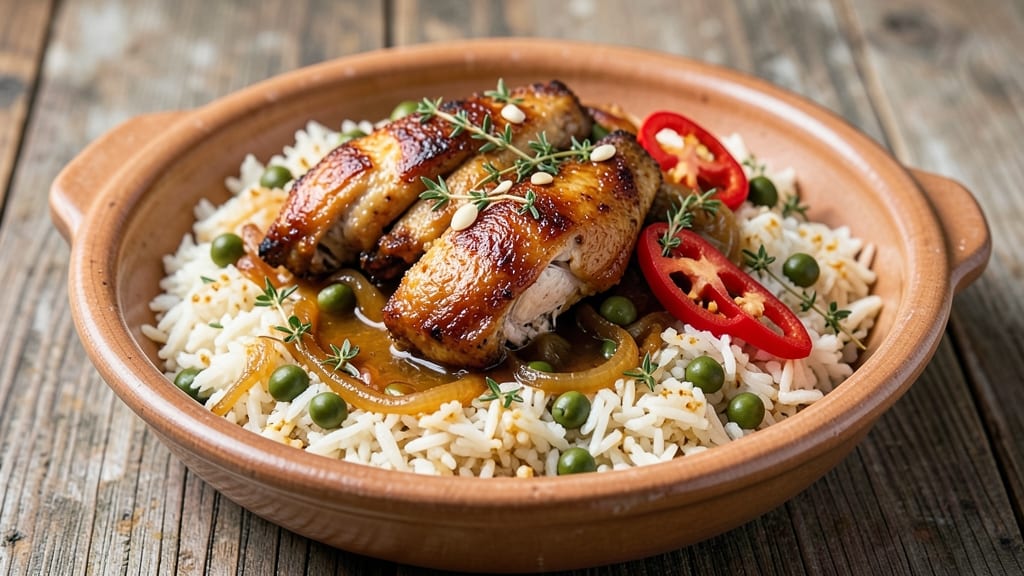
This one-pot Caribbean Pelau rice recipe brings the soul of the islands into your kitchen, where fragrant pigeon peas, tender meat, and saffron-infused rice create a symphony of flavors. 🌟 The dish is more than just a meal—it’s a celebration of tradition, where every bite carries the warmth of Caribbean hospitality and the boldness of spices like thyme, garlic, and Scotch bonnet.
What makes this recipe special is its simplicity: one pot, minimal cleanup, and maximum flavor. The rice cooks slowly with the protein, absorbing all the aromatic spices and tenderizing the meat into melt-in-your-mouth perfection.
Whether you’re serving it for a family gathering or a quiet weeknight dinner, this dish delivers restaurant-quality results with just a few key ingredients and a little patience.
Ingredients for caribbean pelau rice
Sixteen ingredients transform into a fragrant Caribbean celebration in one pot.
| Ingredient | Amount | Notes |
|---|---|---|
| Long-Grain White Rice 🍚 | 2 cups | Uncooked, jasmine or basmati preferred |
| Pigeon Peas (Gungo Peas) 🌱 | 1 ½ cups | Dried, soaked overnight or canned |
| Chicken Thighs 🍗 | 2 lb | Bone-in, skin-on, cut into 2-inch pieces |
| Scotch Bonnet Peppers 🌶️ | 2 whole | Seeds removed for milder heat |
| Garlic Cloves 🧄 | 6 cloves | Minced, fresh preferred |
| Fresh Thyme 🌿 | ¼ cup | Chopped, stems removed |
| Saffron Threads 🧡 | ¼ tsp | High-quality, soaked in 2 tbsp warm water |
| Onion 🧅 | 1 whole | Yellow or red, diced |
| Tomato Paste 🍅 | ½ cup | San Marzano preferred |
| Chicken Broth 💧 | 3 cups | Low-sodium, homemade or quality store-bought |
| Olive Oil 🫒 | ½ cup | Extra-virgin, for sautéing |
| Bay Leaves 🍃 | 2 whole | Dried, removed before serving |
| Allspice Berries 🌶️ | ½ tsp | Ground or whole, toasted |
| Ground Cinnamon 🌿 | ¼ tsp | For warmth, optional |
| Salt 🧂 | 1 ½ tsp | Diamond Crystal preferred |
| Black Peppercorns 🌶️ | ½ tsp | Freshly ground |
The pigeon peas are the heart of this dish—dried is ideal for texture, but canned works in a pinch (drain and rinse). For the best quality, seek out Caribbean or Indian brands at specialty stores like Whole Foods or Indian grocery markets. The chicken thighs should have visible fat for moisture; bone-in, skin-on ensures rich flavor. If substituting beef, use chuck roast for tenderness. Scotch bonnet peppers are non-negotiable for authentic heat—substitute habanero if unavailable, but reduce to 1 whole pepper. Fresh thyme is best, but dried works at half the amount if needed.
Saffron is a splurge ingredient—look for Spanish or Iranian threads in small jars at gourmet shops or online. The tomato paste should be San Marzano for natural sweetness; Trader Joe's or Whole Foods carry reliable brands. For the broth, homemade is superior, but Pacific Foods or Kitchen Basics low-sodium options suffice. Allspice berries can be toasted whole in a dry pan for 1 minute before grinding—this deepens the flavor. The bay leaves add subtle earthiness; remove them before serving to avoid bitterness. If you lack fresh thyme, dried oregano at one-third the amount bridges the gap.
Prep ahead for maximum flavor: soak pigeon peas overnight and marinate chicken in lime juice for 30 minutes. The saffron infusion should sit for 10 minutes before adding to the pot. Store leftovers in an airtight container for up to 4 days—reheat gently with a splash of broth. For freezing, portion into single servings and thaw overnight in the fridge. This dish improves overnight as flavors meld; double the batch for gatherings—it reheats beautifully.
Why You'll Love This Recipe
- One-Pot Magic: I swear by this—just toss everything (rice, peas, chicken, peppers) into one pot with the garlic and water, then let it simmer. No chopping small, no fancy layers, no stress. The rice and peas cook together, soaking up all that smoky, garlicky goodness until it’s tender and fragrant.
- Heat That Stays: That Scotch bonnet pepper isn’t just for show—it lingers. The dish starts with a fiery kick, but by the time the rice is fluffy and the chicken falls apart, the heat mellows into something warm and addictive. Honestly, I’ll take a second helping just for that slow-building spice.
- Weeknight to Party: Make it for yourself on a Tuesday when you’re too tired to think, or double the batch for a Sunday gathering. The pigeon peas add a creamy texture that makes it feel special, but the simplicity keeps it effortless. My in-laws think it’s "fancy" because of the bonnet pepper—I just call it "lazy genius."
- Leftovers? Better Than New: Between us, pelau tastes even better the next day. The flavors meld deeper, the rice gets that perfect sticky-chewy texture, and the chicken shreds so easily. I meal prep this all the time—just reheat with a splash of water, and boom, dinner’s ready. Budget-friendly? Absolutely. Worth the effort? Always.
Step-by-step instructions for Caribbean pelau rice
Aromatic, hearty, and effortlessly flavorful—this one-pot method delivers restaurant-quality pelau with tender chicken and fragrant pigeon peas.
🔥 Step 1: Sauté the Aromatics and Build the Base
Heat the 0.5 cup olive oil in a heavy-bottomed pot over medium heat until shimmering. Add the 1 whole diced onion and cook for 5 minutes until translucent and sweet-smelling. This foundational step develops the dish's depth of flavor.
Add the 6 cloves minced garlic and 0.25 cup chopped fresh thyme, stirring constantly for 1 minute until fragrant. The garlic should turn golden without browning—this prevents bitterness and ensures sweetness. Next, stir in the 0.5 tsp toasted allspice berries and 0.25 tsp ground cinnamon, toasting for 30 seconds until the spices release their warm, earthy aromas.
🍳 Step 2: Cook the Chicken and Add Spice
Push the aromatics to one side of the pot and add the 2 lb chicken thighs in a single layer. Cook for 8-10 minutes until the chicken develops a golden-brown crust and releases easily from the pan. This searing step is critical—it locks in juices and builds flavor.
Transfer the chicken to a plate and set aside. In the same pot, add the 2 whole seeded Scotch bonnet peppers (cut into quarters) and cook for 2 minutes until slightly softened. Stir in the 0.5 cup tomato paste and cook for another 2 minutes until it darkens slightly and releases its deep, concentrated flavor.
🥘 Step 3: Combine Rice, Peas, and Broth
Add the 2 cups long-grain white rice and 1.5 cups pigeon peas (gungo peas) to the pot, stirring to coat the grains in the tomato paste mixture. This ensures even flavor distribution and prevents dry spots. Pour in the 3 cups chicken broth and bring to a gentle boil.
Reduce heat to low and stir in the 2 whole bay leaves, 1.5 tsp salt, and 0.5 tsp freshly ground black peppercorns. The broth should just barely cover the rice—this ratio is key for perfectly fluffy grains. Return the chicken to the pot, arranging it over the rice and peas.
⏰ Step 4: Simmer and Infuse with Saffron
Cover the pot and simmer for 45 minutes without lifting the lid. This gentle cooking time allows the rice to absorb the broth evenly and the chicken to become fork-tender. The pot should feel warm to the touch but not hot—this indicates proper simmering.
After 45 minutes, remove the pot from heat and let it sit covered for 10 minutes. Stir in the soaked 0.25 tsp saffron threads (with their soaking liquid) and gently fold everything together. The saffron will impart its signature golden hue and delicate floral aroma, transforming the dish into true pelau.
🍽️ Step 5: Rest and Serve with Flavorful Broth
Let the pelau rest covered for another 10 minutes before serving. This resting period allows the rice to finish steaming and the flavors to meld completely. The chicken should be tender enough to pull apart with a fork, and the rice should be fluffy with just a hint of bite.
Remove the 2 bay leaves before serving and arrange the pelau on a platter. Spoon any remaining broth from the pot over the top—this ensures every bite is infused with the dish's rich, savory essence. Serve with warm crusty bread to soak up the fragrant juices, and enjoy the harmonious blend of Caribbean spices in every mouthful.
Pro Tips For Making Caribbean Pelau Rice
- SOAK THE PEAS: I learned this the hard way—dry pigeon peas (gungo peas) turn to mush if you don’t soak them first. Toss them in warm water for at least 30 minutes (or overnight if you’re prepping ahead), then drain before cooking. This keeps them intact and flavorful, not a sad, mushy addition.
- SEAR THE CHICKEN FIRST: Don’t just toss raw chicken thighs into the pot—get them golden brown in a hot pan first. That crust locks in moisture and adds depth to the dish. Use about 2 tablespoons of oil and don’t overcrowd the pan (yes, even if you’re impatient like me).
- CONTROL THE SCOTCH BONNET: Handle those peppers like they’re live grenades—wear gloves if you’re sensitive. Remove the seeds and membranes first (they’re the hottest part), then finely chop them. Taste as you go—you can always add more, but you can’t take it out.
- USE A TIGHT LID AFTER BOILING: Once the rice and peas are submerged and boiling, drop the heat to low, cover tightly, and let it steam. I used to peek under the lid every two minutes, but resisting the urge to check guarantees even cooking. Walk away for 20 minutes—trust the process.
Regional styles of these flavors
Trinidadian Pelau
In Trinidad, pelau takes center stage with its bold, spicy profile and the addition of coconut milk—about ½ cup stirred into the broth for creaminess. The dish often includes beef chuck instead of chicken, cut into large chunks and braised until fall-apart tender.
For extra depth, Trinidadians add green seasoning (a blend of cilantro, chives, and scallions) at the end. I've made this version for Sunday feasts, and the coconut milk makes it feel like a hug in a bowl. 🌴
Jamaican Pelau
Jamaican pelau leans into jerk seasoning—about 1 tbsp of store-bought or homemade jerk spice paste (like Grace Jerk Seasoning) mixed into the tomato paste.
The dish often features conch or fish alongside chicken, and the rice is cooked with a splash of rum (about 2 tbsp) for depth. Jamaican pelau also includes scallions (about ¼ cup, chopped) stirred in at the end.
The jerk spices give it a smoky, slightly sweet kick that's unmistakable. 🔥
Guyanese Pelau
Guyanese pelau is all about pigeon peas and coconut milk, but with a focus on slow-cooked meats like goat or beef. The dish often includes okra (about ½ cup, sliced) cooked with the onions for a slimy, flavorful base.
Guyanese chefs also add green bananas (about 1 cup, peeled and sliced) to the pot for natural sweetness. The rice is cooked with a pinch of turmeric for color, and the dish is served with fried dumplings on top. It's hearty enough for a family gathering. 🌿
Barbadian Pelau
Barbados takes pelau in a seafood-forward direction, often featuring lobster or crab alongside chicken. The rice is cooked with a splash of rum (about 1 tbsp) and a pinch of nutmeg, giving it a warm, slightly boozy aroma.
Barbadian pelau also includes tomato sauce (about ½ cup) for tanginess, and the dish is finished with fresh lime juice before serving. The seafood adds a luxurious touch that makes it feel special. 🦞
Surinamese Pelau
Surinamese pelau is a fusion of Indian and Caribbean flavors, often cooked with basmati rice instead of long-grain white rice. The dish includes chickpeas (about ½ cup) alongside pigeon peas, and the broth is infused with garam masala (about ½ tsp) for warmth.
Surinamese pelau also features hard-boiled eggs (about 2) added to the pot for protein. The result is a fragrant, spiced dish that's both comforting and complex. 🌶️
Nutrition facts
Frequently asked questions
Can I substitute pigeon peas with another type of bean?
While pigeon peas are traditional, you can use 1.5 cups of canned butter beans or chickpeas in a pinch. For best results, drain and rinse them well. The texture will be slightly different, but the dish will still be flavorful.
How do I adjust the heat level in this recipe?
The Scotch bonnet peppers provide the heat—remove the seeds and membranes for milder spice. For a completely mild version, substitute with 1 whole bell pepper. If you love heat, keep the seeds and add an extra ½ pepper.
Can I make pelau in an Instant Pot?
Yes! Sauté the aromatics, chicken, and spices as directed. Add rice, peas, broth, and chicken, then cook on high pressure for 12 minutes. Let it naturally release pressure, then stir in the saffron. The texture will be slightly different but still delicious.
What's the best way to reheat leftovers?
Gently reheat pelau with a splash of water or broth in a covered pot over low heat for 5-7 minutes. Avoid microwaving—it can make the rice mushy. For extra flavor, add a pinch of salt and a few drops of lime juice.
Why does my pelau turn out dry?
Dry pelau usually means the rice absorbed too much liquid. Always use 3 cups of broth for 2 cups of rice—never more. If your pot has a tight seal, reduce heat to lowest setting to prevent overcooking. Stirring occasionally also helps distribute moisture evenly.