
Main Courses
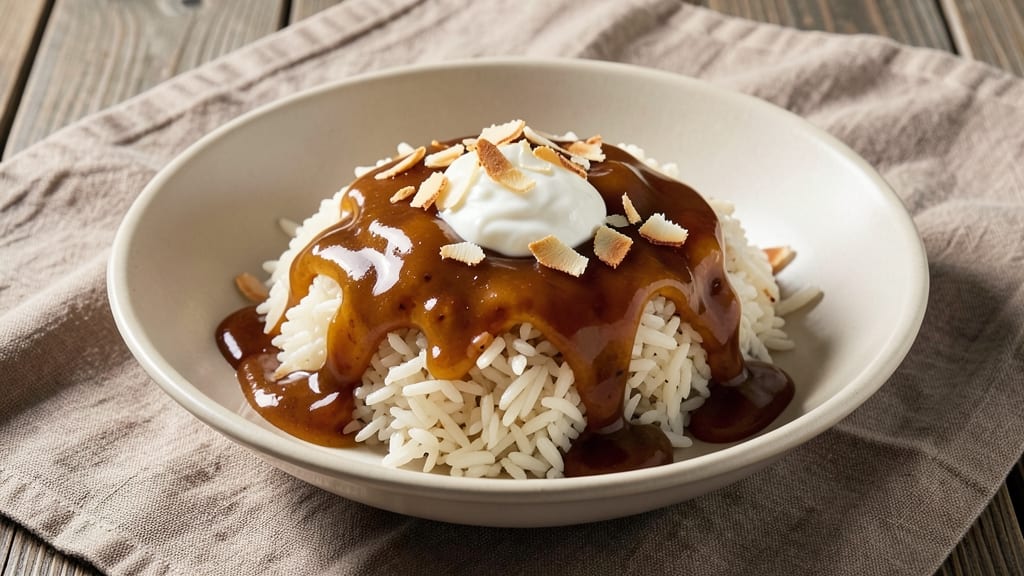
This caramel rice recipe transforms simple grains into a buttery-sweet masterpiece with toasted coconut undertones—perfect for elevating any meal. The secret lies in slow-cooking rice with sugar and butter until it develops a deep golden caramel that clings to every grain, creating a texture that’s both crisp and tender.
I first discovered this technique while adapting a Thai-inspired dessert, but it works equally well as a savory side dish or standalone treat.
The process is straightforward: cook the rice until tender, then stir in sugar and butter to develop that signature caramelized flavor. For extra depth, toasted coconut flakes add a nutty crunch that balances the sweetness.
Serve it alongside grilled chicken, as a dessert with fresh fruit, or even as a breakfast bowl—its versatility makes it a game-changer for any menu.
Ingredients for caramel rice
Transform ordinary rice into a luxurious caramel masterpiece with these carefully chosen ingredients.
| Ingredient | Amount | Notes |
|---|---|---|
| Long-Grain White Rice 🍚 | 1 cup | Uncooked, jasmine or basmati preferred |
| Unsalted Butter 🧈 | ½ cup | European-style preferred for flavor |
| Granulated Sugar 🍬 | ½ cup | Light brown sugar for deeper caramel |
| Toasted Unsweetened Coconut Flakes 🥥 | ¼ cup | Lightly toasted in dry pan |
| Heavy Cream 🥛 | ¼ cup | Full-fat for rich texture |
| Vanilla Extract 🌿 | 1 tsp | Pure Madagascar bourbon preferred |
| Salt 🧂 | ½ tsp | Diamond Crystal kosher preferred |
| Ground Cinnamon 🌶️ | ¼ tsp | Freshly ground for warmth |
| Water 💧 | 1 ½ cups | Filtered preferred for clarity |
| Extra-Virgin Olive Oil 🫒 | 1 tbsp | For initial rice cooking |
| Freshly Ground Black Pepper 🌶️ | ⅛ tsp | Freshly cracked for aroma |
The rice is the foundation, so jasmine or basmati delivers the best texture—long grains that stay separate. For the butter, European-style brands like Plugrá melt more smoothly and add depth. Sugar selection matters too: light brown sugar caramelizes better than white. Coconut flakes should be toasted in a dry pan until golden—this amplifies their nutty flavor. I always buy mine from Trader Joe's since they're pre-toasted and ready to use. The heavy cream adds richness, but don't skimp on quality—organic or grass-fed makes a noticeable difference in the final texture.
No vanilla extract? Vanilla bean paste works beautifully—just use half the amount. Running short on coconut flakes? Toasted pecans or almonds add a similar crunch, though the flavor profile shifts. The olive oil can be swapped for avocado oil if you prefer a neutral taste. For those watching sugar, reduce to 0.375 cup and add 1 tbsp honey—it caramelizes differently but still works. The cinnamon is optional but recommended—it complements the caramel notes perfectly. If you're making this for a crowd, double the batch and use a large heavy-bottomed pot—it prevents burning during the slow caramelization.
This caramel rice keeps beautifully for 4-5 days in an airtight container, though the texture softens slightly. For longer storage, portion into freezer-safe containers—it reheats perfectly and tastes even better the next day. The toasted coconut flakes stay crisp for about 2 weeks if stored in a sealed jar away from light. I always make extra and use it as a topping for yogurt bowls or ice cream—it's that versatile. For serving, a light sprinkle of flaky sea salt right before eating enhances all the flavors.
Why You'll Love This Recipe
- One-Pot Magic: I swear by this recipe—just rice, butter, sugar, and a splash of cream. No fancy gadgets, no measuring cups that never quite fit. Toss everything in one pot, simmer, and stir. That’s it. Even my college-dorm-me version turned out fine.
- Sweet & Salty Bliss: The caramelized sugar and butter create this irresistible contrast—creamy, rich, with a hint of toasted coconut crunch. It’s like dessert sneaking into your rice bowl, and honestly? I don’t even mind if it’s just for breakfast.
- Breakfast to Dessert: Serve it warm with a fried egg and bacon for brunch, or pile it into a bowl with vanilla ice cream for a sneaky sweet treat. (Yes, I’ve done both.) It’s the kind of dish that works just as well for lazy mornings as it does for a cozy dessert night.
- Budget-Friendly Luxury: A single batch stretches for days—leftovers reheat beautifully, and the ingredients won’t break the bank. Butter and sugar are pantry staples, and rice? You already have it. This is comfort food that doesn’t guilt-trip you.
Step-by-step instructions for caramel rice with toasted coconut flavor
Transform simple rice into a luxurious dessert with rich caramel and tropical coconut notes.
Toast the Rice and Build the Caramel Base
Heat the 1 tablespoon extra-virgin olive oil in a heavy-bottomed saucepan over medium heat. Add the 1 cup long-grain white rice and toast for 3-4 minutes, stirring constantly, until the grains turn translucent at the edges and release a nutty aroma. This step prevents mushiness and develops flavor.
Reduce heat to medium-low and add the 0.5 cup granulated sugar, stirring constantly for 2-3 minutes until the sugar begins to melt and form a light golden caramel. The mixture should smell sweet and toasty—this is your flavor foundation. If the sugar burns (it smells acrid), immediately remove the pan from heat and stir in 1 tablespoon water to dissolve the caramelized bits.
Cook the Rice with Butter and Cream
Increase heat to medium and add the 0.5 cup unsalted butter, stirring until fully melted and incorporated into the caramel. Pour in the 1.5 cups water and bring to a gentle boil. Add the 0.5 teaspoon salt, 0.25 teaspoon ground cinnamon, and 0.125 teaspoon freshly ground black pepper, then reduce heat to low. Cover with a tight-fitting lid and simmer for 15 minutes without stirring.
After 15 minutes, gently fluff the rice with a fork, then stir in the 0.25 cup heavy cream and 1 teaspoon vanilla extract. Return to a simmer for another 5 minutes until all liquid is absorbed and the rice is tender but still slightly firm. The texture should be creamy rather than mushy—this ensures the perfect balance for the final crunch.
Fold in Coconut Flakes for Texture
Remove the pan from heat and let the rice sit covered for 5 minutes to steam. This resting period allows the flavors to meld and the grains to plump fully. Stir in the 0.25 cup toasted unsweetened coconut flakes, folding them gently to distribute evenly. The coconut should be warm enough to soften slightly but retain its crunch.
For extra richness, drizzle the top with an additional 1 tablespoon melted butter and sprinkle with an extra pinch of ground cinnamon. Serve immediately while the coconut is still crisp and the caramel glistens. The contrast between the creamy rice, sweet caramel, and toasted coconut creates a dessert-like experience that pairs perfectly with fruit or a scoop of vanilla ice cream.
Rest and Serve for Optimal Texture
Transfer the caramel rice to a serving dish and let it rest for 10 minutes before serving. This final resting period ensures the grains hold their shape and the coconut maintains its crunch. The residual heat will continue to develop the caramelized flavor, making each bite more complex.
For presentation, garnish with additional coconut flakes and a light dusting of powdered sugar if desired. The rice should be warm, fragrant with vanilla and cinnamon, and offer a satisfying contrast of textures—creamy rice, buttery caramel, and toasted coconut. Serve as a dessert, breakfast side, or even a decadent rice pudding alternative.
Pro Tips For Making Caramel Rice
- CRANK THE HEAT HIGH: That first 2 minutes with the butter and sugar is where the magic happens—don’t skimp on the heat. If you’re playing it safe at medium, you’ll end up with a pale, buttery rice instead of deep golden caramel. Watch those bubbles turn amber fast, then drop the heat to let it thicken.
- TOAST THOSE COCONUTS FIRST: I used to toss in raw coconut flakes straight from the bag, thinking it’d toast in the pan. Wrong. Toast them separately in a dry skillet until they’re fragrant and just starting to brown—about 3-4 minutes. The flavor difference is night and day, and they won’t clump into a sad, soggy mess.
- STIR THE RICE GENTLY: After adding the rice, resist the urge to aggressively stir every 30 seconds. One firm fold when you first mix it in, then let it sit undisturbed for 5 minutes. Stirring too much breaks the grains and turns your creamy caramel rice into a gluey disaster. Trust the process—it’ll cook evenly.
- USE COLD HEAVY CREAM: Pouring warm cream into your hot pan is how you end up with curdled, grainy rice. Chill that cream first, then add it slowly while stirring just until combined. The temperature shock might feel counterintuitive, but it keeps the texture silky instead of separating like a bad custard.
Make-ahead tips for this caramel rice
Pre-Cook Prep
Toast your coconut flakes in a dry pan over medium heat for 2-3 minutes until golden and fragrant. Transfer immediately to a bowl to prevent further browning.
This step can be done ahead of time—store the toasted flakes in an airtight container for up to 2 weeks at room temperature. I like to do this first thing in the morning so the coconut is ready when I start cooking. 🥥
Rice Cooking Shortcut
Use a rice cooker for hands-off cooking—simply add the rice, water, sugar, and butter after toasting, then let it cook on its own. Most rice cookers take about 20 minutes to complete the cycle, including the resting period.
For extra caramel depth, add 1 extra tablespoon of sugar directly to the rice cooker pot before starting. This method saves time and reduces the risk of burning.
Make-Ahead Caramel Base
Prepare the caramelized sugar-butter mixture a day ahead and store it in a glass jar in the refrigerator. When ready to cook, simply reheat the mixture in a saucepan over low heat, then add the rice and remaining ingredients.
This prepped base saves 15-20 minutes of active cooking time and ensures consistent flavor every time. I’ve used this trick for holiday meals when I’m juggling multiple dishes.
Freezer-Friendly Portions
Portion the fully cooked caramel rice into freezer-safe containers, leaving ½-inch headspace for expansion. Label with the date and freeze for up to 3 months.
To reheat, thaw overnight in the fridge, then warm in a saucepan with 2 tablespoons of water over low heat for 5-7 minutes, stirring occasionally. The texture will soften slightly but still deliver rich caramel flavor. 💫
Coconut Storage Hack
Store extra toasted coconut flakes in the freezer for up to 3 months to preserve their crispness. When ready to use, thaw at room temperature for 10 minutes before folding into warm rice.
This works especially well if you’ve made a large batch—just portion the coconut into small freezer bags for easy access. I keep a stash in my pantry for quick dessert toppings.
Batch Cooking for Crowds
Double or triple the recipe for gatherings, using a large Dutch oven (like Le Creuset) to maintain even heat distribution. Cook in batches if needed, but keep the rice warm in a slow cooker on "Warm" setting between batches.
For serving, transfer to a chafing dish to keep it creamy and caramelized. This approach ensures everyone gets perfectly textured rice without last-minute stress. 🔥
Nutrition facts
Frequently asked questions
Can I use brown rice or other varieties for this caramel rice?
This recipe works best with jasmine or basmati rice because their long grains stay separate and absorb the caramel beautifully. Brown rice would take longer to cook and might not develop the same creamy texture. For a quicker version, try arborio rice—it’s starchy enough to hold the caramel well, though the texture will be slightly softer.
What's the secret to getting the perfect caramel color without burning?
Use a heavy-bottomed saucepan and keep the heat at medium-low when melting the sugar. Stir constantly for 2-3 minutes until it turns golden—this prevents scorching. If it starts to darken too quickly, add 1 tablespoon water to dissolve the caramelized bits. Patience is key!
Can I make this recipe without coconut flakes?
Swap the coconut for toasted pecans, almonds, or walnuts for a nutty crunch, or omit them entirely for a smoother texture. For a dessert version, try chopped dried fruit—raisins or cranberries pair beautifully with the caramel. The coconut adds a tropical touch, but it’s optional.
Why did my caramel rice turn out mushy instead of creamy?
Overcooking or stirring too soon can break down the rice grains. After adding the cream, cook for just 5 minutes until tender but still firm. Let it rest covered for 5 minutes before fluffing—this helps the grains hold their shape. A heavy-bottomed pot also prevents uneven cooking.
How can I use this caramel rice in savory dishes?
Reduce the sugar to 0.25 cup and add 1 teaspoon soy sauce or fish sauce—this balances the sweetness. Serve alongside grilled chicken, pork, or shrimp for a sweet-savory contrast. For extra depth, stir in 1 teaspoon grated ginger or garlic—it pairs wonderfully with the caramelized notes.