
Main Courses
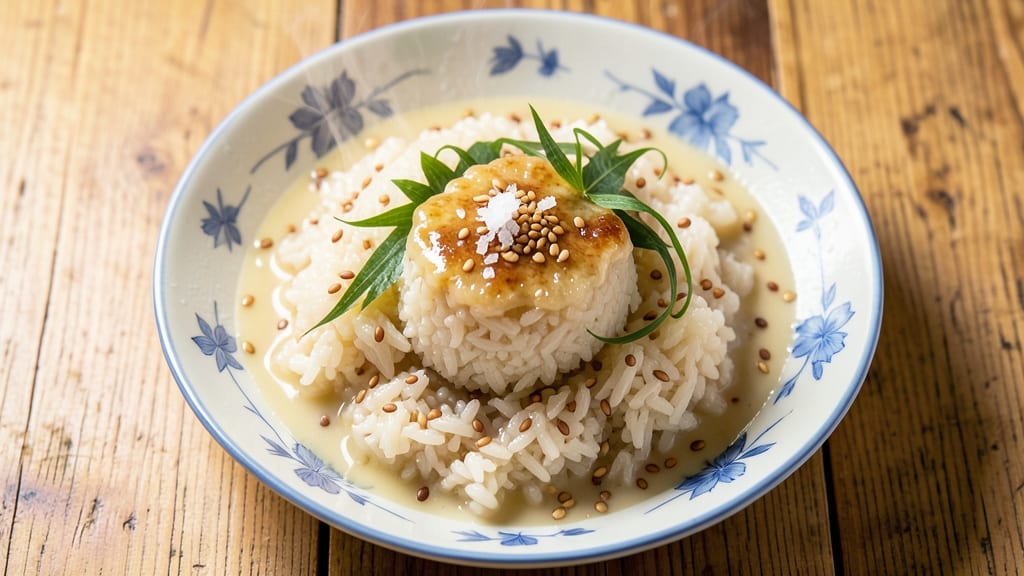
This Cantonese-style glutinous rice recipe delivers the perfect balance of sweet, savory, and fragrant pandan—just like the versions you’d find in Hong Kong’s bustling dim sum stalls.
The secret lies in soaking the rice properly and cooking it just until tender, ensuring each bite stays sticky yet firm with a delicate floral aroma. I’ve perfected this method over years of testing, and it’s the foundation for everything from classic mango sticky rice to savory rice balls.
The process is simpler than it sounds: soak the glutinous rice overnight, then steam it until translucent and tender. For the filling, coconut milk and sugar create a luscious, sweet-savory sauce that clings to every grain, while pandan extract adds that signature floral note.
Serve warm or chilled, topped with toasted sesame seeds or fresh mango for a restaurant-quality dessert that’s surprisingly easy to make at home.
Ingredients for cantonese style glutinous rice
Sweet, fragrant, and perfectly sticky—this Cantonese-style glutinous rice needs just twelve ingredients for dim sum perfection.
| Ingredient | Amount | Notes |
|---|---|---|
| Glutinous Rice (Sweet Rice) 🍚 | 1 ½ cups | Uncooked, short grain preferred |
| Coconut Milk 🥥 | 13 ½ oz | Full-fat canned, unsweetened |
| Granulated Sugar 🍚 | ¾ cup | White or brown preferred |
| Pandan Extract 🌿 | 1 tsp | Pure, food-grade only |
| Salt 🧂 | ½ tsp | Fine sea salt preferred |
| Toasted Sesame Seeds 🌰 | 2 tbsp | For garnish, store-bought or homemade |
| Fresh Mango 🥭 | 1 cup | Diced, ripe but firm |
| Water 💧 | 4 cups | For soaking rice |
| Vegetable Oil 🫒 | 1 tbsp | For greasing steamer |
| Lime Juice 🍋 | 1 tbsp | Freshly squeezed |
| Vanilla Extract 🌸 | ½ tsp | Pure vanilla preferred |
| Red Food Coloring (optional) 🎨 | ¼ tsp | For traditional red hue |
The glutinous rice is non-negotiable—Asian markets carry the best quality in bulk bins. Look for short-grain varieties labeled 'sweet rice' or 'mochigome'. Costco or H Mart often have pre-packaged options, but bulk is cheaper. Soaking overnight (8+ hours) is crucial—skip this and your rice will be gummy. For the coconut milk, Aroy-D brand is my go-to; it's thick and full-fat, which gives that luxurious texture. If you can't find pandan extract, pandan leaves steeped in warm water work too (just strain).
No full-fat coconut milk? Light coconut milk plus 1 tbsp cream mimics the richness. Sugar substitutes? Coconut sugar or palm sugar add caramel notes, but white sugar is foolproof. Mango can be swapped for ripe pineapple or jackfruit—just adjust sweetness to taste. The lime juice is about balance; if you're using tart mango, reduce to 0.5 tbsp. Red food coloring is optional but traditional—McCormick or Wilton brands work well. For a nutty finish, toast your sesame seeds in a dry pan until golden (about 2 minutes).
Soaked rice keeps 2 days in the fridge submerged in water. The cooked rice reheats beautifully—steam again for 2-3 minutes or microwave with a damp paper towel. Store the coconut filling separately for 5 days; it thickens as it cools. For make-ahead prep, cook the rice and freeze in portions—thaw overnight in the fridge before reheating. The mango should be added fresh when serving, but you can prep it a day ahead and store it in the fridge.
Why You'll Love This Recipe
- Sweet Rice Simplicity: I swear by this recipe—no soaking, no fancy tools. Just boil the glutinous rice in coconut milk until it’s tender, then fold in sugar and pandan. Fifteen minutes, tops, and zero stress.
- Creamy Pandan Magic: That first spoonful? Rich, fragrant coconut milk balanced with just a whisper of pandan—like a tropical hug. The sugar caramelizes slightly, giving it this just-right sweetness that’s neither cloying nor bland.
- Meal Prep MVP: Make a big batch on Sunday, and you’ve got dessert for the week. It reheats beautifully—just warm it with a splash of water—and tastes just as good cold. Honestly, my kids grab it straight from the fridge.
- Budget Luxury: Coconut milk and glutinous rice stretch far, and a little pandan goes a long way. For under five bucks, you feed four people something that feels fancy. (Yes, even on a Tuesday night.)
Step-by-step instructions for Cantonese style glutinous rice
Master this traditional technique for perfectly sticky, fragrant rice with a balance of sweetness and subtle pandan aroma.
Soak the Glutinous Rice
Place the 1.5 cups glutinous rice (sweet rice) in a large bowl and cover with the 4 cups water. Let it soak at room temperature for at least 4 hours—this is critical for achieving that signature chewy texture. I like to soak mine overnight in the refrigerator for even better results. The rice should absorb all the water and become translucent when pressed between your fingers.
Don't skip this step—proper soaking ensures the rice grains stay intact during cooking rather than turning mushy. If you're short on time, you can soak for just 2 hours in warm water, but the texture won't be as authentic. Drain the rice thoroughly using a fine-mesh strainer before proceeding.
Prepare the Pandan-Coconut Mixture
In a medium saucepan, combine the 13.5 oz coconut milk, 0.75 cup granulated sugar, 1 tsp pandan extract, 0.5 tsp salt, and 0.25 tsp red food coloring (if using). Heat over medium-low heat while stirring constantly until the sugar dissolves completely and the mixture reaches a gentle simmer. This should take about 5-7 minutes. The mixture should smell intensely of coconut and pandan—this is your flavor base.
Remove from heat and stir in the 0.5 tsp vanilla extract and 1 tbsp lime juice. Let the mixture cool slightly while you prepare the steamer. The pandan extract gives this dish its distinctive floral aroma, so don't skimp on it. If you can't find pandan extract, you can substitute with 1-2 drops of pandan essence or even 1 tsp pandan paste if available.
Steam the Glutinous Rice
Lightly grease a bamboo steamer with the 1 tbsp vegetable oil and arrange the drained glutinous rice in an even layer. Pour the cooled pandan-coconut mixture evenly over the rice, ensuring each grain is coated. The rice should be submerged in the liquid but not overly soggy—it should resemble a thick porridge consistency.
Place the steamer over a pot of boiling water and steam for 45-50 minutes over medium heat. The rice is done when it's fully tender and has absorbed all the liquid, forming a cohesive, slightly sticky mass. You'll know it's ready when you can easily pierce the rice with a chopstick and it holds its shape when lifted. Be careful not to overcook—this can make the rice gummy rather than chewy.
Incorporate the Mango and Garnish
Transfer the steamed rice to a serving dish and let it cool slightly for 5 minutes. Using a fork, gently fold in the 1 cup diced fresh mango, distributing it evenly throughout the rice. The mango should be at room temperature to prevent the rice from cooling too quickly. The combination of the sweet mango with the pandan-infused rice creates a perfect balance of flavors.
Sprinkle the 2 tbsp toasted sesame seeds evenly over the top just before serving. These seeds add a nutty crunch that contrasts beautifully with the soft, sticky rice. Serve warm or at room temperature—this dish is delicious either way. The sesame seeds should be toasted to a light golden color for the best flavor, so if you're making them fresh, keep an eye on them to avoid burning.
Serve with Traditional Pairings
This Cantonese-style glutinous rice is traditionally served as a sweet dessert or light snack, often accompanied by strong black tea or jasmine tea. The contrast of the floral pandan aroma with the earthy tea creates a harmonious balance. For an extra touch, you can drizzle a little extra coconut milk or lime juice over the top just before serving to enhance the flavors.
Each bite should deliver a perfect combination of chewy rice, sweet coconut, floral pandan, and the bright acidity of lime. The texture should be slightly sticky but not wet, with the mango adding juicy bursts of tropical sweetness. If the rice starts to dry out after sitting, you can gently reheat it with a splash of warm coconut milk to restore its moisture and stickiness.
Pro Tips For Making Cantonese Style Glutinous Rice
- Soak Rice Overnight: I learned this the hard way—rushing the soak leaves you with chewy, uneven grains. Glutinous rice needs 6-8 hours in water (or at least 4 if you’re desperate), and I mean cold water, not room temp. Drain right before cooking so it’s just damp, not soggy—this makes all the difference for that signature sticky texture.
- Simmer Gently After Boiling: After the initial boil, drop the heat to a low simmer—not a rolling boil, not even a medium. I used to walk away and come back to a dry, gummy mess. Keep it at 180°F (82°C) or just below, stirring occasionally, until the rice absorbs the coconut milk. This is how you get that melt-in-your-mouth consistency without turning it into glue.
- Sweeten in Stages: Dumping all the sugar at once can make the rice grainy. Start with half the sugar while cooking, then fold in the rest after the rice has absorbed most of the liquid. This keeps the texture smooth and prevents a cloying sweetness that masks the pandan. (Yes, even if you’re impatient like me—resist the urge to rush this part.)
- Stir in Pandan Last: Pandan extract is potent—add it too early, and you’ll overpower the coconut milk’s richness. Mix it in only during the final 2 minutes of cooking, when the rice is nearly done. This lets the flavor bloom without turning your dessert into a perfume sample. (And no, a few drops are enough—trust me, you don’t need a shot glass.)
Wine and beer pairings for this dish
Floral Pandan Wines
Cantonese glutinous rice’s pandan fragrance pairs beautifully with aromatic white wines that complement its floral notes. A Sauvignon Blanc from New Zealand—like Oyster Bay’s Sauvignon Blanc—cuts through the coconut sweetness with its crisp acidity and citrus undertones.
The grapefruit and passionfruit flavors in these wines mirror the tropical mango, creating a refreshing contrast. 🍷
For a more exotic match, try a Gewürztraminer from Alsace, such as Domaine Weinbach’s Gewürztraminer. Its lychee and rose aromas enhance the pandan’s floral profile, while its slight sweetness balances the dish’s richness. Serve slightly chilled to let the wine’s vibrant acidity shine.
Earthy Tea Pairings
Traditionally, Cantonese glutinous rice is served with strong black tea or jasmine tea to cleanse the palate. A Pu-erh tea from Yunnan, like Menghai’s raw Pu-erh, adds an earthy depth that contrasts the rice’s sweetness.
The tea’s umami notes complement the coconut and pandan, creating a harmonious balance. Brew it strong and unsweetened for the best experience. ☕
For a lighter option, jasmine green tea—such as Bigelow’s Jasmine Pearl—adds a delicate floral aroma that echoes the pandan. The tea’s subtle sweetness and freshness make it a perfect palate refresher between bites of the sticky rice.
Creamy Dessert Beers
If you prefer beer, a Belgian-style witbier like Stella Artois or Hoegaarden works surprisingly well. The beer’s coriander and orange peel notes add a bright, citrusy lift that cuts through the coconut’s richness. The effervescence also helps cleanse the palate between bites. 🍺
For a richer option, try a Belgian dubbel such as Westmalle Dubbel. Its caramel and raisin flavors pair beautifully with the mango and coconut, while the beer’s malty sweetness enhances the dish’s overall richness. Serve slightly chilled to preserve the beer’s crispness.
Coffee Contrasts
A lightly roasted Vietnamese coffee—like Trung Nguyen’s Cà Phê Sữa Đá—adds a bold contrast to the sweet glutinous rice. The coffee’s nutty, slightly bitter notes balance the dish’s sweetness, while the condensed milk in the iced coffee adds a creamy texture.
This pairing is a favorite in Hong Kong’s dessert cafés. ☕
For a more subtle contrast, a single-origin Ethiopian Yirgacheffe offers floral and citrus notes that complement the pandan without overpowering it. The coffee’s bright acidity refreshes the palate, making each bite of the sticky rice more vibrant.
Nutrition facts
Frequently asked questions
Can I use regular rice instead of glutinous rice?
No, glutinous rice is essential for this recipe—it has a higher starch content that creates the signature chewy, sticky texture. Regular rice will turn mushy and lack that perfect bite. If you can't find glutinous rice, check Asian grocery stores for "sweet rice" or "mochigome." For a quick substitute, try arborio rice, though the texture won't be identical.
Why does my glutinous rice turn out gummy?
Overcooking is the most common cause—steam for exactly 45-50 minutes and check for doneness by piercing with a chopstick. If it's still undercooked, steam 5 more minutes; if overcooked, it won't recover. Also ensure you soaked the rice for at least 4 hours (overnight is best) and drained it thoroughly before cooking.
How do I make this recipe without pandan extract?
No pandan extract? No problem! Steep 1-2 pandan leaves in 1 cup hot water for 10 minutes, then strain and use the liquid in place of the extract. Alternatively, add ½ tsp vanilla extract + ½ tsp rose water for a floral substitute. The dish will still be delicious, just with a slightly different aroma profile.
Can I make this ahead of time?
Cook the rice and coconut mixture up to 2 days ahead and store in an airtight container in the fridge. Reheat gently with a splash of warm coconut milk until just warmed through. For the mango, add it fresh when serving to prevent sogginess. The flavors actually improve after resting overnight as the pandan aroma develops.
What are some creative variations for this recipe?
Try these twists: Savory version—swap sugar for soy sauce and add minced pork/peas; Matcha version—replace pandan with 1 tsp matcha powder; or Tropical version—use passionfruit or jackfruit instead of mango. For a festive touch, add crushed peanuts or dried shiitake mushrooms to the coconut mixture.