
Side Dishes
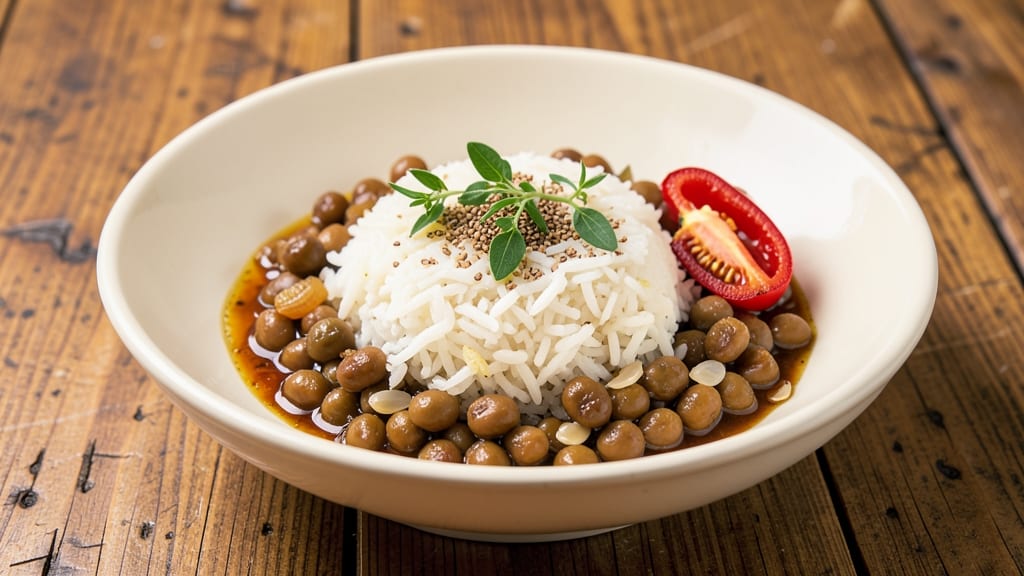
This fragrant canned pigeon peas and rice recipe transforms simple ingredients into a hearty one-pot dish that tastes like a homecoming.
The secret lies in slow-cooked spices—thyme, garlic, and a touch of Scotch bonnet—that meld into the rice and tender peas, creating layers of flavor that linger long after the last bite.
I first made this during a busy week when I needed a meal that felt special without the fuss, and it quickly became a staple in my rotation.
The beauty of this recipe is its one-pot simplicity, where rice, pigeon peas, and aromatic spices cook together until the grains are fluffy and the peas are just tender enough to absorb every savory note.
Traditional West African cooking often relies on these humble ingredients to create depth, and this version stays true to that while being accessible for home cooks. The dish pairs perfectly with fried plantains or a simple green salad, making it a complete meal in one pan.
What you’ll end up with is a golden, fragrant pot of rice and pigeon peas infused with warm spices, where each bite delivers a balance of earthy, smoky, and slightly spicy flavors.
The peas stay intact but soften just enough to blend seamlessly with the rice, while the spices—especially the thyme and garlic—create an aroma that fills your kitchen and makes everyone at the table anticipate the first taste.
Ready in about 45 minutes, this dish is ideal for weeknight dinners or meal prep, as the flavors deepen when reheated. Serve it with a side of callaloo or a sprinkle of fresh cilantro for brightness. Here’s how to make it—authentic, flavorful, and foolproof.
Ingredients for canned pigeon peas and rice
Pantry staples meet West African magic in this one-pot wonder.
| Ingredient | Amount | Notes |
|---|---|---|
| Canned Pigeon Peas (Gumbo Beans) 🌱 | 1 can | Drained, not rinsed |
| Long-Grain White Rice 🍚 | 1 ½ cups | Uncooked, jasmine or basmati preferred |
| Fresh Thyme Leaves 🌿 | ½ cup | Or 1 tbsp dried thyme |
| Garlic Cloves 🧄 | 4 cloves | Minced, fresh preferred |
| Scotch Bonnet Pepper 🌶️ | 1 whole | Seeds removed for mild heat |
| Onion 🧅 | 1 whole | Medium, diced |
| Tomato Paste 🍅 | 2 tbsp | Squeeze tube or canned |
| Chicken Broth 💧 | 1 ½ cups | Low-sodium preferred |
| Vegetable Oil 🫒 | 2 tbsp | Or any neutral oil |
| Salt 🧂 | 1 ½ tsp | Adjust to taste |
| Black Pepper 🌶️ | ½ tsp | Freshly ground |
| Ground Cumin 🌿 | ½ tsp | Toasted for depth |
| Bay Leaf 🍃 | 1 whole | Removed before serving |
| Fresh Cilantro 🌿 | ¼ cup | Chopped, for garnish |
The pigeon peas are the star—grab a can of gumbo beans from the international aisle at Whole Foods or your local Caribbean market. They should be plump, not shriveled, and the label should say 'gumbo' or 'pigeon peas' (not just 'split peas'). Fresh thyme is ideal, but dried works fine—just triple the amount. For the Scotch bonnet, ask the produce manager if you can't find it fresh; frozen works too. The onion and garlic are your flavor base, so don't skimp on freshness—bruised or yellowing onions will make the whole dish taste off. If you're short on time, pre-dice the onion and mince the garlic ahead.
No Scotch bonnet? Habanero or jalapeño (seeds removed) will work, but you'll need less—start with half and adjust. Dried thyme? Use one-third the amount of fresh. The tomato paste can be swapped for 1/4 cup tomato sauce if you prefer, but the paste gives that concentrated umami kick. Chicken broth can be replaced with vegetable broth or even water in a pinch, though the flavor will be less rich. The rice? Jasmine or basmati holds up best to the long cooking time—long-grain white works too, but it can get a bit mushy. And if you're feeling fancy, toast the cumin seeds in a dry pan for 30 seconds before grinding them—game changer for depth.
This dish tastes even better the next day, so double the batch if you're feeding a crowd. Store leftovers in the fridge for up to 5 days, covered tightly. Reheat with a splash of water or broth to revive the texture. Freezes beautifully for up to 3 months—portion into containers so you can grab and go. The cilantro stays fresh longer if you wrap the stems in damp paper towels and store them in a baggie. And if you make it ahead? The flavors meld even more overnight, so plan for leftovers—trust me, you'll want them.
Why You'll Love This Recipe
- I make this twice a week: once for dinner, once for lunch the next day. The rice stays fluffy, the peas hold their shape, and the heat from the pepper lingers—perfect cold or reheated. (Yes, even on a Tuesday night when you’re exhausted.)
- Five-Minute Pantry Start: Honestly, I open the can, dump the peas, and have rice cooking while I chop garlic—no soaking, no pre-cooking, no fuss. The only prep is crushing a Scotch bonnet (carefully!) and picking thyme leaves, which takes less time than waiting for a YouTube video to load.
- Heat That Packs Punch: Between us, that Scotch bonnet and thyme combo turns simple rice into something you’ll reach for instead of takeout. The garlic? It’s the secret—sizzling in the pot until it’s golden and fragrant, then melting into the peas like a warm hug.
- Lunchbox or Leftovers: I make this twice a week: once for dinner, once for lunch the next day. The rice stays fluffy, the peas hold their shape, and the heat from the pepper lingers—perfect cold or reheated. (Yes, even on a Tuesday night when you’re exhausted.)
Step-by-step instructions for West African pigeon peas and rice
Here's how to make this fragrant, flavor-packed one-pot that comes together in under an hour.
Sauté the Aromatics for Deep Flavor
Heat the 2 tablespoons vegetable oil in a large, heavy-bottomed pot over medium heat. Add the 1 whole onion (diced) and cook for 3-4 minutes until soft and translucent. You'll smell that sweet onion aroma filling your kitchen—that's your first flavor signal.
Add the 4 cloves garlic cloves (minced) and the 0.5 cup fresh thyme leaves, stirring constantly for 30 seconds until fragrant. Here's the thing—don't let the garlic burn. If it starts to darken too quickly, reduce the heat slightly. The thyme should release its piney aroma within seconds.
Next, add the 1 whole Scotch bonnet pepper (seeds removed and chopped) and cook for 1 minute until softened. This is where the heat builds—just enough to wake up your taste buds without overwhelming the dish. The pepper should be tender but still hold its shape slightly.
Build the Flavor Base with Spices and Tomato
Stir in the 2 tablespoons tomato paste, spreading it around the pot to create a thin, even layer. Cook for 1-2 minutes until it darkens slightly and releases its rich, umami flavor. This step is crucial—it forms the foundation of your one-pot.
Add the 0.5 teaspoon ground cumin, 0.5 teaspoon black pepper, and 1.5 teaspoons salt, stirring constantly for 30 seconds to toast the spices lightly. You'll notice the kitchen fill with that warm, earthy cumin aroma—this is when the magic starts. The spices should be evenly distributed and slightly darker from the heat.
Pour in the 1.5 cups chicken broth and bring everything to a gentle simmer. Add the 1 whole bay leaf and the 1 can canned pigeon peas (gumbo beans) (drained but not rinsed). Let it simmer for 5 minutes—this lets all the flavors meld together before we add the rice.
Cook the Rice to Perfect Texture
Stir in the 1.5 cups long-grain white rice, spreading it evenly throughout the liquid. Here's the key: don't stir after this point—just let the rice cook undisturbed. The rice should be submerged in the liquid, but that's okay; it'll absorb as it cooks.
Bring the mixture to a gentle boil, then immediately reduce heat to low. Cover the pot tightly with a lid and cook for 20 minutes without peeking. This is where patience pays off—the rice needs to steam evenly to get that perfect fluffy texture.
After 20 minutes, check the rice. If it's still slightly firm in the center, cover and cook for another 5-10 minutes. You want the rice to be tender but still hold its shape—think al dente. If the liquid has mostly absorbed but there's still a little at the bottom, that's perfect. If it's all gone, add 2-3 tablespoons water and cook uncovered for 2 minutes to evaporate any excess.
Rest and Garnish for Maximum Flavor
Once the rice is perfectly tender, remove the pot from heat and let it sit covered for 5 minutes. This resting period allows the rice to finish absorbing any remaining liquid and the flavors to settle. You'll notice the pot will be quite steamy—this is normal and actually helps the rice become even fluffier.
Before serving, discard the bay leaf and fluff the rice gently with a fork. The grains should be separate and tender, with the pigeon peas evenly distributed throughout. If the rice seems dry, sprinkle in 1 tablespoon water and fold it in.
Garnish each serving with 0.25 cup fresh cilantro (chopped) and serve immediately. The cilantro adds a bright, fresh contrast to the rich, spiced rice. Each bite should deliver a perfect balance of smoky, spicy, and herby flavors—just like West African home cooking.
Pro Tips For Making Canned Pigeon Peas And Rice
- Bloom the Thyme: Tear the thyme leaves right off the stems with your fingers—no need for scissors—and let them sit in the hot oil for 30 seconds before adding anything else. This releases their oils and gives the dish that bright, herbal punch without overpowering it. (Yes, even if you’re impatient like me, wait—it makes a real difference.)
- Sauté the Garlic Low: After mincing the garlic, cook it in the oil over medium-low heat until it’s just golden—not brown. Scotch bonnet adds enough heat; burned garlic turns bitter and ruins the balance. I learned this the hard way when I rushed and ended up with a dish that tasted like a spicy campfire.
- Rinse the Pigeon Peas: Drain the canned pigeon peas and give them a quick rinse under cold water, even if the label says “ready to eat.” The brine can make the rice gummy, and you want those beans to soak up the flavors, not fight them. (Your future self will thank you.)
- Toast the Rice First: Before adding liquid, spread the dry rice in the pot and toast it over medium heat for 2–3 minutes until it smells nutty and the edges turn translucent. This prevents mushy rice and lets the garlic-thyme-scotch bonnet base cling to every grain. (Does it look weird? Yes. Does it work? Every single time.)
Essential equipment for this recipe
Heavy-Bottomed Pot
You’ll need a large, heavy-bottomed pot (at least 3-quart capacity) to evenly distribute heat and prevent burning. I recommend a stainless steel Dutch oven like the All-Clad D5—it retains heat beautifully and distributes it evenly, which is key for tender rice and evenly cooked peas.
If you don’t have a Dutch oven, a cast-iron skillet (like Lodge 12-inch) works too, though it may require slightly closer attention to heat control. Avoid thin aluminum pots—they heat unevenly and can scorch your spices. 🔥
Wooden Spoon
A wooden spoon (about 12 inches long) is essential for stirring without scratching your pot. I use a bamboo spoon because it’s durable and gentle on nonstick surfaces. Avoid metal utensils when stirring the rice—they can damage the pot’s seasoning over time.
A wooden spoon also helps you gauge the rice’s texture without sticking. Pro tip: Soak your wooden spoon in hot, soapy water for 10 minutes before first use to remove any factory residues.
Fine-Mesh Strainer
Draining the canned pigeon peas properly is crucial for texture. A fine-mesh strainer (like the OXO Good Grips) ensures you remove excess liquid without losing any peas. I rinse the peas under cold water for 10 seconds to remove surface starch, which prevents the rice from getting gummy.
If you don’t have a strainer, a clean kitchen towel works in a pinch—just squeeze gently to remove moisture. Never rinse the peas before draining, as this dilutes the natural flavors.
Measuring Spoons
Precision matters with spices like thyme and cumin. Invest in a set of stainless steel measuring spoons (I love the KitchenAid 10-piece set) for accurate measurements. A ½ teaspoon of cumin is different from 1 teaspoon—too much can overpower the dish, while too little leaves it flat.
For the Scotch bonnet pepper, use a small paring knife to carefully remove seeds and chop it finely. A microplane can also help if you want to finely grate the pepper for a smoother heat. 🌶️
Lid with Vent
A tight-fitting lid with a small vent (or a slightly ajar lid) is critical for steaming the rice evenly. If your pot doesn’t have one, use a towel-lined lid—fold a clean kitchen towel and place it under the lid to prevent steam from escaping too quickly.
I often use a glass lid (if my pot has one) to peek at the rice without losing steam. Avoid lifting the lid during cooking—each time you do, you release moisture and disrupt the cooking process, leading to uneven rice.
Timer
Timing is everything in this recipe. A digital kitchen timer (like the OXO Good Grips) ensures you don’t overcook the rice or undercook the peas.
Set it for 20 minutes when the rice goes in, then check at 25 minutes—this gives you a 5-minute buffer to adjust heat or add water if needed. I also set a 5-minute reminder for the resting period after cooking.
Pro tip: Place your timer near the stove so you hear it clearly over the simmering pot. ⏰
Nutrition facts
Frequently asked questions
Can I use dried pigeon peas instead of canned?
Yes, but you'll need to soak them first! For every 1 cup dried pigeon peas, soak in water for 8-12 hours (or overnight), then simmer for 1-1.5 hours until tender. Use 2 cups dried peas to replace 1 can (about 15 oz). The flavor will be deeper, but canned peas save time and ensure consistent texture.
How do I adjust the heat level if Scotch bonnet is too spicy?
Remove the pepper's seeds and membranes before chopping to reduce heat. For milder flavor, swap it for ½ habanero or 1 jalapeño (seeds removed). If you accidentally used too much, balance it with 1 extra tablespoon tomato paste or a splash of lemon juice—both help mellow the spice.
Why did my rice turn out mushy?
Mushy rice usually means too much liquid or peeking too often. Use 1.5 cups rice to 2 cups liquid (broth + peas) for perfect texture. After adding rice, don't stir—just let it steam undisturbed. If your pot lacks a tight seal, try a towel-lined lid to trap steam.
Can I make this in a rice cooker?
Follow the same steps until adding rice, then transfer everything to your rice cooker. Use the white rice setting and let it cook naturally. The rice cooker's even heat distribution prevents burning, and you can skip the resting step—just fluff with a fork before serving.
What are the best sides to serve with this dish?
This one-pot pairs perfectly with fried plantains (sweet and crispy contrast), grilled fish (like mahi-mahi), or a simple green salad with lime dressing. For extra protein, add grilled shrimp or black beans. The spicy-savory flavors also work well with warm tortillas for scooping!