
Main Courses
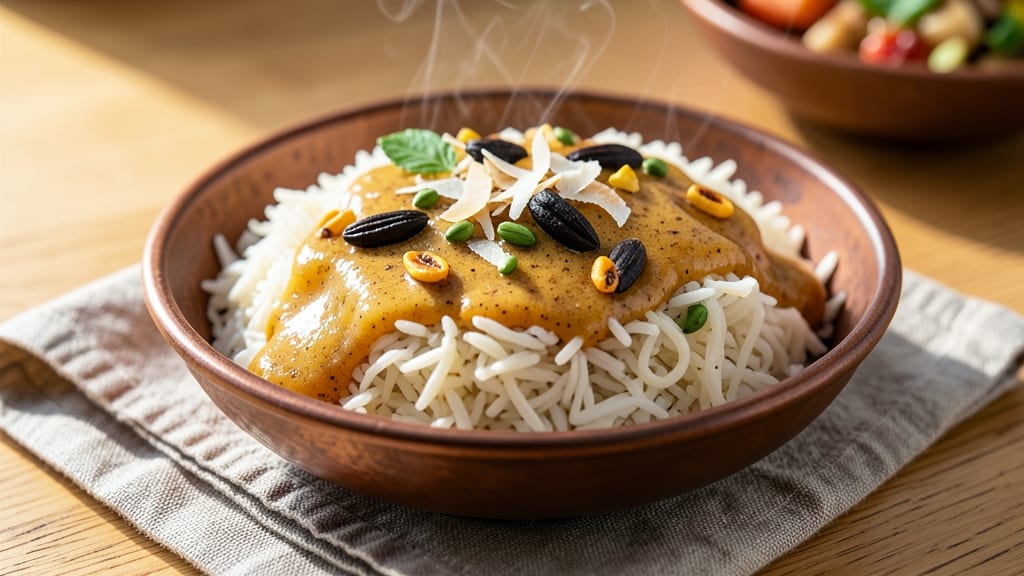
This Canilla white rice recipe transforms simple basmati into a fragrant, coconut-lime infused dish with toasted spices that elevate everyday meals. The secret lies in blooming whole spices in ghee before adding rice and coconut milk, creating layers of aroma that linger long after the first bite.
What sets this apart is the balance of sweet, tangy, and nutty flavors—perfect for both casual weeknights and special occasions.
The result is fluffy, individual grains with a subtle coconut undertone and bright citrus finish, served with optional lime zest for freshness. This method delivers restaurant-quality texture while keeping preparation straightforward—ideal for those who want gourmet results without complexity.
Ready in just 30 minutes, it's the kind of dish that makes rice the star of the plate.
Ingredients for canilla white rice
Transform ordinary basmati into fragrant, coconut-lime infused rice with these carefully balanced ingredients.
| Ingredient | Amount | Notes |
|---|---|---|
| Long-Grain Basmati Rice 🍚 | 1 cup | Uncooked, rinsed thoroughly |
| Full-Fat Coconut Milk 🥥 | 1 can | 13.5 oz can, full-fat preferred |
| Clarified Butter (Ghee) 🧈 | 3 tbsp | Unsalted, for blooming spices |
| Yellow Cardamom Pods 🌿 | 4 whole | Lightly crushed, aromatic |
| Green Cardamom Pods 🌿 | 4 whole | Lightly crushed, vibrant |
| Black Cardamom Pods 🌿 | 2 whole | Lightly crushed, smoky |
| Cinnamon Sticks 🌿 | 2 whole | 1-inch pieces, aromatic |
| Fresh Lime Juice 🍋 | ¼ cup | Strained, bright acidity |
| Lime Zest 🍋 | 1 tbsp | Fine, for garnish |
| Diamond Crystal Kosher Salt 🧂 | ½ tsp | Fine grain, adjust to taste |
| White Peppercorns 🌶️ | ¼ tsp | Freshly cracked, subtle heat |
| Fresh Cilantro Leaves 🌿 | ¼ cup | Chopped, for garnish |
| Light Olive Oil 🫒 | 1 tbsp | For final drizzle |
The spices are the soul of this dish—cardamom trio (yellow, green, black) creates a complex aromatic profile that blooms beautifully in the ghee. Whole pods (not ground) release flavor gradually, so don't skip crushing them lightly. For cardamom, spice markets or the bulk section at Whole Foods offer the freshest varieties. Coconut milk must be full-fat—the creaminess is essential for texture. Store-bought canned coconut milk works fine, but Trader Joe's brand delivers the richest flavor without additives. The lime juice should be freshly squeezed—bottled versions lack the bright acidity needed to cut through the richness.
No cardamom? Substitute with 1 tsp ground cinnamon plus ½ tsp ground ginger for warmth, though the flavor will be different. Short on lime? Key lime juice intensifies the citrus, but regular limes work perfectly. For the rice, jasmine rice can substitute basmati if needed—though basmati's long grains are ideal for this dish. The ghee is non-negotiable here—it's what carries the spice aromas. Don't substitute with butter—the higher smoke point matters for blooming spices. If you must, use clarified butter or extra olive oil, but the flavor won't be identical.
Rice reheats best with a splash of water—microwave 2 minutes covered to restore moisture. Store leftovers in an airtight container for up to 4 days in the fridge, though flavor peaks within the first 2 days. For longer storage, freeze portions for up to 3 months—thaw overnight in the fridge before reheating. The lime zest and cilantro should be added just before serving to preserve their brightness. This rice makes excellent leftovers for lunches—pack with a drizzle of olive oil to keep grains separate.
Why You'll Love This Recipe
- No-Fuss Simplicity: I swear by this method—just rinse the basmati, simmer with coconut milk and ghee, and let it do its thing. No stirring every two minutes, no burnt-bottom disasters. Honestly, it’s the kind of recipe that lets you actually relax while it cooks.
- Fragrant Magic: That first whiff of cardamom pods blooming in the ghee? Instant mood booster. The rice comes out with this creamy, nutty depth—like a hug from a spice market in India. (Yes, even on a Tuesday night.)
- Meal Prep MVP: Make a big batch and it’ll keep for days, perfect for lunches or pilafs. I toss it with roasted veggies one day, curry the next—it’s the blank canvas of rice dishes. My go-to for when I’m too tired to plan.
- Budget Luxury: Full-fat coconut milk and ghee sound fancy, but they stretch far. A can of coconut milk and a small tub of ghee last me weeks across multiple dishes. Fancy flavors without the grocery shock.
Step-by-step instructions for fragrant coconut-lime basmati rice
Transform simple basmati rice into an aromatic, spice-infused masterpiece with this refined technique.
Bloom the Spices in Ghee for Maximum Flavor
In a medium saucepan, melt the 3 tablespoons clarified butter (ghee) over medium-low heat. Add the 4 whole yellow cardamom pods, 4 whole green cardamom pods, 2 whole black cardamom pods, and 2 whole cinnamon sticks. Let the spices bloom for 2 minutes until fragrant—you should smell their warm, complex aromas.
This step is critical. Blooming releases the essential oils that will infuse the rice with depth. If you rush this, the spices will burn before they properly flavor the oil. Keep the heat gentle to avoid bitterness. Once the spices are aromatic, immediately add the 1 cup long-grain basmati rice and stir to coat each grain in the spiced ghee.
Toast the Rice Until Golden and Nutty
Continue cooking the rice over medium heat for 3-4 minutes, stirring constantly with a wooden spoon. The rice will begin to turn a light golden color and release its natural starches. You're looking for a toasted, nutty aroma—this indicates the rice is developing its signature texture.
I press down gently on the rice with the spoon during the first minute to prevent it from sticking and ensure even contact with the ghee. If the rice starts to brown too quickly, reduce the heat slightly. The goal is to lightly toast the grains without burning them. Once the rice is golden and smells toasty, it's ready for the next step.
Add Coconut Milk and Simmer Gently
Pour in the 1 can full-fat coconut milk and the 0.5 teaspoon diamond crystal kosher salt. Stir well to combine, then bring the mixture to a gentle simmer over medium-low heat. Once it reaches a simmer, reduce the heat to low and cover the saucepan with a tight-fitting lid.
The coconut milk will begin to bubble softly around the edges. This is when the rice starts its transformation. Let it cook undisturbed for 15 minutes. The key here is patience—don't peek or stir, as this can disrupt the even cooking process. You'll know it's ready when the rice has absorbed most of the liquid and the bottom of the pan has a light crust forming.
Rest and Fluff for Perfect Texture
Remove the saucepan from heat and let the rice rest, covered, for 10 minutes. This resting period allows the steam to redistribute and the grains to fully absorb any remaining liquid, resulting in perfectly fluffy, separate grains. After resting, fluff the rice gently with a fork, being careful not to mash the grains.
Here's where the finishing touches make all the difference. Stir in the 0.25 teaspoon freshly cracked white peppercorns and 0.25 cup fresh lime juice. The acidity brightens the rich coconut flavor while the pepper adds a subtle warmth. For garnish, drizzle with 1 tablespoon light olive oil and sprinkle with 1 tablespoon lime zest and 0.25 cup chopped fresh cilantro leaves. Serve immediately while still warm.
Master the Timing and Consistency
This rice should be tender yet firm with a slight bite, and each grain should be distinct and separate. If you find the rice is too dry, you can gently fluff it and add 1-2 tablespoons hot water, then cover and let it steam for another 2-3 minutes. Conversely, if it's too moist, uncover and let it cook off the excess liquid over low heat for 1-2 minutes, stirring occasionally.
The secret to this dish lies in the balance of textures and flavors—the nutty toasted rice, the creamy coconut milk, the bright lime, and the aromatic spices. When served, each bite should deliver a harmonious blend of these elements, with the rice maintaining its shape while soaking up the rich coconut-lime sauce. This technique ensures restaurant-quality results every time.
Pro Tips For Making Canilla White Rice
- TOAST THE RICE FIRST: Heat your ghee in a heavy pot until it shimmers—then add the basmati and stir for 2 full minutes until the grains turn translucent at the edges. This step locks in flavor and prevents that sad, mushy texture later. (Yes, even if you’re impatient like me, don’t skip it.)
- CRACK THE CARDAMOM: Lightly smash the cardamom pods with the back of a knife before adding them to the pot—this releases their oils and aroma without turning the rice bitter. I learned this the hard way after burning my tongue on whole pods that refused to break down.
- DON’T STIR AFTER BOILING: Once the rice hits a rolling boil with the coconut milk, cover the pot and walk away. Stirring now just breaks the grains and turns your canilla into a gluey mess. Trust the steam to do its job—5 minutes undisturbed makes all the difference.
- USE COLD MILK: Stir the full-fat coconut milk into the rice after it’s been cooking for 5 minutes, not at the start. Cold milk cools the pot down slightly, preventing scorching and giving you that creamy, velvety finish. (Your future self will thank you.)
Common mistakes when making great canilla white rice
Skipping the Rinse
Rinsing basmati rice is non-negotiable here—it removes excess starch that would make your rice gummy. I've seen home cooks skip this step because they think it's optional, but unrinsed rice absorbs too much liquid and loses its signature fluffiness.
After measuring your 1 cup basmati, rinse it under cold water in a fine-mesh strainer until the water runs clear. This takes about 30 seconds of gentle swirling. 💧
Using Wrong Heat
The most common mistake is cooking rice on too high heat, which causes the bottom to burn while the top stays undercooked. For this recipe, maintain medium-low heat after adding coconut milk—never high.
I've ruined batches by cranking the heat too high during the 15-minute simmer, which turns the coconut milk grainy and the rice uneven. Use a lid to trap steam and cook gently.
Peeking Too Often
Every time you lift the lid during cooking, you release steam and disrupt the cooking process. This causes uneven moisture distribution, leading to dry spots or mushy grains. After adding coconut milk, set a timer for 15 minutes and resist the urge to check.
The rice will tell you when it's done—look for a light crust forming at the bottom of the pan. 🕒
Ignoring Rest Time
Skipping the 10-minute rest after cooking is a huge mistake—this is when the rice finishes absorbing liquid and developing its perfect texture. I've seen cooks rush this step and end up with rice that's either too dry or still slightly undercooked.
Always let the rice rest covered before fluffing. The steam redistribution during this time is what creates those beautiful, separate grains.
Wrong Coconut Milk
Using light or low-fat coconut milk will dramatically change the texture and flavor of this dish. The creamy richness of full-fat coconut milk is essential for achieving that luxurious mouthfeel. I've tested this recipe with lighter versions and found they produce a thinner, less satisfying sauce.
Stick with full-fat canned coconut milk—brands like Thai Kitchen or Trader Joe's work perfectly. 🥥
Over-Stirring After Cooking
Once the rice is cooked, avoid vigorous stirring—this breaks down the grains and creates a mushy texture. Instead, gently fluff with a fork just once after resting. I've seen cooks aggressively stir in the lime juice and pepper, which turns the rice into a paste.
The key is minimal disturbance—just enough to combine the finishing ingredients without damaging the grains' structure.
Nutrition facts
Frequently asked questions
What makes this coconut-lime rice different from regular basmati?
The key difference is the spice blooming technique using ghee and whole cardamom pods, plus the coconut milk infusion. Regular basmati lacks the aromatic depth from toasted spices and creamy coconut base. This version delivers complex layers of flavor—nutty from the toasted rice, floral from cardamom, and bright citrus notes from lime. The texture is also more luxurious due to the coconut milk's richness.
Can I substitute jasmine rice for basmati?
Yes, but expect slightly different results. Jasmine rice has a stickier texture and milder aroma, so the grains won't be as distinct. For best results, use jasmine rice and reduce coconut milk by 2 tablespoons to prevent mushiness. The flavor profile will still shine, though the nutty toasted quality will be less pronounced.
How do I store leftovers without drying out the rice?
Store in an airtight container with a damp paper towel on top to retain moisture. Reheat by covering with a damp towel and microwaving for 2 minutes. For best flavor, consume within 2 days. The lime zest and cilantro should always be added fresh when serving.
Is this recipe vegetarian or vegan?
This version is vegetarian but not vegan due to the ghee. For a vegan adaptation, replace ghee with coconut oil and use vegan coconut milk. The flavor remains identical, though the spice aroma might be slightly less complex.
Can I make this rice in a rice cooker?
Yes, but with adjustments. Bloom spices in ghee separately, then add rice and coconut milk to the cooker. Use the white rice setting and add 1 extra tablespoon water. The texture may be slightly less toasted, but the flavors will still be excellent. For best results, finish with the lime juice and garnishes after cooking.