
Main Courses
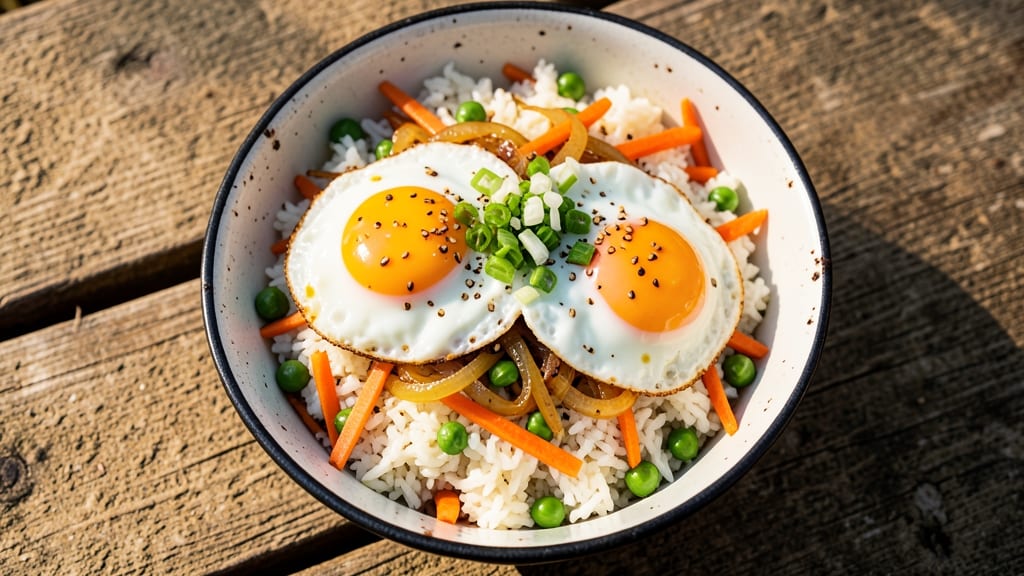
This camping fried rice recipe transforms leftover rice and simple ingredients into a crispy, flavorful one-pan meal perfect for campfires. The key is using pre-cooked rice and a cast iron skillet to create that signature wok-like texture without electricity or fancy tools.
I’ve tested this over countless trips—it’s foolproof when you follow the high-heat technique and keep ingredients prepped ahead.
What makes this recipe work for camping is the balance of crispy veggies, scrambled eggs, and fluffy rice—all cooked in one pan over your camp stove. No refrigeration needed, and cleanup is minimal. The secret?
Stir-frying the veggies first to release their moisture, then adding the rice and eggs at the right moment for maximum flavor absorption. Ready in under 15 minutes, this dish turns basic pantry staples into a satisfying meal that rivals restaurant fried rice.
Ingredients for camping fried rice
Basic pantry staples transform into a restaurant-worthy camping fried rice dish.
| Ingredient | Amount | Notes |
|---|---|---|
| Cooked White Rice 🍚 | 4 cups | Day-old rice works best |
| Large Eggs 🥚 | 4 whole | Freshly cracked for scrambling |
| Carrots 🥕 | 2 medium | julienned or thinly sliced |
| Yellow Onion 🧅 | 1 whole | thinly sliced, about 1 cup |
| Green Onions 🧅 | ½ cup | chopped, white and green parts |
| Frozen Peas 🌱 | ½ cup | thawed before adding |
| Soy Sauce 🍶 | ¼ cup | low-sodium preferred |
| Vegetable Oil 🫒 | ¼ cup | high smoke point for camp stove |
| Salt 🧂 | ½ tsp | kosher or sea salt |
| Black Pepper 🌶️ | ¼ tsp | freshly ground preferred |
| Garlic Cloves 🧄 | 2 cloves | minced for flavor depth |
| Sesame Oil 🫒 | 1 tbsp | for finishing aroma |
The rice is non-negotiable—day-old, cold rice creates that signature crispy texture. Leftover rice from your last meal works perfectly, no need to cook fresh. For the veggies, fresh carrots and onions from the grocery store's produce section will give you better flavor than frozen, but frozen peas are fine since they'll thaw quickly over the camp stove. The soy sauce should be low-sodium—regular brands can make the dish too salty. Grab a bottle of Kikkoman or La Choy if you're unsure, both are reliable choices. Garlic cloves should be fresh and firm—avoid any with sprouts or soft spots, as they'll add a bitter taste.
No soy sauce? Coconut aminos work in a pinch, though the flavor will differ slightly. Fresh veggies unavailable? Frozen stir-fry mixes are a great backup, just make sure to thaw them completely before cooking. The sesame oil is optional but adds that signature aroma—Kadoya is my go-to brand, but any food-grade sesame oil will work. If you're concerned about the oil smoking on your camp stove, use a high-heat oil like avocado or grapeseed oil instead of vegetable oil. The eggs should be fresh for best scrambling texture, but if you're using eggs from your camping trip, they'll still work as long as they're not expired.
This dish reheats beautifully—pack extra portions in reusable containers for lunch the next day. The fried rice keeps well for 3-4 days in the fridge, though it's best enjoyed fresh off the camp stove. For longer storage, freeze portions in ziplock bags for up to 3 months. The key to keeping it crispy is reheating it in a skillet with a splash of water or oil to steam it through. If you're cooking for a larger group, double the ingredients and use a larger cast iron skillet—just be prepared to stir more frequently to prevent burning.
Why You'll Love This Recipe
- One-Pan Magic: I swear by this recipe when I forget to pack enough pots. Just toss everything—rice, veggies, eggs—into one skillet over the campfire or portable stove, and stir. That’s it. No washing three pans later.
- Crispy Eggs, Creamy Rice: The secret’s in the eggs. Scrambled just until set, they melt into the rice while the onions caramelize, giving you that perfect bite—crispy edges, soft center. Honestly, it’s the kind of texture that makes you pause mid-bite.
- Campfire or Kitchen: Rain check on the picnic? No problem. This works over a fire pit, a camp stove, or even your stovetop at home. I’ve made it both ways, and the flavor stays spot-on. Between us, the smoky campfire version has a little extra magic.
- Leftovers That Don’t Suck: Unlike takeout fried rice that turns soggy, this stays solid for days. Pack it in a cooler, reheat over a flame, and it’s still hearty enough to feed a group. My secret weapon for lazy mornings after a long day of hiking.
Step-by-step instructions for perfect camping fried rice
Transform your campfire meal with this one-pan technique that delivers restaurant-quality texture and flavor.
Prep All Ingredients for Even Cooking
Start by thoroughly thawing the 0.5 cup frozen peas in a small bowl of warm water—this ensures even cooking later. While they thaw, julienne the 2 medium carrots into thin matchsticks and thinly slice the 1 whole yellow onion (about 1 cup total). Mince the 2 cloves garlic finely and chop the 0.5 cup green onions, separating the white and green parts. Freshly crack the 4 whole large eggs into a separate bowl and whisk lightly with the 0.5 tsp salt and 0.25 tsp black pepper.
Day-old 4 cups cooked white rice works best—its slightly drier texture prevents mushiness. If using freshly cooked rice, spread it on a tray and refrigerate for 30 minutes to dry it out. This prep ensures every component cooks uniformly in the one pan.
Sear the Aromatics and Veggies
Heat the 0.25 cup vegetable oil in your camp stove pan over medium-high heat until shimmering. Add the sliced yellow onion and cook for 3-4 minutes until translucent and slightly caramelized. Add the 2 cloves minced garlic and cook for 30 seconds until fragrant—don't let it burn, or it'll turn bitter.
Push the onions to one side of the pan and add the 2 medium julienned carrots. Cook for 4-5 minutes until they develop a slight crispness at the edges. Add the thawed 0.5 cup frozen peas and the white parts of the 0.5 cup green onions, stirring to combine. Cook for 2 minutes until the peas are heated through and the carrots are tender-crisp—this is where you'll get that satisfying crunch.
Scramble the Eggs and Combine
Create a small well in the center of your pan and pour in the whisked 4 whole large eggs. Let them sit undisturbed for 10-15 seconds until the edges begin to set. Gently push the eggs with a spatula, folding them into soft curds as they cook. Once mostly set but still slightly runny in the center, add the 0.25 cup soy sauce and stir quickly to distribute evenly.
Immediately add the 4 cups day-old rice, breaking up any clumps with your spatula. Stir vigorously for 3-4 minutes until the rice is heated through and begins to develop a golden crust in spots. This is where the magic happens—the high heat creates that perfect crispy texture while keeping the grains separate.
Finish with Crispy Edges and Aroma
Reduce heat to medium and continue stirring for another 2 minutes, allowing the rice to absorb the flavors. Taste and adjust seasoning—you may need a pinch more salt or soy sauce depending on your camp stove's heat consistency. The rice should be piping hot with crispy edges and tender centers.
Remove from heat and stir in the 1 tbsp sesame oil and the green parts of the 0.5 cup green onions. The sesame oil will infuse instantly, adding a nutty aroma that elevates the dish. Serve immediately while still hot—this fried rice is best enjoyed straight from the pan when the textures are at their peak.
Pro Tips For Making Camping Fried Rice
- USE DAY-OLD RICE: Cold, dry rice fries up crispier and absorbs less oil—no soggy mess. If you’re cooking fresh, spread it on a tray and refrigerate for 2 hours (or overnight) before frying. Skip this, and your rice will turn into glue.
- SCRAMBLE EGGS FIRST: Push the eggs to one side of the pan and let them set slightly before mixing into the rice. This keeps them creamy instead of breaking into rubbery bits. I learned this the hard way after making a batch where the eggs looked like overcooked pancakes.
- CHOP VEGETABLES UNIFORM: Carrots and onions should be cut into matchsticks—no giant chunks hiding in your rice. Uneven pieces burn while smaller bits stay undercooked. A sharp knife and a steady hand make this faster than you’d think.
- STOP WHEN IT LOOKS DONE: Fried rice is best when it’s just combined, not stir-fried to oblivion. Overworking it turns the rice mushy and releases excess starch. Taste-test halfway—if it’s still slightly firm, you’re golden. (Yes, even if it looks underdone.)
Make-ahead tips for this recipe
Prep Ahead at Home
Chop all veggies and store them in ziplock bags with a damp paper towel to maintain freshness. Pre-measure the soy sauce, sesame oil, and seasonings in small containers for easy access at camp.
I like to use 1-ounce portion cups for the soy sauce and sesame oil to avoid spills. Pack the day-old rice in a large reusable container—it’ll stay dry and ready to cook. 🧳
Egg Handling Tricks
Crack eggs directly into a small collapsible container (like a silicone cup) to prevent shell fragments from ending up in your pan. If you’re worried about freshness, bring pre-whisked eggs in a sealed container—they’ll stay stable for 2-3 days in a cooler.
For extra insurance, use pasteurized eggs if you’re camping in hot climates. 🥚
Fuel Efficiency Tips
Use a small, lightweight camp stove like the Jetboil Flash—it heats up fast and conserves fuel. Cook in one large batch rather than multiple small ones to minimize stove time.
If you’re using a cast iron skillet, preheat it directly over the flame for 2-3 minutes before adding oil to maximize heat transfer. 🔥
No-Fridge Storage Hacks
Pack the raw eggs in a thermos filled with cold water—this keeps them safe for 4-6 hours without refrigeration. Store the prepped veggies in a cooler with ice packs if your trip exceeds 24 hours.
The soy sauce and sesame oil are shelf-stable, so no extra prep is needed. 🧊
Portion Control for Groups
Divide the 4 cups rice into two 2-quart reusable containers—this makes it easy to cook half at a time if you’re feeding a larger group. For 8 servings, double the recipe but use a 12-inch cast iron skillet to avoid overcrowding.
Stir frequently to prevent burning on camp stoves with uneven heat. 👥
Cleanup Simplified
Use a long-handled spatula to scrape every last bite from the pan—it’s easier to clean while the pan is still warm. Pack a small dish soap and microfiber towel in a ziplock bag for quick cleanup.
If you’re using a nonstick pan, a splash of hot water while it’s still hot will make scrubbing effortless. ✨
Nutrition facts
Frequently asked questions
Can I make this recipe with freshly cooked rice?
Freshly cooked rice works, but it won't give you that signature crispy texture. Spread 4 cups cooked rice on a tray and refrigerate for 30 minutes to dry it out slightly. This mimics day-old rice and prevents a mushy result. If you're short on time, use freshly cooked rice but stir more frequently over medium-high heat to prevent sticking.
How do I adjust this for vegetarian camping meals?
Swap the eggs for tofu or chickpeas—cube 1 cup firm tofu and pan-fry it first until golden, or use 1 can drained chickpeas for heartiness. Boost flavor with 1 tsp smoked paprika or 1 tbsp nutritional yeast for a cheesy note. Keep the soy sauce and sesame oil for that classic umami punch.
What’s the best camp stove for this recipe?
A Jetboil Flash or Camp Chef Everready works perfectly—both deliver consistent medium-high heat needed for crispy veggies and eggs. For larger groups, a two-burner stove lets you cook multiple batches simultaneously. Avoid propane stoves with uneven flames; they can cause hot spots that burn your food.
Why did my fried rice turn out mushy?
Mushy fried rice usually means one of two things: too much moisture (like overcooked rice or thawed frozen veggies) or not enough heat. Always use day-old rice and stir-fry veggies first to release moisture. Cook over medium-high heat and keep stirring—don’t let the rice sit in the pan too long after adding it.
Can I add protein like bacon or sausage?
Cook 4 oz bacon or 2 sausages first until crispy, then remove and set aside. Use the rendered fat to sauté your veggies—it adds extra flavor. Add the bacon back in with the rice at the end. For a lighter option, use pre-cooked chicken or canned tuna (drained) instead.