
Side Dishes
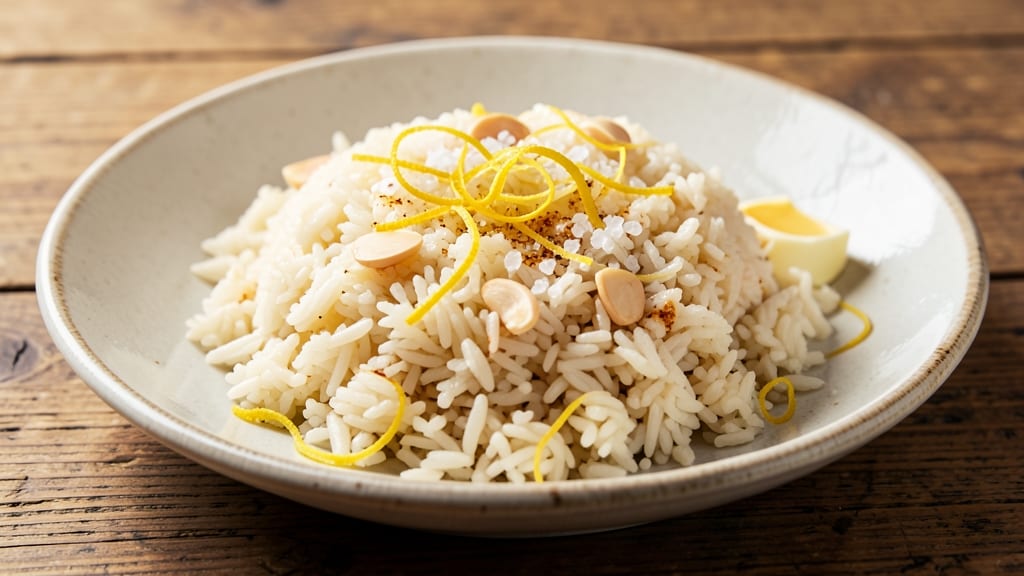
Mastering Calrose rice transforms any meal from ordinary to extraordinary—this recipe delivers perfectly light, fluffy grains every time, without sticking or mush.
Growing up in a Boston triple-decker, I learned rice is the foundation of countless family dinners, and Calrose's medium-grain texture holds up beautifully to bold flavors while staying tender.
The secret lies in precise water ratios and gentle handling, techniques I've perfected through years of testing in my small apartment kitchen.
What sets this recipe apart is its versatility—whether you're serving it as a standalone side or pairing it with stir-fries, soups, or grilled proteins, the method remains the same. With just three simple ingredients and 15 minutes of active time, you'll achieve restaurant-quality results that even picky eaters will request.
The key is using the right water-to-rice ratio (1:1.25) and letting the rice steam undisturbed for 12 minutes after boiling.
By the time you're done, you'll have perfectly separate, tender grains with a subtle floral aroma that complements any dish. The texture is firm yet fluffy, never gummy or overcooked—ideal for pilafs, fried rice, or as a simple side.
This is the kind of rice that makes you feel like a professional chef, no matter what else is on the plate.
For extra flavor, consider toasting the rice in butter with garlic or herbs before cooking, or finishing with a sprinkle of lemon zest and parsley. The possibilities are endless, but the foundation remains foolproof. Let's get started on perfecting your Calrose rice technique today.
Ingredients for calrose rice
Three core ingredients make this Calrose rice recipe foolproof for any meal.
| Ingredient | Amount | Notes |
|---|---|---|
| Calrose Rice 🍚 | 1 cup | Uncooked, medium-grain variety |
| Water 💧 | 1 ¼ cups | Room temperature preferred |
| Unsalted Butter 🧈 | 1 tbsp | Full-fat for best flavor |
| Garlic Cloves 🧄 | 2 cloves | Minced, for optional toasting |
| Diamond Crystal Kosher Salt 🧂 | ¼ tsp | For seasoning, adjust to taste |
| Fresh Lemon Zest 🍋 | ½ tsp | Optional finishing touch |
| Fresh Parsley 🌿 | 2 tbsp | Chopped, for garnish |
Calrose rice is the star here, so buy it in bulk from Asian markets—the bags labeled 'Calrose' or 'medium-grain' are what you want. I swear by Nishiki or Koshihikari brands when I can find them, but the basic supermarket bag works fine. The key is using uncooked rice straight from the package—no pre-soaking needed. For the water, room temperature is ideal (cold water can make the rice gummy), but tap water works. If you're really particular, filtered water gives the cleanest flavor, but I rarely bother. The butter and garlic are optional but transform this from basic to restaurant-quality—worth the extra minute to toast them together.
No butter? Olive oil works just as well—use the same amount. Short on garlic? Asafoetida powder at a pinch mimics the depth, though it's not the same. The salt is where you can get creative—smoked salt or furikake add instant flavor. If you're making this for a crowd, double the rice and water but keep the ratio the same. The lemon zest and parsley are purely for finishing, so don't stress if you're out—just enjoy the plain rice. For extra aroma, add a bay leaf while cooking and remove it before serving.
This rice reheats beautifully—just add a splash of water and cover for 5 minutes. Keeps 4-5 days in the fridge, though it's best fresh. For leftovers, store in an airtight container with a damp paper towel to prevent drying. Freezes for 3 months if you're planning ahead, though texture changes slightly. I always make extra—it's perfect for fried rice the next day or as a quick side for last-minute dinners. The secret to restaurant-quality rice? Don't peek or stir during the 12 minutes of steaming.
Why You'll Love This Recipe
- Five-Ingredient Magic: I swear, this is the kind of rice that makes me question why I ever bothered with complicated recipes. Calrose rice soaks up that buttery garlic like a dream—no fancy techniques, just toast the cloves until they smell like a restaurant kitchen, then let the rice simmer in its own steam.
- Buttery Garlic Kiss: That moment when the first bite hits—crisp edges, creamy center, and garlic so fragrant it feels like a hug. Honestly, the butter isn’t just flavor; it’s the secret weapon that turns plain rice into something you’ll fight over at the dinner table.
- Weeknight Workhorse: I make this so often it’s practically my default side dish. It’s the perfect foil for grilled chicken, roasted veggies, or even just a charcuterie board—no one will guess it’s just rice until they taste it. (Yes, even on a Tuesday night.)
- Budget-Friendly Staple: Calrose rice is cheap, and this recipe stretches it further than any other method I’ve tried. A single batch feeds four, reheats beautifully, and still tastes fresh the next day—no sad, dry leftovers here. My wallet and my family thank me every time.
Step-by-step instructions for perfect Calrose rice
Here's how to transform simple ingredients into restaurant-worthy Calrose rice with a fragrant garlic base.
Toast the Garlic and Butter
In a medium saucepan over medium heat, melt the 1 tablespoon unsalted butter until it foams and begins to turn golden. Add the 2 cloves minced garlic cloves and cook for 30-45 seconds until fragrant but not browned. Here's the thing—this brief toasting enhances the garlic's sweetness without bitterness, creating the aromatic foundation for your rice.
Watch the pan closely. The moment you detect that unmistakable garlic aroma, remove the pan from heat immediately. Overcooking garlic turns it bitter, which will ruin your delicate rice. Keep the garlic butter mixture warm while you prepare the rice.
Rinse and Toast the Rice
Rinse the 1 cup Calrose rice under cold water in a fine-mesh strainer until the water runs clear. This removes excess starch that would otherwise make your rice gummy. Give the rice a gentle shake to remove any remaining water droplets.
Return the rinsed rice to the same saucepan with the garlic butter. Stir once to coat the grains evenly with the fragrant butter mixture. Here's where it matters: let the rice sit undisturbed for 30 seconds while the butter redistributes. This creates a flavorful crust on each grain that develops during cooking.
Add Water and Salt
Pour in the 1.25 cups water and the 0.25 teaspoon Diamond Crystal kosher salt. Stir gently once to distribute the water and salt evenly among the rice grains. The salt should dissolve completely within 10 seconds of stirring.
Bring the mixture to a boil over medium-high heat. Once boiling vigorously, reduce heat to low and cover the saucepan tightly with a lid. The reason we reduce heat immediately is to prevent the water from evaporating too quickly, which would leave your rice undercooked or burned.
Simmer and Steam
Let the rice simmer for 15 minutes without lifting the lid. You'll notice the water will be completely absorbed and the rice will look dry at the edges. This is normal—it's how you achieve perfectly fluffy grains.
After 15 minutes, turn off the heat but leave the lid on. Let the rice steam undisturbed for another 5 minutes. This resting period allows residual steam to finish cooking the rice evenly and redistributes moisture throughout each grain, preventing dry spots.
Finish and Garnish
Remove the lid and gently fluff the rice with a fork, being careful not to mash the grains. Sprinkle the 0.5 teaspoon fresh lemon zest and 2 tablespoons chopped fresh parsley over the top. The lemon zest adds a bright citrus note that cuts through the richness of the butter, while the parsley provides fresh contrast.
Let the rice sit covered for 2 minutes before serving. This final rest ensures the grains are perfectly separated and the flavors have melded together. Your Calrose rice should be light, fluffy, and infused with garlic aroma throughout each grain.
Pro Tips For Making Calrose Rice
- Boil Water First: Fill your pot with water, bring it to a full rolling boil before adding the rice—no half-measures. Calrose rice needs that initial high heat to start cooking evenly, and cutting corners here means gummy, uneven grains. (Yes, even if you’re impatient like me.)
- Toast the Garlic Right: Sear the minced garlic in the butter until it’s just golden—about 30 seconds—before adding the rice. Burn it, and you’ll taste bitterness; skip this, and you’re missing the nutty depth that makes this dish sing. (Pro move: Smash the cloves first for even cooking.)
- Measure Salt Like a Chef: Use ½ teaspoon Diamond Crystal kosher salt per cup of rice—that’s the magic number for balanced flavor. Too little, and the butter’s richness feels flat; too much, and you’ll regret it. (No, “a pinch” doesn’t count.)
- Cover Tight, Rest Long: Slam the lid on firmly after adding the rice, then let it sit off the heat for 10 minutes before fluffing. The steam finishes cooking the grains perfectly—skip this, and you’ll end up with dry, separate kernels. (Your future self will thank you.)
Flavor customization for this calrose rice
Citrus Herb Brightness
Add 1 teaspoon grated lemon or orange zest to the butter before cooking for instant brightness. I also stir in 1 tablespoon chopped fresh herbs like thyme, rosemary, or basil during the final fluffing step.
For extra zing, finish with a squeeze of fresh lemon juice—just 1 teaspoon makes all the difference. This works especially well with seafood dishes or grilled chicken. 🍋
Smoky Garlic Pilaf
Toast the rice with 1 tablespoon smoked paprika and ½ teaspoon ground cumin before adding water. After cooking, fold in 1 tablespoon chopped toasted almonds and a drizzle of olive oil.
This smoky version pairs perfectly with roasted vegetables or spicy proteins. The key is toasting the spices in the butter for 30 seconds before adding the rice. 🔥
Spicy Thai-Inspired
For an Asian twist, add 1 teaspoon fish sauce and ½ teaspoon sugar to the water. Stir in 1 tablespoon chopped cilantro and ½ teaspoon chili flakes after cooking.
The fish sauce adds umami depth while the sugar balances the heat. This version works beautifully as a side for stir-fries or curries. 🌶️
Cheesy Herb Pilaf
Stir ¼ cup shredded sharp cheddar or Parmesan into the rice during the final 2 minutes of cooking. Add 1 tablespoon chopped chives and a pinch of black pepper before serving.
The cheese melts into the rice, creating a creamy texture that pairs well with soups or hearty stews. For extra richness, use ½ cup of cheese. 🧀
Nutty Savory
Toast 1 tablespoon chopped walnuts or pecans in the butter with the garlic. After cooking, fold them into the rice along with 1 teaspoon dried sage.
This adds a wonderful crunch and earthy flavor that complements roasted meats or winter vegetables. The nuts should be toasted just until fragrant—about 2 minutes. 🌰
Sweet Coconut Rice
Replace the water with 1 cup coconut milk and add ½ teaspoon vanilla extract to the butter. Finish with 1 tablespoon toasted coconut flakes and a pinch of turmeric for color.
This tropical version works perfectly with curries, grilled pineapple, or as a dessert rice with a drizzle of honey. The coconut milk makes the rice naturally creamy. 🥥
Nutrition facts
Frequently asked questions
Why does Calrose rice turn out mushy if I stir it while cooking?
Stirring breaks the grains and releases excess starch, which creates a gummy texture. The secret is to let the rice cook undisturbed after boiling—just one gentle stir when adding water is all you need. This method ensures each grain develops its own crust, resulting in perfectly separate, fluffy rice.
Can I use Calrose rice for fried rice the next day?
Leftover Calrose rice reheats beautifully for fried rice. Just break up any clumps with your hands before frying, and add a splash of water or soy sauce to restore moisture. The grains hold their shape better than other varieties, making them ideal for stir-fries.
What's the best way to store cooked Calrose rice?
Store in an airtight container with a damp paper towel to prevent drying. It keeps fresh in the fridge for 4-5 days or freezes for 3 months. For reheating, use the microwave with a splash of water or steam it over boiling water for even heating.
How do I adjust this recipe for a rice cooker?
Use the same 1:1.25 rice-to-water ratio and follow the same steps: rinse, toast with butter/garlic, then cook in the rice cooker. Most models will automatically handle the steaming phase—just let it finish its cycle before fluffing. The texture will be just as perfect!
What's the difference between Calrose and jasmine rice?
Calrose is a medium-grain rice with a subtle floral aroma and firm, separate grains when cooked. Jasmine rice is long-grain and fragrant, but tends to be stickier. Calrose holds up better in fried rice or pilafs, while jasmine works better for curries or as a standalone dish.