
Side Dishes
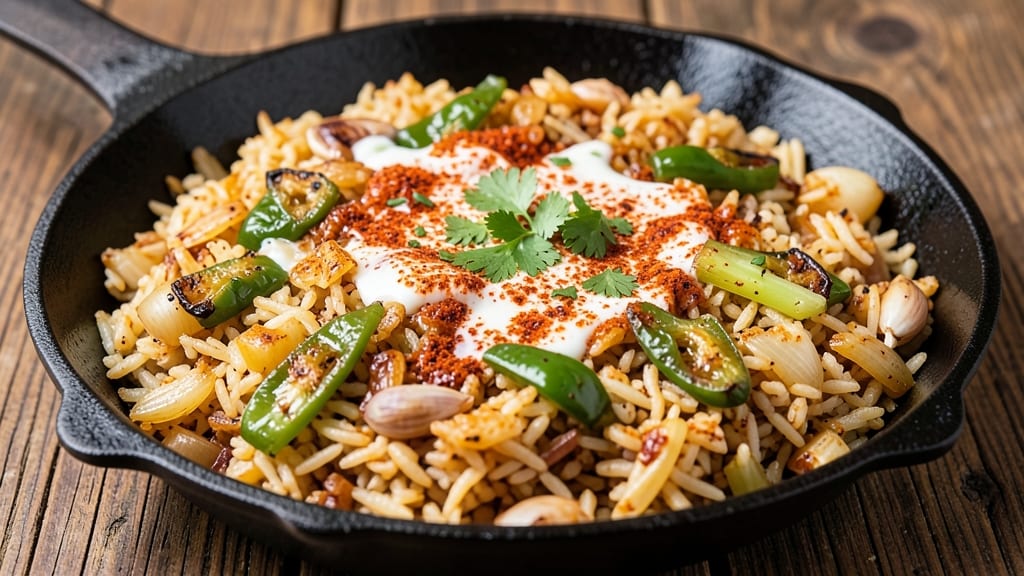
This one-pot Cajun rice pilaf delivers bold, smoky flavors with minimal cleanup—perfect for elevating any meal. The secret lies in toasting the trinity (onion, bell pepper, celery) until deeply caramelized, then layering spices like cayenne, paprika, and thyme for that signature Cajun kick.
Every grain absorbs the aromatic broth, resulting in tender, flavorful rice with a crispy, golden crust.
Simmered to perfection, this dish balances heat and depth without overpowering. The one-pot method ensures even cooking, while optional proteins like shrimp or chicken add heartiness. Whether paired with grilled meats or served as a standalone side, it’s a restaurant-quality staple that’s surprisingly simple to master at home.
Ready in 30 minutes, it’s ideal for weeknight dinners or meal prep.
Ingredients for cajun rice pilaf
Caramelized trinity, aromatic spices, and tender rice—this one-pot masterpiece delivers restaurant-quality Cajun flavor.
| Ingredient | Amount | Notes |
|---|---|---|
| Long-Grain White Rice 🍚 | 1 ½ cups | Uncooked, rinsed thoroughly |
| Yellow Onion 🧅 | 1 whole | Diced, medium size |
| Green Bell Pepper 🍅 | 1 whole | Diced, any color |
| Celery Stalks 🥬 | 2 whole | Diced, stringy parts trimmed |
| Garlic Cloves 🧄 | 4 cloves | Minced, fresh preferred |
| Cayenne Pepper 🌶️ | 1 ½ tsp | Adjust for heat tolerance |
| Smoked Paprika 🌶️ | 1 tbsp | Sweet or hot variety |
| Dried Thyme 🌿 | 1 tsp | Or 1 tbsp fresh thyme |
| Ground Black Pepper 🌶️ | ½ tsp | Freshly ground preferred |
| Salt 🧂 | 1 ½ tsp | Kosher or sea salt |
| Chicken Broth 💧 | 2 cups | Low-sodium preferred |
| Unsalted Butter 🧈 | 2 tbsp | Cold, cubed for toasting |
| Fresh Parsley 🌿 | ¼ cup | Chopped, for garnish |
| Lemon Juice 🍋 | 1 tbsp | Freshly squeezed |
| Green Onions 🧅 | 2 whole | Sliced, for garnish |
The trinity—onion, bell pepper, and celery—forms the flavor foundation. Look for fresh, vibrant vegetables at your local market or grocery store like Whole Foods or Trader Joe's for the best quality. The key is toasting them until deeply caramelized, which brings out their natural sweetness and intensifies the Cajun spices. Smoked paprika is non-negotiable for that signature smoky depth—Penzeys or McCormick brands deliver consistent quality. For the rice, long-grain white rice is ideal, but jasmine works beautifully too if you prefer a slightly fragrant profile.
No smoked paprika? Substitute with a mix of regular paprika and a pinch of liquid smoke—it won’t be identical, but it’ll get you close. Fresh thyme is ideal, but dried thyme at one-third the amount works in a pinch. The cayenne can be adjusted to taste; start with the full amount if you love heat, or reduce to 0.5 tsp for a milder kick. For the broth, low-sodium options like Swanson or Pacific Foods ensure you control the seasoning. The butter adds richness—use unsalted to avoid over-salting the dish, and make sure it’s cold when you add it for optimal toasting.
This pilaf reheats beautifully—simmer with a splash of broth or water to restore moisture. Store in an airtight container in the refrigerator for up to 4 days, or freeze for 3 months for meal prep convenience. The flavors actually deepen overnight, making it perfect for leftovers. For extra crispiness, broil for 2-3 minutes before serving. Garnish with fresh parsley and green onions just before eating to keep the colors vibrant and the flavors bright.
Why You'll Love This Recipe
- Here’s what sold me: the Cajun seasoning doesn’t overpower—it enhances. That smoky, slightly sweet kick from the garlic and onions? It lingers just enough to make you reach for seconds, but it’s not so bold it’ll scare off your picky eaters. (Yes, even on a Tuesday night.)
- One-Pot Magic: I swear by this—just toss the rice, veggies, and spices into one pot, add broth, and walk away. No measuring cups, no separate pans, no stress. The celery and bell pepper soften into that perfect, slightly crisp texture while the rice cooks through, and honestly? It’s the kind of dish that makes me feel like I’ve earned a break.
- Spice Without Guilt: Here’s what sold me: the Cajun seasoning doesn’t overpower—it enhances. That smoky, slightly sweet kick from the garlic and onions? It lingers just enough to make you reach for seconds, but it’s not so bold it’ll scare off your picky eaters. (Yes, even on a Tuesday night.)
- Leftovers That Shine: Between us, this pilaf tastes better the next day. The flavors meld into something richer, and it reheats like a dream—no soggy rice here. I’ll make a big batch on Sunday, pack it for lunches, and still have enough for a quick weeknight dinner. No waste, all flavor.
Step-by-step instructions for Cajun rice pilaf
This one-pot method delivers restaurant-quality Cajun rice with deep smoky flavors and perfect texture.
Toast the Aromatics and Spices
Heat a large skillet or Dutch oven over medium heat. Add the 2 tablespoons unsalted butter and let it melt completely. I press the butter into the pan to ensure even coating - this prevents sticking later.
Add the 1 whole yellow onion, 1 whole green bell pepper, and 2 whole celery stalks (all diced) to the pan. Cook for 5-6 minutes until the vegetables begin to soften and the butter develops a golden color around the edges. This toasting step builds flavor depth.
Add the 4 cloves garlic cloves (minced), 1.5 teaspoons cayenne pepper, 1 tablespoon smoked paprika, 1 teaspoon dried thyme, 0.5 teaspoon ground black pepper, and 1.5 teaspoons salt. Stir constantly for 30 seconds until fragrant - you should smell the spices blooming. This is where the Cajun character begins to develop.
Cook the Rice Until Translucent
Add the 1.5 cups long-grain white rice to the pan and stir to coat the grains evenly with the spiced butter and vegetables. Cook for 2-3 minutes until the rice becomes translucent at the edges. This step is crucial - it prevents the rice from becoming mushy later.
Pour in the 2 cups chicken broth and stir gently. Bring to a simmer, then reduce heat to low. The liquid should just barely cover the rice - you want about ¼ inch of liquid above the grains. Cover the pan tightly with a lid and cook for 15 minutes without disturbing it.
I know it's tempting to peek, but each time you lift the lid, you release steam and potentially dry out the rice. Trust the process - the rice will cook evenly with the lid sealed.
Steam to Perfect Texture
After 15 minutes, remove the lid and check the rice. If the liquid has completely absorbed, add 2-3 tablespoons water and replace the lid. The rice should be tender but still slightly firm in the center - what we call "al dente."
Return to low heat and cook for another 5-7 minutes until all liquid is absorbed and the rice is tender. The grains should be distinct but plump, not mushy. If you're unsure, taste a grain - it should be firm with a slight bite in the center.
Remove from heat and let the rice sit covered for 5 minutes. This resting period allows the steam to redistribute and the flavors to meld completely. Don't skip this step - it makes a noticeable difference in texture.
Finish with Fresh Herbs and Brightness
After resting, fluff the rice gently with a fork. Stir in the 1 tablespoon lemon juice and 0.25 cup fresh parsley (chopped). The acidity from the lemon juice brightens the smoky flavors while the parsley adds freshness. Taste and adjust seasoning if needed - you might want to add more salt or cayenne depending on your heat preference.
Transfer to a serving dish and garnish with the 2 whole green onions (sliced). For best results, serve immediately while the rice is still warm. The flavors will continue to develop as it sits, but the texture is best when served fresh from the pot.
Optional One-Pot Technique
For an even more flavorful version, here's my professional tip: After toasting the aromatics, push them to one side of the pan and add 1 tablespoon oil to the empty space. Brown 4 oz chicken breast (cut into small pieces) until cooked through, then mix everything together before adding the rice. This creates a one-pot meal with protein and rice combined.
The key to this method is patience - letting the rice cook undisturbed and developing the flavors gradually. Each step builds on the previous one, creating that authentic Cajun restaurant taste in your home kitchen.
Pro Tips For Making Cajun Rice Pilaf
- Sweat the Veggies Low: I used to blast the onions, peppers, and celery on high, thinking it’d speed things up—until I ended up with bitter, charred bits. Instead, keep the heat at medium and let them cook for 8-10 minutes until soft and translucent. The longer they sweat, the deeper the Cajun flavors will meld into the rice.
- Chop Celery Small: Skip the thick slices—dice that celery into ¼-inch pieces. It cooks faster, blends better into the rice, and prevents those stubborn, crunchy stalks that ruin the texture. (Yes, even if it looks like confetti.)
- Don’t Stir the Rice: Once the rice hits the liquid, leave it alone. Stirring breaks the grains and turns your pilaf into mush. Just give it a gentle shake every 5 minutes to distribute the heat, then let it steam undisturbed.
- Toast the Garlic: After sautéing the onions and peppers, add the minced garlic and cook it for 30 seconds until it’s just golden—not browned, but fragrant. This adds a nutty depth that raw garlic can’t match. (And yes, it’s worth the extra minute.)
Dietary considerations for cajun rice pilaf
Vegetarian Adaptations
Skip the chicken broth and use vegetable broth instead—brands like Pacific Foods or Imagine work beautifully. For extra depth, add 1 diced carrot and ½ cup frozen peas with the rice during the final 5 minutes of cooking. The natural sweetness of the veggies complements the Cajun spices perfectly. 🌱
Gluten-Free Options
This recipe is naturally gluten-free, but always check your chicken broth label for hidden gluten. Use certified gluten-free broth like Annie's or Imagine to be safe. For extra richness, stir in 1 tablespoon nutritional yeast after cooking—it adds a cheesy, umami note that pairs well with the smoky flavors.
Low-Sodium Adjustments
If your broth is high-sodium, reduce the salt to 1 teaspoon and add ½ teaspoon garlic powder for extra flavor. For a deeper umami punch, stir in 1 tablespoon soy sauce (or tamari for gluten-free) during the final 5 minutes of cooking.
The soy sauce enhances the Cajun spices without adding saltiness. 🧂
Spice Sensitivity Tips
For milder heat, reduce the cayenne to ½ teaspoon and add ½ teaspoon sweet paprika instead. If you love heat, increase the cayenne to 2 teaspoons and add ½ teaspoon crushed red pepper flakes for extra kick. Always taste as you go—adjustments are easy with this one-pot method! 🌶️
Dairy-Free Swaps
Replace the butter with 2 tablespoons olive oil or vegan butter like Miyoko's. The olive oil adds a fruity note that works surprisingly well with the Cajun spices.
For extra richness, stir in 1 tablespoon coconut milk during the final 5 minutes of cooking. The creaminess balances the heat beautifully. 🥥
Nutrition facts
Frequently asked questions
Can I use brown rice instead of white rice for this Cajun pilaf?
Brown rice works but requires adjustments—use 1.75 cups uncooked brown rice and increase the broth to 2.5 cups. The cooking time will be longer (30-35 minutes total), so check for doneness at 25 minutes. Brown rice absorbs liquid differently, so you may need to add extra broth during cooking. The nuttier flavor pairs well with Cajun spices, but the texture will be firmer.
How do I make this pilaf extra crispy on top?
For a golden crust, transfer the cooked pilaf to a baking dish and broil on high heat for 3-5 minutes until the top is crispy. Alternatively, spread the rice on a baking sheet and broil for 2 minutes before serving. For best results, use a well-seasoned skillet or Dutch oven—the caramelized bits add extra crunch. This works especially well when serving as a side dish.
What's the best way to reheat leftover Cajun rice pilaf?
Reheat gently in a skillet with 1-2 tablespoons broth or water over low heat for 3-5 minutes, stirring occasionally. Avoid microwaving—it makes the rice rubbery. For extra flavor, add a pat of butter and a pinch of smoked paprika while reheating. Store leftovers in an airtight container for up to 4 days or freeze for 3 months. The flavors actually improve overnight!
Can I make this pilaf in an Instant Pot?
Yes! Sauté the trinity and spices as directed, then add rice and broth. Seal the lid, cook on high pressure for 4 minutes, then quick-release. Let sit for 5 minutes before fluffing. The Instant Pot version is faster but may need 1 extra tablespoon broth since pressure cooking absorbs liquid differently. Finish with lemon juice and parsley as in the original recipe.
Why did my Cajun rice turn out mushy?
Mushy rice usually means too much liquid or insufficient resting time. For perfect texture, use ¼ inch liquid above rice and cook undisturbed. Always let rice rest 5 minutes after cooking. If using a heavy pot, reduce heat slightly to prevent boiling over. For extra insurance, try the absorb-and-rest method: cook until liquid is absorbed, remove from heat, cover, and let steam 5 minutes before fluffing.