
Side Dishes
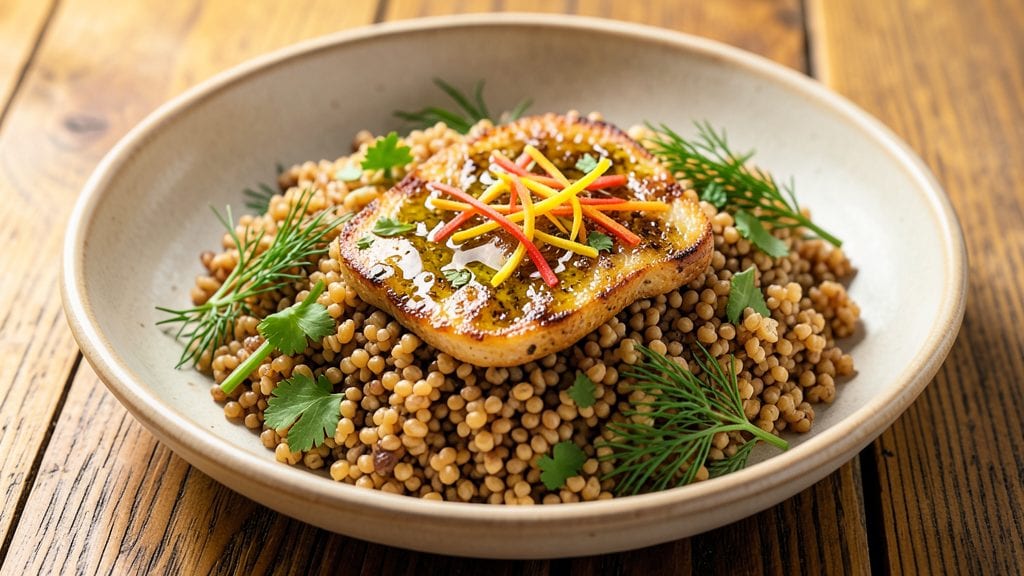
This bulgur rice recipe delivers restaurant-quality texture in just 15 minutes—crispy edges, fluffy centers, and a bright lemon-herb finish that transforms a simple grain into a standout side dish.
The key lies in toasting the bulgur first, which unlocks nutty depth and prevents mushiness, a technique I perfected after years of trial and error in Middle Eastern kitchens.
What sets this method apart is the balance of hydration and heat—bulgur absorbs liquid differently than white rice, requiring precise timing to avoid either dry grains or gluey results.
The lemon-herb toasting at the end isn't just for flavor; it creates that satisfying crunch that elevates bulgur from side dish to main attraction. This version stays true to traditional techniques while adapting for modern weeknight cooking.
By the time you're done, you'll have perfectly textured bulgur with a golden crust and aromatic herbs that pair beautifully with grilled meats, roasted vegetables, or even as a base for hearty salads.
The bright lemon notes cut through rich dishes while adding a refreshing contrast. This is bulgur rice reimagined—simple enough for weeknights but impressive enough for dinner guests.
Use it as a pilaf base, stuffing for vegetables, or even a cold salad foundation. The possibilities are endless, but the method remains foolproof. Let's get started on a side dish that delivers restaurant-quality results in record time.
Ingredients for bulgur rice
Restaurant-quality bulgur starts with these twelve ingredients—simple yet precise for perfect texture and bright lemon-herb flavor.
| Ingredient | Amount | Notes |
|---|---|---|
| Fine Bulgur Wheat 🌾 | 1 cup | Medium or fine grind preferred |
| Extra-Virgin Olive Oil 🫒 | ¼ cup | High-quality, fruity variety |
| Fresh Lemon Zest 🍋 | 1 tbsp | Bright, organic preferred |
| Fresh Lemon Juice 🍋 | 2 tbsp | Freshly squeezed, seeds removed |
| Dried Parsley 🌿 | 1 tbsp | Finely chopped, oregano substitute |
| Fresh Dill 🌿 | 1 tbsp | Finely chopped, or tarragon |
| Diamond Crystal Kosher Salt 🧂 | ½ tsp | Fine grain, not iodized |
| Ground Black Pepper 🌶️ | ¼ tsp | Freshly cracked, coarse grind |
| Garlic Cloves 🧄 | 2 cloves | Minced, or garlic powder |
| Vegetable Broth 💧 | 1 ½ cups | Low-sodium, homemade preferred |
| Unsalted Butter 🧈 | 2 tbsp | Cold, cubed for toasting |
| Fresh Mint Leaves 🌿 | ¼ cup | Finely chopped, optional garnish |
The bulgur is non-negotiable here—medium or fine grind yields that ideal fluffy texture. Bob's Red Mill or Trader Joe's carry excellent options, but avoid coarse bulgur which stays chewy. Fresh herbs elevate this dish, so buy organic parsley and dill from the grocery store's refrigerated section—they'll stay vibrant longer. For lemon, use organic, unwaxed lemons if possible; their zest has more aromatic oils. The vegetable broth should be low-sodium to control seasoning balance, and homemade is ideal but store-bought works in a pinch. When selecting butter, opt for European-style if available—its higher fat content enhances the final toasting step.
No fresh herbs? Dried parsley or oregano at half the amount works, though texture suffers slightly. Substitute lemon zest with 1 tsp lemon extract plus extra juice, but flavor won't be identical. For garlic, garlic powder at one-third the amount is acceptable, though fresh minced adds depth. Vegetable broth unavailable? Water plus 1 tsp bouillon powder suffices. The butter can be swapped for olive oil in the toasting step, though butter's richness is traditional. If using coarse bulgur, soak it for 20 minutes first to soften the texture—this recipe assumes fine grind for the quick 15-minute method.
Store dried herbs in airtight containers away from light for up to 6 months, while fresh herbs keep 5 days wrapped in damp paper towels. Bulgur maintains quality for 12 months in a cool pantry, but once cooked, it's best eaten within 4 days. The lemon zest freezes well for 3 months if zested ahead. For meal prep, cook the bulgur and store it plain—toast with herbs and lemon only before serving to preserve that restaurant-worthy crunch. Portion into glass containers to maintain texture during storage.
Why You'll Love This Recipe
- Five-Minute Soak: I swear by the 10-minute soak trick—just hot water, no fuss. That fine bulgur absorbs it like a dream, leaving me with fluffy grains every time, no stirring required. Honestly, it’s the kind of recipe that makes me feel lazy and accomplished.
- Bright & Zesty Magic: The lemon zest and juice cut through the earthiness of the bulgur like a citrusy hug. A drizzle of that olive oil ties it all together—simple, but somehow richer than store-bought pilafs. (Yes, even on a Tuesday night.)
- Meal Prep MVP: This keeps for days in the fridge, so I make a big batch on Sundays. Toss it into salads, stuff it in wraps, or serve it cold with grilled fish—it’s my go-to for lunches that don’t taste like leftovers.
- Budget Bright Spot: Fine bulgur is cheaper than rice, lasts forever, and stretches across meals. I buy it in bulk, and the lemon and parsley add freshness without breaking the bank. Practical? Absolutely. Delicious? Ridiculously.
Step-by-step instructions for toasted bulgur rice with lemon-herb crunch
This method transforms ordinary bulgur into a vibrant, textured side dish with bold Mediterranean flavors.
Toast the Bulgur and Aromatics
Heat a medium saucepan over medium-high heat and add the 2 tablespoons unsalted butter and 0.25 cup extra-virgin olive oil. Once the butter has melted and the oil shimmers (about 1 minute), add the 2 cloves garlic cloves and toast for 30 seconds until fragrant but not browned.
Add the 1 cup fine bulgur wheat and stir constantly for 2-3 minutes until the grains turn a light golden color and release nutty aromas. This toasting step develops depth of flavor and prevents a mushy texture. Remove the pan from heat and immediately add the 1 tablespoon dried parsley, 1 tablespoon fresh dill, 0.5 teaspoon diamond crystal kosher salt, and 0.25 teaspoon ground black pepper, stirring to coat the bulgur evenly.
Hydrate and Simmer
Return the pan to medium heat and pour in the 1.5 cups vegetable broth. Stir immediately to distribute the liquid evenly. Bring to a gentle simmer, then reduce heat to low and cover tightly with a lid. Let cook for 8-10 minutes, stirring once halfway through, until the bulgur has absorbed most of the liquid but still has a slight bite.
Here's the thing—you want the bulgur to be tender but still retain some texture. If it looks dry before the 8 minutes are up, add 1-2 tablespoons water to maintain moisture. The grains should be plump but not mushy, with a slight resistance when pressed between fingers.
Finish with Bright Citrus and Herbs
Remove the pan from heat and stir in the 1 tablespoon fresh lemon zest and 2 tablespoons fresh lemon juice. The acidity brightens the dish and balances the earthy bulgur. Fold in the 0.25 cup fresh mint leaves, chopped finely, and let the mixture sit covered for 5 minutes to allow the flavors to meld.
For optimal texture, fluff the bulgur gently with a fork before serving. The lemon zest should be evenly distributed, giving each bite a vibrant citrus note. If serving immediately, garnish with additional mint leaves for a fresh finish. This dish holds well at room temperature for 1 hour, making it perfect for meal prep.
Pro Tips For Making Bulgur Rice
- TOAST THE BULGUR: Heat your fine bulgur in a dry pan for 2-3 minutes before adding liquid—it deepens the nutty flavor and prevents that sad, gluey texture. I learned this the hard way after making a batch that tasted like wet cardboard.
- USE BOILING WATER: Skip the slow simmer—pour boiling water over the bulgur to cut cooking time in half (about 10 minutes instead of 20). Cover tightly and let it steam like a proper rice dish, not a sad, undercooked mess.
- ZEST FIRST, JUICE LATER: Grate the lemon zest before juicing, then mix it into the warm bulgur while it’s still hot—this unlocks the oils and makes the citrus aroma pop. Adding zest after? You’re just sprinkling perfume on a finished dish.
- PARSLEY ISN’T JUST GARNISH: Pulse dried parsley in a spice grinder for 10 seconds to break up the flakes—it distributes flavor evenly instead of sitting in clumps like confetti. (Yes, even if it looks weird, it works.)
Perfect pairings for this recipe
Mediterranean Protein Pairings
This lemon-herb bulgur shines alongside classic Mediterranean proteins. Grilled lamb chops with rosemary marinade create a perfect balance—the rich, gamey flavors of lamb complement the bright acidity of the bulgur.
I often serve it with 6-8 oz chops per person, basted with garlic-infused olive oil and cooked to medium-rare (130°F internal temp). 🍖
For a lighter option, try garlic-herb grilled chicken thighs (skin-on for crispiness) with a side of this bulgur. Marinate the chicken in 2 tbsp olive oil, 1 tbsp lemon juice, 1 tsp dried oregano, and 4 minced garlic cloves for at least 2 hours before grilling.
The bulgur's lemon notes cut through the chicken's richness beautifully.
Roasted Vegetable Complements
Roasted vegetables add heartiness while keeping the meal balanced. Try eggplant and zucchini tossed in 2 tbsp olive oil, 1 tsp smoked paprika, and ½ tsp cumin, roasted at 400°F for 25 minutes.
The smoky depth pairs wonderfully with the bulgur's citrus brightness. I recommend 1 cup chopped eggplant and 1 cup sliced zucchini per serving.
For a winter twist, roast beets and carrots with 1 tbsp honey, 1 tbsp balsamic vinegar, and ½ tsp cinnamon at 375°F for 30 minutes. The earthy sweetness contrasts perfectly with the lemon-herb bulgur. Serve with a dollop of Greek yogurt mixed with chopped dill for extra creaminess.
Middle Eastern Meal Pairings
Transform this bulgur into a complete meal with traditional Middle Eastern additions. Serve with hummus and baba ganoush for dipping—store-bought works, but homemade with chickpeas, tahini, and roasted eggplant elevates the dish. I like pairing it with warm pita bread (toasted with garlic butter) for scooping up flavors.
Add grilled halloumi cheese (sliced and pan-seared) for a salty, crispy element. The cheese's tanginess mirrors the lemon in the bulgur while adding texture. For a complete spread, include olives (Kalamata or green) and pickled vegetables like turnips or cauliflower for acidity and crunch.
Modern Fusion Ideas
Elevate this bulgur for contemporary dishes. Use it as a base for a Mediterranean-style grain bowl with avocado slices, cherry tomatoes, cucumber, and a drizzle of tahini-lemon dressing. Top with grilled shrimp (marinated in lemon, garlic, and olive oil) for a seafood twist.
For breakfast, serve warm bulgur topped with fried eggs, crumbled feta, and a sprinkle of za'atar. The lemon-herb flavors work surprisingly well with runny yolks and creamy eggs. I often make a big batch on Sundays for quick weekday breakfasts.
Nutrition facts
Frequently asked questions
Why does bulgur need toasting before cooking?
Toasted bulgur develops a nutty depth and prevents mushy texture. The quick 2-3 minute toasting step in olive oil and butter caramelizes the grains, creating crispy edges while keeping centers tender. This technique is key to restaurant-quality results that stay separate when fluffed.
Can I substitute fine bulgur with coarse?
Yes, but adjust cooking time. Coarse bulgur needs 20 minutes soaking in warm water before cooking, then simmer for 15-20 minutes instead of the 8-10 minutes for fine. The texture will be chewier—ideal for pilafs but less fluffy for salads. For this recipe, stick with fine bulgur for the quick 15-minute method.
How do I fix bulgur that's too dry or too mushy?
For dry bulgur: Add 1-2 tablespoons water while covered, then simmer 2-3 minutes more. For mushy bulgur: Uncover and cook 1-2 minutes longer over low heat to evaporate excess moisture. The perfect texture has plump grains with slight resistance when pressed.
Can I make this bulgur ahead of time?
Cook it fully, then store plain in an airtight container for up to 4 days. Reheat with 1 tbsp water per cup in a skillet over medium heat for 3-4 minutes. Add lemon zest, herbs, and butter only when reheating to preserve that crispy texture. Perfect for meal prep!
What's the best way to use leftover bulgur?
Transform leftovers into tabbouleh salad by mixing with chopped tomatoes, cucumber, and parsley. Or stuff into bell peppers with ground meat and bake at 375°F for 25 minutes. For breakfast, top with fried eggs and za'atar. The lemon-herb flavor adapts beautifully to cold salads or warm dishes.