
Main Courses
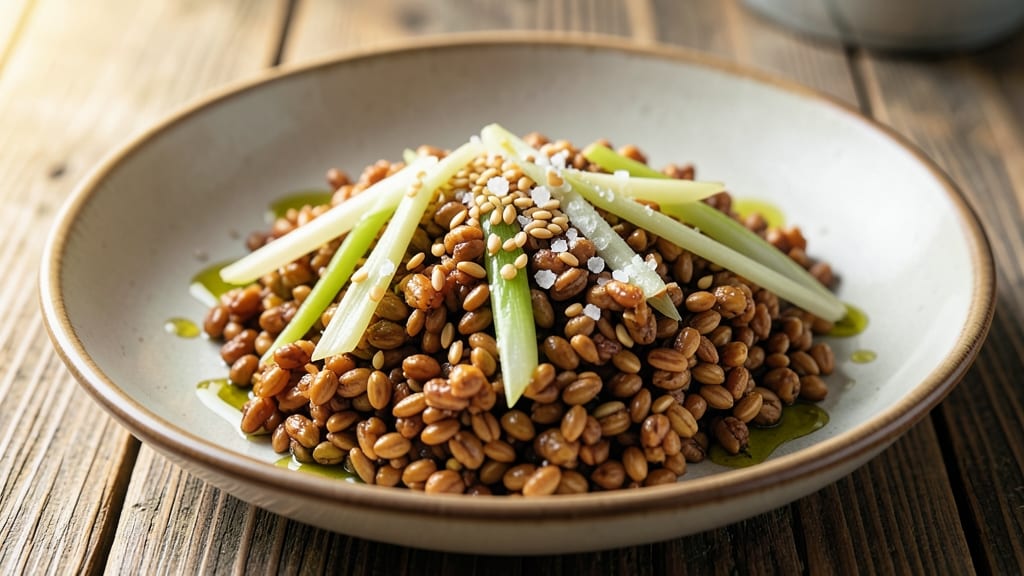
This buckwheat rice recipe transforms simple grains into a nutty, earthy base that steals the show in bowls, salads, or pilafs. The secret lies in toasting the grains first—this unlocks deeper flavor and that signature toasty crunch that sets it apart from white or brown rice.
I’ve perfected this method to deliver a dish that’s both hearty and versatile, perfect for plant-based meals or gluten-free diets.
The process starts with a quick dry toast in a hot pan, which enhances the buckwheat’s natural nuttiness before simmering in broth or water. Unlike regular rice, buckwheat holds its shape beautifully, making it ideal for grain bowls, stir-fries, or even as a side dish with roasted vegetables.
The texture is firm yet tender, with a satisfying bite that pairs perfectly with crispy tofu or fresh herbs.
What makes this recipe stand out is its adaptability—use it as a base for Buddha bowls, mix it into salads, or serve it as a standalone pilaf with toasted celery and herbs. The nutty flavor profile balances well with tangy dressings, smoky spices, or even a sprinkle of sesame seeds.
It’s a game-changer for anyone looking to elevate their plant-based meals with a gluten-free, high-protein grain.
Ready in just 30 minutes, this dish delivers restaurant-quality results with minimal effort. Whether you’re meal prepping for the week or whipping up a quick dinner, buckwheat rice is the nutritious, flavorful centerpiece your table deserves.
Ingredients for buckwheat rice
Toasted buckwheat grains and aromatic vegetables create a nutty, earthy foundation perfect for plant-based meals.
| Ingredient | Amount | Notes |
|---|---|---|
| Buckwheat Groats 🌾 | 1 cup | Unprocessed, not pre-rinsed |
| Vegetable Broth 💧 | 2 ½ cups | Low-sodium preferred |
| Celery Stalks 🧅 | 2 whole | Thinly sliced, organic preferred |
| Extra-Virgin Olive Oil 🫒 | 2 tbsp | High-quality, fruity |
| Sesame Seeds 🌰 | 1 tbsp | Toasted for aroma |
| Kosher Salt 🧂 | 1 tsp | Diamond Crystal preferred |
| Black Peppercorns 🌶️ | ½ tsp | Freshly cracked |
| Fresh Parsley 🌿 | ¼ cup | Chopped, stems removed |
| Lemon Zest 🍋 | 1 tsp | From organic lemon |
| Garlic Cloves 🧄 | 2 cloves | Minced, fresh preferred |
| Smoked Paprika 🌶️ | ½ tsp | For subtle smokiness |
| Fresh Ginger 🌿 | 1 tbsp | Finely grated, peeled |
The buckwheat groats are the star—unprocessed and whole for maximum texture and flavor. Bob's Red Mill or Anthony's Goods brands are excellent choices, available at most health food stores or the bulk section of grocery chains. Organic celery adds a crisp contrast, so look for stalks with vibrant green leaves—Earthbound Farm or local farmers' markets deliver the freshest quality. Toasting the grains in olive oil before adding liquid is non-negotiable; this step unlocks the nutty depth that sets buckwheat apart from other grains. For the broth, Imagine or Pacific Foods brands offer excellent low-sodium options that won't overpower the dish.
No vegetable broth? Water with a bouillon cube works in a pinch, though the flavor will be milder. Substitute sesame seeds with toasted pumpkin seeds at double the amount for a different texture. Fresh ginger can be swapped for ground ginger at half the quantity, but the flavor won't be as vibrant. If you're short on time, pre-toasted buckwheat from the bulk section eliminates the first step—just ensure it's labeled 'unprocessed.' The smoked paprika adds depth; if unavailable, regular paprika plus a pinch of liquid smoke mimics the effect. For the celery, frozen chopped celery (thawed) can be used, though it lacks the crispness of fresh.
Buckwheat grains keep their texture best when stored in an airtight container in a cool, dark place for up to 6 months. Once cooked, the dish reheats beautifully—simply add a splash of water and warm through. For meal prep, portion into glass containers with parchment paper between layers to maintain crispness. The toasted celery and sesame seeds can be stored separately for up to 1 week in the fridge, adding fresh crunch when ready to serve. Freeze cooked buckwheat in 1-cup portions for up to 3 months—just thaw overnight in the fridge before reheating.
Why You'll Love This Recipe
- Five-Ingredient Magic: I swear, this dish proves you don’t need a pantry full of exotic stuff to make something special. Toss in buckwheat groats, a splash of vegetable broth, and a handful of celery—that’s it for the base. Honestly, the simplicity makes it feel like cheating, but the result? Far from it.
- Earthy Nutty Crunch: That first bite of toasted buckwheat with sesame seeds? It’s like a little flavor explosion in your mouth. The celery adds this bright, fresh crunch that cuts through the richness of the olive oil, and the broth soaks in just enough to make every grain tender but still satisfying. (Yes, even on a Tuesday night.)
- Meal Prep MVP: Between us, this is my go-to for lunches all week. Cook a big batch on Sunday, and you’ve got a protein-friendly side for salads, stir-fries, or even a quick bowl with roasted veggies. It reheats like a dream—no mushy texture, no sad leftovers. My daughter picks out the crispest bits first, but still asks for seconds.
- Budget Bright Spot: Buckwheat groats are cheaper than rice, last forever in your pantry, and turn a few dollars’ worth of veggies into something hearty. No fancy ingredients, no waste—just solid, reliable flavor that doesn’t break the bank. I’ll be real: it’s the kind of dish that makes me feel like I’m feeding my family well without stressing over the grocery bill.
Step-by-step instructions for nutty buckwheat grains with toasted celery
Transform simple buckwheat groats into a sophisticated, aromatic dish with crispy celery and fragrant spices.
Toast the Buckwheat Groats for Enhanced Flavor
Heat the 2 tablespoons extra-virgin olive oil in a medium saucepan over medium-high heat. Add the 1 cup buckwheat groats and toast them for 3-4 minutes, stirring constantly with a wooden spoon. The groats will begin to sizzle and develop a nutty aroma—this step deepens their natural earthy flavor and prevents a raw taste in the finished dish.
Watch closely as the groats turn a deeper golden color. Once they're fragrant and slightly crisp around the edges, remove the pan from heat. This quick toasting is essential—it's what transforms basic buckwheat into something truly special. If you skip this step, you'll miss out on the complex nutty notes that make this dish stand out.
Sauté Aromatics and Prepare the Celery Crunch
In the same saucepan (no need to wipe it clean—the toasted buckwheat bits add flavor), add the 2 cloves minced garlic and 1 tablespoon finely grated fresh ginger. Sauté for 30 seconds until fragrant—you should smell the garlic's sharpness mellowing and the ginger's warm, spicy notes emerging.
Push the aromatics to one side of the pan and add the 2 whole thinly sliced celery stalks. Cook for 4-5 minutes until they soften slightly but maintain their vibrant green color and crisp texture. This partial cooking ensures they'll still provide crunch when added back later. Remove the celery with a slotted spoon and set aside on a plate.
Build the Flavor Base with Spices and Broth
Return the pan to medium heat and add the 2.5 cups vegetable broth, 1 teaspoon kosher salt, 0.5 teaspoon freshly cracked black peppercorns, 0.5 teaspoon smoked paprika, and 1 teaspoon lemon zest. Bring to a gentle simmer, stirring to combine all ingredients. The lemon zest will infuse the broth with bright citrus notes while the smoked paprika adds subtle depth.
Once simmering, carefully return the toasted buckwheat groats to the pan. Stir gently to coat them evenly with the seasoned broth. The groats will begin to absorb the liquid immediately—this is normal. Let the mixture simmer uncovered for 15 minutes, stirring occasionally. You'll notice the groats plumping up and becoming translucent at the edges, indicating they're properly hydrating.
Finish with Toasted Sesame and Fresh Parsley
After 15 minutes, check the texture of the buckwheat. It should be tender but still have a slight bite—buckwheat should never be mushy. If it's still firm, continue cooking for another 5 minutes. Once tender, remove from heat and stir in the 1 tablespoon toasted sesame seeds and 0.25 cup chopped fresh parsley. The sesame adds a nutty crunch while the parsley brightens the dish with freshness.
Return the reserved celery slices to the pan and toss gently to warm through. The celery should maintain its crisp texture while absorbing the remaining flavors. Let the mixture sit covered for 5 minutes to allow all the flavors to meld together. The final dish should have a perfect balance of nutty buckwheat, crisp celery, and aromatic spices.
Pro Tips For Making Buckwheat Rice
- Rinse the Groats: Toss buckwheat in a fine-mesh strainer and swirl under cold water for 30 seconds—this cuts down on bitterness and prevents a gummy texture. I used to skip this, and my rice always tasted like it needed more broth.
- Sauté Celery First: Pulse celery into thin matchsticks (no need to dice) and cook in olive oil for 3-4 minutes until soft but not browned—this builds flavor without overpowering the buckwheat’s earthiness. Sounds simple, but I’ve ruined batches by rushing this step.
- Simmer, Don’t Boil: Once broth is added, keep the heat at a low simmer (tiny bubbles, not rolling) for 20-25 minutes. Boiling turns buckwheat into mush. I learned this after a disastrous pot of gluey rice that made me question my life choices.
- Toast the Sesame: Dry-toast sesame seeds in a separate pan for 30 seconds until golden—this adds depth instead of just sprinkling raw seeds. It’s a 30-second upgrade that makes the dish feel restaurant-worthy.
Pro cooking tips for buckwheat rice
Toast Like a Pro
Toast your buckwheat groats in extra-virgin olive oil over medium-high heat for exactly 3-4 minutes—this is where the magic happens. Use a wooden spoon to stir constantly and prevent burning.
The groats should turn a rich golden color and smell deeply nutty. I like to work in batches if needed, but never rush this step—it’s the foundation of flavor. 🔥
Celery Crunch Secret
Partially cook your celery for just 4-5 minutes—this keeps it crisp while adding subtle sweetness. Remove it with a slotted spoon and set aside, then return it at the very end.
The contrast between tender buckwheat and crisp celery is what makes this dish special. Pro tip: Use organic celery from Earthbound Farm for the freshest flavor. 🧅
Broth Temperature Matters
Bring your vegetable broth to a gentle simmer (small bubbles, not a rolling boil) before adding the buckwheat. A vigorous boil can cause the grains to split or become mushy.
I like to use Imagine brand broth for its clean, balanced flavor. Once simmering, stir occasionally to distribute heat evenly. 💧
Smoked Paprika Boost
The 0.5 teaspoon smoked paprika adds depth without overpowering. For extra richness, toast it in the dry pan for 30 seconds before adding to the broth.
This enhances its smoky aroma and makes it more potent. If you don’t have smoked paprika, a pinch of liquid smoke works in a pinch. 🌶️
Rest for Perfect Texture
After cooking, let the buckwheat rest covered for 5 minutes. This allows the grains to absorb any remaining liquid and develop a uniform texture. Skipping this step can leave your dish unevenly cooked. The resting time also lets the flavors meld beautifully. ✨
Sesame Seed Timing
Add the toasted sesame seeds and chopped parsley only at the very end—this preserves their freshness and crunch. Toast the sesame seeds in a dry pan for 1-2 minutes until fragrant before adding. Fresh parsley should be chopped just before serving to maintain its vibrant color and flavor. 🌰
Nutrition facts
Frequently asked questions
Is buckwheat rice gluten-free?
Yes, buckwheat rice is naturally gluten-free despite its name—it's not related to wheat. The groats are a complete protein and work beautifully in gluten-free diets. Always check labels for cross-contamination warnings if you have celiac disease or severe gluten sensitivity.
Can I substitute water for vegetable broth?
You can, but your dish will be less flavorful. For best results, use vegetable broth or add 1 teaspoon bouillon powder and 1 teaspoon soy sauce to 2.5 cups water to mimic the depth. The broth's umami base enhances the buckwheat's natural nuttiness.
How do I make this recipe without celery?
Swap celery for thinly sliced fennel or shredded carrots for sweetness, or use toasted almonds for crunch. If you prefer no crunch, add extra sesame seeds (1.5 tbsp) and fresh herbs (1 tbsp chopped dill or mint) instead. The key is maintaining texture contrast.
Will buckwheat rice work in a rice cooker?
Use the same ratio (1 cup buckwheat to 2.5 cups liquid) and toast the grains in a separate pan first. Add everything to the rice cooker, cook on high for 20 minutes, then let it rest for 5 minutes before fluffing. The rice cooker maintains even heat, preventing burning.
How can I make this dish more protein-rich?
Add 1 cup cooked lentils or ½ cup crumbled tofu during the final 5-minute rest period. For extra protein, stir in 1 tbsp nutritional yeast after cooking. These additions boost protein while keeping the dish vegan and gluten-free.