
Main Courses
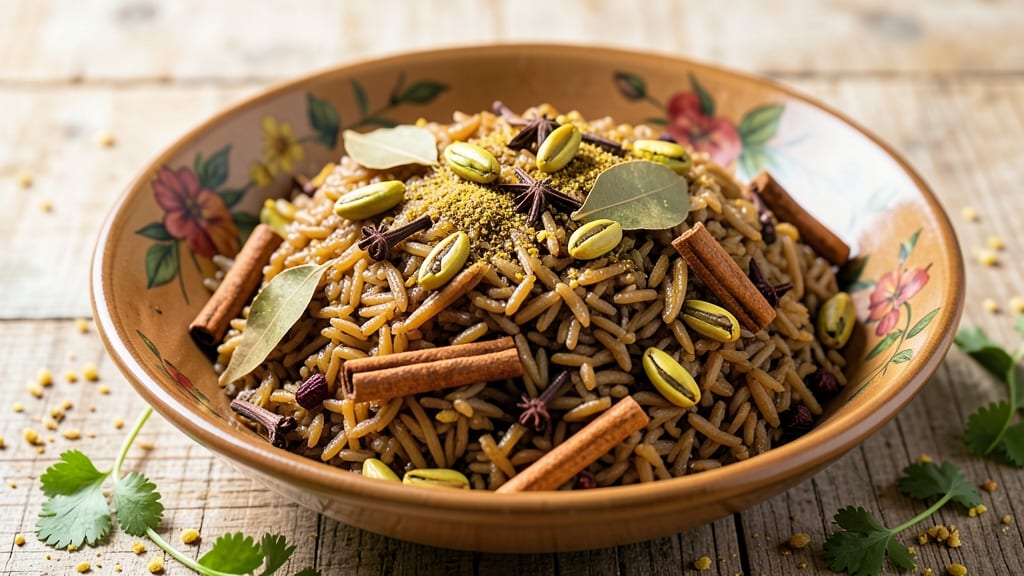
This brown rice Pakistani recipe transforms simple basmati into a fragrant, spiced side that steals the show at any meal. 🌟 The secret lies in whole spices like cardamom and garam masala, which infuse the rice with warm, aromatic depth during the cooking process—far beyond what store-bought versions can match.
What makes this dish truly special is the traditional Pakistani technique of parboiling the rice before simmering it in flavorful broth. This method ensures perfectly tender grains with every bite infused with those signature spices, creating a dish that's both comforting and sophisticated.
Ready in under 45 minutes, it's the perfect foundation for curries, kebabs, or even enjoyed on its own.
Ingredients for brown rice pakistani
Authentic Pakistani spices transform simple brown rice into aromatic, fragrant perfection—rich with cardamom and garam masala.
| Ingredient | Amount | Notes |
|---|---|---|
| Whole Basmati Brown Rice 🌾 | 1 ½ cups | Unsoaked for traditional texture |
| Whole Green Cardamom Pods 🌿 | 6 whole | Lightly crushed for aroma |
| Garam Masala Powder 🌶️ | 1 ½ tbsp | Authentic blend preferred |
| Bay Leaves 🌿 | 2 whole | Dried leaves for depth |
| Cinnamon Sticks 🌿 | 2 whole | 1-inch pieces for infusion |
| Cloves 🌿 | 4 whole | Whole cloves for subtle heat |
| Vegetable Oil 🫒 | ¼ cup | High smoke point preferred |
| Water 💧 | 3 cups | Filtered for best flavor |
| Salt 🧂 | ¾ tsp | Diamond Crystal preferred |
| Fresh Cilantro 🌿 | ¼ cup | Chopped for garnish |
| Lemon Wedges 🍋 | 2 whole | For serving |
| Ghee or Butter 🧈 | 1 tbsp | For finishing touch |
The spices are non-negotiable here. Whole cardamom pods and authentic garam masala from an Indian grocery store (like Patel Brothers or Apna Bazaar) make all the difference—pre-mixed blends lack the depth. Look for pods that are plump and vibrant green, not dried out. The bay leaves and cinnamon sticks should be whole and aromatic; if they smell musty, skip them. For the rice, unsoaked basmati maintains its texture better than pre-soaked varieties, which is key for this traditional method. Whole grains are essential—they hold up to the long simmering process without turning mushy.
No whole cardamom? Ground cardamom at half the amount works in a pinch, but you'll lose that signature floral aroma. Substituting garam masala with curry powder is a common mistake—it lacks the warm, earthy notes of the authentic blend. For the oil, vegetable or canola oil works, but ghee or clarified butter adds a luxurious richness that pairs beautifully with the spices. If you're short on time, pre-toasted spices (lightly dry-toasted in a pan for 30 seconds) intensify the flavors without adding extra steps. The cilantro should be fresh—dried loses its bright, citrusy punch entirely.
This rice keeps beautifully for 4-5 days in an airtight container in the fridge, though it reheats best when stored with a drizzle of water or ghee to prevent drying. For longer storage, freeze portions in single-serving containers for up to 3 months. When reheating, a splash of water or broth revives the texture perfectly. The lemon wedges should be added just before serving—their acidity brightens the dish. For an extra touch, finish with a pat of ghee or butter and a sprinkle of garam masala right before eating, as the heat releases the spices' full aroma.
Why You'll Love This Recipe
- One-Pot Magic: I swear by this—just toss the rice, whole spices, and a splash of water in a pot, let it simmer. No measuring cups, no straining, no fuss. The cardamom and cinnamon infuse the rice as it cooks, so you’re left with fragrant, golden grains that taste like they’ve been slow-cooked for hours.
- Warm Spice Bomb: That first bite? Earthy, nutty brown rice with layers of garam masala and cardamom—it’s like a hug in grain form. Honestly, I’ve tried store-bought versions, but nothing beats the depth of flavor when you toast the whole spices first. The bay leaves add this subtle, smoky backbone that makes it ridiculously good.
- Weeknight Workhorse: This rice is my go-to for lazy dinners—pair it with curry, roasted veggies, or even a simple dal. It’s hearty enough to be the star or humble enough to play backup. Between us, I’ve served it at potlucks, packed it for lunches, and even reheated it cold from the fridge—it’s that reliable.
- Budget Bulk Builder: A single batch stretches for days—feed a family of four for three meals or meal prep for the week. Brown rice is cheaper than white, and the spices last forever, so you’re not breaking the bank. Plus, the longer it sits, the more those flavors meld together—like a slow dance of taste.
Step-by-step instructions for fragrant basmati with cardamom and garam masala
This traditional Pakistani method transforms simple brown rice into an aromatic, nutty dish with layers of spice.
🍳 Step 1: Toast the Whole Spices in Oil
Heat the 0.25 cup vegetable oil in a medium pot over medium heat until shimmering but not smoking. Add the 2 whole bay leaves, 2 whole cinnamon sticks, and 4 whole cloves. Toast for 30 seconds until the oil becomes fragrant and the spices release their aroma—you'll notice a warm, earthy scent filling your kitchen.
Here's where it gets important: don't let the spices burn. They should darken slightly but never turn brown. If they start to smoke, reduce the heat immediately. The goal is to awaken their flavors without bitterness. After toasting, add the 6 whole green cardamom pods (lightly crushed between your palms) and cook for another 10 seconds until the oil smells like a spice market in Lahore.
🍳 Step 2: Add Rice and Garam Masala
Pour in the 1.5 cups whole basmati brown rice, stirring gently to coat each grain with the aromatic oil. Cook for 1 minute on medium heat, stirring constantly, until the rice grains become translucent at the edges and the oil separates slightly. This step ensures each grain absorbs the spice infusion before cooking.
Now add the 1.5 tbsp garam masala powder and stir for 30 seconds until the powder dissolves completely into the oil. The mixture should look like a golden, speckled rice blend. This is the foundation of the dish's complex flavor profile—don't skip this step. If you notice any dry spots, stir in a teaspoon of water to help distribute the spices evenly.
🍳 Step 3: Cook with Water and Salt
Pour in the 3 cups water and 0.75 tsp salt, stirring once to distribute. Bring to a gentle boil over medium-high heat, then immediately reduce to low heat. Here's the critical part: cover the pot with a tight-fitting lid and let it cook undisturbed for 30 minutes. The rice needs time to absorb the water and develop its nutty flavor without sticking.
After 30 minutes, check the rice. It should be tender but still slightly firm—you want to maintain some bite. If the rice isn't fully cooked, cover and cook for another 5-10 minutes on low heat. Avoid peeking or stirring, as this disrupts the even cooking process. The rice should be tender but still hold its shape, with a slight chewiness that's characteristic of properly cooked brown rice.
🔪 Step 4: Finish with Ghee and Garnish
Once the rice is tender, remove the pot from heat and let it sit covered for 5 minutes. This resting period allows the steam to redistribute and the flavors to meld. After resting, stir in the 1 tbsp ghee or butter until melted and evenly distributed. The ghee adds a rich, nutty finish that balances the earthy spices.
Finally, fluff the rice gently with a fork and transfer to a serving dish. Garnish with the 0.25 cup chopped fresh cilantro and serve with the 2 lemon wedges on the side. The lemon brightens the dish and cuts through the richness of the spices. Each bite should deliver a perfect balance of nutty rice, warm spices, and fresh herbs—this is authentic Pakistani home cooking at its finest.
Pro Tips For Making Brown Rice Pakistani
- SOAK THE RICE LONGER: I learned this the hard way—skipping the extra soak makes brown basmati chewy instead of fluffy. Soak for at least 4 hours (or overnight if you can), then drain thoroughly. The longer it soaks, the more even your texture will be, and that nutty aroma stays intact.
- CRUSH WHOLE SPICES FIRST: Whole cardamom pods and cinnamon sticks won’t release their flavor if left intact. Lightly crush them with the side of your knife or a mortar before adding to the pot—just enough to break the outer shell. Bay leaves can stay whole, but this makes the garam masala work harder.
- DON’T SKIP THE SIMMER: After boiling, reduce to a gentle simmer (not a rolling boil) and cover with a tight lid. I used to walk away too soon, but letting it steam for 10-15 minutes off heat after cooking ensures the rice absorbs all that aromatic liquid. Your future self will notice the difference.
- USE LESS WATER—REALLY: Brown rice needs 1.5 cups water per 1 cup rice (not the 2:1 ratio for white). Too much water = mushy rice. After draining the soaked rice, give it a quick rinse to remove excess starch, then cook in the pot with just the spices and water. Trust the math—it’s non-negotiable.
Regional styles of this brown rice pakistani
Punjabi Biryani Style
In Punjab, brown rice is often cooked as part of a biryani—a layered dish with meat or vegetables. For a Punjabi-inspired version, add 1 cup diced chicken thighs or 2 cups mixed vegetables (like potatoes and carrots) to the rice during Step 3.
After cooking, layer the rice with fried onions, saffron-infused milk, and a sprinkle of fried raisins for a festive touch. Serve with mint chutney for that true Punjabi experience. 🌟
Karachi Street Food
Karachi’s street food culture transforms brown rice into a quick, flavorful side called chaat-style rice. After cooking the rice, mix in 1 tbsp tamarind chutney and 1 tbsp chaat masala (available at Indian grocery stores).
Top with sev (crispy noodles), chopped onions, and a squeeze of lemon. This version is perfect for kebabs or grilled meats—it’s a crowd-pleaser at street food stalls! 🌶️
Hyderabadi Dum Style
For a slow-cooked, aromatic twist, try the Hyderabadi dum method. After adding water and salt in Step 3, seal the pot with aluminum foil (instead of a lid) and place it in a preheated oven at 325°F for 45 minutes.
This creates a steamed, tender rice with a fragrant aroma. Finish with fried onions and a sprinkle of kewra water (screw pine essence) for an authentic touch. 💫
Sindhi Spiced Rice
Sindh province’s version is all about bold, earthy flavors. After toasting the spices, add 1 tsp ajwain (carom seeds) and ½ tsp black peppercorns to the oil. Cook the rice with 1 tsp turmeric and finish with a drizzle of lemon juice and fresh coriander.
This rice pairs beautifully with Sindhi curries like sarson ka saag or dal fry. ✨
Modern Fusion Twist
For a contemporary take, swap garam masala for smoked paprika and cumin, then stir in ½ cup coconut milk at the end. Garnish with toasted coconut flakes and lime zest for a fusion of Pakistani and Southeast Asian flavors.
This version works as a vegan side dish or a base for curry bowls. 🌱
Nutrition facts
Frequently asked questions
Why does Pakistani brown rice need whole spices instead of ground?
Whole spices like cardamom and cinnamon release their aromatic oils gradually during cooking, creating layers of flavor that ground spices can't match. The slow infusion ensures every grain absorbs the warm, earthy notes authentically—something pre-ground blends miss entirely. Plus, toasting whole spices awakens their hidden potential!
Can I use white basmati rice instead of brown?
Technically yes, but you'll lose the nutty depth and chewy texture that makes brown rice special. For a quicker version, use white basmati but reduce cooking time to 20 minutes instead of 30 minutes. The flavor will be lighter, but still delicious—just not the traditional Pakistani experience.
What's the best way to store leftover spiced brown rice?
Transfer to an airtight container and refrigerate for up to 5 days. For longer storage, freeze portions with a drizzle of ghee to prevent drying. Reheat gently with a splash of water or broth—never microwave dry rice, or it'll turn rubbery. The spices actually intensify when reheated!
Is this rice dish vegetarian-friendly?
This recipe is naturally vegetarian, but it pairs beautifully with plant-based proteins like chickpeas or tofu. For extra richness, stir in ½ cup coconut milk at the end. The garam masala and cardamom flavors complement vegan meals perfectly.
Why does my rice turn out mushy?
Overcooking or peeking while cooking are the most common culprits. Always use low heat after boiling, and resist the urge to stir—disturbing the rice releases starches that make it gummy. If it's already mushy, try spreading it on a baking sheet and baking at 300°F for 10 minutes to dry it out slightly.