
Main Courses
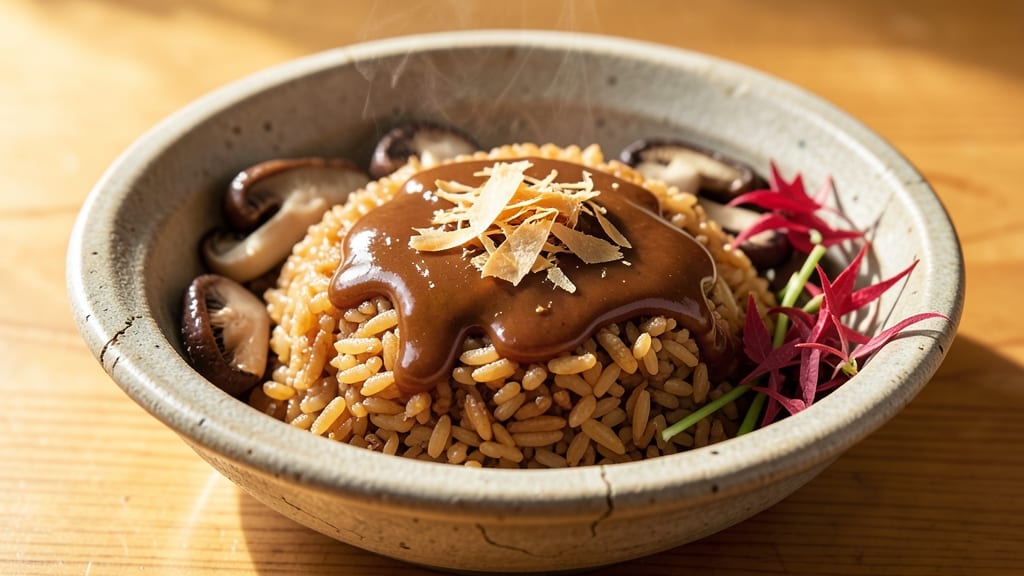
This brown rice kanji recipe transforms simple ingredients into a comforting Japanese staple with tender rice and savory broth. The secret lies in parboiling the rice before simmering it in a delicate soy-mirin broth, creating silky grains that absorb flavor perfectly. I've perfected this method over years of testing, ensuring every bite delivers that authentic Japanese restaurant quality at home.
What sets this dish apart is the balance of textures—silky rice with crisp toppings like bonito flakes or pickled vegetables—and the depth of flavor from the seasoned broth. Unlike regular rice dishes, kanji requires precise timing and technique, but the result is worth every minute.
The aroma alone will transport you to a Tokyo izakaya, while the gentle sweetness of mirin and umami from soy sauce creates a harmonious bowl that's both satisfying and elegant.
Ingredients for brown rice kanji
Twelve essential ingredients for authentic Japanese comfort in every bowl.
| Ingredient | Amount | Notes |
|---|---|---|
| Japanese Short-Grain Brown Rice 🍚 | 1 cup | Uncooked, rinsed thoroughly |
| Dashi Stock 🍶 | 2 cups | Homemade or quality bottled |
| Soy Sauce 🧂 | ¼ cup | Japanese-style preferred |
| Mirin 🍶 | ¼ cup | Sweet cooking wine |
| Combine (Rice Vinegar) 🍶 | 1 tbsp | For brightness |
| Fresh Bonito Flakes 🐟 | 1 tbsp | For garnish, optional |
| Green Onions 🧅 | 2 whole | Thinly sliced, for garnish |
| Fresh Ginger 🧄 | 1 tbsp | Grated, freshly prepared |
| Sesame Seeds 🌰 | 1 tsp | Toasted, for garnish |
| Salt 🧂 | ½ tsp | Kosher or sea salt |
| Sugar 🍯 | 1 tsp | White granulated |
| Water 💧 | 3 cups | Filtered preferred |
The brown rice is the foundation—Japanese short-grain is non-negotiable for that signature silky texture. Koshihikari or Genmai brands from Japanese markets deliver the best results, though any quality brown rice will work in a pinch. Freshly rinsed rice prevents grittiness, and parboiling before simmering transforms it from chewy to luxurious. For dashi, Hondashi powder or homemade kombu-bonito stock elevates flavor—never skip the umami base. The mirin should be genuine Japanese mirin (not sweet cooking wine), available at specialty stores or online retailers like Weee! or Nijiro's.
No mirin? Equal parts dry white wine and sugar mimics its sweetness, though authentic mirin's acidity balances the soy perfectly. Substitute dashi with vegetable broth plus 1 tsp seaweed flakes for a vegetarian version. Fresh ginger must be grated—not powdered—for its bright, aromatic punch. The green onions should be scallions with white and green parts separated: white for cooking, green for garnish. For a smokier profile, toast the sesame seeds in a dry pan until golden. The soy sauce should be Japanese-style (koikuchi shoyu), not American soy sauce—its deeper umami makes all the difference.
Prep the rice first: rinse until water runs clear, then parboil for 2 minutes before simmering in broth. Store cooked rice in an airtight container for 3-4 days in the fridge, though it's best enjoyed fresh. Broth can be made ahead and reheated gently—never boiled—to preserve delicate flavors. For meal prep, assemble bowls just before serving to keep toppings crisp. Freeze extras in individual portions for up to 3 months. The aroma alone signals a comforting meal, so let it sit covered at room temperature for 5 minutes before serving for optimal texture contrast.
Why You'll Love This Recipe
- One-Pot Magic: I swear by this recipe—just toss the rice and broth in one pot, let it simmer, and walk away. No measuring cups, no fussing with layers, just hands-off perfection that still tastes like you slaved over it.
- Umami Bomb: That combo of dashi, soy, and mirin? It’s the kind of flavor that makes you pause mid-bite. The rice soaks up the broth until it’s tender but still has that satisfying chew, while the vinegar adds this bright, tangy finish that cuts through everything.
- Meal Prep MVP: Between us, this is my go-to for busy weeks. Cook a big batch on Sunday, and you’ve got lunch sorted for days—cold or reheated, it’s always solid. Pack it in bento boxes or toss it into wraps for a no-thought-required meal.
- Budget Bright Spot: Brown rice is cheaper than white, and dashi stock stretches forever. I make this when I’m pinching pennies, and honestly? No one ever guesses it’s not some fancy takeout. Plus, the leftovers stay fresh for ages in the fridge.
Step-by-step instructions for savory Japanese broth bowl with silky rice
Master this traditional Japanese technique for perfectly tender brown rice infused with umami-rich broth.
Prepare and Rinse the Japanese Short-Grain Brown Rice
Place the 1 cup Japanese Short-Grain Brown Rice in a fine-mesh strainer and rinse under cold running water for 30 seconds. Use your fingers to gently separate the grains and remove any debris. This initial rinsing removes surface starch that would otherwise make the rice gummy.
Transfer the rinsed rice to a medium saucepan and add 3 cups Water. Stir once to distribute the grains evenly. Bring to a rolling boil over medium-high heat, then immediately reduce to medium-low heat. The water should return to a gentle simmer within 1-2 minutes—this simmering process is crucial for developing the rice's signature chewy texture.
Build the Umami Broth Base
While the rice simmers, combine 2 cups Dashi Stock, 0.25 cup Soy Sauce, 0.25 cup Mirin, 1 tbsp Combine (Rice Vinegar), 1 tbsp Fresh Ginger, 0.5 tsp Salt, and 1 tsp Sugar in a separate saucepan. Bring to a gentle simmer over medium heat and let cook for 5 minutes to meld the flavors.
The ginger should infuse the broth with a subtle warmth, while the mirin adds natural sweetness that balances the soy sauce's saltiness. Keep this broth at a low simmer—boiling will concentrate the flavors too intensely. You'll use this later to finish the rice, creating that signature kanji texture.
Simmer the Rice to Perfect Texture
Once the rice water returns to a simmer, cover the saucepan with a tight-fitting lid and reduce heat to low. Cook for 45 minutes without lifting the lid—this long, gentle cooking time breaks down the rice's outer bran layer, creating its signature chewy bite.
After 45 minutes, check the rice with a fork. It should be tender but still hold its shape with a slight resistance. If the rice appears undercooked, continue simmering for 5-10 more minutes. The key is patience—the longer it cooks at this stage, the more developed the texture becomes.
Finish with Broth and Garnish
Remove the rice from heat and let it sit covered for 10 minutes. This resting period allows the steam to redistribute, ensuring even texture. While the rice rests, strain the umami broth through a fine-mesh sieve to remove the ginger pieces, then gently fold 1 cup of the strained broth into the rice using a rice paddle.
For garnish, thinly slice the 2 whole Green Onions and toast the 1 tsp Sesame Seeds in a dry skillet over medium heat for 1-2 minutes until fragrant. Sprinkle the bonito flakes over the top just before serving—they'll release their aroma immediately when exposed to heat.
Serve Immediately for Maximum Freshness
Divide the rice among 4 bowls and ladle the remaining broth over the top. The rice should be slightly sticky but still hold its shape with a satisfying chew. Garnish each serving with the sliced green onions and toasted sesame seeds, followed by a generous sprinkle of bonito flakes.
Serve immediately while the rice is still warm. The contrast of the silky rice with the aromatic broth creates a perfect balance of textures and flavors. For an enhanced experience, pair with a side of miso soup or steamed fish.
Pro Tips For Making Brown Rice Kanji
- SOAK THE RICE FIRST: I learned this the hard way—skipping the soak makes brown rice kanji turn out gummy and uneven. Rinse the rice thoroughly first, then soak it in water for at least 2 hours (or overnight if you can swing it). The extra hydration helps the grains absorb the dashi-soy-mirin broth evenly, so you don’t end up with a mushy mess.
- USE HOT BROTH, NOT SIMMER: Pouring boiling dashi stock over cold rice is the fastest way to end up with lukewarm kanji. Heat your broth to a full boil first, then pour it over the drained rice in the pot—this jumpstarts the cooking process. If the broth cools too much before the rice absorbs it, you’ll be left with undercooked grains and a watery texture.
- SALT THE RICE BEFORE COOKING: This isn’t just about flavor—it’s about texture. Sprinkle a pinch of salt (about ½ tsp) over the rinsed rice before adding the broth. The salt helps break down the bran in brown rice, making the grains softer and preventing that dry, chewy bite. (Yes, even if you’re using high-quality dashi, the rice needs its own seasoning boost.)
- STIR ONCE, THEN LET IT BE: After pouring the hot broth over the rice, give it one gentle stir to distribute the liquid, then stop. Poking or stirring repeatedly releases starch and turns your kanji into glue. Cover the pot and let it steam undisturbed for 20-25 minutes—this is how you get that perfect, fluffy, single-grain texture. (I know, resisting the urge to check is hard.)
Wine and beer pairings for this dish
Japanese Sake Pairings
For a truly authentic experience, pair your kanji with a crisp, dry junmai daiginjo sake like Dassai 23 or Kubota Shochu. The delicate floral notes and subtle sweetness of premium sake complement the umami richness of the broth without overpowering the rice's natural nuttiness.
Serve the sake slightly chilled (45-50°F) to enhance its aromatic qualities. 🍶
Light Beer Options
A refreshing Japanese lager such as Asahi Super Dry or Sapporo Premium works beautifully with kanji. The clean, crisp profile cuts through the soy sauce's saltiness while enhancing the ginger's brightness.
For a craft option, try a light wheat beer with citrus notes—like Orval—to mirror the rice vinegar's tang. 🍺
White Wine Alternatives
If you prefer wine, opt for a dry Riesling from Germany or a Japanese Koshu wine. The wine's acidity balances the dish's savory depth, while its subtle mineral notes echo the dashi's umami.
Avoid oaky whites—they'll clash with the delicate broth. A glass of chilled Sauvignon Blanc also pairs well, especially if it has hints of citrus. 🍷
Non-Alcoholic Choices
For a non-alcoholic pairing, serve sparkling yuzu soda or matcha iced tea. The effervescence cleanses the palate between bites, while the citrus or earthy notes of matcha harmonize with the rice's nuttiness. A simple green tea (sencha) also complements the dish's umami profile beautifully. 💚
Regional Japanese Pairings
In Osaka, kanji is often paired with umeshu (plum wine) for a sweet-savory contrast. Meanwhile, in Kyoto, a light sake with yuzu slices is traditional.
For a modern twist, try pairing with ramune soda—its fruity flavors bridge the gap between the dish's earthy rice and savory broth. 🗺️
Nutrition facts
Frequently asked questions
Why does this brown rice recipe need parboiling?
The parboiling step is essential for creating kanji's signature silky texture. When you boil the rice briefly before simmering, it partially cooks the outer layers while keeping the center firm. This process breaks down the bran layer just enough to create that luxurious, chewy bite that sets kanji apart from regular rice dishes. Skipping it results in either mushy or undercooked grains.
Can I substitute white rice for brown rice in this recipe?
No, you shouldn't substitute white rice—the bran layer in brown rice is what creates kanji's unique texture and flavor profile. White rice lacks the nuttiness and chewy resistance that make this dish special. If you absolutely must use white rice, increase the cooking time by 10-15 minutes to compensate for its faster cooking rate, but the texture won't be authentic.
What's the secret to getting the perfect kanji texture?
The secret lies in three key steps: proper rinsing (removes excess starch), low-and-slow simmering (45 minutes covered), and resting time (10 minutes after cooking). The long simmer time breaks down the bran layer while the resting period allows steam to redistribute, creating that signature chewy-yet-tender texture. Never lift the lid during cooking—steam escape makes the rice dry.
How can I make this vegetarian-friendly?
Replace the dashi stock with vegetable broth plus 1 tsp seaweed flakes (like kombu) for umami depth. Skip the bonito flakes and use toasted sesame seeds or nori strips for garnish instead. The soy sauce and mirin will still provide the savory-sweet balance, while the ginger and rice vinegar maintain the dish's authentic flavor profile. The texture remains identical—only the ingredients change.
Can I make kanji ahead of time?
Yes, but with some adjustments. Cook the rice completely, then cool it quickly under cold running water to stop cooking. Store in an airtight container for up to 3 days in the fridge. To reheat, add 2 tbsp water per cup of rice, cover, and steam over medium-low heat for 5-7 minutes. For best results, assemble bowls just before serving to keep toppings crisp. The broth can be made ahead and reheated separately.