
Main Courses
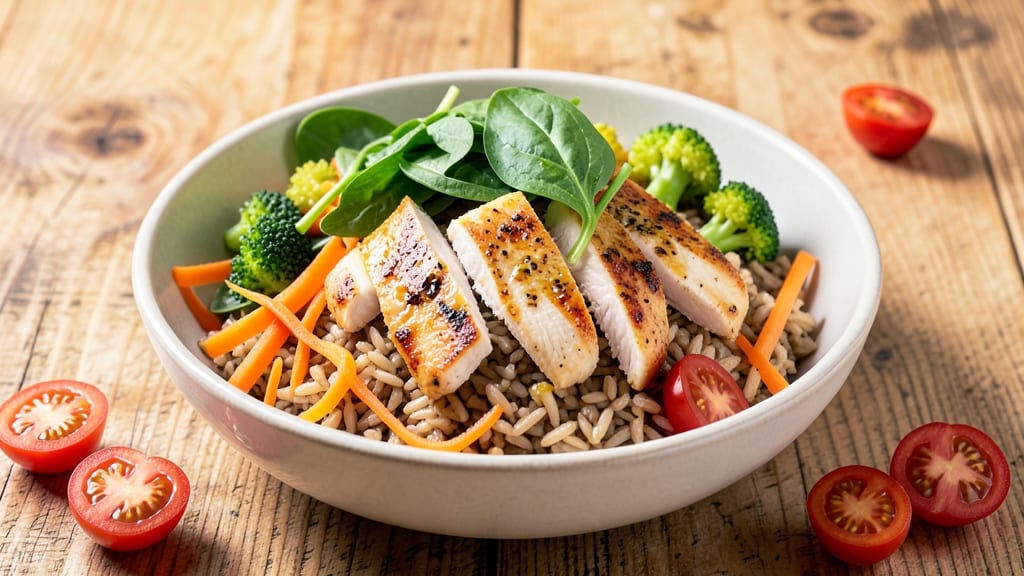
This brown rice for weight loss recipe delivers a nutrient-packed, low-calorie power bowl that keeps you full while supporting your goals. The key lies in balancing fiber-rich brown rice with lean protein and vibrant vegetables—creating a meal that’s both satisfying and smart for portion control.
With just 30 minutes of prep, you’ll transform simple ingredients into a balanced dish that’s perfect for meal prep. The brown rice provides complex carbs for steady energy, while the protein and veggies keep calories in check while maximizing nutrition. Every bite is designed to curb cravings without compromising flavor.
Ingredients for brown rice for weight loss
Fiber-packed brown rice meets lean protein and crisp veggies—simple ingredients for smart weight-loss meals.
| Ingredient | Amount | Notes |
|---|---|---|
| Long-Grain Brown Rice 🍚 | 1 cup | Uncooked, rinsed well |
| Low-Sodium Chicken Breast 🍗 | 1 ½ lb | Boneless, skinless, cut into bite-sized pieces |
| Baby Spinach 🌿 | 4 cups | Fresh, loosely packed |
| Carrots | 2 medium | Shredded or julienned |
| Broccoli Florets 🥦 | 2 cups | Fresh or frozen, chopped |
| Cherry Tomatoes 🍅 | 1 cup | Halved, any color |
| Red Bell Pepper 🌶️ | 1 whole | Diced, any color |
| Extra-Virgin Olive Oil 🫒 | 2 tbsp | For cooking, high quality |
| Low-Sodium Soy Sauce 🥢 | 2 tbsp | Or coconut aminos |
| Lemon Juice 🍋 | 1 tbsp | Freshly squeezed |
| Garlic Cloves 🧄 | 3 cloves | Minced, fresh preferred |
| Ground Black Pepper 🌶️ | ½ tsp | Freshly cracked |
| Diamond Crystal Kosher Salt 🧂 | ½ tsp | For seasoning |
| Frozen Edamame 🌱 | ½ cup | Shelled, for protein boost |
| Sesame Seeds 🥜 | 1 tsp | Toasted, for garnish |
The brown rice is the foundation here, so choose long-grain—it's lower in calories and higher in fiber than short-grain varieties. Bob's Red Mill or Lundberg are solid brands, but any organic brown rice works. Rinse it thoroughly before cooking to remove excess starch, which keeps portions lighter. Chicken breast is your lean protein—look for 93% lean or higher at the grocery store's butcher counter. Baby spinach and broccoli are the fiber stars; frozen works just as well as fresh, saving you time without sacrificing nutrition. The edamame adds plant-based protein without extra calories.
No fresh spinach? Kale or Swiss chard works in a pinch, but chop it finely since it's tougher. Prefer a different protein? Tofu or chickpeas swap in beautifully—just adjust cooking time. Soy sauce too salty? Coconut aminos or low-sodium tamari are great alternatives. The shredded carrots can be swapped for zucchini or bell peppers if you're watching sugar content. For extra flavor without calories, add a splash of rice vinegar to the soy sauce mix. Toast your sesame seeds in a dry pan for 30 seconds—they'll add crunch and depth without extra calories.
Prep ahead to save time: cook the brown rice in bulk and store it in the fridge for up to 5 days. The veggies can be chopped and stored separately for 3 days in airtight containers. Reheat portions in the microwave with a splash of water to keep them tender. This dish reheats beautifully—even better the next day as flavors meld. Portion into containers for grab-and-go lunches. The edamame keeps well frozen, so thaw only what you need for each serving.
Why You'll Love This Recipe
- One-Pot Magic: I swear by this—just toss everything in one pot (rice, chicken, veggies, broth) and walk away. No chopping boards to clean, no extra pans to wash. The rice cooks right in the same liquid as the chicken, so it soaks up all that savory flavor without extra effort.
- Hidden Flavor Bomb: That low-sodium chicken breast might sound boring, but when it’s seared first with a little garlic and ginger? Suddenly it’s packed with depth. The carrots and broccoli add natural sweetness, and the spinach wilts in at the end—like a fresh, unexpected hug in every bite.
- Meal Prep MVP: Between us, this is my go-to for lunch all week. The portions are perfect for containers, and the flavors only get better the next day. Swap the spinach for kale if you’re feeling fancy, or double the rice for a heartier bowl—it’s that adaptable.
- Budget Meal, Big Payoff: Brown rice is cheap, chicken breast stretches far, and frozen veggies work just as well as fresh. I’ve made this for under $2 per serving, and it still feels like a restaurant-quality dish. Plus, leftovers? They’re my secret weapon for lazy days.
Step-by-step instructions for a nutrient-packed, low-calorie power bowl
Here's how to assemble this balanced, protein-rich meal that keeps calories in check while packing in flavor and nutrition.
Cook the Brown Rice to Perfect Texture
Rinse the 1 cup long-grain brown rice thoroughly under cold water until the water runs clear. This removes excess starch that can make the rice gummy. Transfer the rinsed rice to a medium saucepan and add 2 cups water (or follow package instructions for your preferred texture). Bring to a boil over medium-high heat, then reduce to a simmer, cover, and cook for 35-40 minutes until the water is fully absorbed and the rice is tender but still slightly firm.
The reason we don't overcook the rice is to maintain its natural texture—you want it to hold its shape while still being easy to chew. If the rice looks dry before the time is up, add 1-2 tablespoons water, cover, and let it steam for another 5 minutes. Once done, fluff with a fork and let it sit covered for 5 minutes before serving—this resting period ensures even moisture distribution.
Sear the Chicken for Maximum Protein and Flavor
Pat the 1.5 lb low-sodium chicken breast dry with paper towels—this helps create a better sear. Cut the chicken into bite-sized pieces (about 1-inch cubes) for even cooking. Heat 1 tablespoon extra-virgin olive oil in a large skillet over medium-high heat until shimmering. Add the chicken in a single layer and cook undisturbed for 4-5 minutes until the bottoms develop golden-brown crusts.
Flip the chicken and continue cooking for another 3-4 minutes until the internal temperature reaches 165°F and the juices run clear. Remove the chicken from the pan and set it aside on a plate. The residual heat will keep it warm while you finish the vegetables. If the pan looks dry, add 1 tablespoon water and scrape up any browned bits—they're packed with flavor that will enhance your soy-garlic sauce.
Sauté the Vegetables for Maximum Nutrient Retention
In the same skillet (no need to clean it—the fond adds depth), add the remaining 1 tablespoon extra-virgin olive oil and heat over medium heat. Add the 2 medium shredded carrots, 2 cups broccoli florets, and 1 whole diced red bell pepper. Sauté for 5-6 minutes, stirring occasionally, until the vegetables soften but still retain their vibrant color and slight crunch.
Add the 3 minced garlic cloves and cook for 30 seconds until fragrant—this prevents the garlic from burning, which would make the dish bitter. Stir in the 4 cups baby spinach and cook just until wilted (1-2 minutes). Remove the vegetables from the pan and set them aside with the chicken. The high heat is key here—it preserves the vegetables' nutrients while developing their natural sweetness.
Create the Light, Flavorful Sauce
Return the skillet to medium heat and add the 2 tablespoons low-sodium soy sauce and 1 tablespoon lemon juice. Let it simmer for 1-2 minutes until slightly reduced and glossy. The acidity from the lemon juice brightens the dish, while the soy sauce adds umami depth without excessive sodium. If the sauce is too thin, simmer it for another 30 seconds to thicken slightly.
Add the 0.5 tsp diamond crystal kosher salt and 0.5 tsp ground black pepper to the sauce and stir well. Taste and adjust the seasoning—you might want to add a splash more lemon juice or a pinch of salt depending on your preference. This sauce ties all the components together, creating a cohesive flavor profile that keeps the dish exciting without heavy calories.
Assemble and Garnish the Power Bowls
Divide the cooked brown rice evenly among 4 bowls. Top each serving with ¼ of the seared chicken, ¼ of the sautéed vegetable mixture, and ¼ cup halved cherry tomatoes. The tomatoes add a juicy, fresh contrast to the hearty components. Drizzle each bowl with 1 tablespoon of the soy-lemon sauce and sprinkle with ¼ tsp toasted sesame seeds for a nutty finish.
For the final touch, add 2 tablespoons frozen edamame to each bowl—this boosts protein and fiber without adding significant calories. The edamame should be thawed but still slightly chilled to maintain texture. Serve immediately while the rice is warm and the vegetables retain their vibrant colors. This balanced bowl delivers high protein, fiber-rich vegetables, and complex flavors—perfect for weight loss while keeping you satisfied.
Pro Tips For Making Brown Rice For Weight Loss
- USE A RICE TO WATER RATIO OF 1:2: I learned this the hard way—brown rice absorbs way more water than white rice. Stick to 1 part rice to 2 parts water (or broth for extra flavor) and let it simmer uncovered. If it’s still dry after 40 minutes, add a splash of water, but don’t overdo it—you’ll end up with mushy rice that sticks to your teeth.
- CUT CHICKEN INTO EVEN STRIPS: Uneven chicken pieces mean some will be rubbery while others are overcooked. Aim for ½-inch thick strips—thinner if you’re short on time, thicker if you like your chicken juicier. Pat them dry first (yes, even if it’s low-sodium), or they’ll steam instead of sear.
- DON’T OVERCOOK THE BROCCOLI: Broccoli florets turn into sad, mushy mush if you leave them in too long. Add them to the pan or pot last—just 2-3 minutes before serving. If using them in the rice, pull them out early and toss with a squeeze of lemon to keep them bright and crisp.
- PREP VEGGIES IN ADVANCE: I skip this when I’m lazy, but the dish is noticeably better when I don’t. Chop carrots into matchsticks and broccoli into even florets before cooking the rice. Baby spinach wilts fast, so keep it separate until the very end—just 30 seconds in the pan with a pinch of garlic powder does the trick. No soggy greens here.
Serving suggestions for leftovers
Protein-Packed Additions
Boost this power bowl with extra lean protein to keep you full longer. Swap the chicken for grilled shrimp (about 12 large shrimp) or baked tofu cubes (press and marinate in 1 tbsp soy sauce + 1 tsp garlic powder for 15 minutes).
Both options add 15-20g protein per serving with minimal calories. For a vegetarian twist, use chickpeas—toss ½ cup drained chickpeas with 1 tsp olive oil and roast at 400°F for 20 minutes until crispy. 💪
Crunchy Toppings
Add texture and flavor without extra calories using these toppings. Toast 1 tbsp sesame seeds in a dry pan for 1 minute until golden, then sprinkle over bowls. For extra crunch, top with ¼ cup thinly sliced cucumber or 2 tbsp shredded red cabbage.
Both add volume and a refreshing bite. If you love heat, finish with ¼ tsp crushed red pepper flakes—they add zero calories but big flavor. 🌶️
Light Dressings
Skip heavy sauces and use these light alternatives to keep calories low. Whisk together 1 tbsp rice vinegar, 1 tsp honey, and ½ tsp grated ginger for a tangy dressing. Drizzle just before serving to prevent sogginess.
For a creamy option, blend ¼ cup plain Greek yogurt with 1 tsp lemon juice and ½ tsp garlic powder—this adds protein without fat. Both options enhance flavor without sabotaging your goals. ✨
Meal Prep Containers
Portion this bowl into glass meal prep containers (like Pyrex Simply Store) for grab-and-go lunches. Divide the rice, protein, and veggies into separate compartments to maintain freshness. Store the sauce in a small container and add it fresh when ready to eat.
Reheat portions in the microwave for 2-3 minutes with a splash of water to keep the rice tender. These containers keep meals fresh for 4-5 days in the fridge. 📅
Side Pairings
Round out your meal with light sides that complement the bowl. Serve with a small side salad (mix 1 cup mixed greens, ¼ cup cherry tomatoes, and 1 tbsp balsamic vinegar) for extra fiber.
For a warm option, try steamed asparagus (toss ½ bunch asparagus with 1 tsp olive oil and pinch of salt, steam for 5 minutes). Both add volume and nutrients without overpowering the main dish. 🥗
Nutrition facts
Frequently asked questions
How does brown rice support weight loss?
Brown rice is a whole grain packed with fiber and complex carbs that keep you full longer, reducing cravings. Its low glycemic index prevents blood sugar spikes, while the fiber aids digestion. One cup cooked contains just 215 calories but provides 3.5g protein and 3.5g fiber—perfect for portion control.
Can I substitute white rice for brown rice in this recipe?
Not recommended for weight loss goals—white rice lacks fiber and nutrients, causing quicker digestion and potential blood sugar spikes. If you must, use half white rice and half brown rice to balance texture and nutrition. Brown rice's chewy texture is key to keeping you satisfied longer.
What's the best way to cook brown rice for maximum nutrition?
Rinse it thoroughly first to remove excess starch (which can make it gummy). Use a 1:2 rice-to-water ratio and cook uncovered for the first 5 minutes to release more nutrients. Then cover and simmer for 35-40 minutes. Let it rest 5 minutes after cooking for even texture.
How can I make this meal even lower in calories?
Reduce the olive oil to 1 tablespoon total and use non-stick pans to prevent sticking. Skip the edamame (saves ~50 calories) or use ½ cup cauliflower rice mixed with brown rice. For extra volume, add 1 cup chopped cabbage to the veggie mix—it adds bulk with just 22 calories per cup.
Will this recipe work for meal prep?
Cook the brown rice and chicken in advance, then store components separately for up to 5 days. The sauce keeps for 3 days in the fridge. Reheat portions with a splash of water (microwave 2-3 minutes) to maintain texture. Glass containers with compartmentalized sections work best.