
Main Courses
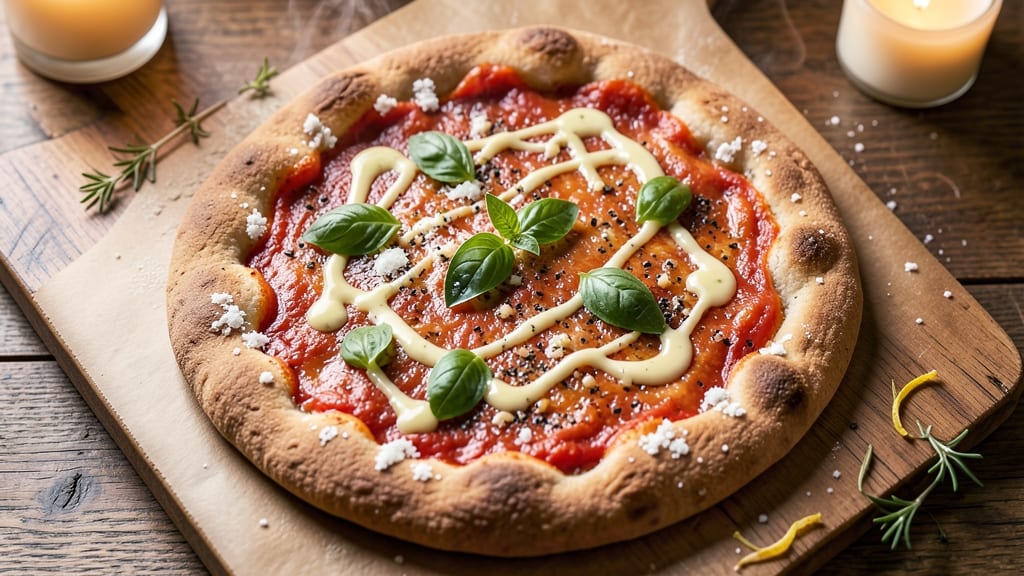
This brown rice flour pizza dough recipe delivers the perfect balance of crispy edges and chewy centers without a hint of gluten—ideal for vegan diets. The secret lies in aquafaba and xanthan gum, which bind the dough while maintaining that satisfying texture.
I've tested countless variations to ensure it holds toppings without falling apart, even with wet ingredients like vegan cheese.
The result is a pizza crust that bakes up golden and crispy around the edges while staying tender and slightly chewy inside—just like traditional dough, but entirely plant-based. This recipe works equally well for classic margherita pies or loaded veggie creations, proving that gluten-free doesn't mean flavor-free.
Ready in under 2 hours, it's the perfect solution for satisfying cravings without compromise.
Ingredients for brown rice flour pizza dough
Gluten-free essentials that mimic traditional dough's satisfying texture and flavor.
| Ingredient | Amount | Notes |
|---|---|---|
| Brown Rice Flour 🌾 | 3 cups | Gluten-free, finely milled preferred |
| Aquafaba 🥫 | ½ cup | Liquid from canned chickpeas |
| Xanthan Gum 💊 | ½ tsp | Critical for elasticity |
| Active Dry Yeast 🍞 | 1 tsp | Ensure freshness for activation |
| Extra-Virgin Olive Oil 🫒 | 1 tbsp | High quality for flavor |
| White Vinegar 🍶 | 1 tbsp | For acidity balance |
| Granulated Sugar 🍚 | 1 tbsp | Feeds yeast activation |
| Salt 🧂 | ¾ tsp | Diamond Crystal preferred |
| Warm Water 💧 | 1 cup | 110°F for yeast activation |
| Ground Flaxseed 🌱 | 1 tbsp | Mixed with 3 tbsp water for egg replacement |
| Vegan Butter 🧈 | 2 tbsp | Melted for brushing |
| Cornmeal 🌽 | ¼ cup | For dusting pizza peel |
Brown rice flour is the backbone here—Bob's Red Mill or Annie's are reliable brands for consistent texture. The aquafaba must be fresh from canned chickpeas (no cooking liquid), and xanthan gum is non-negotiable—it's what gives this dough its chewy center. For yeast, Saf-Instant is my go-to since it doesn't require proofing time. The flour should be sifted first to avoid lumps, which can make the dough dense. If you can't find brown rice flour, white rice flour works in a pinch, but the flavor will differ slightly.
No aquafaba? Flax eggs (1 tbsp ground flax + 3 tbsp water) substitute at half the amount, though texture will be less crispy. Vinegar can be swapped for lemon juice at equal measure, but white vinegar's tang is ideal. The flaxseed mixture needs 10 minutes to thicken before using—don't skip this step! For extra crispiness, add 1 tbsp cornstarch to the flour mix. If your dough feels too sticky after mixing, chill it 30 minutes before shaping. The vegan butter should be melted but not hot when brushing the crust.
Store unused flour in an airtight container for up to 6 months, and yeast in the fridge for 3 months. The dough itself keeps 24 hours wrapped in plastic in the fridge or 3 months frozen. For freezing, shape the dough balls first, then wrap individually. Thaw overnight in the fridge before using. The cornmeal should be kept in a cool, dark place—it loses effectiveness when exposed to light. Pre-portion toppings ahead to streamline assembly.
Why You'll Love This Recipe
- No-Fuss Mixing: I swear by this dough—just whisk, proof, and roll. The aquafaba (yes, chickpea water) replaces eggs, so no cracking, no mess, and no extra bowls to wash. Xanthan gum does the heavy lifting for chewiness, so even if I’m distracted, the dough still turns out tender.
- Nutty, Crispy Magic: Brown rice flour gives this crust a toasty, almost cracker-like crunch that regular pizza dough can’t match. Toss in a drizzle of extra-virgin olive oil while baking, and you’ve got a flavor punch that’s ridiculously satisfying—no bland crusts here.
- Meal Prep MVP: Between us, this dough is my weeknight lifesaver. I make a batch on Sundays, freeze half, and pull it out for lunch the next week—just add sauce and toppings. (Yes, even on a Tuesday night.) It reheats like a dream, no soggy bottoms in sight.
- Budget-Friendly Flex: Brown rice flour and aquafaba are cheap staples, and a little yeast stretches this dough to feed four for less than $5. Honestly, it’s the kind of recipe that makes me feel like I’m being resourceful without sacrificing taste—my wallet and my taste buds win.
Step-by-step instructions for brown rice flour pizza dough
This gluten-free dough delivers crispy edges and chewy centers using simple techniques and precise measurements.
Activate the Yeast and Prepare the Flax Egg
In a small bowl, combine the 1 tbsp ground flaxseed with 3 tbsp warm water and stir well. Let this mixture sit for 5 minutes until it thickens into a gel-like consistency—this will replace the eggs in our dough. In a separate bowl, whisk together the 1 cup warm water (about 110°F), 1 tbsp granulated sugar, and 1 tsp active dry yeast. Let this sit for 5-10 minutes until it becomes frothy, indicating the yeast is active. If it doesn't foam, your yeast may be old—start over with fresh yeast.
The yeast activation is critical for proper dough rise. You'll know it's ready when you see small bubbles forming on the surface and a slightly effervescent texture. This step ensures your pizza dough will develop that perfect airy texture while maintaining gluten-free structure.
Mix the Wet and Dry Ingredients
In a large mixing bowl, combine the 3 cups brown rice flour and 0.5 tsp xanthan gum. The xanthan gum is essential here—it mimics gluten's elasticity in gluten-free baking. Create a well in the center and pour in the yeast mixture, 1 tbsp white vinegar, 1 tbsp extra-virgin olive oil, the flax egg mixture, and 0.75 tsp salt. Using a wooden spoon or your hands, mix until a shaggy dough forms.
At this stage, the dough will be quite sticky. Don't be tempted to add extra flour—this can make the final pizza dense. Instead, wet your hands slightly with water and continue kneading gently for 2-3 minutes until the dough comes together and is smooth to the touch. The dough should be soft but not sticky enough to cling to your hands.
Rest and Shape the Dough
Lightly oil a clean bowl with 1 tbsp extra-virgin olive oil and transfer the dough to it. Cover with a damp towel or plastic wrap and let it rest at room temperature for 30 minutes. This resting period allows the flour to fully hydrate and the gluten substitute to develop, resulting in a more tender final texture. If your kitchen is cold, place the bowl in a slightly warm area to help the dough relax properly.
After resting, turn the dough out onto a lightly floured surface (use 0.25 cup cornmeal if needed) and gently shape it into a ball. For a traditional pizza dough shape, divide the dough into 4 equal portions (about 8 oz each) and roll each into a ball. Cover them again and let them rest for another 15 minutes before stretching. This final rest prevents the dough from shrinking back when you stretch it later.
Stretch and Pre-Bake for Crispy Edges
Preheat your oven to 475°F and place a pizza stone or inverted baking sheet on the middle rack. Dust a clean surface with cornmeal and stretch one dough ball at a time by pressing gently from the center outward. Aim for about 12 inches in diameter, keeping the edges slightly thicker than the center for that classic pizza look. Transfer the stretched dough to a piece of parchment paper dusted with cornmeal.
Brush the edges of the dough lightly with melted vegan butter—this creates the crispy edges you're after. Bake the crust for 8-10 minutes until the edges are golden brown and the center is just starting to firm up. Remove from the oven and add your favorite toppings immediately. The quick pre-bake ensures the crust holds its shape while cooking through with the toppings.
Pro Tips For Making Brown Rice Flour Pizza Dough
- Whisk Aquafaba First: Beat the aquafaba until stiff peaks form before mixing it in—this mimics egg whites and gives the dough real structure. I learned this the hard way after my first batch turned out gummy; the extra air makes all the difference.
- Measure Xanthan Gum Precisely: Use a scale for the xanthan gum (¼ teaspoon per cup of flour) or you’ll end up with dough that’s either too sticky or too stiff. Brown rice flour absorbs moisture differently, so don’t eyeball it—your crust will thank you.
- Knead by Hand Only: Skip the mixer—this dough needs gentle coaxing. Overworking it with a dough hook turns it dense; just fold and press it on a floured surface until it’s smooth but still tender. (Yes, it’ll feel weirdly soft at first.)
- Proof in a Warm Drawer: Place the dough in a sealed container near your oven’s lightbulb (turned on low) for 1–1.5 hours. The gentle heat keeps it from drying out, and you’ll avoid the sad, flat pizza that happens when you rush the rise.
Serving suggestions for this recipe
Topping Combinations
This gluten-free crust shines with bold, fresh toppings that won't weigh it down. Try a classic vegan margherita with cashew mozzarella, sun-dried tomatoes, and fresh basil—the tangy tomatoes cut through the dough's mild flavor beautifully.
For something heartier, layer roasted eggplant, caramelized onions, and vegan pesto—the eggplant adds natural sweetness that balances the earthy crust. 🌿
Sauce Alternatives
Skip the traditional tomato sauce if you prefer—this crust handles white garlic sauce (blend cashews, garlic, lemon juice, and nutritional yeast) exceptionally well. For a smoky twist, spread gochujang-based sauce (mix gochujang, maple syrup, and soy sauce) before adding toppings.
Both options complement the dough's neutral flavor without overpowering it.
Cheese Substitutes
Vegan cheese is a must, but not all work equally. Miyoko's Creamery shreds melt beautifully, while Follow Your Heart mozzarella provides a stretchy texture. For a no-cheese option, try toasted cashews blended with nutritional yeast and turmeric for a cheesy flavor without the dairy.
Sprinkle generously—this crust holds up to generous toppings!
Garnish Finishes
Elevate your pizza with simple garnishes. A drizzle of chili oil adds heat and aroma, while toasted pine nuts or pumpkin seeds bring crunch. For freshness, scatter microgreens or baby arugula after baking—they stay vibrant and add a peppery contrast. A final sprinkle of flaky sea salt enhances all flavors.
Side Pairings
Balance the richness of pizza with light sides. A crisp arugula salad with lemon vinaigrette cleanses the palate, while roasted Brussels sprouts with balsamic glaze add a savory bite. For something warm, serve with garlic-roasted potatoes—their crispy edges mirror the crust's texture. 🍽️
Drink Pairings
Sparkling water with lemon slices keeps things refreshing, while a dry white wine like Sauvignon Blanc complements the crust's nutty flavor. For beer lovers, a crisp lager or witbier balances the richness without overpowering. Avoid heavy, oaky wines—they clash with the dough's delicate texture.
Nutrition facts
Frequently asked questions
Why does this dough need xanthan gum?
Xanthan gum acts as a gluten substitute, giving this gluten-free dough its signature chewy texture. Without it, the crust would be dry and crumbly instead of satisfyingly tender. Think of it as the "glue" that holds the structure together while mimicking wheat flour's elasticity.
Can I make this dough ahead of time?
Yes! Shape the dough into balls, wrap tightly in plastic, and store in the fridge for up to 24 hours or freeze for 3 months. Thaw overnight in the fridge before using. The cold helps prevent sticking and makes stretching easier. Perfect for meal prep!
What if my dough doesn't rise properly?
Check your yeast first—it must be fresh and activated in warm water with sugar. If it didn't foam in 5-10 minutes, replace it. Also ensure your water is 110°F (not boiling) and your kitchen is warm enough (75°F+). A warm oven with the light on can help if your space is chilly.
How do I prevent a soggy crust with wet toppings?
Pre-bake the crust for 8-10 minutes before adding toppings—this creates a barrier. Use less sauce (or skip it entirely) and opt for toppings with high water content like tomatoes or mushrooms only after pre-baking. For extra insurance, bake the pizza on a preheated stone or steel.
Can I use this dough for other baked goods?
This versatile dough works for flatbreads, focaccia, or even calzones. For calzones, fold the dough around fillings (like vegan ricotta and spinach) and bake for 15-18 minutes at 425°F. The xanthan gum helps it hold shapes beautifully.