
Sauces & Condiments
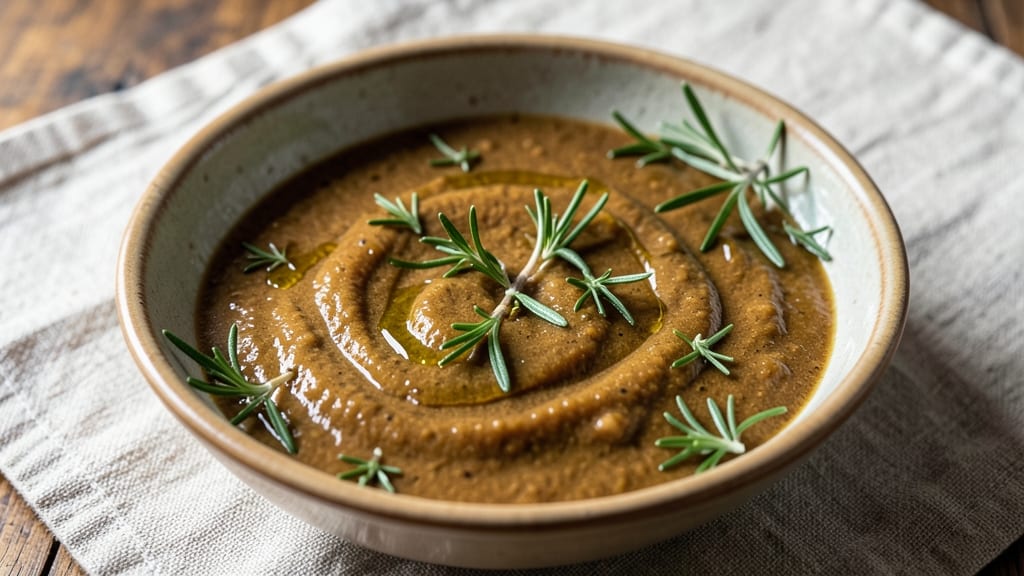
This brown rice flour gravy recipe delivers rich, nutty thickness without dairy—perfect for vegan meals or gluten-free diets. The secret lies in whisking the flour into hot broth to create a smooth, velvety sauce that coats every bite effortlessly.
I developed this after struggling to find a plant-based gravy that matched traditional depth and body.
What sets this apart is the nutty flavor from brown rice flour, which adds natural richness without overpowering the broth. Aromatic herbs like thyme or rosemary enhance the depth, while a splash of lemon juice brightens the finish.
This gravy works equally well over roasted vegetables, mashed potatoes, or as a drizzle for hearty stews—foolproof and versatile.
Ingredients for brown rice flour gravy
Nine plant-based ingredients create a velvety, nutty gravy that rivals traditional recipes.
| Ingredient | Amount | Notes |
|---|---|---|
| Brown Rice Flour 🌾 | ½ cup | Finely milled for smooth texture |
| Vegetable Broth 💧 | 2 cups | Low-sodium preferred for balance |
| Unsweetened Almond Milk 🥛 | ½ cup | Full-fat for creaminess |
| Extra-Virgin Olive Oil 🫒 | 2 tbsp | High-quality for nutty depth |
| Fresh Thyme Leaves 🌿 | 1 tbsp | Or 1 tsp dried thyme |
| Fresh Rosemary Sprigs 🌿 | 1 tbsp | Finely chopped for aroma |
| Fresh Lemon Juice 🍋 | 1 tbsp | Brightens flavor profile |
| White Miso Paste 🍶 | 1 tbsp | For umami richness |
| Diamond Crystal Kosher Salt 🧂 | ½ tsp | Adjust to taste |
| Ground Black Pepper 🌶️ | ¼ tsp | Freshly ground preferred |
The brown rice flour is the foundation—Bob's Red Mill or Anthony's brands yield the smoothest texture when finely milled. For the broth, Imagine or Pacific Foods low-sodium options provide the cleanest base without overpowering the nutty depth. Fresh herbs elevate the dish; I prefer local farmers' market thyme and rosemary for their vibrant aroma, but dried works in a pinch at one-third the amount. The white miso paste from Hessian or Edamame brands adds umami without altering the gravy's color.
No almond milk? Oat milk or cashew milk work equally well, though almond provides the closest mouthfeel. Substitute nutritional yeast for miso at half the amount if needed—it adds a cheesy note that complements the nutty profile. For a gluten-free variation, ensure your broth is certified gluten-free, as some brands process in shared facilities. The lemon juice can be omitted if you prefer a more neutral flavor, but it brightens the richness beautifully. When whisking the flour, heat the broth first to prevent lumps—this is non-negotiable for a silky texture.
Store leftovers in an airtight container for up to 5 days in the fridge or 3 months frozen. For reheating, whisk in 1-2 tbsp water to restore thickness. This gravy thickens as it cools, so adjust consistency by adding warm water gradually. Portion into ice cube trays for single-use servings—perfect for drizzling over roasted vegetables or mashed potatoes later in the week.
Why You'll Love This Recipe
- No Fuss, No Mess: This gravy comes together with just a whisk and a saucepan—no blenders, no strainers, no stress. The brown rice flour thickens like magic when you stir in the warm almond milk, and honestly? I’ve made it wrong twice and still ended up with something edible.
- Earthy Creamy Magic: The almond milk gives it that velvety richness, but the olive oil and thyme? That’s where it gets interesting. It’s got this subtle nuttiness from the brown rice flour that pairs perfectly with roasted veggies or grilled chicken—like a hug in sauce form.
- Leftover Superstar: Make a big batch on Sunday, and you’ve got gravy for stir-fries, drizzled over salads, or even as a dip. Between us, I’ve reheated this stuff for almost a week, and it still tastes like I slaved over it. (Spoiler: I didn’t.)
- Budget-Friendly Luxe: Brown rice flour and vegetable broth won’t break the bank, but it tastes like you spent hours simmering something fancy. Plus, almond milk stretches further than you’d think—so you get that creamy texture without the cost of heavy cream. My wallet and taste buds high-five every time.
Step-by-step instructions for nutty brown rice flour gravy
Master this dairy-free technique for velvety gravy with nutty depth and aromatic complexity.
Bloom the Brown Rice Flour in Olive Oil
Heat the 2 tablespoons extra-virgin olive oil in a medium saucepan over medium-low heat. Add the 0.5 cup brown rice flour and whisk continuously for 2-3 minutes until the mixture turns a pale golden color and emits a toasty aroma. This process, called blooming, removes the raw flour taste and develops nutty undertones.
Watch closely—if the flour darkens too quickly, reduce the heat slightly. You're aiming for a lightly toasted appearance, not browned bits. The flour should coat the back of a spoon smoothly without any graininess. This step forms the foundation of your gravy's texture and flavor.
Deglaze with Vegetable Broth and Miso
Immediately pour in the 2 cups vegetable broth and the 1 tablespoon white miso paste, whisking vigorously to prevent lumps. Bring the mixture to a gentle simmer over medium heat, then reduce to low heat. Let it cook for 5-7 minutes, stirring occasionally, until slightly thickened but still pourable.
The miso paste dissolves completely during this time, infusing the gravy with deep umami richness. You'll notice the sauce darken slightly as the miso melds with the flour and broth. Keep the heat low to avoid scorching—the sauce should bubble gently rather than boil vigorously.
Incorporate Aromatics and Acid Balance
Add the 1 tablespoon finely chopped fresh rosemary sprigs, 1 tablespoon fresh thyme leaves, 1 tablespoon fresh lemon juice, 0.5 teaspoon diamond crystal kosher salt, and 0.25 teaspoon ground black pepper. Stir well and simmer for an additional 3-4 minutes until the herbs release their aromatic oils and the flavors meld completely.
The lemon juice brightens the earthy flavors while the herbs add complexity. Taste the gravy at this stage—it should be rich but not overpowering. If you find it too thick, whisk in 1-2 tablespoons of warm water to reach your desired consistency. The sauce should coat the back of a spoon but remain silky smooth.
Finish with Almond Milk for Creaminess
Remove the saucepan from heat and slowly whisk in the 0.5 cup unsweetened almond milk. Return to low heat and simmer gently for 1-2 minutes until fully incorporated. The almond milk adds subtle creaminess without dairy while balancing the nutty depth of the brown rice flour.
Strain the gravy through a fine-mesh sieve to remove any herb fragments, pressing gently with a spoon to extract maximum flavor. Taste again and adjust seasoning if needed—the lemon juice and miso work together to create a harmonious balance of umami, acidity, and saltiness. The final texture should be velvety with just a hint of body.
Pro Tips For Making Brown Rice Flour Gravy
- Whisk Like You Mean It: Brown rice flour clumps like it’s holding onto its life—don’t let it. Start with a cold, dry whisk in your pan, then add the flour to the oil all at once before pouring in liquid. Stir nonstop for the first 30 seconds, or you’ll end up with a gluey mess instead of a smooth roux.
- Toast the Flour First: I used to skip this, and my gravy always tasted flat. Heat the olive oil on medium-low until shimmering, then add the brown rice flour and cook for 2–3 minutes until it smells nutty and deepens to a light golden color. This step builds flavor—don’t rush it.
- Simmer, Don’t Boil: The second you add the almond milk and broth, drop the heat to lowest possible and let it bubble gently. Boiling will turn your gravy into a thin, sad sauce. Keep it at a whisper-simmer for 5–7 minutes, stirring often, until it thickens enough to coat the back of a spoon.
- Strain the Thyme: Fresh thyme leaves are great, but they’ll turn your gravy into a chewy mouthful if you’re not careful. After simmering, strain the gravy through a fine-mesh sieve to remove the leaves—unless you’re going for a rustic, herby texture, in which case, chop them tiny first.
Best sauces and condiments for brown rice flour gravy
Herb-Infused Variations
Swap thyme and rosemary for fresh tarragon and chervil to create a lighter, almost parsley-like flavor profile. I've found that 1 tablespoon each of these herbs works beautifully, especially when paired with a splash of white wine (about ¼ cup) instead of lemon juice.
For a smoky twist, add ½ teaspoon smoked paprika during the blooming stage—it deepens the nutty notes while adding complexity. 🌿
Umami Boosters
Enhance the savory depth with 1 teaspoon soy sauce or 1 tablespoon nutritional yeast in place of miso. I prefer Hessian white miso for its clean umami, but red miso adds a slightly sweeter, darker profile.
For a vegetarian-friendly option, try 1 teaspoon mushroom powder—it mimics the earthy richness of umami without altering the gravy's color. Always taste as you go; umami builds gradually.
Global Flavor Twists
Transform this gravy into a Thai-inspired sauce by adding 1 teaspoon lemongrass paste and ½ teaspoon galangal during the simmer. For a Mediterranean touch, stir in 1 teaspoon dried oregano and a pinch of ground coriander after the herbs.
My go-to fusion is Mexican-style, where I replace the rosemary with ½ teaspoon ground cumin and finish with 1 teaspoon lime juice—it’s surprisingly delicious over roasted sweet potatoes. 🌍
Texture Adjustments
For a thicker gravy, reduce the broth to 1½ cups and simmer uncovered for an extra 5 minutes. Need it lighter? Increase the almond milk to ⅔ cup and add 2 tablespoons warm water at the end.
Pro tip: Use a handheld immersion blender for ultra-smooth results—it eliminates any potential graininess from the flour. The key is patience; let the gravy rest for 5 minutes off heat before adjusting thickness.
Sweet and Tangy Pairings
Brighten this gravy with 1 teaspoon maple syrup or agave for a subtle sweetness that balances the nutty depth. A splash of apple cider vinegar (about 1 teaspoon) adds tangy brightness, especially when drizzled over roasted Brussels sprouts.
For a dessert-friendly version, reduce the salt to ¼ teaspoon and add ½ teaspoon vanilla extract—it pairs perfectly with baked apples or pecan pie. 🍯
Nutrition facts
Frequently asked questions
Why does brown rice flour work better than white rice flour for gravy?
Brown rice flour adds a natural nutty depth that white rice flour lacks, creating richer flavor without dairy. The bran content also provides subtle earthiness that complements savory dishes. Plus, it's naturally gluten-free and absorbs liquids more effectively during cooking.
Can I make this gravy without almond milk?
Yes! Swap the almond milk for ½ cup full-fat coconut milk or ½ cup cashew cream (blended soaked cashews) for similar creaminess. For a neutral option, use ½ cup warm water instead—just reduce the simmer time by 1-2 minutes to avoid thinning too much.
How do I fix gravy that's too thick or too thin?
For thick gravy, whisk in 1-2 tablespoons warm water or broth until smooth. For thin gravy, simmer uncovered for 3-5 extra minutes to reduce. Pro tip: Let it rest 5 minutes after cooking—it thickens as it cools! If needed, reheat gently while stirring.
What are the best dishes to serve this gravy with?
This gravy shines over roasted vegetables, mashed potatoes, or stuffed bell peppers. It also works as a drizzle for tacos (swap lime for lime juice) or a dip for crudités. The nutty flavor pairs especially well with earthy root vegetables like carrots or sweet potatoes.
Can I make this gravy ahead of time?
Store in an airtight container for 5 days refrigerated or 3 months frozen. For reheating, whisk in 1-2 tbsp water to restore thickness. Freeze in ice cube trays for single-use portions—perfect for quick meals later!