
Main Courses
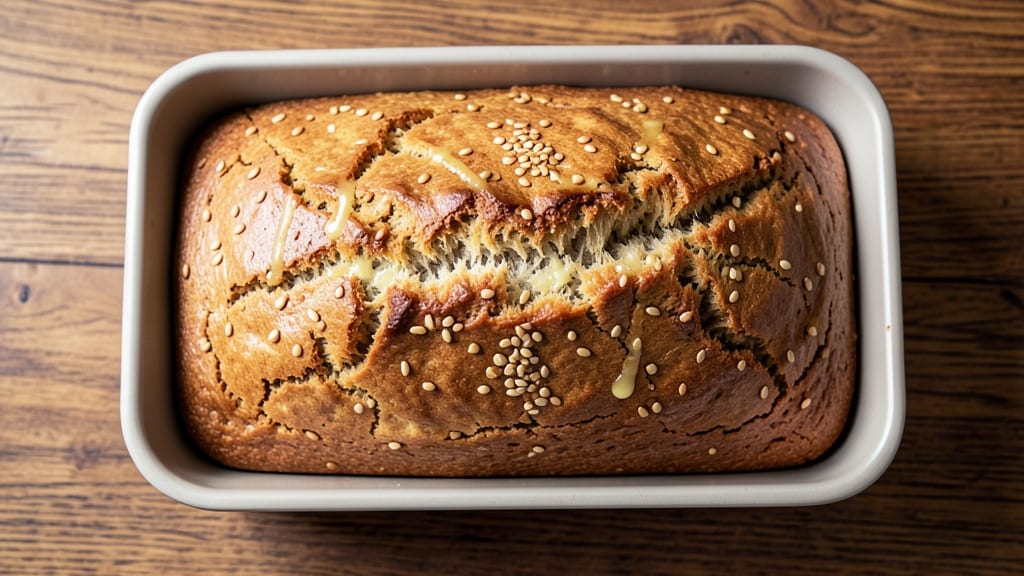
This brown rice bread machine recipe transforms whole grains into a nutty, artisanal loaf with minimal effort—no kneading, no waiting, just hands-free baking. The secret lies in balancing brown rice flour with all-purpose flour for structure while preserving that signature toasty depth.
I developed this after years of experimenting with gluten-free adaptations, and it delivers a loaf with a crisp crust, tender crumb, and aroma that fills your kitchen like a bakery.
The beauty of using a bread machine is its precision—it handles the kneading, rising, and baking automatically while you focus on the small details that make this loaf exceptional.
Brown rice flour adds a subtle earthiness and chewy texture, but we blend it with all-purpose flour to ensure a reliable rise and satisfying slice. Perfect for sandwiches, toast, or gifting, this bread proves whole grains can be both nutritious and indulgent without sacrificing texture or flavor.
Ingredients for brown rice bread machine
These twelve ingredients blend whole grains and classic baking techniques for a bread machine loaf with artisanal depth and nutty richness.
| Ingredient | Amount | Notes |
|---|---|---|
| Brown Rice Flour 🌾 | 1 ½ cups | Finely milled for smooth texture |
| All-Purpose Flour 🌾 | 2 ½ cups | For structure and rise |
| Granulated Sugar 🍚 | ¼ cup | Enhances browning and flavor |
| Unsalted Butter 🧈 | ½ cup | Softened, full-fat preferred |
| Large Eggs 🥚 | 2 whole | Room temperature for even mixing |
| Active Dry Yeast 🍞 | 2 ¼ tsp | Ensure freshness (test in warm water) |
| Warm Water 💧 | 1 ¼ cups | 110°F for optimal yeast activation |
| Salt 🧂 | 1 ½ tsp | Diamond Crystal preferred |
| Honey 🍯 | 1 tbsp | For subtle sweetness and moisture |
| Extra-Virgin Olive Oil 🫒 | 2 tbsp | For enriched dough texture |
| Ground Cinnamon 🌿 | ½ tsp | Enhances nutty depth |
| Poppy Seeds 🌱 | 1 tbsp | Optional for nutty crunch |
Brown rice flour is the star here, but its earthy notes need the balance of all-purpose flour for structure—Bob's Red Mill or King Arthur brands work best. The yeast matters too: grab fresh packets or test your jarred yeast in warm water first (it should foam within 5-10 minutes). For the honey, local raw honey adds subtle floral notes, but any liquid honey works. The olive oil should be fruity and peppery—California extra-virgin brands like Corto or Filippo Berio elevate the final loaf. If you're using pre-milled brown rice flour, pulse it briefly in a food processor for finer texture, but don't overdo it or you'll lose the bread machine's ability to properly knead.
No honey? Maple syrup at half the amount works beautifully, though it adds a distinct caramel note. Short on poppy seeds? Toasted sesame seeds or chopped almonds give a similar crunch. The butter must be softened but not melted—microwave it in 20-second bursts if needed. For a lighter loaf, add 1/4 tsp xanthan gum to the flour blend, though it's not strictly necessary. The cinnamon is non-negotiable for that warm spice depth, but if you're out, nutmeg at half the amount works in a pinch. Always measure your flour by weight if possible—a kitchen scale ensures consistency, especially with the brown rice flour which packs differently than all-purpose.
This dough keeps beautifully in the fridge for up to 48 hours if you want to let it rise overnight—just let it sit at room temp for 30 minutes before baking. For longer storage, freeze the shaped dough in a loaf pan for up to 3 months. The finished loaf stays fresh for 5-7 days at room temperature, but slice it and toast it to revive that bakery-fresh aroma. I always bake two batches—one for the week and one to freeze for lazy mornings. The crust gets crispier when reheated, so pop slices in a 350°F oven for 5 minutes if you're feeling fancy.
Why You'll Love This Recipe
- Set-And-Forget Magic: I swear, the bread machine does all the work—just toss in the brown rice flour blend, add the butter and eggs, and walk away. No kneading, no fuss, just golden perfection when you open the lid later.
- Nutty-Sweet Surprise: That brown rice flour gives it a subtle earthy depth, while the butter and sugar make it tender and just sweet enough. It’s like a hug in bread form—comforting but not heavy, and honestly, way better than store-bought.
- Breakfast to Dessert: Serve it toasted with jam for breakfast, slathered with butter for lunch, or even with a drizzle of honey for a quick dessert. The eggs add richness that makes it work in so many ways without extra effort.
- Budget-Friendly Staple: Brown rice flour is cheaper than most specialty flours, and this recipe stretches far—think sandwiches, French toast, or even breadcrumbs for meals. I make a double batch every month and never run out.
Step-by-step instructions for brown rice bread machine recipe
Your bread machine will do most of the work, but these precise steps ensure a loaf with perfect texture and nutty depth.
Prepare the Ingredients for Optimal Mixing
First, let's get everything ready to go. In a medium bowl, whisk together the 1.5 cups brown rice flour and 2.5 cups all-purpose flour to combine evenly. In a separate small bowl, mix the 2.25 teaspoons active dry yeast with 1.25 cups warm water (about 110°F). Let this sit for 5 minutes until it becomes frothy—this confirms your yeast is active and ready to work.
While that foams, soften the 0.5 cup unsalted butter by letting it sit at room temperature for 30 minutes. In another bowl, whisk together the 2 whole large eggs, 0.25 cup granulated sugar, 1 tablespoon honey, 2 tablespoons extra-virgin olive oil, 1.5 teaspoons salt, and 0.5 teaspoon ground cinnamon until fully combined. This wet mixture will create a rich, flavorful base for your bread.
Combine Wet and Dry Ingredients in the Bread Pan
Add the flour mixture to your bread machine pan. Create a well in the center and pour in the wet ingredients. Use a wooden spoon to gently mix everything together just until combined—you should still see some dry spots. This prevents overdevelopment of gluten, which can make the bread dense.
Now for the finishing touches: Sprinkle the 1 tablespoon poppy seeds evenly over the top of the dough. These will add a delightful crunch and subtle nutty flavor. Give the dough one final gentle stir to distribute the seeds evenly, then scrape down the sides of the pan to ensure everything is incorporated.
Set the Bread Machine to Basic White Bread Cycle
Place the lid on your bread machine and select the "Basic White Bread" setting. This cycle typically includes a kneading phase, followed by a first rise, shaping, second rise, and finally baking. Most machines will automatically handle these stages, but some may require you to press "Start" after adding the dough.
Let the machine do its work. You'll hear the kneading begin, which should last for about 5-10 minutes. The dough will look shaggy at first, but don't worry—it will come together beautifully. Once the cycle begins, resist the urge to peek. Opening the lid releases heat and can disrupt the rising process, leading to a denser loaf.
Monitor the Baking Process for Perfect Results
After the dough has risen and been shaped, your bread machine will automatically begin baking. This typically takes about 30-45 minutes, depending on your specific model. You'll know it's done when the machine beeps and the bread has a deep golden-brown crust with a hollow sound when tapped on the bottom.
Remove the loaf from the pan immediately and place it on a wire rack to cool for at least 30 minutes. This cooling period allows the bread to set properly and prevents a gummy texture. The aroma of freshly baked bread with those nutty brown rice notes will fill your kitchen—trust me, it's worth the wait.
Slice and Serve for Maximum Enjoyment
Once your loaf has cooled, use a serrated knife to slice it into ¼-inch thick pieces. The interior should be soft and slightly moist, with a beautiful crumb that reflects the nutty depth from the brown rice flour. Serve warm with butter, jam, or as part of a charcuterie board for the ultimate artisanal experience.
This bread keeps well at room temperature for 2-3 days or can be frozen for up to 3 months. For best results, reheat slices in a toaster or oven to restore that fresh-baked warmth. The combination of brown rice flour and cinnamon gives this loaf a unique depth that sets it apart from traditional bread machine breads.
Pro Tips For Making Brown Rice Bread Machine
- WEIGH YOUR FLOUR: Brown rice flour is dense—don’t eyeball it. Use a kitchen scale for both the brown rice and all-purpose flour; 1 cup of each weighs differently, and the ratio matters for texture. I learned this after my first batch came out either too dense or crumbly, depending on which day I guessed wrong.
- SOFTEN BUTTER FIRST: Cold butter creates pockets in the dough that won’t mix evenly. Microwave the butter in 10-second bursts until it’s soft but not melted—just pliable enough to cut into the dry ingredients. This ensures the eggs and sugar blend smoothly without fighting resistance, and your bread won’t turn out greasy or uneven.
- DON’T OVERMIX: Once the dough comes together in the bread machine, resist the urge to punch it down or knead it further. Brown rice flour releases starch quickly, and overworking it turns the dough gummy. Let the machine do its job—just scrape the sides clean before it starts kneading, and walk away.
- ADD WATER GRADUALLY: Brown rice flour absorbs moisture like a sponge, but too much water makes the dough sticky and dense. Start with the recipe’s suggested amount, then add water 1 tablespoon at a time until the dough forms a shaggy ball that cleans the sides of the bowl. I’ve ruined batches by dumping in all the water upfront—trust the process.
Perfect pairings for this recipe
Butter Spreads
This nutty brown rice loaf pairs beautifully with cultured butter that complements its earthy depth. I love European-style butter like Plugrá or Kerrygold—their rich, slightly tangy flavor enhances the cinnamon notes.
For a sweet touch, try honeyed butter by mixing 2 tbsp softened butter with 1 tbsp honey and a pinch of sea salt. 🧈
Jam Pairings
Fruit preserves cut through the bread’s richness while highlighting its nutty undertones. Fig jam with its caramelized depth is my top choice, but raspberry or apricot jam also work wonders.
For something lighter, orange marmalade adds a citrusy brightness that contrasts perfectly. Spread a thin layer on warm slices for the best experience.
Cheese Boards
Create a gourmet spread by pairing this bread with aged cheeses that stand up to its hearty texture. Sharp cheddar, Gouda, or blue cheese all work beautifully. Add cured meats like prosciutto or salami, along with olives and dried fruit for a well-rounded charcuterie experience.
The poppy seeds in the bread add a delightful crunch to every bite.
Beverage Pairings
A robust black tea like Earl Grey or chai complements the bread’s spiced notes, while a lightly sweetened coffee with a splash of oat milk balances its earthiness. For something refreshing, try sparkling apple cider—its effervescence cleanses the palate between bites.
If you prefer alcohol, a dry Riesling or medium-bodied red wine like Pinot Noir enhances the nutty depth.
Sweet Toppings
For a dessert twist, top slices with whipped cream and chopped nuts like pecans or walnuts to amplify the bread’s natural nuttiness. A drizzle of dark chocolate (at least 70% cocoa) adds a sophisticated finish.
If you’re feeling adventurous, try caramelized onions for a savory-sweet contrast that’s surprisingly delicious. ✨
Nutrition facts
Frequently asked questions
Can I make this bread without a bread machine?
Yes, but you'll need to adapt the process. Mix the dough by hand until just combined (don't overwork it), let it rise for 1-2 hours until doubled, shape into a loaf, then let it rise again for 30-45 minutes. Bake at 375°F for 30-35 minutes until golden. The texture will be slightly denser since bread machines handle kneading and shaping automatically.
Why does my brown rice bread turn out dense?
Brown rice flour absorbs more moisture than all-purpose flour, so check your hydration. Try reducing water by 1-2 tablespoons or increasing flour by 1/4 cup if the dough feels sticky. Also ensure your yeast is fresh (test it in warm water first) and don't overmix the dough—just combine until no dry spots remain.
Can I substitute brown rice flour with other whole grains?
Try whole wheat flour (1:1 ratio) for a similar hearty texture, or blend 1 cup brown rice flour with 1 cup oat flour for extra nuttiness. For gluten-free versions, use a 1:1 GF flour blend (like Bob's Red Mill) plus 1/2 tsp xanthan gum. Adjust liquid as needed—whole grain flours often need slightly more moisture.
How do I store leftovers to keep them fresh?
Wrap cooled slices tightly in plastic wrap or store in an airtight container. At room temperature, it stays fresh for 3-4 days. For longer storage, freeze slices (up to 3 months) between parchment paper. To revive, toast in a 350°F oven for 5 minutes or warm in a toaster until golden. The crust gets crispier when reheated!
What's the best way to test if my bread machine yeast is active?
Mix 2.25 tsp yeast with 2 tbsp warm water (110°F) and 1 tsp sugar. Wait 5-10 minutes—if it bubbles vigorously, your yeast is good. No bubbles? Try fresh yeast or check your water temperature (too hot kills yeast, too cold slows activation). Always use warm (not hot) water for best results.