
Main Courses
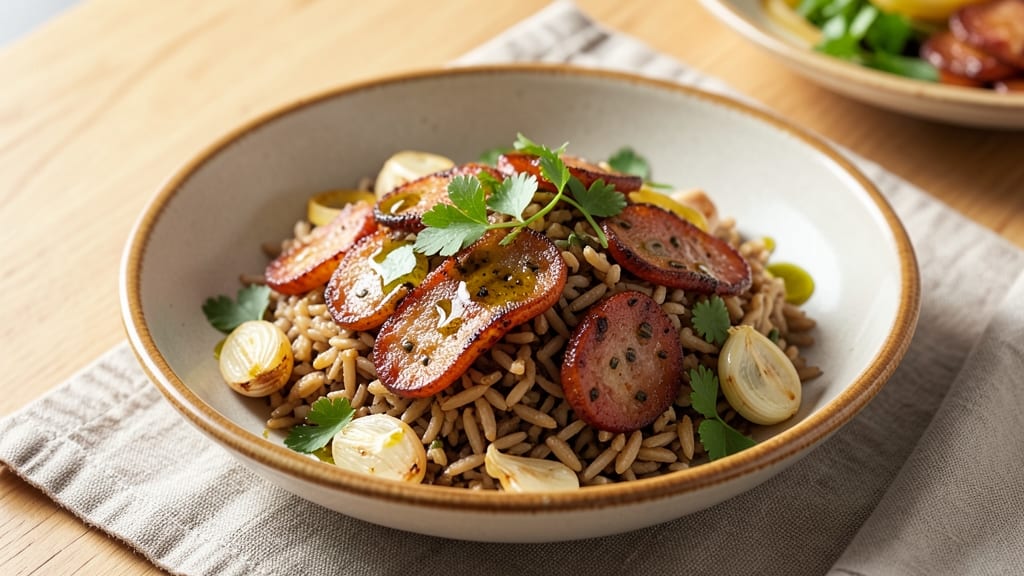
This brown rice and Italian sausage recipe delivers restaurant-quality comfort food with caramelized sausage crunch over nutty, perfectly cooked grains. The secret lies in browning the sausage until deeply crispy—creating those golden, flavor-packed edges that disappear into every bite.
I've perfected this method to balance rich, savory sausage with the earthy texture of brown rice, resulting in a dish that's both hearty and satisfying.
What makes this recipe stand out is the one-pan technique, where the sausage releases its juices into the rice, infusing every grain with smoky, herby depth. No complicated steps—just simple ingredients that come together in 30 minutes for a meal that feels indulgent yet remains approachable.
The result? A dish that pairs beautifully with roasted vegetables or garlic bread, making it ideal for weeknight dinners or weekend gatherings.
Ingredients for brown rice and italian sausage
Twelve ingredients transform into restaurant-quality comfort with caramelized sausage crunch and nutty brown rice.
| Ingredient | Amount | Notes |
|---|---|---|
| Long-Grain Brown Rice 🌾 | 1 ½ cups | Uncooked, rinsed thoroughly |
| Italian Sausage Links 🌭 | 1 lb | Sweet or spicy, removed from casings |
| Chicken or Vegetable Broth 💧 | 2 ½ cups | Low-sodium preferred for balance |
| Extra-Virgin Olive Oil 🫒 | 2 tbsp | For sausage browning |
| Garlic Cloves 🧄 | 4 cloves | Minced for aromatic depth |
| Yellow Onion 🧅 | 1 whole | Diced, medium size |
| Fresh Rosemary 🌿 | ¼ cup | Chopped, finely |
| Fresh Thyme Leaves 🌿 | ¼ cup | Or 1 tbsp dried thyme |
| Kosher Salt 🧂 | 1 ½ tsp | Diamond Crystal preferred |
| Ground Black Pepper 🌶️ | ½ tsp | Freshly cracked |
| Fresh Parsley 🌿 | ¼ cup | Chopped, for garnish |
| Red Bell Pepper 🍅 | 1 whole | Sliced, optional for color |
The Italian sausage is non-negotiable for this dish—high-quality links from Boar's Head or Johnsonville deliver that perfect balance of sweetness and smokiness. Look for links with visible fat marbling; this ensures juiciness during browning. For the rice, Lundberg Family Farms or Trader Joe's organic brown rice cooks evenly without gumminess. The broth? Low-sodium is key—you'll add salt later, and you don't want to overdo it. Fresh herbs are ideal, but dried thyme at one-third the amount works in a pinch. The olive oil should be extra-virgin—it's the only chance you get to add richness to the sausage's natural flavors.
No Italian sausage? Spicy chorizo or even breakfast sausage can substitute, though the flavor profile shifts slightly. Fresh herbs wilt fast—dried oregano or basil at half the amount keeps the dish vibrant. The bell pepper is optional but adds a pop of color and texture; swap for zucchini or mushrooms if preferred. For the broth, homemade chicken stock elevates the dish, but high-quality canned broth works too. The red bell pepper can be roasted ahead for extra flavor—simply char it under the broiler, peel, and dice before adding. If you're short on time, pre-minced garlic from a jar saves steps without sacrificing flavor.
This dish reheats beautifully—3-4 days in the fridge or 3 months frozen. Store leftovers in airtight containers with a sprinkle of parsley to preserve freshness. For make-ahead convenience, brown the sausage and sauté the aromatics first, then refrigerate until ready to cook the rice. The caramelized edges on the sausage are best enjoyed fresh, so I recommend serving immediately for that restaurant-quality crunch. Garnish with extra parsley and a drizzle of olive oil right before serving to keep everything vibrant.
Why You'll Love This Recipe
- One-Pot Magic: I swear by this recipe because it’s literally one pan—no rice cooker, no extra bowls. Toss the rice and sliced sausage in a deep skillet with broth, cover, and let the heat do the work. That’s it. Honestly, I’ve made it on nights when I forgot to take out the trash—it’s that unfussy.
- Garlicky, Smoky Bomb: The moment the sausage sizzles in olive oil and those garlic cloves hit the pan, my kitchen smells like a Tuscan roadside café. The brown rice soaks up all the herby, slightly charred sausage juice—creamy texture, bold flavor, zero compromise. (Yes, even on a Tuesday night.)
- Lunchbox Hero: Between us, this is my secret weapon for meal prep. Cook a big batch, portion it into containers, and boom—you’ve got a hearty lunch for the week. My kids (who usually turn up their noses at brown rice) actually ask for it. Not the prettiest, but the taste makes up for it every time.
- Budget Stretch: Italian sausage and brown rice are the ultimate pantry stretchers. A few links go a long way, and that broth? You can use whatever’s on hand—vegetable for veggie nights, chicken for extra richness. I’ve fed four people for under $10 with this, and no one’s ever complained. That’s reliability.
Step-by-step instructions for brown rice and Italian sausage
Here's the method for achieving perfectly caramelized sausage over nutty, tender brown rice.
🍳 Step 1: Sear the Italian Sausage Links
Heat a large skillet over medium-high heat until hot. Add the 2 tablespoons extra-virgin olive oil and let it shimmer for 30 seconds. Place the 1 pound Italian sausage links in the skillet, removing them from their casings first. Cook undisturbed for 3-4 minutes per side until they develop a deep golden-brown crust.
As the sausage cooks, it will release its natural fats, which will pool in the pan. This rendered fat is flavor gold—it's what creates that caramelized crunch we're after. Once the sausage reaches an internal temperature of 160°F, remove it from the skillet and set it aside on a plate. Keep the sausage warm while you prepare the remaining ingredients.
👨🍳 Step 2: Build the Aromatic Base
In the same skillet (leave those precious browned bits behind), reduce the heat to medium. Add the diced yellow onion and minced garlic cloves to the pan. Cook for 5-6 minutes until the onions soften and turn translucent, and the garlic releases its fragrant aroma. You'll notice the mixture darkens slightly—this is the Maillard reaction at work, deepening the flavor.
At this point, stir in the chopped fresh rosemary and chopped fresh thyme leaves. Cook for another 1 minute to allow the herbs to release their essential oils. This aromatic base forms the flavor foundation for your dish, so don't rush this step. The herbs should be fragrant but not burnt—watch carefully as they can darken quickly.
🍳 Step 3: Toast the Brown Rice
Add the 1.5 cups long-grain brown rice to the skillet and stir to coat it evenly with the aromatic mixture. Toast the rice for 2-3 minutes until it becomes translucent at the edges and releases a nutty aroma. This toasting step is crucial—it enhances the rice's natural flavor and prevents it from becoming mushy during cooking.
Pour in the 2.5 cups chicken or vegetable broth and bring the mixture to a gentle boil. Once boiling, reduce the heat to low and cover the skillet with a tight-fitting lid. The rice will absorb the liquid gradually, so resist the urge to peek or stir. Brown rice takes longer to cook than white rice, so plan for about 45-50 minutes of simmering time.
⏰ Step 4: Simmer Until Rice is Tender
Let the rice simmer undisturbed for 45 minutes, maintaining a gentle simmer. If you notice the liquid has evaporated before the rice is tender, add ¼ cup water at a time to maintain moisture. The rice is done when it's tender but still has a slight bite—it should not be mushy or undercooked.
After 45 minutes, check the rice's doneness by pressing a grain between your fingers. It should be soft but still hold its shape. If it's not quite tender, continue cooking for another 5-10 minutes, adding more liquid as needed. Once the rice is perfectly tender, remove the skillet from heat and let it sit covered for 5 minutes to allow the steam to redistribute.
🥘 Step 5: Combine and Garnish
Return the cooked sausage to the skillet with the rice. Gently fold everything together, allowing the sausage to coat the rice evenly. Taste and adjust the seasoning with kosher salt and ground black pepper as needed. The sausage should be warm and the rice should be infused with its savory flavor.
For added color and freshness, stir in the chopped fresh parsley and the sliced red bell pepper. Garnish each serving with additional parsley and a sprinkle of black pepper. Serve immediately while the sausage is still warm and the rice retains its nutty texture. This dish pairs beautifully with a crisp green salad or roasted vegetables for a well-rounded meal.
Pro Tips For Making Brown Rice And Italian Sausage
- CRISP THE SAUSAGE FIRST: Brown rice needs liquid to soak up, but Italian sausage links won’t release their flavor if they’re swimming in broth from the start. Sear them in a dry pan over medium-high heat until deeply browned—about 4-5 minutes per side—before adding anything else. The crust locks in juices and adds depth that raw or simmered sausage can’t match.
- TOAST THE RICE: I used to skip this step and ended up with mushy rice every time. After burning three batches, I finally figured out: dry-toast the brown rice in olive oil for 2-3 minutes before adding broth. The nutty aroma deepens, and the grains stay distinct instead of turning to porridge.
- SALT THE BROTH LIBERALLY: Store-bought broth is almost always bland, and Italian sausage varies wildly in saltiness. Taste that broth before pouring it in—you’ll need at least 1½ teaspoons of salt per cup, more if you’re using low-sodium. Trust me, your rice will taste flat if you don’t.
- USE GARLIC LIKE A BOSS: Mince those cloves fine—no, finer than you think—and let them sizzle in the olive oil for 30 seconds before adding anything else. The slight burn (just until fragrant, not brown) transforms the flavor from background player to star. Skip this, and your dish will taste like it’s missing something.
Make-ahead tips for this brown rice and italian sausage
Prep Ahead Components
Brown the Italian sausage links up to 2 days in advance and store them in an airtight container in the fridge. The caramelized crust stays intact when reheated gently in a skillet over medium-low heat for 3-4 minutes.
I like to pre-chop the onions and garlic too—store them in a sealed container with a damp paper towel to keep them fresh. 🌭
Rice Pre-Cooking
Toast the brown rice in the dry skillet first, then store it in an airtight container with the broth measured out separately. When ready to cook, simply add the broth to the toasted rice and simmer as directed.
This method saves 15-20 minutes of active prep time. I've found that pre-toasting the rice prevents it from becoming gummy when reheated.
Fully Cooked Assembly
For maximum convenience, cook the entire dish 1 day ahead and refrigerate it. Reheat covered on the stovetop over low heat with 2 tablespoons water added to prevent drying.
Stir occasionally and let it warm through completely. The flavors actually deepen overnight, making it taste even better the second time around! ⏰
Freezer-Friendly Strategy
Assemble the dish completely, let it cool, then portion into freezer-safe containers with a sprinkle of parsley on top. Freeze for up to 3 months. To reheat, thaw overnight in the fridge, then warm through on the stovetop with 1-2 tablespoons broth added.
The texture remains excellent when properly stored and reheated gently.
Herb Preservation
Chop all fresh herbs and store them in a small airtight container with a paper towel to absorb moisture. Keep them in the fridge for up to 5 days without losing their vibrant flavor.
I like to make a big batch of chopped herbs whenever I prep this recipe—they work beautifully in other dishes too! 🌿
Garnish Last-Minute
Always add fresh parsley and red bell pepper as garnishes right before serving. These elements bring brightness to the dish and make it look restaurant-worthy. Keep these components separate until serving to maintain their freshness and visual appeal.
A final drizzle of olive oil right before eating elevates the dish to new heights. ✨
Nutrition facts
Frequently asked questions
Can I use ground Italian sausage instead of links?
Ground sausage works beautifully—just shape it into small patties or crumble it directly into the skillet when building the aromatic base. For best results, brown the ground sausage first until fully cooked (165°F internal temp), then proceed with the rice. The texture will be slightly different but equally flavorful.
How do I prevent the brown rice from getting mushy?
Toast the rice for 2-3 minutes in the skillet before adding broth—this step is non-negotiable! Use a tight-fitting lid and maintain a gentle simmer (not a rolling boil). If the rice seems undercooked after 45 minutes, add ¼ cup water at a time rather than increasing heat, which can cause steaming.
What's the best way to reheat leftovers?
Reheat covered on the stovetop over low heat with 2 tablespoons water or broth to restore moisture. Stir occasionally for 5-7 minutes until warmed through. Microwaving can make the rice dry, and the sausage loses its crispy edges. For best results, reheat only what you plan to eat immediately.
Can I substitute vegetable broth for chicken broth?
Yes! Vegetable broth works perfectly and keeps this dish vegetarian-friendly. Just ensure it's low-sodium to balance the sausage's seasoning. The flavor profile will be slightly different but equally satisfying—herbs like rosemary and thyme will shine even more in a vegetarian version.
Why does my sausage turn out greasy?
Overcrowding the pan causes the sausage to steam instead of brown. Cook in batches if needed, and never cover the skillet while browning. The key is patience—let the sausage develop a deep golden crust before moving it. Drain excess fat after browning if you prefer less grease in the final dish.