
Side Dishes
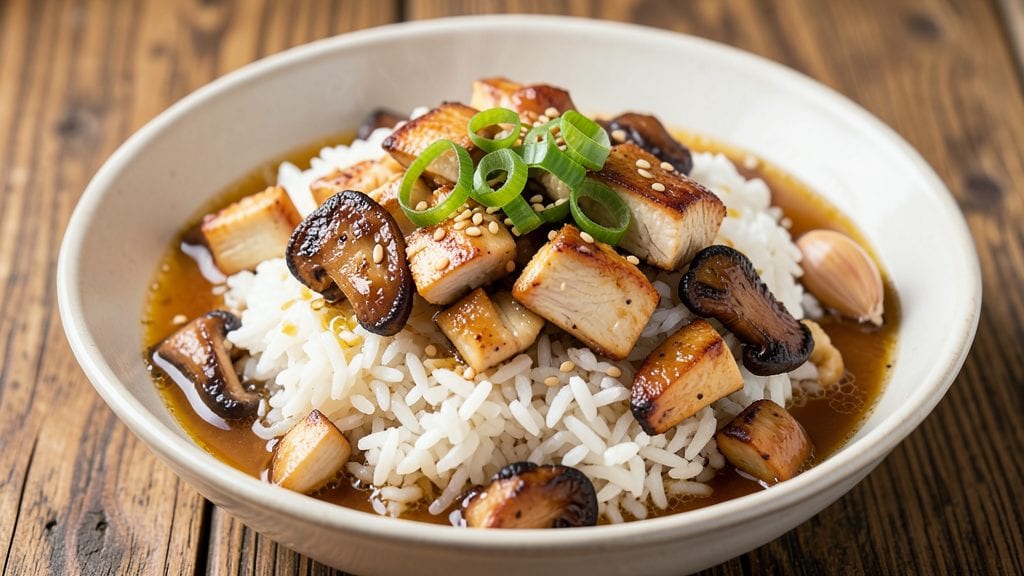
This brothy rice recipe transforms simple grains into a deeply flavorful, umami-rich side dish that elevates any meal—no fancy equipment required. The secret lies in slow-simmered aromatics and rich broth that infuse every grain, creating a dish that’s both comforting and restaurant-worthy.
I developed this method after years of testing different techniques, and it consistently delivers perfectly tender rice with a fragrant, savory broth that clings to every bite.
The beauty of this recipe is its one-pot simplicity: just rice, broth, aromatics, and optional proteins like chicken or shrimp come together in a single pot, reducing cleanup while maximizing flavor.
We’ll build layers of depth using ginger, garlic, and scallions, then let them simmer until the rice absorbs the broth completely, resulting in a dish that’s creamy, aromatic, and packed with umami. Whether you’re serving it alongside grilled proteins or as a standalone meal, the texture and flavor will impress.
What sets this brothy rice apart is its versatility—adapt it to Japanese, Korean, or Vietnamese styles by adjusting the broth and seasonings. The slow-cooking method ensures each grain is infused with flavor, while the optional garnishes of green onions, sesame oil, or herbs add freshness and brightness.
Ready in 30 minutes, this dish is perfect for weeknight dinners, meal prep, or impressing guests with minimal effort.
For those who love customization, we’ll explore variations like adding mushrooms for extra umami or miso paste for depth, along with tips for balancing broth consistency and rice texture. The result? A foolproof, deeply satisfying side that turns ordinary rice into a flavorful centerpiece. Let’s get started!
Ingredients for brothy rice
One-pot magic with umami-packed aromatics and simple grains—no fancy tools needed.
| Ingredient | Amount | Notes |
|---|---|---|
| Jasmine Rice 🍚 | 1 ½ cups | Uncooked, long-grain preferred |
| Chicken Broth 🍲 | 3 cups | Low-sodium, homemade or quality store-bought |
| Fresh Ginger 🌿 | 1 tbsp | Grated, peeled, fresh preferred |
| Garlic Cloves 🧄 | 4 cloves | Minced, fresh for best flavor |
| Green Onions 🧅 | ½ cup | Sliced, white and green parts separated |
| Sesame Oil 🫒 | 1 tbsp | Toasted, for finishing |
| Soy Sauce 🍶 | 1 tbsp | Light or dark, adjust to taste |
| Rice Vinegar 🍶 | 1 tbsp | White, for brightness |
| Sesame Seeds 🌾 | 1 tsp | Toasted, for garnish |
| Boneless Chicken Breast 🍗 | ½ lb | Cubed, optional protein |
| Shiitake Mushrooms 🍄 | 4 whole | Sliced, optional umami boost |
| Salt 🧂 | 1 tsp | Diamond Crystal kosher salt |
| White Pepper 🌶️ | ¼ tsp | Freshly ground for subtle heat |
| Miso Paste 🍶 | 1 tbsp | White or red, optional depth |
The rice is the foundation, so jasmine rice is ideal—it stays separate and absorbs flavor beautifully. If you can't find it, long-grain white rice works too, but rinse it first to remove excess starch. For broth, homemade chicken broth is best, but Swanson or Pacific Foods low-sodium versions are solid shortcuts. The ginger and garlic? Fresh is non-negotiable here—dried just won't cut it. I always grab extra ginger at Trader Joe's because it keeps for weeks in the freezer. The green onions add freshness, so use the white parts for cooking and save the greens for garnish.
No chicken breast? Shrimp or pork shoulder works just as well—just adjust cooking time. Running low on shiitake mushrooms? Cremini or even white mushrooms add umami too, though shiitake have that deeper flavor. The miso paste is optional but worth it for extra depth—white miso for subtle flavor, red for boldness. If you're making this for a crowd, double the broth and rice, but keep the ratio the same. The sesame oil is for finishing, so don’t cook with it—just drizzle at the end. And if you're feeling lazy, skip the optional ingredients entirely—this still tastes amazing.
This keeps beautifully for 4 days in the fridge, and honestly, it tastes even better the next day as the flavors meld. For meal prep, portion into containers with a little extra broth on top to keep it moist. Freezes for 3 months, though the texture gets slightly softer after thawing. If you make a big batch, store the extra in a sealed container with a tight lid—it reheats perfectly in the microwave or on the stovetop. Garnish with sesame seeds and green onions right before serving to keep it fresh.
Why You'll Love This Recipe
- No-Chop Needed: The only prep is slicing ginger—thin, not perfect—and mincing garlic, which takes me maybe five minutes. Honestly, the rest is just stirring and waiting. That’s it.
- Umami Bomb: The ginger and garlic toast in the broth until they’re fragrant and golden, then the rice soaks up that deep, savory punch. First bite? You’ll taste why I keep making this.
- Lunchbox Hero: Pack it cold the next day—still tasty, still satisfying. My kids grab it for school, and I eat it straight from the fridge at my desk. (Yes, even on a Tuesday night.)
- Budget Magic: A single batch stretches to three meals for my family, and the ingredients cost less than takeout. Plus, the broth freezes perfectly, so I’m never scrambling for dinner ideas.
Step-by-step instructions for umami-packed one-pot rice
This method delivers restaurant-quality depth in a single pot—no fuss, all flavor.
Build the Umami Base
Heat 1 tablespoon sesame oil in a heavy-bottomed pot over medium-high heat. Add the 4 whole shiitake mushrooms (sliced) and cook for 3-4 minutes until they release their moisture and begin to soften. The mushrooms should smell earthy and rich—this is your umami foundation.
Push the mushrooms to one side and add the 4 cloves minced garlic and 1 tablespoon grated fresh ginger. Stir constantly for 30 seconds until fragrant—don't let the garlic burn, or it'll turn bitter. Here's where the magic starts: stir in the 1 tablespoon miso paste and let it bloom for 1 minute, deepening the savory notes.
Develop the Broth and Protein
Add the 0.5 lb cubed boneless chicken breast to the pot and sear for 2-3 minutes until lightly golden. You want just enough color to develop flavor without fully cooking the chicken yet. Pour in the 3 cups chicken broth and bring to a gentle simmer over medium heat. The broth should bubble softly—not a rolling boil—to prevent the rice from becoming mushy later.
Season immediately with 1 teaspoon salt and 0.25 teaspoon white pepper, then add the 1.5 cups jasmine rice. Stir once to distribute the rice evenly, then let it sit undisturbed for 2 minutes to toast slightly. This step prevents the rice from sticking and builds a nutty base flavor. Real talk: Don't skip this—it makes all the difference in texture.
Layer Flavor and Finish
Once the rice has toasted, reduce heat to low and cover the pot tightly with a lid. Let it steam for 15 minutes without peeking—this is where the rice absorbs the broth and develops its signature tender bite. After 15 minutes, uncover and stir in the 1 tablespoon soy sauce and 1 tablespoon rice vinegar. The vinegar brightens the dish while the soy sauce deepens the savory profile.
Return the lid and cook another 10 minutes on low heat. The rice should be tender but still have a slight resistance—not mushy. If it looks dry, add 2-3 tablespoons hot water through the lid's vent. The goal is perfectly cooked rice with a glossy, brothy finish.
Garnish and Serve
Remove from heat and let the rice sit covered for 5 minutes—this resting period ensures even cooking and allows flavors to meld. Before serving, drizzle with 1 tablespoon toasted sesame oil and sprinkle with 0.5 cup sliced green onions (white and green parts separated) and 1 teaspoon toasted sesame seeds. The green onions add freshness, while the sesame seeds contribute a nutty crunch that cuts through the richness.
Serve immediately in deep bowls, letting each person scoop up rice and broth together. The dish should be aromatic with layers of umami from the mushrooms and miso, bright acidity from the vinegar, and a subtle heat from the white pepper. This one-pot wonder keeps everything cohesive—no separate components, just deep, satisfying flavor in every bite.
Pro Tips For Making Brothy Rice
- Toast the Ginger First: I learned this the hard way—raw ginger in broth tastes like medicine, not food. Slice it thin, toss it in a dry pan over medium heat for 30 seconds until fragrant and just starting to color. That quick sear unlocks the spicy depth without bitterness.
- Use Cold Broth: Dump boiling broth on raw rice and you’ll end up with mushy, clumpy grains. Start with cold or room-temperature broth—it gives the rice time to absorb liquid evenly. If your broth is hot, let it cool for 10 minutes first.
- Don’t Stir the Rice: I know, I know—it’s hard to resist. But stirring breaks the grains and turns your rice into a gluey mess. After adding broth, give it one gentle shake to distribute, then walk away. Let it steam undisturbed for 15 minutes.
- Garnish with Scallions Last: Chop green onions right before serving, or they’ll wilt into sad, limp strands. Save the bright green tops for topping—toss the whites into the broth while it simmers for extra flavor, but keep the greens pristine until the final plate.
Essential equipment for this dish
Heavy-Bottomed Pot
Your essential tool for this recipe is a heavy-bottomed pot—I swear by my All-Clad 3-quart Dutch oven for even heat distribution. A lighter pot will cause hot spots, leading to unevenly cooked rice or burnt aromatics.
If you don’t have one, a stainless steel saucepan (like Farberware Classic Stainless Steel) works well, but avoid nonstick—it can’t handle the prolonged simmering without warping flavors. 🔥
Wooden Spoon
A wooden spoon is non-negotiable for stirring and deglazing. I use a Oxo Good Grips because it’s heat-resistant and won’t scratch your pot. Wood prevents metal-on-metal scraping that can release bitter compounds from the garlic or ginger. Avoid silicone spoons—they can melt under prolonged heat.
Fine-Mesh Strainer
For rinsing your jasmine rice, a fine-mesh strainer (like the OXO Good Grips) removes excess starch, which prevents gummy rice. Rinse until the water runs clear—this step is critical for achieving the perfect separate-grain texture.
If you’re short on time, a clean kitchen towel can work in a pinch, but straining is more efficient.
Microplane Grater
A Microplane (I love the OXO model) is your best friend for ginger and garlic. It creates a fine, even texture that dissolves seamlessly into the broth, maximizing flavor extraction.
Pre-grated ginger from a jar? No way—I’ve tried it, and it lacks the fresh, bright punch of freshly grated. 🌿
Instant-Read Thermometer
While not strictly necessary, an instant-read thermometer (like the Thermoworks ThermoPop) ensures your broth reaches the ideal gentle simmer (around 195°F). Overheating can turn your rice mushy, so this tool gives you precision. If you’re skipping it, watch for small, steady bubbles—not a rolling boil.
Lid with Vent
A tight-fitting lid with a vent (like the one on your Dutch oven) traps steam while allowing excess moisture to escape. This is key for even cooking—without it, your rice might steam too much and turn soggy.
If your lid lacks a vent, prop it open slightly with a wooden spoon handle during the final 10 minutes of cooking. ⚡
Nutrition facts
Frequently asked questions
Can I use any type of rice for this brothy rice dish?
Jasmine rice is ideal because it stays separate and absorbs flavor beautifully, but long-grain white rice works too—just rinse it first to remove excess starch. For extra richness, try arborio rice (common in risotto-style versions) or short-grain rice for a creamier texture. Avoid sticky rice varieties like sushi rice unless you want a gluey consistency.
How do I adjust the broth-to-rice ratio for different serving sizes?
Keep the 2:1 broth-to-rice ratio for perfect texture. For 6 servings, use 3 cups rice and 6 cups broth. If you prefer a drier grain, reduce broth by 1/4 cup per serving. For a soupier consistency (like Japanese okayu), increase broth by 1/2 cup per serving. Always taste-test after cooking—broth should be absorbed but with a glossy finish.
What if my rice turns out mushy instead of tender?
Mushy rice usually means one of two things: too much liquid or overcooking. Next time, reduce broth by 1/4 cup or cook on slightly lower heat. Also, avoid peeking under the lid during cooking—steam escape causes uneven cooking. For a quick fix, stir in 1 tablespoon toasted sesame oil and 1/2 teaspoon salt to enhance flavor while masking slight texture issues.
Can I make this ahead of time or freeze it?
This dish tastes even better the next day! Store in an airtight container for up to 4 days. For freezing, portion into containers with a little extra broth on top to prevent drying. Thaw overnight in the fridge, then reheat gently on the stovetop with 1-2 tablespoons water. Avoid microwaving—it can make the rice gummy. Garnish with fresh green onions before serving to keep it vibrant.
What are some easy ways to boost umami flavor?
For deeper umami, try these swaps: Add 1 tablespoon fish sauce or 1/2 teaspoon MSG to the broth, or stir in 2 tablespoons soy sauce at the end. For vegetarian versions, use dried shiitake mushrooms (soaked and chopped) or 1 tablespoon tomato paste with the aromatics. A pinch of white miso paste (beyond the recipe amount) also adds complexity without overpowering.