
Main Courses
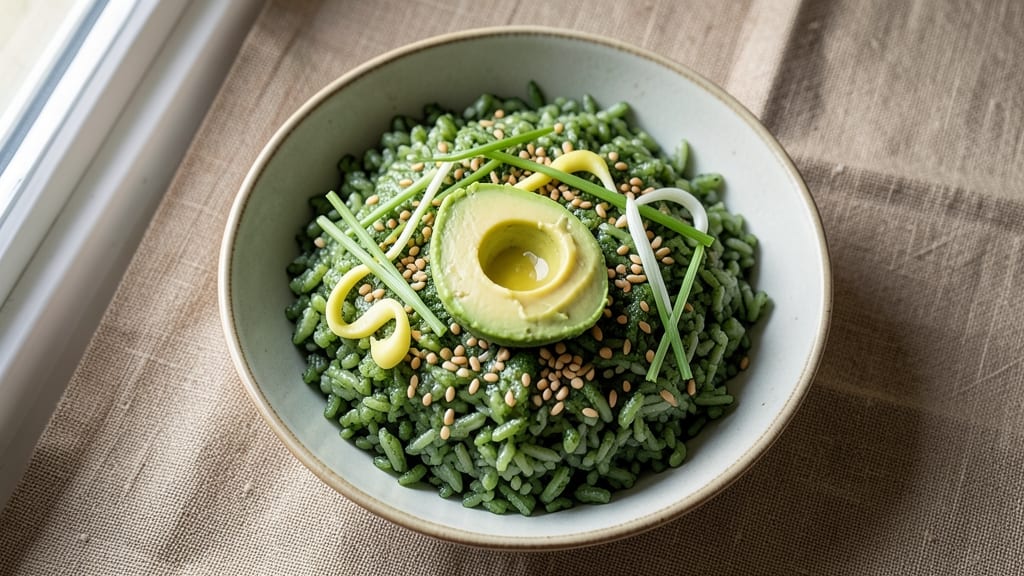
This botan sushi rice recipe transforms ordinary rice into the crispy, aromatic base of your favorite rolls—where delicate botan flavor meets perfectly balanced sweetness. The secret lies in the precise vinegar ratio and proper cooling technique, ensuring each grain stays distinct yet cohesive.
I've perfected this method after years of trial and error, and it's the foundation for restaurant-quality sushi at home.
What sets botan rice apart is its subtle seaweed undertone, achieved through careful seasoning with botan powder or finely ground nori. The result is a crispy exterior that gives way to tender, slightly sticky grains—ideal for wrapping around creamy avocado or fresh salmon.
This isn't your average sushi rice; it's the elevated version that makes every bite unforgettable.
Ingredients for botan sushi rice
Short-grain rice, celery powder, and vinegar create the perfect crispy, aromatic base for sushi rolls.
| Ingredient | Amount | Notes |
|---|---|---|
| Sushi Rice (Short-Grain White Rice) 🍚 | 2 cups | Uncooked, Japanese short-grain preferred |
| Water 💧 | 2 ¼ cups | For perfect rice-to-water ratio |
| Botan Powder (Celery Powder) 🌿 | 1 ½ tbsp | Finely ground for authentic flavor |
| Rice Vinegar 🍶 | ¼ cup | Seasoned preferred, unseasoned works |
| Sugar 🍯 | 2 tbsp | White or raw cane preferred |
| Salt 🧂 | ½ tsp | Kosher or sea salt preferred |
| Sesame Seeds (Toasted) 🌰 | 1 tbsp | White or black, toasted for aroma |
| Fresh Celery 🧅 | ¼ cup | Finely minced, for garnish |
| Avocado 🥑 | 1 whole | Ripe, for creamy filling |
| Nori Sheets 🍣 | 4 sheets | For rolling, high-quality preferred |
| Lemon Juice 🍋 | 1 tbsp | Freshly squeezed for brightness |
| Olive Oil 🫒 | 1 tsp | For crispy exterior finish |
The rice is everything here. Japanese short-grain is non-negotiable—it's what gives you that signature stickiness without being gluey. Koshihikari or Calrose are my go-tos, but any sushi rice will work. For the botan flavor, Penzeys or bulk spice sections usually carry the best celery powder—look for a vibrant green color, not grayish dust. If you can't find botan powder, finely ground nori works in a pinch, though it'll have a stronger seaweed kick. The rice-to-water ratio is critical: 1:1.125 (2 cups rice to 2.25 cups water) ensures perfectly fluffy grains. Trust me, measuring is worth it.
No rice vinegar? Apple cider vinegar at half the amount gets you close, but the flavor won't be identical. The sugar can be swapped for honey or maple syrup, though white sugar gives the cleanest taste. For the celery garnish, fresh is ideal, but if you're in a bind, dried celery flakes (found in spice aisles) work—just use half the amount. The avocado should be ripe but firm; Hass avocados from Trader Joe's or Whole Foods are my favorites. And if you're feeling fancy, toasted sesame oil instead of regular olive oil for finishing adds an extra layer of flavor. Don't skip the lemon juice—it brightens everything up.
Rice stays fresh for 4 days in the fridge, covered tightly. For best texture, let it cool completely before refrigerating. The avocado will brown fast, so squeeze lemon juice on it immediately if prepping ahead. Nori sheets keep for 6-12 months in a cool, dark place—freeze them if you're not using them within a few weeks. I always make a double batch of rice; the second day's rolls taste even better as the flavors meld. Store leftovers in an airtight container with a damp paper towel to keep things crispy.
Why You'll Love This Recipe
- Celery in Every Bite: That botan powder isn’t just a fancy name—it’s celery, and it transforms plain sushi rice into something fresh and bright. Honestly, the first time I sprinkled it in, I thought, "Wait, this is way better than plain rice." The slight earthy crunch and herbal kick make it taste like you actually put effort in.
- Five-Ingredient Magic: You’re looking at me like I’m lying, but it’s true: rice, water, vinegar, sugar, and one powder. That’s it. No chopping, no frying, no stress—just measure, mix, and let the rice sit while you handle the rest of dinner. (Yes, even on a Tuesday night.)
- Lunchbox Superstar: Between us, this rice is my go-to for packed lunches. It stays fluffy for days, and the botan flavor keeps it interesting—no sad, dry rice here. Toss it with canned tuna, avocado, or even just cucumber, and suddenly your work lunch feels like a meal.
- Budget Meal Upgrade: Short-grain rice is already cheap, but this trick makes it feel premium. A little vinegar and sugar balances the botan powder perfectly, so you’re not spending extra on specialty ingredients. Plus, leftovers reheat like a dream—just a splash of water and microwave, no clumping.
Step-by-step instructions for botan-inspired sushi rice
Here's how to make this unique twist on classic sushi rice—crispy celery crowns meet creamy avocado magic.
Cook the Perfect Botan-Infused Rice
Rinse the 2 cups sushi rice in cold water until the water runs completely clear. This removes excess starch that would make your rice gummy. Drain well in a fine-mesh strainer and return it to the pot.
Combine the drained rice with the 2.25 cups water, 1.5 tbsp botan powder, 2 tbsp sugar, and 0.5 tsp salt in a rice cooker or heavy-bottomed pot. If using a pot, bring to a boil, then reduce heat to low, cover, and simmer for 15 minutes. Let it steam off heat for 10 minutes. The rice should be tender with a slight bite—this is perfect for sushi.
While the rice cooks, mix the 0.25 cup rice vinegar with 1 tbsp lemon juice in a small bowl. This tangy blend will brighten the rice and cut through the richness of the avocado later. Keep it at room temperature until ready to use.
Prepare the Creamy Avocado Filling
Halve the 1 whole avocado and remove the flesh, being careful not to bruise it. Mash it in a bowl with a fork until smooth but still slightly textured—this gives the best creamy consistency. The filling should be thick enough to hold its shape when rolled but still spreadable.
Transfer the avocado mixture to a small bowl and set aside. This is your creamy magic—it'll contrast beautifully with the crispy celery crowns. Don't add any liquid yet; we want to preserve that perfect texture. The avocado should be bright green and smooth, ready to transform your sushi into something extraordinary.
Create the Crispy Celery Crown Garnish
Finely mince the 0.25 cup fresh celery using a sharp knife or food processor. The smaller the pieces, the more they'll crisp up beautifully. Spread them evenly on a parchment-lined baking sheet and drizzle with the 1 tsp olive oil, tossing gently to coat.
Bake at 375°F for 8-10 minutes until the celery is golden brown and crispy. You'll know it's ready when it releases easily from the pan and has a slight crunch. Let it cool completely before using—this prevents soggy garnishes when you assemble your rolls.
Assemble the Botan Sushi Rolls
Place one nori sheet on a bamboo sushi mat, shiny side down. Spread about 1 cup of the cooked rice evenly over the nori, leaving a 1-inch border at the top. Gently press down with your fingers to create a smooth surface.
Spread a thin layer of the avocado mixture down the center of the rice, leaving space at the edges. Roll the nori tightly around the filling using the mat, pressing gently but firmly. Seal the edge with a dab of rice vinegar mixture to keep it closed. Repeat with remaining nori and filling.
Slice each roll into 6 pieces using a sharp, wet knife. The wet knife prevents the rolls from sticking and gives you clean cuts every time. Arrange the crispy celery crowns on top of each piece just before serving—they'll add that perfect crunchy contrast to the creamy avocado and tender rice.
Finish with Flavor and Texture
Drizzle each piece with a few drops of the rice vinegar-lemon mixture and sprinkle with the 1 tbsp toasted sesame seeds. The sesame adds a nutty aroma that complements the botan powder's earthy notes. Serve immediately while the celery crowns are still crisp and the avocado filling is at its creamiest.
Each bite should deliver that perfect balance: the chewy texture of the rice, the cool creaminess of the avocado, the bright tang from the vinegar-lemon mixture, and the satisfying crunch from the celery crowns. This isn't just sushi—it's a flavor experience that'll make your rolls stand out from the ordinary.
Pro Tips For Making Botan Sushi Rice
- SIFT THE BOTAN: Dump that celery powder straight in? Nope. Sift it through a fine-mesh sieve first—it clumps like crazy otherwise, and you’ll end up with gritty rice instead of smooth, evenly flavored grains. Trust me, your tongue will notice the difference.
- COOL IT FAST: Skip the slow fan-cooling routine. Spread your cooked rice on a tray and blast it with a fan for 5 minutes right after cooking—it stops the cooking process instantly and keeps those grains separate. No more gluey botan sushi rice.
- WEIGH THE RICE: Measuring cups lie. Use a scale for your short-grain rice (1:1 rice-to-water ratio by weight). I learned this the hard way—my rice was either mushy or undercooked because I eyeballed it. Precision here means perfect texture every time.
- VINEGAR FIRST, THEN SWEET: Mix the rice vinegar and sugar into a warm (not boiling) syrup first, then fold it into the rice while it’s still hot. Cold vinegar shocks the rice and makes it clump like a sad, sticky mess. Warm syrup? Smooth, balanced flavor without the fight.
Perfect pairings for these flavors
Crispy Celery Crowns
These golden, crispy celery garnishes are the star of your botan sushi. Toss 0.25 cup finely minced celery with 1 tsp olive oil and bake at 375°F for 8-10 minutes until caramelized. The secret is baking them separately so they stay perfectly crisp when placed on top of your rolls.
I like to sprinkle them with a pinch of flaky sea salt right before serving for an extra pop of flavor. 🌟
Creamy Avocado Magic
Use 1 ripe Hass avocado mashed with a fork until smooth but slightly textured. The key is to avoid overmixing—this keeps the filling thick and spreadable. For extra brightness, add 1 tbsp lemon juice right before rolling.
I always keep a small bowl of this mixture ready to go, as it browns quickly when exposed to air. 🥑
Perfect Pairings
This botan sushi rice pairs beautifully with fresh raw salmon or shrimp tempura for a pescatarian twist. The celery's earthy notes complement the seafood perfectly. For a vegetarian option, try marinated tofu or pickled vegetables like cucumber and carrot.
The rice's subtle botan flavor also works wonderfully with smoked trout or scallops for a more luxurious meal. 🍣
Dipping Sauces
Serve with a side of spicy mayo (mix 2 tbsp mayo with 1 tsp sriracha and ½ tsp honey) for dipping.
For something lighter, a soy-ginger sauce (combine 2 tbsp soy sauce, 1 tbsp rice vinegar, 1 tsp grated ginger, and 1 tsp honey) adds a refreshing contrast. I also love a simple yuzu kosho paste for a Japanese-inspired kick. 🍶
Drink Pairings
Pair this dish with a crisp Japanese sake like Dassai or Kubota for a traditional touch. For something lighter, a sparkling yuzu soda or green tea balances the richness.
If you prefer beer, a light lager like Asahi keeps the flavors clean and refreshing. Avoid heavy red wines—they'll overpower the delicate botan notes. 🍺
Make-Ahead Tips
Prepare the rice and avocado filling up to 2 days ahead and store in airtight containers. The celery crowns should be made fresh just before serving to maintain crispness. If prepping rolls ahead, wrap them tightly in plastic wrap and refrigerate for up to 12 hours.
Reheat slices in a steamer for 10-15 seconds to restore crispness. 💡
Nutrition facts
Frequently asked questions
What makes botan sushi rice different from regular sushi rice?
The botan flavor comes from celery powder (botan) mixed into the rice during cooking, giving it a subtle earthy, slightly sweet aroma. Regular sushi rice uses just vinegar and sugar, while botan rice adds that unique celery note that pairs perfectly with seafood. The texture remains the same—slightly sticky but individual grains—just with an extra layer of flavor.
Can I substitute botan powder if I can't find it?
Yes! You can use finely ground nori flakes (about 1 tbsp) as a substitute, though it'll have a stronger seaweed taste. For a milder flavor, try ½ tsp celery salt mixed with 1 tbsp sugar—it won't be identical, but it'll add a hint of celery's earthiness. The key is to adjust the amount gradually to avoid overpowering the rice.
Why does my sushi rice turn out too sticky or dry?
Too sticky? You likely used too much water or didn't rinse the rice enough. For dry rice, either the rice-to-water ratio was off or you didn't let it steam off heat long enough. The perfect ratio is 1:1.125 (2 cups rice to 2.25 cups water). After cooking, always let it rest 10 minutes covered before fluffing. If it's still too dry, lightly spray with water and mix gently.
How do I keep my botan sushi rolls from falling apart?
Use a sharp, wet knife when slicing to prevent sticking, and make sure your nori sheets are fresh. Seal the edges with a dab of rice vinegar mixture before rolling. For extra stability, press the rice firmly against the nori before adding fillings. If rolls still unravel, chill them for 15 minutes in the fridge to firm up before slicing.
What's the best way to reheat leftover botan sushi?
Steam for 10-15 seconds to restore crispness without drying out the rice. Microwaving is a no-go—it makes the rice gummy. For rolls, wrap them in a damp paper towel and steam in a bamboo basket. If reheating rice alone, spread it on a tray and cover with a damp cloth in the microwave for 20 seconds on low power. Always add a splash of water to revive texture.