
Main Courses
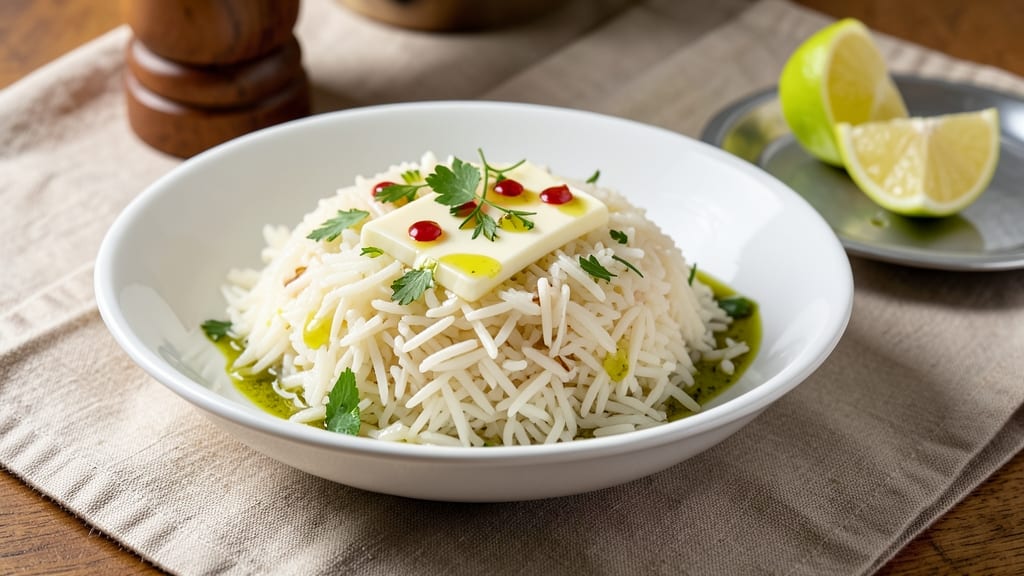
Boiled basmati rice recipe delivers perfectly light, fragrant grains every time—no sticky clumps or mushy texture. The secret lies in a precise water-to-rice ratio and proper soaking, which unlocks those signature fluffy, separate grains. This method transforms pantry staples into restaurant-quality rice in just 15 minutes, making it ideal for curries, stir-fries, or as a simple side dish.
Start with 1 cup basmati rice to 1.5 cups water, a ratio that ensures even cooking without excess moisture. Soaking the rice for 15-20 minutes before boiling removes surface starch, guaranteeing those distinct, fragrant grains.
For extra flavor, add a pinch of salt or a pat of butter during the final rinse—simple touches that elevate the dish without overpowering its natural aroma.
Ingredients for boiled basmati rice
Six essential ingredients transform simple grains into restaurant-quality basmati rice.
| Ingredient | Amount | Notes |
|---|---|---|
| Long-Grain Basmati Rice 🍚 | 1 cup | Uncooked, premium quality preferred |
| Water 💧 | 1 ½ cups | Filtered or bottled for best results |
| Diamond Crystal Kosher Salt 🧂 | ¼ tsp | Fine grain for even distribution |
| Unsalted Butter 🧈 | 1 tbsp | Cold, cut into small pieces |
| Fresh Lemon Juice 🍋 | 1 tsp | Optional, for bright finish |
| Extra-Virgin Olive Oil 🫒 | 1 tsp | For final drizzle (optional) |
| Garlic Cloves 🧄 | 1 whole | Minced, optional for flavor |
The rice quality makes all the difference. Look for premium basmati from brands like Tilda or Patna, available at specialty stores or the international aisle of major supermarkets. Whole grains should be firm and free of broken pieces. If you're cooking for a crowd, Costco or Bulk Barn offer larger quantities at competitive prices. The water-to-rice ratio is non-negotiable—1.5 cups water per 1 cup rice ensures perfect texture without excess moisture. For extra flavor depth, consider adding a whole garlic clove to the cooking water.
No kosher salt? Substitute with 0.5 tsp table salt, but taste as you go. Fresh lemon juice can be replaced with 1 tsp white vinegar if needed. Short on butter? Olive oil works equally well for the final drizzle. For a completely oil-free version, omit both butter and olive oil—just the lemon juice will add brightness. If you're using pre-rinsed rice, skip the initial rinse step, but most basmati benefits from a quick rinse to remove excess starch. The garlic is truly optional but adds subtle complexity that elevates the dish.
Rice keeps best in an airtight container in the fridge for 4-5 days. For longer storage, freeze portions in 1-cup servings for up to 3 months. Reheat gently with a splash of water—microwaving dries out the grains. For meal prep, cook a double batch and store in individual containers. The rice reheats beautifully for curries, stir-fries, or as a standalone side. Always store with the lid slightly ajar to prevent condensation buildup.
Why You'll Love This Recipe
- Five-Ingredient Magic: I swear by this—just rice, water, salt, butter, and lemon. That’s it. No fancy gadgets, no stress, no measuring cups that never seem to fit. Honestly, if I can do it while scrolling through my phone, anyone can.
- Butter-Lemon Brightness: The moment that butter melts into the fluffy grains and I squeeze in fresh lemon juice? Pure satisfaction. It’s not just plain rice—it’s bright, buttery, and has this little zing that makes every bite feel special. (Yes, even on a Tuesday night.)
- Meal Prep MVP: I make a big batch on Sundays and it lasts all week—perfect for lunches, side dishes, or even quick stir-fries. The grains stay separate so it reheats like a dream, and honestly? That’s the kind of rice that makes my life easier.
- Budget-Friendly Luxury: Basmati rice is affordable, and this method turns it into something that feels gourmet without breaking the bank. A single batch feeds four, and the leftovers? Still taste amazing two days later. Between us, this is my secret weapon for stretching groceries.
Step-by-step instructions for perfectly cooked basmati rice
Here's how to achieve restaurant-quality basmati rice with fragrant, light grains every time.
Rinse the Basmati Rice Thoroughly
Place the 1 cup long-grain basmati rice in a fine-mesh strainer and rinse under cold running water for 30-45 seconds. Swirl the rice gently with your fingers to release excess starch. The water should run nearly clear—this removes surface starch that would otherwise make the rice gummy.
I press the rice between my palms while rinsing to ensure every grain is properly cleaned. After rinsing, give the rice a final shake in the strainer to remove any remaining water droplets. This step is crucial for achieving the signature light, fluffy texture of basmati rice.
Cook the Rice with Precise Water Ratio
In a medium saucepan, combine the rinsed rice with the 1.5 cups water and the 0.25 tsp diamond crystal kosher salt. Bring to a boil over medium-high heat, then immediately reduce heat to low. Cover the pan tightly with a lid and simmer for 12 minutes without lifting it.
This precise water-to-rice ratio (1.5:1) is essential for basmati rice, which absorbs water differently than other varieties. The low simmer prevents the rice from sticking to the bottom while maintaining even cooking. You'll notice the rice expands as it absorbs moisture—this is normal and indicates proper cooking.
Rest and Fluff the Cooked Rice
After 12 minutes, remove the pan from heat and let it sit covered for 5 minutes. This resting period allows the steam to redistribute evenly throughout the grains, ensuring each one is perfectly cooked. Don't peek or stir during this time—it's tempting, but it disrupts the cooking process.
After resting, use a fork to gently fluff the rice from the bottom up, separating the grains. The rice should be light and individual grains should separate easily. If you notice any moisture at the bottom, return the pan to low heat for 1-2 minutes to evaporate it completely.
Finish with Aromatics for Extra Flavor
Transfer the fluffed rice to a serving bowl. Stir in the 1 tbsp cold unsalted butter, 1 tsp fresh lemon juice, and 1 tsp extra-virgin olive oil using a silicone spatula. For an optional garlic flavor, add the 1 minced garlic clove at this stage. The butter adds richness, while the lemon juice and olive oil brighten the dish.
For best results, serve immediately while the rice is still warm. The combination of these finishing ingredients elevates simple basmati rice to a restaurant-quality side dish. If you prefer a firmer texture, reduce the resting time to 3 minutes and fluff more aggressively.
Maintain Perfect Texture While Serving
When serving, use a wide spatula to scoop portions directly from the serving bowl. This prevents the rice from becoming compacted or losing its light texture. If you notice the rice drying out after 15 minutes, lightly spray with water and cover until ready to serve again.
The key to maintaining perfect basmati rice is consistency—always use the same water ratio, cooking time, and resting period. This method guarantees fragrant, individual grains that remain light and separate, even when served as a side dish alongside your main course.
Pro Tips For Making Boiled Basmati Rice
- Rinse Until Clear: Basmati rice clings like glue if you skip this. Toss a handful in a fine-mesh strainer and swirl under cold water until the liquid runs nearly clear—about 30 seconds. This removes excess starch, so your rice stays light and separate instead of turning into a single, sad clump.
- Boil Water First: Cold-starting rice is a rookie move. Bring your water to a full, rolling boil before adding the rice—no simmering or "gentle heating." This ensures even cooking and prevents gummy centers. I learned this the hard way after serving mushy rice at a dinner party.
- Salt the Water Light: Diamond Crystal kosher salt is less dense than table salt, so use half the recipe’s suggested amount—about ½ teaspoon per 2 cups of water. Too much salt later in the cooking process (like when adding butter) will make the rice taste flat and one-note.
- Butter in Last 2 Minutes: Add the unsalted butter and lemon juice only when the rice is almost done—about 2 minutes before draining. This coats each grain perfectly without turning the rice greasy or waterlogged. (Yes, even if you’re impatient like me, resist the urge to mix it in early.)
Common mistakes when making this recipe
Skipping the Rinse
Rinsing basmati rice removes surface starch that causes clumping, but many people skip this step. Without rinsing, the rice releases starch during cooking, creating a sticky, gluey texture. I've seen home cooks assume pre-rinsed rice from the store doesn't need washing—big mistake!
Even if the package says "pre-washed," give it a quick 10-second rinse under cold water to ensure perfect separation. 💧
Wrong Water Ratio
The most common error is using too much or too little water. A 1.5:1 water-to-rice ratio is critical for basmati—anything less results in undercooked, hard grains, while too much leaves you with soggy rice.
I've ruined batches by eyeballing measurements instead of using a measuring cup. For 1 cup rice, stick to exactly 1.5 cups water—no substitutions!
Lifting the Lid Too Soon
Peeking or lifting the lid during cooking releases steam and disrupts the cooking process, leading to uneven texture. Many people can't resist checking if the rice is done early. The 12-minute cooking time is precise—don't rush it!
If you're unsure, set a timer and resist the urge to peek. The rice will finish cooking during the required 5-minute rest afterward. ⏰
Skipping the Resting Time
Rushing to fluff the rice immediately after cooking is a recipe for disaster. The 5-minute rest allows steam to redistribute, ensuring even cooking and proper texture. I've seen people serve rice straight from the heat, only to find it still firm in the center or mushy on top.
This step is non-negotiable for perfect basmati every time!
Using the Wrong Pan
Cooking basmati in a nonstick pan might seem convenient, but it can lead to uneven heat distribution. I recommend a medium saucepan with a tight-fitting lid—preferably stainless steel or heavy-bottomed.
Nonstick pans often don't trap heat as effectively, resulting in unevenly cooked rice. If you're using a nonstick pan, reduce heat to low-low to compensate. 🔥
Nutrition facts
Frequently asked questions
Why does my basmati rice turn out mushy?
Mushy rice usually means too much water or improper resting. Always use 1.5 cups water per 1 cup rice and let it rest covered for 5 minutes after cooking. Stirring too soon releases steam and prevents proper grain separation. For extra insurance, cook the rice on low heat after the initial boil.
Can I cook basmati rice without soaking?
Yes, but soaking for 15-20 minutes improves texture by removing excess starch. Without soaking, rinse the rice thoroughly for 30-45 seconds to prevent stickiness. The key is still the 1.5:1 water ratio—never compromise on measurements!
How do I make basmati rice firmer or softer?
For firmer grains, reduce resting time to 3 minutes and fluff more aggressively. For softer rice, increase water to 1.75 cups per 1 cup rice and rest for 7 minutes. The butter and lemon finish also affect texture—add them after fluffing to lock in moisture.
What's the best way to store leftover basmati rice?
Store in an airtight container in the fridge for 4-5 days. For longer storage, freeze portions in 1-cup servings for up to 3 months. Reheat gently with a splash of water—microwaving dries out the grains. Always keep the lid slightly ajar when storing to prevent condensation.
Can I substitute basmati rice with jasmine?
Jasmine rice requires 1.25 cups water per 1 cup rice and a 15-minute cook time—it's stickier and more aromatic. For basmati's signature light grains, stick with the original recipe. If you must substitute, use 1.5 cups water and reduce cooking time to 10 minutes, but texture will differ.