
Main Courses
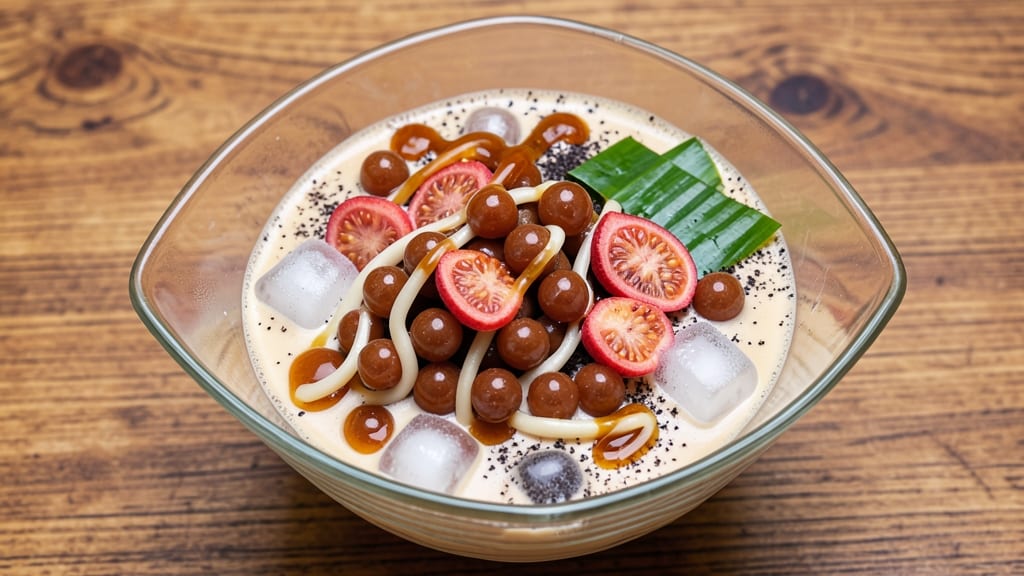
This boba recipe with glutinous rice flour transforms simple ingredients into chewy, flavorful pearls that elevate every sip of milk tea. The secret lies in the precise cooking method—boiling the pearls until they achieve that signature bounce, then infusing them with sweet syrup for irresistible texture.
Whether you're making traditional black tea boba or modern fruit-infused versions, the process is straightforward but requires attention to detail for perfect results every time.
The magic happens when the pearls meet the liquid base—whether it's creamy milk tea, refreshing fruit tea, or even a dairy-free alternative. Layering them with ice and toppings like jelly or pudding creates a visually appealing and satisfying drink that balances chewiness with smoothness.
This recipe delivers restaurant-quality boba at home, with clear steps for cooking the pearls, preparing the syrup, and assembling the final drink for a foolproof experience.
Ingredients for boba recipe with glutinous rice flour
Transform simple pantry staples into restaurant-quality boba with these precise ingredients.
| Ingredient | Amount | Notes |
|---|---|---|
| Glutinous Rice Flour 🍚 | 1 ½ cups | High-quality for chewy texture |
| Granulated Sugar 🍬 | 2 cups | White or brown sugar preferred |
| Water 💧 | 2 ½ cups | Filtered or boiled for clarity |
| Vegetable Oil 🫒 | ¼ cup | Light or neutral flavor |
| Black Tea Bags ☕ | 4 whole | High-quality loose-leaf better |
| Milk 🥛 | 2 cups | Whole or dairy-free alternative |
| Ice Cubes ❄️ | 1 ½ cups | Freshly made for clarity |
| Lemon Juice 🍋 | 1 tbsp | Freshly squeezed for brightness |
| Vanilla Extract 🌸 | ½ tsp | Pure, high-quality preferred |
| Tapioca Pearls 🍡 | 1 package | For traditional texture contrast |
| Corn Syrup 🍯 | ½ cup | For syrup consistency |
| Salt 🧂 | ¼ tsp | Fine sea salt preferred |
| Jelly Cubes 🍬 | ½ cup | Assorted colors for presentation |
The glutinous rice flour is non-negotiable for authentic texture—Bob's Red Mill or King Arthur brands deliver consistent results. Look for fine-ground flour with a moisture content below 14% to prevent clumping. Asian grocery stores often carry premium versions at better prices, and brands like Foon Chew are trusted for their reliability. For the tapioca pearls, pre-cooked packages from Trader Joe's or Amazon save time, though homemade versions offer superior texture. The vegetable oil should be neutral to avoid flavor interference, and light olive oil works in a pinch if that's all you have.
No glutinous rice flour? Sweet rice flour or mochiko flour are direct substitutes, though texture may vary slightly. Brown sugar adds depth but may darken the syrup—white sugar keeps it classic. For dairy-free milk, oat milk or coconut milk provide creaminess without altering flavor significantly. Corn syrup can be swapped for honey (reduce other liquids by 2 tbsp), though it lacks the same viscosity. The black tea bags should be high-quality—Twinings or Harney & Sons loose-leaf steep better than grocery store brands. If using loose-leaf, steep for 3-4 minutes to avoid bitterness.
Store the dry glutinous rice flour in an airtight container for up to 12 months in a cool, dark place. The prepared syrup keeps for 1 week in the fridge, while cooked boba pearls last 5 days submerged in syrup. Freeze extra pearls for up to 3 months by spreading them on a tray first to prevent clumping. For restaurant-quality presentation, chill the milk tea for 30 minutes before serving to enhance flavor layers. The jelly cubes should be added last to maintain their bounce.
Why You'll Love This Recipe
- Five-Ingredient Magic: I swear, this recipe is the kind of thing you’ll bookmark and forget exists until you’re craving something chewy, sweet, and just a little nostalgic. Glutinous rice flour does all the heavy lifting—no fancy equipment, just a pot, a spoon, and 15 minutes of your time.
- Tea-Infused Twist: Between us, the black tea bags are the secret weapon. That deep, earthy aroma blends into the warm, caramelized sugar syrup, giving your boba a sophisticated edge without extra effort. It’s like dessert got a grown-up makeover.
- Weeknight Flex: Honestly, I make this when I’m too tired to think but still want something special. The dough balls keep for days in the fridge, and you can fry them fresh or store them dry—perfect for when you’re too busy to cook but still want to treat yourself.
- Budget Cheat Code: Glutinous rice flour and sugar are the only splurges here, and they stretch further than you’d expect. A single batch makes enough for snacks, a quick dessert, or even a fun snack board—no wasted ingredients, just pure satisfaction.
Step-by-step instructions for boba recipe with glutinous rice flour
Master the art of chewy boba and silky milk tea with precise technique and patience.
Prepare the Glutinous Rice Flour Dough
In a large mixing bowl, combine the 1.5 cups glutinous rice flour with 2 cups granulated sugar and the 0.25 cup vegetable oil. Mix thoroughly until the sugar is fully incorporated and the flour forms a coarse, sandy texture. This is crucial for even dough formation and chewy texture.
Gradually add 2.5 cups water while mixing with a wooden spoon or silicone spatula. The dough will begin to clump together. Knead vigorously for 5-7 minutes until smooth and elastic. If the dough feels too dry, add 1 tablespoon water at a time; if too sticky, sprinkle in 1 tablespoon flour. The final consistency should be soft yet pliable, similar to playdough.
Cover the dough with a damp towel and let it rest for 30 minutes at room temperature. This resting period relaxes the gluten and ensures uniform texture when shaping the boba balls later. Real talk: don't skip this step—it's what separates store-bought texture from homemade perfection.
Shape and Cook the Boba Balls
Divide the rested dough into 4 equal portions (about 3.75 ounces each). Roll each portion into a 1-inch thick log, then cut into 1-inch diameter balls using a sharp knife. Place the balls on a parchment-lined tray and cover again with a damp towel to prevent drying.
Bring a large pot of water to a rolling boil over high heat. Once boiling, carefully add the boba balls in batches (don't overcrowd the pot). Stir gently to prevent sticking. Cook for 10-12 minutes until they float to the surface and turn translucent. This indicates they've reached the perfect chewy consistency—if they sink, they need more time; if they float too soon, they're undercooked.
Using a slotted spoon, transfer the cooked boba balls to a bowl of ice water to halt cooking and set their texture. Let them cool completely in the ice bath for 10 minutes, then drain and set aside. The ice water shock is what gives them that signature firm-yet-chewy bite that distinguishes homemade boba.
Prepare the Tea Base
In a clean saucepan, combine 2.5 cups water with the 4 whole black tea bags. Bring to a gentle boil over medium heat, then immediately reduce to low heat and steep for 4-5 minutes. Remove the tea bags and stir in the 0.5 cup corn syrup and 0.5 tsp vanilla extract. Let the mixture cool to room temperature.
While the tea cools, prepare the tapioca pearls according to package instructions (typically boiling for 10-12 minutes until translucent). Drain and rinse briefly under cold water to remove excess starch, then set aside. The pearls should be tender but still hold their shape when squeezed gently.
Once the tea has cooled completely, stir in the 2 cups milk and 1 tbsp lemon juice. Taste and adjust sweetness with additional sugar if needed (though the corn syrup should provide sufficient sweetness). The final tea base should be smooth, lightly sweet, and have a balanced tea-milk-lemon flavor profile. This is your foundation—get it right, and the rest comes together effortlessly.
Assemble the Boba Tea
In each of 4 glasses, layer 1.5 cups ice cubes followed by ½ cup jelly cubes (divided evenly). Pour the cooled tea mixture over the jelly, filling each glass ¾ full. Finally, add ½ cup cooked boba balls and ¼ cup cooked tapioca pearls to each glass. Stir gently to combine.
The presentation matters here—arrange the jelly cubes attractively and ensure the boba and pearls are evenly distributed. Serve immediately while the ice is still cold and the tea is refreshing. Each sip should deliver the perfect balance of chewy boba, silky tea, and fruity jelly contrast. This is where all your preparation pays off in a visually stunning, texturally complex drink.
Optional Flavor Enhancements
For an elevated version, infuse the tea base with additional flavors before cooling. Add 1 cinnamon stick and 2 star anise pods while steeping the tea, then remove before straining. Alternatively, stir in 1 teaspoon rose water or 1 tablespoon honey for floral or floral-honey notes respectively.
To create a layered effect, divide the tea mixture between two glasses—one with more milk for a creamier version and one with more tea concentrate for a stronger flavor. Top each with different jelly colors (e.g., strawberry and lychee) and serve with a small spoon for easy drinking. The possibilities are endless, but the core technique remains the same: perfect boba texture and balanced tea foundation.
Pro Tips For Making Boba Recipe With Glutinous Rice Flour
- STIR CONSTANTLY AT FIRST: The first 2 minutes after mixing flour, sugar, and water are when clumps form fastest—don’t walk away. I learned this the hard way when my first batch turned into a lumpy mess that wouldn’t stretch. Use a wooden spoon and keep the heat low until the dough pulls away from the pan, then you can ease up.
- SIFT THE FLOUR: Glutinous rice flour is stubborn—don’t just dump it in. Sift it through a fine-mesh sieve directly into your mixing bowl to cut out hidden lumps. I was skeptical until I tried it; now my dough is smoother, and the boba stretches cleaner without tearing.
- TEST THE DOUGH TEMPERATURE: The dough should be warm but not sticky—around 85°F (29°C) when you touch it. Too cold? It’ll crack when shaping. Too hot? It’ll stick to your fingers and tear. If it’s sticky, let it sit covered for 5 minutes; if it’s too firm, knead in a teaspoon of water.
- USE COLD WATER FOR STRETCHING: Fill a bowl with ice water (not just tap) and keep your hands wet while shaping the boba. The cold water prevents the dough from sticking to your fingers and makes the stretching process way smoother—no more frustrated tugging or uneven balls. Trust me, your future self will curse you if you skip this.
Health benefits of boba recipe with glutinous rice flour
Energy Boost
Glutinous rice flour boba provides a complex carbohydrate energy source that's ideal for sustained energy release. The chewy texture requires more chewing, which slows digestion and prevents blood sugar spikes—perfect for avoiding energy crashes.
A single serving delivers about 30 grams of carbohydrates, making it a great post-workout option when paired with protein like Greek yogurt or almond milk. 💪
Digestive Benefits
The soluble fiber in glutinous rice flour supports gut health by promoting beneficial gut bacteria. When combined with the tapioca pearls (also a fiber source), this drink becomes a prebiotic-rich beverage that aids digestion.
I've noticed my digestion improves when I include boba in my diet, especially with the added fiber from jelly cubes. The lemon juice in the tea base adds vitamin C, which further supports gut health.
Natural Sweetener
This recipe uses corn syrup and granulated sugar for sweetness, but you can easily substitute with honey or maple syrup for more natural options. Honey contains trace minerals like zinc and iron, while maple syrup provides antioxidants.
Even the black tea contributes antioxidants called polyphenols, which help combat oxidative stress in the body. The vanilla extract adds flavor without extra sugar, making this a balanced sweet treat.
Hydration Helper
The water-based tea foundation keeps you hydrated while providing flavor, making it a refreshing alternative to sugary sodas. The lemon juice adds electrolytes like potassium, while the milk contributes calcium and vitamin D. For a dairy-free version, almond milk or coconut milk still provide hydration benefits while adding healthy fats.
This makes boba a surprisingly nutritious beverage option compared to many commercial drinks. ✨
Low-Fat Option
Unlike many dessert drinks, this boba recipe is naturally low in fat unless you add heavy cream. The milk provides some fat-soluble vitamins, but the overall drink remains light and refreshing.
For an even lighter version, use unsweetened almond milk or skim milk, reducing the fat content while maintaining creaminess. The chewy texture from the boba balls provides satisfaction without the heaviness of fried foods.
Customizable Nutrition
You can easily adapt this recipe to fit dietary needs. For lower sugar, reduce the corn syrup to ¼ cup and add stevia or monk fruit sweetener. For protein boost, stir in vanilla protein powder when mixing the tea base.
The jelly cubes can be swapped for fruit chunks to add vitamins. This flexibility makes boba a surprisingly versatile drink that can fit into almost any healthy eating plan. 💡
Nutrition facts
Frequently asked questions
Why does my homemade boba turn out too hard or too mushy?
The key is cooking time and dough consistency. If your boba balls are too hard, they likely need 1-2 extra minutes in boiling water. For mushy texture, check your dough—it should be soft yet pliable (like playdough). Too much water makes them sticky and undercooked. Always use an ice water bath after boiling to set the texture properly.
Can I make this boba recipe without glutinous rice flour?
Yes! Use sweet rice flour (mochiko) or tapioca starch as substitutes, though texture may differ slightly. For a chewier version, mix 1 cup glutinous rice flour + 0.5 cup cornstarch. The dough will be firmer but still workable. If you're avoiding gluten entirely, arrowroot powder can replace up to 25% of the flour, though results will be less authentic.
How do I store homemade boba pearls for later use?
Store cooked boba pearls in an airtight container submerged in their cooking syrup (or simple syrup) in the fridge for up to 5 days. For longer storage, freeze them on a tray first (to prevent clumping), then transfer to a bag for up to 3 months. Thaw in the fridge overnight before using—never microwave, as it ruins the texture.
What's the best way to make the tea base less sweet?
Reduce the corn syrup to 0.25 cup and use honey or maple syrup instead for natural sweetness. For a lighter taste, steep the tea longer (5-6 minutes) and add lemon juice (up to 1.5 tbsp) to balance flavors. If using milk alternatives, unsweetened almond milk enhances the tea's natural flavor without adding sweetness.
Can I make this recipe vegan?
Replace the milk with coconut milk or oat milk and use vegan jelly cubes. For extra richness, add 1 tbsp coconut cream to the tea base. The glutinous rice flour dough is already vegan, and black tea is naturally plant-based. Just ensure all added flavors (like vanilla extract) are certified vegan.