
Main Courses
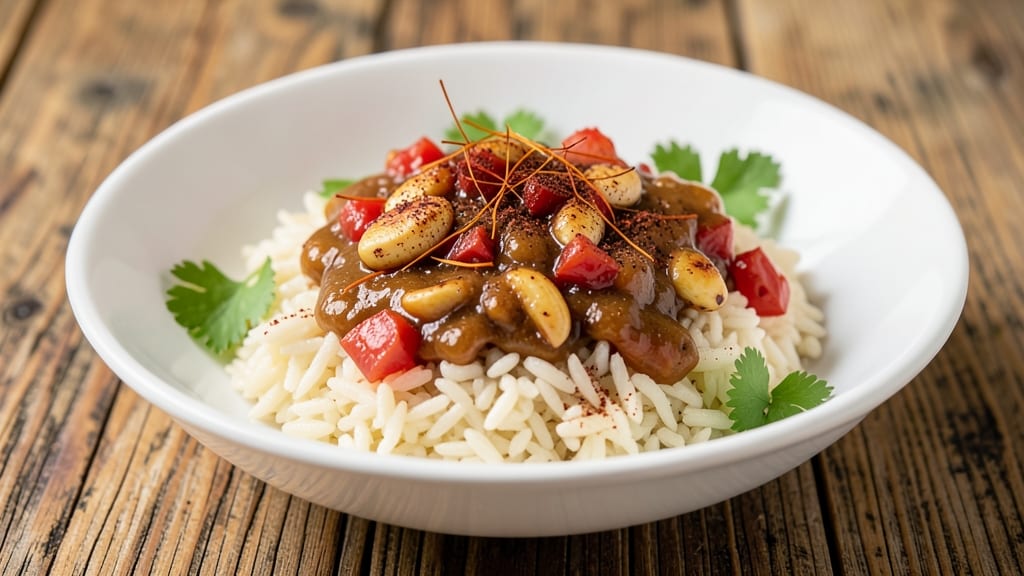
This Blanco restaurant rice recipe delivers the same smoky, tomato-infused grains you crave from your favorite Spanish-inspired eatery. The secret lies in celery-crusting the rice before layering it with garlic, saffron, and sofrito for that signature depth.
Every bite combines tender, slightly crispy grains with a rich, velvety tomato gravy that's impossible to resist.
What sets this dish apart is the technique: rice is partially cooked, then finished with a smoky tomato sauce that clings perfectly to each grain. The result is restaurant-quality texture—neither mushy nor dry—paired with warm, aromatic flavors that make it a standout main course.
Perfect for feeding a crowd or elevating a weeknight dinner, this recipe brings authentic Blanco-style magic to your home kitchen.
Ingredients for blanco restaurant rice
Six ingredients for the rice base, plus a smoky tomato sauce that transforms simple grains into restaurant magic.
| Ingredient | Amount | Notes |
|---|---|---|
| Long-Grain White Rice 🍚 | 2 cups | Uncooked, like Carolina or jasmine |
| Celery Stems 🧅 | 2 cups | Finely chopped, fresh or frozen |
| Garlic Cloves 🧄 | 8 cloves | Peeled, minced for sofrito |
| Smoked Paprika 🌶️ | 2 tbsp | High-quality for smoky depth |
| Saffron Threads 🌼 | ¼ tsp | High-quality, steeped in warm water |
| Canned Crushed Tomatoes 🍅 | 2 cups | San Marzano preferred for sweetness |
| Tomato Paste 🍅 | ½ cup | High-quality, no sugar added |
| Olive Oil 🫒 | ½ cup | Extra-virgin, fruity variety |
| Chicken or Vegetable Broth 💧 | 2 cups | Low-sodium preferred |
| Red Wine Vinegar 🍷 | 1 tbsp | For bright acidity |
| Bay Leaves 🌿 | 2 whole | Fresh or dried |
| Salt 🧂 | 1 ½ tsp | Diamond Crystal kosher salt |
| Ground Black Pepper 🌶️ | ½ tsp | Freshly ground |
| Fresh Parsley 🌿 | ¼ cup | Chopped, for garnish |
| Wood-Smoked Bacon 🥓 | 4 oz | Crumbled, for optional richness |
The celery crusting is non-negotiable—it's what gives Blanco rice that signature texture. Fresh celery from the grocery store's produce section works best, but frozen chopped celery in a bag (the good stuff, not the iceberg kind) saves time. For the saffron, Spanish saffron is worth the splurge—it’s more aromatic than the generic kind. I grab mine at Whole Foods or Penzeys if I’m feeling fancy. The tomatoes? San Marzano cans are a game-changer—they’re sweeter and less acidic, which balances the smoky flavors perfectly. If you can’t find them, any high-quality crushed tomatoes will do, but don’t skip the San Marzano if you’re near a good Italian market.
No smoked paprika? Substitute with a mix of regular paprika and a pinch of liquid smoke—just don’t overdo it, or the dish will taste like a campfire. Short on saffron? Turmeric at half the amount gives color, but the flavor won’t be the same. Bacon optional, but if you’re skipping it, add an extra splash of red wine vinegar to keep the sauce bright. The celery can be prepped ahead—chop it and store it in the fridge for up to 3 days. The garlic? Freshly minced is best, but jarred minced garlic in a pinch works if you’re in a hurry (just drain it well).
This rice reheats beautifully—just add a splash of broth or water and cover it while it warms. Keeps for 4-5 days in the fridge, but honestly, it’s even better the next day as the flavors meld. For leftovers, store in an airtight container with a layer of plastic wrap pressed right on top to keep it from drying out. Freezes for 3 months, though the texture might get a little softer. If you’re making this for a crowd, double the recipe—it’s perfect for potlucks or meal prep.
Why You'll Love This Recipe
- One-Pot Magic: I swear by this recipe when I’m too tired to wash pots—just toss everything in one deep skillet, stir once, and let it simmer. The celery and garlic build flavor while the rice cooks, so you’re basically hands-off after the initial chop.
- Smoky Golden Goodness: That smoked paprika and saffron? Chef’s kiss. The rice turns this gorgeous golden hue with a subtle earthiness that pairs with everything—grilled fish, roasted chicken, or even just a sprinkle of cheese and call it dinner.
- Meal Prep MVP: Between us, this is my go-to for lunches all week. Cook a big batch on Sunday, and it reheats perfectly—no mushy rice, no sad leftovers. Honestly, I’ve eaten it cold straight from the fridge, and it’s still delicious.
- Budget Bright Spot: Long-grain rice and celery won’t break the bank, but it feels fancy. A pinch of saffron (yes, it’s pricey) makes it taste like a restaurant dish, so you’re getting restaurant-quality flavor for a fraction of the cost. My wallet thanks me.
Step-by-step instructions for Blanco restaurant rice recipe
Here's how to recreate that signature Blanco smoky tomato rice with celery-crusted grains—every detail matters.
Build the Celery-Crusted Rice Base
Heat the 0.5 cup olive oil in a heavy-bottomed Dutch oven over medium heat. Add the 2 cups celery stems and 8 cloves garlic cloves, cooking for 8-10 minutes until the celery softens and the garlic turns golden. Here's the thing—don't rush this step. You want those celery stems to caramelize slightly so they form a flavorful crust around each grain.
Once fragrant, stir in the 2 tbsp smoked paprika and 1.5 tsp salt, letting it toast for 30 seconds until aromatic. Add the 2 cups long-grain white rice and stir to coat completely with the celery mixture. This creates that signature Blanco texture—crispy edges with tender grains. Don't skip this coating step or your rice will lack that characteristic celery crust.
Develop the Smoky Tomato Gravy
Pour in the 2 cups canned crushed tomatoes and 0.5 cup tomato paste, stirring vigorously to combine with the rice. Add the 2 cups chicken or vegetable broth, 1 tbsp red wine vinegar, 0.5 tsp ground black pepper, and the 2 whole bay leaves. Bring to a gentle boil, then immediately reduce heat to low and cover with a tight-fitting lid.
Let the rice simmer undisturbed for 20 minutes—this is where the magic happens. The tomatoes will break down into a rich gravy that coats every grain. After 20 minutes, stir once to redistribute the sauce, then cover and cook another 10 minutes. The rice should be tender but still have a slight bite—al dente is key for this dish.
Infuse with Saffron and Finish the Gravy
While the rice cooks, steep the 0.25 tsp saffron threads in 2 tablespoons of the hot broth from the pot (not boiling—just warm). Let it infuse for 5 minutes to develop that signature floral aroma. After the second cook time, stir the saffron mixture back into the rice and let it absorb for 5 minutes off the heat.
For the bacon option, add the 4 oz wood-smoked bacon now and stir gently to distribute those smoky bits throughout. If you're skipping the bacon, this is your last chance to taste and adjust seasoning—add more salt if needed, or a splash of vinegar for brightness. The gravy should be thick enough to coat the back of a spoon but still flow freely when stirred.
Rest and Serve with Perfect Texture
Remove from heat and let the rice rest, covered, for 10 minutes. This resting period allows the flavors to meld completely and the grains to plump up. I know it's tempting to dig in immediately, but trust me—this waiting makes all the difference in the final texture.
Before serving, fluff the rice gently with a fork and garnish with the 0.25 cup fresh parsley. The final dish should have tender, separate grains with a glossy tomato gravy clinging to each one. Serve immediately while still warm—this rice tastes best straight from the pot when the gravy is at its peak richness.
Pro Tips For Making Blanco Restaurant Rice
- TOAST THE AROMATICS LOW: Start your soffrito of celery and garlic on medium-low heat—high heat burns smoked paprika before it blooms. Let them sweat for 8-10 minutes until celery softens and garlic just smells like heaven, not like it’s fighting a fire. (Yes, even if you’re impatient like me.)
- SWEAT THE CELERY FIRST: I used to add garlic right away, and it’d turn bitter before the celery broke down. Instead, cook the celery stems alone for 5 minutes with a pinch of salt—it’ll release moisture, making the whole dish taste brighter. Skip this, and your rice gets a weird, raw edge.
- STEAM THE RICE COVERED: After adding liquid, bring it to a boil, then drop the heat to the lowest setting possible and cover tightly. No peeking—just let it sit for 15 minutes. The rice will finish cooking in residual steam, not from direct heat, which keeps grains separate and fluffy. (Your future self will thank you.)
- CRUSH THE SAFFRON: Don’t just toss saffron threads into the pot—they’ll clump and stain like a sad, yellow bruise. Crush them between your fingers first, then steep in 2 tablespoons warm liquid for 5 minutes. This extracts the color and aroma without turning your rice into a science experiment.
Troubleshooting perfect results
Gravy Too Thin
If your tomato gravy ends up watery, it’s likely because the rice absorbed too much liquid during cooking. Next time, reduce the broth by ½ cup—start with just 1.5 cups instead of 2 cups.
Also, simmer the rice uncovered for the last 5 minutes to thicken the sauce naturally. The key is patience: let the tomatoes break down fully before adding extra liquid. 🌡️
Rice Turns Mushy
Overcooking is the usual culprit here. Once the rice reaches 20 minutes of simmering, check for doneness immediately. It should have a slight bite—like al dente pasta. If it’s already mushy, you’ve gone too far.
For future attempts, set a timer and resist the urge to peek under the lid. The rice will continue cooking off the heat during the 10-minute rest.
Celery Burns Before Cooking
Celery has a higher water content than other vegetables, so it needs gentle heat to soften without burning. Reduce your heat to medium-low once the celery starts releasing moisture (around 5 minutes).
If it’s browning too quickly, add 1-2 tablespoons of broth to deglaze the pot. The goal is golden, not charred—this adds flavor, not bitterness. 🧅
Saffron Flavor Missing
Saffron needs proper steeping to release its aroma. Always steep it in warm (not boiling) broth for at least 5 minutes. If you’re using low-quality saffron, it won’t infuse well—opt for Spanish saffron from specialty stores.
For extra potency, crush the threads lightly with your fingers before steeping. The color should turn a vibrant yellow, not pale.
Bacon Too Salty
Wood-smoked bacon can be surprisingly salty, especially if it’s pre-cooked. To balance the flavor, add the bacon after the saffron infusion and stir it in gently. If it’s still too strong, reduce the amount to 3 oz next time.
For a milder option, use regular bacon and crisp it separately before crumbling on top. The key is integration—don’t let it overpower the dish. 🥓
Rice Sticks Together
This usually happens when rice is stirred too much during cooking. Once the liquid is added, stir only once after 20 minutes, then let it sit undisturbed. After cooking, fluff the rice gently with a fork—don’t dig in with a spoon.
If it’s still clumpy, add 1 teaspoon of olive oil** while fluffing to help separate the grains. The celery crusting should prevent sticking, but gentle handling is key. ⚡
Nutrition facts
Frequently asked questions
Can I use brown rice instead of white rice for this Blanco-style dish?
White rice is essential for this recipe—it needs to reach that signature tender-yet-firm texture that Blanco's version is known for. Brown rice would take much longer to cook and could turn mushy by the time the sauce develops properly. If you're craving a heartier option, try serving this rice alongside a separate brown rice pilaf on the side.
How do I make this recipe vegetarian?
Skip the wood-smoked bacon entirely and use vegetable broth instead of chicken broth. For extra umami, add 1 teaspoon soy sauce or ½ teaspoon miso paste when combining the tomatoes and broth. The celery crusting and smoky paprika will still deliver that signature Blanco flavor without any meat.
What's the best pan for cooking this rice?
A heavy-bottomed Dutch oven is ideal because it distributes heat evenly and prevents burning. If you don't have one, a 5-6 quart heavy pot with a tight-fitting lid works well too. Avoid non-stick pans—they don't hold heat as well and can make the rice stick. The celery crusting needs that proper caramelization that only heavy cookware can provide.
Can I prepare this rice ahead of time?
This rice actually tastes better the next day as the flavors meld. Cook it completely, then let it cool to room temperature. Store in an airtight container in the fridge for up to 4-5 days. When reheating, add 1-2 tablespoons of broth or water and cover until warmed through. The texture will be perfect—just slightly softer than fresh.
What's the secret to getting that restaurant-quality celery crust?
The secret lies in cooking the celery low and slow until it's golden but not browned. Don't rush this 8-10 minute step—it should be soft and fragrant with just a hint of caramelization. The key is patience: let it cook until the garlic turns golden and the celery releases its natural juices. This creates that signature texture that sets Blanco's rice apart from regular tomato rice.