
Main Courses
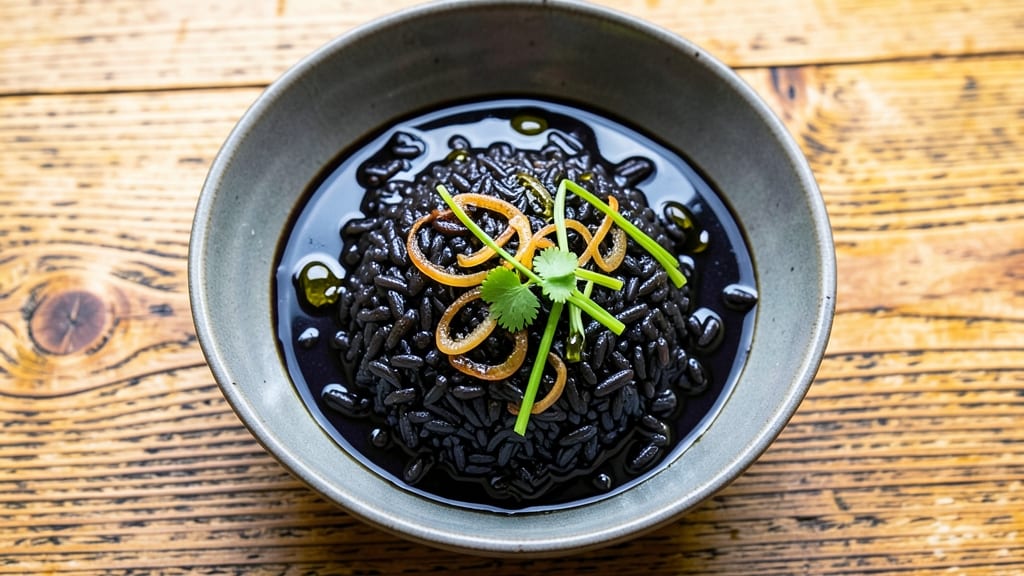
This black rice with squid ink recipe transforms ordinary grains into a dramatic, restaurant-worthy centerpiece—where deep purple-black rice meets oceanic umami in every bite. The secret lies in balancing squid ink’s bold flavor with subtle sweetness, creating a dish that’s as visually stunning as it is delicious.
For those who appreciate art on their plate, this recipe delivers a striking contrast that elevates any meal.
The process is simpler than it looks: soak the black rice to soften its texture, then simmer it with squid ink until the grains absorb that signature inky hue. Pair it with seared squid, crispy shrimp, or even marinated tofu for a vegetarian twist.
The result? A dish that’s rich in flavor, vibrant in color, and impossible to resist—perfect for impressing guests or treating yourself to something extraordinary.
Ingredients for black rice with squid ink
Transform ordinary grains into a visually stunning centerpiece with these carefully selected ingredients.
| Ingredient | Amount | Notes |
|---|---|---|
| Black Rice 🍚 | 1 cup | Uncooked, rinsed thoroughly |
| Squid Ink Sacs 🦑 | 2 pieces | Fresh or frozen, from squid |
| Shallots 🧅 | 2 whole | Minced finely for sweetness |
| Extra-Virgin Olive Oil 🫒 | ½ cup | High-quality, fruity variety |
| Vegetable Stock 💧 | 2 cups | Low-sodium preferred |
| White Wine 🍷 | ½ cup | Dry, crisp variety |
| Fresh Ginger 🌿 | 1 tbsp | Grated, aromatic |
| Soy Sauce 🍶 | 1 tbsp | Light or dark preferred |
| Sesame Oil 🌰 | 1 tsp | Toasted for nutty aroma |
| Sugar 🍬 | 1 tbsp | Granulated, balances flavor |
| Salt 🧂 | 1 tsp | Diamond Crystal preferred |
| Black Peppercorns 🌶️ | ½ tsp | Freshly cracked |
| Squid Tubes 🦑 | 1 lb | Cleaned, for garnish |
| Fresh Parsley 🌿 | ¼ cup | Chopped, for garnish |
The black rice is the star—look for jewel rice or forbidden rice at specialty stores like Whole Foods or Asian markets. Fresh squid ink sacs are essential for authentic color; if unavailable, high-quality squid ink paste from Amazon or gourmet shops works too. The shallots should be vibrant and firm, while the ginger must be freshly grated—pre-minced loses potency fast. For the squid tubes, clean them thoroughly by removing the quill and rinsing well before using. The vegetable stock should be homemade or high-quality to avoid artificial flavors that might compete with the squid ink's umami depth.
No squid ink? Cutting-edge black food coloring (like Liquid Smoke or Wilton) can mimic the hue, though flavor will differ. Substitute white wine with dry vermouth for complexity, or apple cider vinegar in a pinch. Fresh ginger unavailable? Powdered ginger at half the amount works, but fresh is ideal. The sesame oil should be toasted—heat it gently in a pan until fragrant, then cool before adding. For a vegetarian twist, replace squid with marinated tofu or king oyster mushrooms—both absorb flavors beautifully. The sugar balances the ink's boldness; adjust to taste if your ink is particularly strong.
Store uncooked black rice in an airtight container in a cool, dark place for up to 6 months. Once cooked, the rice keeps 3-4 days in the fridge, though the color may fade slightly. Squid ink sacs freeze well for 3 months; thaw in the fridge before use. The finished dish reheats beautifully—gentle warming on low heat preserves the vibrant hue. Garnish with quickly seared squid or crispy fried shallots just before serving to maintain presentation. For meal prep, portion into glass containers to preserve the dramatic color contrast.
Why You'll Love This Recipe
- One-Pot Magic: I swear by this recipe when I’m too tired to wash a million bowls. Black rice soaks up the squid ink and stock like a sponge—just simmer it all together, and you’ve got a restaurant-worthy dish with zero extra cleanup.
- Umami Bomb: That squid ink isn’t just for show—it turns the rice an inky, dramatic black while adding a deep, briny richness. Pair it with the caramelized shallots, and suddenly, your weeknight meal tastes like you spent hours in a professional kitchen.
- Meal Prep Hero: Between us, this rice keeps perfectly for days in the fridge. Toss it into bento boxes, serve it cold over greens, or reheat it for a quick lunch—it’s my go-to for busy mornings when I need something that doesn’t taste reheated.
- Budget Luxury: Honestly, squid ink might sound fancy, but a single sac stretches to feed four. Black rice is pricier than white, but you use half the amount, and the dramatic color makes even simple sides feel special. Splurge on the olive oil, though—it’s the only upgrade this dish truly deserves.
Step-by-step instructions for black rice with squid ink
Transform simple ingredients into a visually stunning dish where deep purple grains meet oceanic elegance.
Prepare the Squid Ink Infusion
Begin by extracting the ink from the 2 pieces squid ink sacs. Gently squeeze each sac into a small bowl, collecting the dark, viscous liquid. You should yield about 1 tablespoon of concentrated ink—this will be the signature color of your dish. Set aside the ink while you prepare the shallots and ginger.
In a small saucepan, combine the 2 cups vegetable stock with the 1 tablespoon sugar and 1 tsp salt. Bring to a gentle simmer over medium heat and let it reduce by half—this concentrated stock will carry the squid ink's depth. Once reduced, remove from heat and stir in the squid ink until fully dissolved. The liquid should now be a rich, indigo hue. This infusion will transform ordinary rice into something extraordinary.
Sauté Aromatics and Cook the Rice
Heat 0.25 cup extra-virgin olive oil in a heavy-bottomed pot over medium-low heat. Add the 2 whole shallots, minced finely, and let them sweat for 3-4 minutes until translucent but not browned. Add the 1 tbsp fresh ginger and cook for another 30 seconds, allowing the spices to bloom and release their aromatic oils.
Increase heat to medium-high and add the 1 cup black rice. Toast the grains for 2 minutes, stirring constantly, until they release their nutty fragrance. Pour in the 0.5 cup white wine and let it reduce by half before adding the squid ink-infused stock. Bring to a boil, then reduce heat to low, cover tightly, and simmer for 30 minutes or until the rice absorbs all the liquid and becomes tender. Avoid peeking—the steam is essential for even cooking.
Finish with Umami and Garnish
Once the rice is fully cooked, remove from heat and let it sit, covered, for 5 minutes. This resting period allows the grains to plump and the flavors to meld. Stir in the 1 tbsp soy sauce and 1 tsp sesame oil, coating each grain evenly. The soy sauce adds depth, while the sesame oil introduces a nutty finish that complements the oceanic notes.
For the garnish, clean the 1 lb squid tubes thoroughly and cut them into 1-inch rings. Heat 0.25 cup extra-virgin olive oil in a separate pan over high heat and sear the squid rings for 1-2 minutes per side until opaque and slightly charred. Sprinkle with 0.25 cup fresh parsley, chopped finely, and 0.5 tsp freshly cracked black peppercorns just before serving. The contrast of the crispy squid against the tender rice creates a textural masterpiece.
Plate with Artistic Precision
Divide the black rice among 4 serving plates, using a ring mold if desired to create a neat, circular presentation. Drizzle each portion with a touch of the remaining squid ink-infused stock to enhance the visual drama. Arrange the seared squid rings artfully around the rice, allowing their golden edges to catch the light.
Finish with an additional sprinkle of fresh parsley and a final crack of black peppercorns for brightness. Serve immediately while the squid is still crisp and the rice retains its vibrant hue. This dish is as much about presentation as it is about flavor—each bite should deliver the harmony of deep, purple grains and the briny elegance of squid ink.
Pro Tips For Making Black Rice With Squid Ink
- TOAST THE RICE FIRST: Black rice stays stubbornly firm if you skip this step. Heat a dry pan over medium-high and toast the unrinsed rice for 3-4 minutes until it smells nutty and fragrant—this breaks down the starches and prevents mushiness later.
- STRAIN THE INK WELL: Squid ink sacs are messy little devils. After soaking them in warm water, strain through a fine-mesh sieve to remove grit—no one wants a gritty bite in their otherwise silky rice. (Yes, even if you’re in a hurry.)
- LOW AND SLOW WITH STOCK: Pouring boiling stock over the rice and cranking the heat is a rookie move. Instead, bring stock to a gentle simmer, then add it to the rice—this keeps the grains intact and lets the ink disperse evenly without turning the pot into a science experiment.
- SAUTÉ SHALLOTS LONG ENOUGH: I used to rush this step, but soft, golden shallots make all the difference. Cook them in olive oil for 5-6 minutes until they’re almost caramelized—this adds depth that raw or barely cooked shallots just can’t match.
Storing and reheating your leftovers
Fridge Storage Tips
Store cooked black rice in an airtight glass container—the deep purple hue fades faster in plastic. Keep it refrigerated for up to 3 days, though the squid ink may darken slightly over time.
I always portion it into smaller containers to reheat just what I need, preserving that dramatic presentation. 💫
Freezer Magic
For long-term storage, freeze the rice in single-serving portions using silicone molds—they prevent freezer burn and make reheating easier. Label with the date and expect 2-3 months of flavor retention. When ready to eat, thaw overnight in the fridge before reheating gently on the stovetop.
Reheating Perfection
Never microwave this dish—it dulls the colors and makes the rice mushy. Instead, spread the rice on a baking sheet and warm at 300°F for 10 minutes, then finish with a splash of vegetable stock to restore moisture.
The squid ink-infused stock works best for reheating—just warm it separately and drizzle over the rice before serving. ✨
Garnish Refresh
If reheating, always add fresh garnishes like seared squid rings or crispy fried shallots just before serving. These elements add texture and prevent the dish from feeling flat.
I keep a stash of pre-cut squid tubes in the freezer so I can quickly sear them while the rice reheats—it takes just 2 minutes over high heat. 🦑
Color Preservation
The squid ink's vibrant hue fades with heat, so always reheat on low-medium and avoid boiling. If the color looks dull after reheating, stir in ½ teaspoon of fresh squid ink (or a pinch of activated charcoal powder in a pinch) to restore depth.
The rice should still taste amazing—it's all about the visual drama! 💜
Nutrition facts
Frequently asked questions
Can I substitute squid ink with another dark ingredient?
Yes, but with limitations. For color, try ½ teaspoon activated charcoal powder or food-grade black food coloring (like Wilton's liquid smoke). For flavor, add 1 tablespoon soy sauce or mushroom powder to mimic umami depth. However, squid ink provides both color and oceanic flavor—no substitute perfectly replicates it.
Why does my black rice turn gray instead of deep purple?
Gray hues appear when squid ink oxidizes or when rice isn't cooked gently. Always use fresh ink and simmer rice at low heat for 30 minutes without peeking. For extra vibrancy, add ½ teaspoon lemon juice at the end to preserve color. Gray rice is still delicious—just less dramatic!
How do I make this vegetarian?
Swap squid for marinated tofu (pressed, cubed, and pan-fried) or king oyster mushrooms (sliced and seared). Use vegetable stock instead of squid ink-infused stock, and add 1 teaspoon miso paste to the rice for umami. Garnish with crispy fried shallots or toasted sesame seeds for texture.
Can I cook this rice in an Instant Pot?
Yes! Sauté shallots and ginger, then add rice, wine, and ink-infused stock. Seal the lid, cook on high pressure for 12 minutes, then let it naturally release for 10 minutes. Finish with soy sauce and sesame oil. The Instant Pot may slightly dilute the color—stir in ½ teaspoon extra ink after cooking if needed.
What’s the best way to serve this dish?
Pair with light, citrusy sides like pickled cucumbers or a miso-glazed eggplant to balance the richness. For contrast, serve with steamed bok choy or a sesame-spinach salad. The dish shines as a centerpiece—plate on black or white plates to highlight the color contrast. Garnish with edible flowers for an extra touch of elegance.