
Main Courses
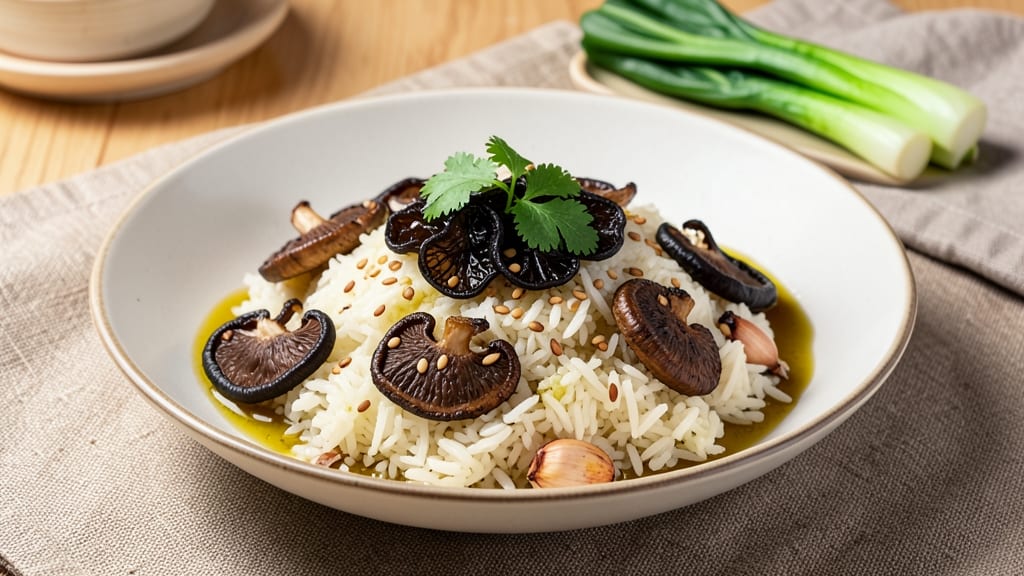
This black mushroom rice recipe transforms simple grains into a bold, umami-packed side that steals the show at any meal. 💛 The secret lies in black wood ear mushrooms—chewy, earthy, and rich in texture—that infuse the rice with deep, savory depth while keeping the dish light and satisfying.
Perfect for pairing with grilled proteins or serving as a vegetarian centerpiece, this recipe balances easy preparation with restaurant-quality flavor.
Just 30 minutes of hands-on time delivers a dish that's as impressive as it is delicious, with each bite offering a perfect harmony of smoky, umami-rich mushrooms and fluffy rice.
Ingredients for black mushroom rice
These umami-rich ingredients transform ordinary rice into a restaurant-worthy side dish.
| Ingredient | Amount | Notes |
|---|---|---|
| Jasmine Rice 🍚 | 1 ½ cups | Uncooked, long-grain preferred |
| Black Wood Ear Mushrooms 🍄 | 1 ½ oz | Dried, rehydrated in advance |
| Shiitake Mushrooms 🍄 | 6 whole | Fresh, stems removed |
| Garlic Cloves 🧄 | 4 cloves | Minced, for aromatic depth |
| Extra-Virgin Olive Oil 🫒 | ¼ cup | High quality, fruity |
| Vegetable Broth 💧 | 1 ½ cups | Low-sodium preferred |
| Soy Sauce 🥢 | 2 tbsp | Dark soy for color |
| Sesame Oil 🫒 | 1 tbsp | Toasted, for aroma |
| Fresh Ginger 🌿 | 1 tbsp | Finely grated, zesty |
| Diamond Crystal Kosher Salt 🧂 | ½ tsp | Adjust to taste |
| Black Pepper 🌶️ | ¼ tsp | Freshly cracked |
| Green Onions 🧅 | 3 whole | Thinly sliced, for garnish |
| Toasted Sesame Seeds 🌾 | 1 tbsp | For crunchy texture |
The black wood ear mushrooms are the star here—dried and rehydrated for maximum chewiness and depth. Asian markets carry them in bulk, often near the dried shiitake. Look for mushrooms that are uniformly dark and free of debris. Fresh shiitake should be plump with tightly closed caps; avoid any with slimy stems. For the rice, jasmine is ideal, but any long-grain variety works. Pre-soak the dried mushrooms for at least 30 minutes to soften fully, then slice into thin strips for even cooking. Garlic and ginger should be freshly minced—pre-minced jars lack the aromatic punch.
No dried wood ear mushrooms? Substitute with rehydrated black trumpet mushrooms or extra shiitake for a milder umami note. Running low on dark soy sauce? Regular soy sauce plus a pinch of molasses mimics the deeper color. Sesame oil is non-negotiable for aroma, but if you're avoiding it, toasted sesame paste thinned with water works in a pinch. The vegetable broth can be swapped for mushroom broth for even more depth. For a vegetarian boost, add 1 cup finely chopped bok choy along with the shiitake—it wilts beautifully during cooking. Prefer a smokier profile? Swap 1 tbsp of the olive oil for smoked paprika.
Rice reheats best covered in the microwave with a damp paper towel—2 minutes on high restores moisture perfectly. Store leftovers in an airtight container for 4-5 days in the fridge, though the mushrooms lose texture after day 3. For longer storage, freeze the cooked rice in single portions; thaw overnight in the fridge before reheating. Garnish with sesame seeds and green onions right before serving—they add freshness that wilt quickly. This dish tastes even better the next day as flavors meld, making it ideal for meal prep.
Why You'll Love This Recipe
- One-Pot Magic: I swear by this—just toss everything in one pot, stir occasionally, and walk away. The jasmine rice absorbs all that umami from the shiitake and wood ear mushrooms while the garlic sizzles in olive oil, filling the kitchen with the best kind of smell.
- Umami Bomb: Between the chewy wood ear mushrooms and the meaty shiitake, this rice is packed with deep, savory flavor. Honestly, I don’t even need soy sauce—though I add a splash anyway—because the mushrooms do all the work.
- Meal Prep MVP: This keeps perfectly for four days in the fridge, and reheats like it’s fresh off the stove. I make a big batch on Sundays, then use it for lunches, stir-fries, or even stuffed into wraps—no one ever guesses it’s leftovers.
- Budget Flex: Wood ear mushrooms might sound fancy, but dried ones are dirt cheap and just as good. A little olive oil and garlic stretch this into four servings without breaking the bank, and the rice? The most affordable staple in my pantry.
Step-by-step instructions for black mushroom rice
This method transforms simple jasmine rice into an umami-packed centerpiece with deep, earthy flavors.
👨🍳 Step 1: Rehydrate and Prepare the Mushrooms
Begin by rehydrating the 1.5 oz black wood ear mushrooms - place them in a small bowl and cover with hot (not boiling) water. Let them soak for 15 minutes until pliable. Drain and gently squeeze out excess water, then finely chop them. This step is crucial as dried mushrooms absorb water like a sponge, so proper rehydration ensures even texture.
Next, clean the 6 whole shiitake mushrooms by wiping them with a damp paper towel. Remove stems and slice the caps into thin strips. Set aside - you'll notice their rich, meaty texture that will complement the rice beautifully. The contrast between the delicate wood ear mushrooms and hearty shiitakes creates the perfect flavor balance in this dish.
🍳 Step 2: Sauté Aromatics and Mushrooms
Heat the 0.25 cup extra-virgin olive oil in a large skillet over medium heat. Add the 4 cloves minced garlic and 1 tbsp finely grated fresh ginger, cooking for 1 minute until fragrant but not browned. This quick sauté unlocks their aromatic compounds without burning them.
Add the chopped black wood ear mushrooms and shiitake strips to the skillet. Cook for 5-6 minutes until the mushrooms release their moisture and develop a golden-brown color. Stir occasionally to prevent sticking - you'll notice the black wood ears transform from dark to slightly translucent as they cook. Season with 0.5 tsp diamond crystal kosher salt and 0.25 tsp black pepper at this stage.
🥘 Step 3: Toast the Rice and Build the Flavor Base
Add the 1.5 cups jasmine rice to the skillet and stir to coat it evenly with the mushroom mixture and oil. Toast the rice for 2-3 minutes until it becomes slightly translucent at the edges. This step, called "toasting," develops nutty flavors in the rice and prevents it from becoming mushy.
Pour in the 1.5 cups vegetable broth and bring to a gentle simmer. The liquid should just come to the surface of the rice - if it's too much, reduce slightly. Cover the skillet with a tight-fitting lid and reduce heat to low. Cook for 15 minutes without disturbing the rice, allowing it to steam evenly.
🥘 Step 4: Finish with Umami Depth
After 15 minutes, remove the lid and stir in the 2 tbsp soy sauce and 1 tbsp sesame oil. The soy sauce adds a deep, savory richness while the sesame oil contributes nutty aroma. Return the lid and cook for another 5 minutes on low heat. The rice should be tender but still have a slight bite - this is the perfect texture for black mushroom rice.
Finally, turn off the heat and let the rice sit covered for 5 minutes. This resting period allows the flavors to meld completely. Fluff the rice gently with a fork, then transfer to a serving dish. Garnish with 3 whole green onions sliced thinly and sprinkle with 1 tbsp toasted sesame seeds for texture contrast. The dish should have a deep, earthy aroma with hints of garlic and ginger.
Pro Tips For Making Black Mushroom Rice
- SOAK THE WOOD EARS: Black wood ear mushrooms are tough little devils when dry—soak them in hot water for 15 minutes first. I learned this the hard way after chewing through a rubbery bite that tasted like regret; they’ll rehydrate faster and hold their shape better in the pan.
- SWEAT THE GARLIC LOW: Garlic burns in a hot pan like a bad first date—cook it on medium-low until just golden, not brown. If you’re impatient like me, resist the urge to crank the heat; you want aroma, not bitterness, especially when paired with delicate wood ear mushrooms.
- SALVAGE OVERCOOKED RICE: Jasmine rice turns to glue faster than you can say "seconds?" If yours looks sad and mushy, spread it on a tray, drizzle with a little olive oil, and bake at 350°F for 10 minutes. It’ll crisp up enough to salvage the dish—no one needs to know your timing was off.
- USE OLIVE OIL SPARINGLY: Extra-virgin olive oil is great, but too much will make your mushrooms soggy. Stick to 1 tablespoon for the whole pan—just enough to coat the garlic and mushrooms without drowning them. The rice will soak up flavor just fine without swimming in it.
Pro cooking tips for great black mushroom rice
Mushroom Prep Secrets
Rehydrating dried black wood ear mushrooms properly is non-negotiable for texture—never skip the 15-minute soak in hot (not boiling) water. I use a fine-mesh strainer to drain them, then gently press between paper towels to remove excess moisture.
This prevents a soggy rice dish. For shiitake, slice stems separately—they're more fibrous and cook faster than the caps. 🍄
Pro tip: If your dried mushrooms feel tough even after soaking, slice them thinner before adding to the rice. The goal is chewy but tender—not rubbery. I like to use a sharp chef's knife for clean cuts, but a mandoline set to 1mm works perfectly for even slices.
Save the mushroom soaking water for broth—it's packed with umami!
Rice Toasting Technique
Toasting the rice in the skillet isn't just about flavor—it's about preventing mushy rice. Use medium heat and stir constantly for those 2-3 minutes until you see tiny translucent spots on each grain.
This develops the nutty, toasted aroma that elevates the dish. I use a 12-inch cast iron skillet—its even heat distribution is perfect for this step. 🔥
Watch the rice carefully—burning the bottom ruins the dish. If it starts browning too quickly, reduce heat to medium-low and keep stirring. The rice should be slightly sticky after toasting, but not wet.
This is your signal to add the broth. Pro move: Measure broth carefully—it should just cover the rice grains, not drown them.
Umami Layering Tricks
The soy sauce and sesame oil finishing step is where the magic happens. I stir them in off the heat for the last 5 minutes to prevent the sesame oil from cooking off its delicate aroma.
For extra depth, add 1 tsp fish sauce (if not vegetarian) or 1 tsp mushroom powder for a meaty boost. The color should darken beautifully—this is your visual cue that the umami is developing. ✨
Don't forget the 5-minute rest after cooking! This lets the rice reabsorb moisture and the flavors settle. I cover the skillet with a clean kitchen towel under the lid to trap steam.
The final fluff with a fork should feel light and airy—not dense. Garnish with sesame seeds right before serving to maintain their crunch.
Equipment Must-Haves
Your skillet choice matters—I recommend a 12-inch stainless steel or cast iron for even heat distribution. Avoid nonstick unless it's heavy-bottomed—light pans cause hot spots that burn the rice. A tight-fitting lid is critical for steaming—aluminum or glass both work, but avoid thin plastic that warps. 🍳
For measuring, use a kitchen scale for the rice—1.5 cups uncooked jasmine rice weighs about 300g. A microplane for ginger and garlic ensures fine, aromatic mincing without bitterness.
And always keep tongs handy for stirring—wooden spoons can scratch your skillet over time. Invest in these basics, and you'll nail this recipe every time.
Nutrition facts
Frequently asked questions
Why does this recipe use both black wood ear and shiitake mushrooms?
The combination creates a perfect balance of textures and flavors. Black wood ear mushrooms add a delicate, chewy texture and subtle sweetness, while shiitake brings a meatier, umami-rich depth. Together, they create a complex flavor profile that's more interesting than either mushroom alone. The contrast in textures also makes each bite more satisfying.
Can I make this recipe with white rice instead of jasmine?
Yes, but jasmine rice is ideal because it stays slightly sticky when cooked, which helps it absorb the mushroom flavors better. If using white rice, reduce the broth by 0.25 cup since it absorbs less moisture. For extra stickiness, add 1 tsp rice vinegar with the soy sauce at the end. Long-grain white rice will work, but the texture will be firmer.
What if I can't find black wood ear mushrooms?
No problem! Try these substitutes: black trumpet mushrooms (rehydrated) for a similar chewy texture, or extra shiitake stems for a meatier alternative. For a different flavor profile, use dried porcini mushrooms (rehydrated) which add earthy depth, though the texture will be slightly different. Adjust the amount to 2 oz total if using only one substitute.
How do I prevent the rice from becoming mushy?
Three key techniques: toast the rice properly (until translucent spots appear), use the right amount of broth (just covering the rice), and don't open the lid while cooking. Also, avoid using too much soy sauce or broth at the end—add just enough to enhance flavor without adding moisture. If your rice turns out too soft, spread it on a tray and dry it in a 200°F oven for 10 minutes.
Can I make this ahead of time for meal prep?
This dish actually tastes better the next day as flavors meld. Store in an airtight container in the fridge for 4-5 days. Reheat covered in the microwave with a damp paper towel for 2 minutes on high. For longer storage, freeze portions in single servings—thaw overnight in the fridge before reheating. Garnish with fresh green onions and sesame seeds right before serving to keep them crisp.