
Sauces & Condiments
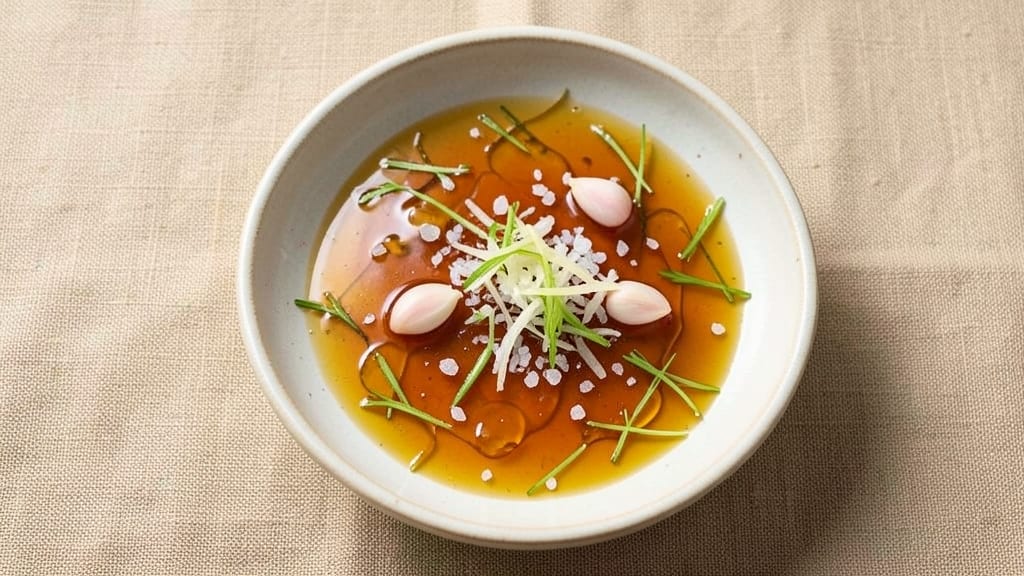
BJ's rice wine vinaigrette transforms ordinary Asian-inspired dishes into flavorful masterpieces with just a few simple ingredients. This bright, tangy dressing balances sweet and savory notes, creating a versatile sauce that elevates everything from stir-fries to salads.
The secret lies in the precise ratio of rice wine vinegar to sesame oil, which delivers that signature umami depth without overpowering delicate flavors.
With just five ingredients and five minutes of prep time, you'll have a restaurant-quality vinaigrette that stays fresh for up to a week in the refrigerator. The combination of garlic, ginger, and honey creates layers of complexity that make this dressing far superior to store-bought alternatives.
Whether you're drizzling it over summer rolls or tossing it with fresh greens, this recipe delivers professional results every time.
Ingredients for bj's rice wine vinaigrette
Five ingredients. Five minutes. Restaurant-quality vinaigrette with umami depth and perfect balance.
| Ingredient | Amount | Notes |
|---|---|---|
| Rice Wine Vinegar 🍶 | ½ cup | High-quality, mild flavor preferred |
| Sesame Oil 🫒 | ¼ cup | Toasted sesame oil for depth |
| Fresh Ginger Root 🌿 | 1 ½ tbsp | Finely grated, organic preferred |
| Garlic Cloves 🧄 | 2 cloves | Freshly minced, peeled |
| Honey 🍯 | 2 tbsp | Raw honey for natural sweetness |
| Diamond Crystal Kosher Salt 🧂 | ½ tsp | Fine grain for delicate seasoning |
| Extra-Virgin Olive Oil 🫒 | ¼ cup | Light variety for balance |
| Toasted Sesame Seeds 🌾 | 1 tsp | For garnish, optional |
The rice wine vinegar is non-negotiable—Kikkoman or Heinz are reliable choices, but Japanese market brands like Sapporo offer superior clarity and acidity. For sesame oil, La Choy or Kadoya deliver that nutty, toasted character without bitterness. Fresh ginger should be vibrant and firm, with no soft spots or sprouting. If you can't find organic, conventional is fine—just peel it thoroughly. The garlic cloves should be plump and firm, with no green shoots or softness. For honey, raw, unfiltered varieties provide the most complex flavor profile, though regular honey works in a pinch. Store all ingredients properly: vinegar and sesame oil in dark cabinets, ginger in the fridge, garlic in a cool, dark place.
No rice wine vinegar? Substitute apple cider vinegar at a 1:1 ratio, but expect a slightly different tang profile. Sesame oil unavailable? Light olive oil maintains the fat base, though it lacks the nutty depth. Fresh ginger too strong? Dried ginger powder at half the amount works, but it won't have the same freshness. Garlic powder is a poor substitute—fresh garlic is essential for that aromatic punch. The honey can be swapped for agave nectar or maple syrup, though honey's floral notes are unique. For a more refined finish, consider adding a pinch of white miso paste (about 0.25 tsp) to deepen the umami without altering the dressing's brightness. Always taste as you go—this dressing is meant to be balanced, not sweet or overly acidic.
This vinaigrette keeps beautifully in an airtight glass jar in the refrigerator for up to 1 week, though the flavors actually develop and improve over time. For longer storage, freeze in ice cube trays and transfer to a container—thaw overnight in the fridge before using. The sesame seeds, if using, should be toasted fresh each time you garnish, as their aroma fades quickly. Shake well before each use, as the ingredients naturally separate. Portion into small containers if you'll be using it frequently—2 tbsp per serving is ideal for dressings, while 1 tbsp works better as a dipping sauce for summer rolls or dumplings. The dressing doubles as a marinade for proteins like chicken or tofu, so make extra if you're prepping for a meal.
Why You'll Love This Recipe
- Five-Ingredient Magic: I swear by this recipe because it’s the kind of dressing that turns a simple salad into something special—no fancy techniques, just a blender and a few pantry staples. The ginger and garlic hit just right, but the honey balances that sharp rice wine vinegar so smoothly.
- Weeknight Reliable: Honestly, this is my go-to when I’m too tired to think. Toss it with greens for dinner, drizzle it on grilled chicken, or even use it as a marinade—it’s that adaptable. The sesame oil adds depth without extra effort, and it never fails me.
- Leftovers That Shine: Between us, I always make extra because this dressing lasts in the fridge for days. No sad, wilted greens here—it keeps its zing, so I can toss it into stir-fries, noodles, or even a quick ramen on busy mornings. Minimal waste, maximum flavor.
- Budget Brightener: Fresh ginger and garlic might sound fancy, but they’re cheap and pack a punch. A little sesame oil goes a long way, and honey? You probably already have it. This recipe proves you don’t need expensive ingredients to make something that tastes like it belongs on a restaurant menu.
Step-by-step instructions for crafting perfect rice wine vinaigrette
Here's the method—simple yet precise—for crafting a balanced dressing with vibrant acidity and nutty depth.
Prepare the Aromatic Base
In a small mixing bowl, combine the 0.5 cup rice wine vinegar with the 1.5 tablespoons finely grated fresh ginger root and 2 minced garlic cloves. The ginger should be freshly grated for maximum aromatic potency, and the garlic should be minced to a fine paste to ensure even distribution. Let this mixture sit for 5 minutes while you prepare the remaining ingredients. This brief infusion allows the ginger and garlic to soften slightly, preventing any harsh bite in the final dressing.
Here's the thing—don't skip this resting period. The acidity of the vinegar will begin breaking down the cell walls of the ginger and garlic, releasing their essential oils and creating a more harmonious flavor profile. You'll notice the mixture becoming slightly more aromatic as it sits, with a subtle warmth developing from the ginger's volatile compounds.
Sweeten and Season the Foundation
Add the 2 tablespoons honey and 0.5 teaspoon diamond crystal kosher salt to the vinegar mixture. Whisk vigorously until the honey is completely dissolved and the salt is fully incorporated. The honey should create a smooth, syrupy consistency that balances the sharp acidity of the vinegar. At this stage, your mixture should have a bright, tangy sweetness with an underlying warmth from the ginger.
This is where the flavor science comes into play. The honey not only sweetens but also helps emulsify the oil later by creating a stable interface between the aqueous and fatty components. Taste the mixture now—it should be pleasantly acidic with a touch of sweetness and a lingering ginger heat. If you find it needs more balance, you can adjust with an additional pinch of salt, but the current measurement should be precise for our target flavor profile.
Incorporate the Oils for Emulsion
With the bowl resting on a stable surface, slowly drizzle in the 0.25 cup sesame oil while whisking continuously. The key here is patience—add the oil in a steady stream rather than all at once to prevent the mixture from breaking. You'll notice the emulsion begin to form as the whisk creates tiny oil droplets suspended in the vinegar mixture. The sesame oil should impart a rich, nutty aroma that complements the bright acidity.
Once the sesame oil is fully incorporated, add the 0.25 cup extra-virgin olive oil in the same gradual manner. The olive oil provides a lighter, more neutral base that allows the other flavors to shine. Continue whisking until the dressing achieves a silky, homogeneous texture. You should be able to draw a figure-eight pattern on the surface that holds for several seconds before dissipating—this indicates proper emulsification.
Final Adjustments and Garnish
Taste the dressing one final time and make any necessary adjustments. If it needs more acidity, add a splash of additional rice wine vinegar. If it requires sweetness, incorporate a touch more honey. The balance should be bright yet complex, with the ginger and garlic providing depth without overpowering. Once satisfied with the flavor profile, transfer the dressing to a clean jar or airtight container.
For presentation, sprinkle the 1 teaspoon toasted sesame seeds on top just before serving. These seeds add a subtle crunch and visual contrast to the smooth dressing. Store any unused dressing in the refrigerator for up to 1 week, though it's best enjoyed fresh when the flavors are at their peak. The sesame seeds can be added fresh each time you use the dressing to maintain their crisp texture.
Pro Tips For Making Bj'S Rice Wine Vinaigrette
- Grate Ginger Fine: Use the smallest holes on your grater—this recipe relies on ginger’s bright, aromatic punch, not its texture. I learned this the hard way when my first batch tasted underwhelming because the chunks sat at the bottom like tiny speed bumps.
- Warm Sesame Oil: Heat the sesame oil just until it shimmers—about 10 seconds over low heat—before adding garlic and ginger. Cold oil dulls the flavor, and burning it turns the whole dressing bitter. (Yes, even if you’re impatient like me.)
- Mince Garlic Precisely: Aim for ¼-inch dice, not a paste—this keeps the garlic’s edge without making the dressing grainy. I skip the food processor here; my grandmother swore by a sharp knife, and she was right.
- Whisk Honey Last: Add honey after the vinegar and oil have emulsified, then whisk in a figure-eight until fully dissolved. Dumping it in early can make the dressing split, especially if your honey’s thick. (Your future self will thank you.)
Best sauces and condiments for this recipe
Asian-Inspired Dipping Sauce
This vinaigrette doubles as an incredible dipping sauce for spring rolls, dumplings, or grilled shrimp skewers. The balance of rice wine vinegar and honey creates a sweet-savory profile that complements the delicate flavors of Asian cuisine.
I like to serve it chilled in small bowls with 1 tablespoon per serving—just enough to enhance without overwhelming. The sesame seeds add a satisfying crunch that contrasts beautifully with the smooth texture. 🍤
Marinade for Proteins
Use this dressing as a marinade for chicken, tofu, or pork before grilling or stir-frying. The acidity in the rice wine vinegar tenderizes the protein while infusing it with aromatic flavors. I recommend marinating for 30-60 minutes for chicken or 15-20 minutes for tofu.
The ginger and garlic will create a beautiful char when cooked, deepening the overall flavor. For extra richness, add 1 tablespoon soy sauce to the marinade before applying. 🍗
Salad Dressing Upgrade
Transform any green salad into an Asian-inspired dish by using this vinaigrette as your dressing. Toss with mixed greens, shredded cabbage, and sliced cucumber for a refreshing bowl. The sesame oil adds a nutty depth that pairs perfectly with the bright acidity.
For a complete meal, add edamame or avocado slices for extra protein and healthy fats. I love serving this with grilled salmon for a restaurant-quality dish at home. 🥗
Grain Bowl Enhancer
Elevate your rice or quinoa bowls by drizzling this vinaigrette over the top. The balance of flavors works beautifully with roasted vegetables, avocado, and proteins like chicken or shrimp. I recommend using 2 tablespoons per bowl and tossing the grains lightly to distribute the dressing evenly.
For extra texture, sprinkle with toasted sesame seeds and sliced green onions before serving. The vinaigrette's complexity will make your simple bowls feel gourmet. 🍚
Wok Sauce Alternative
For stir-fries, use this vinaigrette as a quick wok sauce by thinning it with 1-2 tablespoons of water or chicken broth. The rice wine vinegar adds brightness to the dish, while the honey balances any heat from chili or garlic.
I like to add it at the end of cooking to preserve the vibrant flavors. This works particularly well with bell peppers, broccoli, and shrimp for a quick weeknight meal. 🍳
Storage and Flavor Development
Store any leftover dressing in an airtight glass jar in the refrigerator for up to 1 week. The flavors actually improve over time as the ingredients meld together. For longer storage, freeze in ice cube trays and transfer to a container—thaw overnight in the fridge before using.
Always shake well before each use, as the ingredients naturally separate. The sesame seeds, if using, should be toasted fresh each time for maximum aroma. 💫
Nutrition facts
Frequently asked questions
Can I make this vinaigrette without sesame oil?
Replace the 0.25 cup sesame oil with the same amount of light olive oil or avocado oil for a neutral base. The flavor will be slightly different but still delicious. For a closer substitute, try 1 tablespoon toasted sesame oil + 0.175 cup neutral oil to capture some of that nutty depth.
How do I adjust the sweetness or tanginess?
Start with small adjustments—add 0.5 teaspoon honey at a time for more sweetness or 0.5 tablespoon rice wine vinegar for extra tang. The recipe's balance is precise, but taste as you go! For a more complex flavor, a pinch of white miso paste (about 0.25 tsp) adds umami without altering sweetness.
Why does my dressing separate after refrigeration?
This is normal! The oils and vinegar naturally separate when chilled. Simply shake or whisk vigorously before using. For a more stable emulsion, add 0.5 teaspoon Dijon mustard to the original recipe. The mustard acts as a natural emulsifier, keeping the dressing smooth. Always store in an airtight container to maintain freshness.
What's the best way to use this with spicy dishes?
Drizzle generously over spicy foods—the honey and ginger will balance the heat beautifully. For extra cooling power, add 0.5 teaspoon grated cucumber or lime juice to the dressing. The rice wine vinegar also helps cut through grease, making it perfect for spicy fried rice or chili. Use 1.5 tablespoons per serving for bold flavor.
Can I use this vinaigrette as a marinade?
Yes! It works wonderfully for chicken, tofu, or pork. Marinate for 30-60 minutes (longer for tougher cuts). The acidity tenderizes proteins while infusing them with aromatic flavors. For extra richness, add 1 tablespoon soy sauce before applying. Discard any unused marinade after contact with raw meat.