
Side Dishes
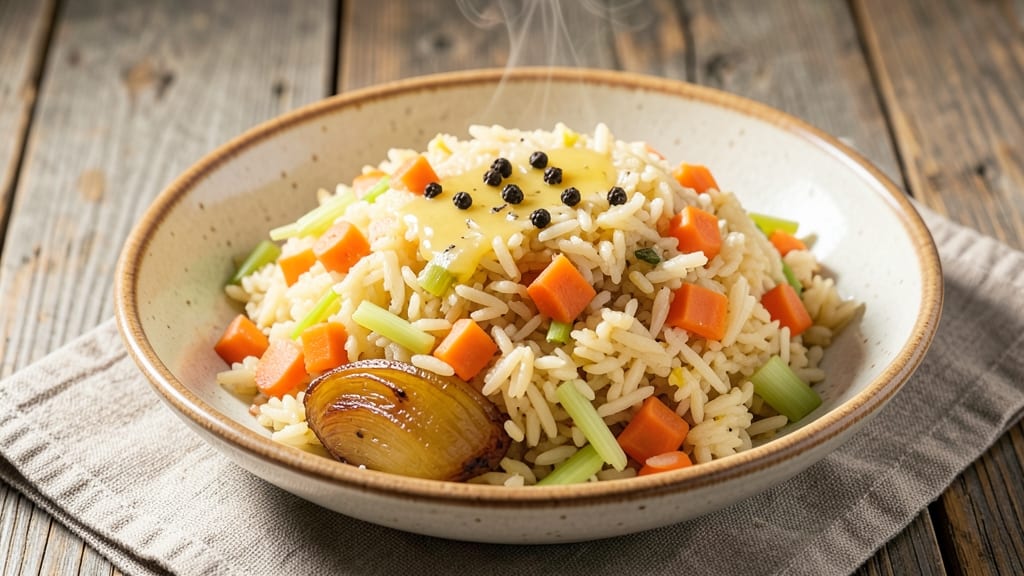
Betty Crocker’s rice pilaf recipe delivers restaurant-quality golden grains with a fragrant, herby aroma that transforms any meal into something special. This classic one-pan method combines tender rice, savory broth, and aromatic vegetables for a dish that’s both elegant and foolproof—perfect for beginners and seasoned cooks alike.
The secret lies in precise timing and layering flavors, ensuring every bite is tender yet distinct.
What sets this recipe apart is its versatility—serve it alongside roasted chicken, grilled steak, or as a hearty vegetarian main. The golden-brown grains develop a subtle crispness at the edges while staying perfectly tender inside, all while absorbing the rich, savory broth.
With just a few simple ingredients and 15 minutes of active prep, you’ll have a side dish that feels like a gourmet creation without the fuss.
Ingredients for betty crocker rice pilaf
Golden grains meet savory sophistication with these 13 essential ingredients that transform simple rice into restaurant-worthy pilaf.
| Ingredient | Amount | Notes |
|---|---|---|
| Long-Grain White Rice 🍚 | 1 cup | Uncooked, preferably jasmine or basmati |
| Chicken Broth 💧 | 2 cups | Low-sodium, homemade preferred |
| Yellow Onion 🧅 | 1 whole | Medium size, finely diced |
| Carrot 🥕 | 1 whole | Medium size, julienned |
| Celery Stalk 🥬 | 2 whole | Fresh, finely chopped |
| Butter 🧈 | 2 tbsp | Unsalted, for toasting rice |
| Dried Parsley 🌿 | 1 tbsp | Finely chopped, or 1 tbsp fresh |
| Dried Thyme 🌿 | 1 tsp | Or 1/2 tsp fresh thyme |
| Garlic Cloves 🧄 | 2 cloves | Minced, for aromatic base |
| Salt 🧂 | ½ tsp | Diamond Crystal kosher preferred |
| Black Pepper 🌶️ | ¼ tsp | Freshly ground for best flavor |
| Green Onion 🧅 | 2 whole | Sliced, for garnish |
| Parmesan Cheese 🧀 | ¼ cup | Freshly grated, for finishing |
The rice selection is critical for that signature crisp-tender texture. Jasmine or basmati varieties from Whole Foods or local Asian markets deliver the best balance of aroma and bite. For broth, homemade chicken stock elevates the dish, but quality low-sodium store-bought brands like Swanson or Pacific Foods work admirably. The vegetable trio—onion, carrot, and celery—should be freshly chopped and uniformly diced to ensure even cooking. Organic produce from the grocery store's fresh section provides superior flavor, though conventional options suffice for everyday meals.
Substitutions are flexible but require attention to texture. Brown rice takes 50% longer to cook—adjust broth quantity accordingly. No thyme? Dried marjoram at half the amount mimics its earthy notes. For a vegetarian version, replace chicken broth with vegetable broth and a splash of soy sauce for umami depth. The green onions and Parmesan are purely decorative but add vibrant color—omit if avoiding dairy. For a quicker prep, pre-chopped frozen vegetables work in a pinch, though fresh yields superior texture.
This pilaf reheats beautifully—simply cover with a damp paper towel and warm in the microwave for 2-3 minutes. Store leftovers in an airtight container for up to 4 days, though the flavor peaks within the first 2 days. For meal prep, portion into individual containers with a sprinkle of Parmesan—each serving reheats perfectly. The dish also freezes well for up to 3 months; thaw overnight in the refrigerator before reheating. Garnish with fresh herbs or extra Parmesan just before serving to maintain presentation.
Why You'll Love This Recipe
- I’ll be real: this recipe costs me about $3 for a full serving. Chicken broth, rice, and veggies? That’s it. It’s my go-to when I’m broke, hosting a crowd, or just don’t feel like cooking. Plus, swap the chicken broth for veggie and boom—vegetarian win.
- No-Chop Shortcut: Honestly, the only prep I do is dice the onion, carrot, and celery—once—while the broth heats. Betty Crocker’s version lets you skip the tedious soaking or fancy layering; just toss everything in, stir, and let it simmer. Even my college-dorm self could’ve handled this.
- Savory Soul Food: That golden broth base? Chef’s move. The carrot and celery sweeten just enough to balance the sharp onion, while the rice soaks up all the umami like a sponge. It’s not fancy, but it’s the kind of dish that makes you go, “I’ll have seconds,” without even trying.
- Leftovers That Shine: Between us, this pilaf tastes better the next day—crispier edges, deeper flavor. I double the batch on Sundays, stash it in the fridge, and reheat it for lunches all week. No sad, dry rice here; it reheats like a dream.
Step-by-step instructions for betty Crocker's rice pilaf recipe
Master this classic one-pan technique for restaurant-quality rice pilaf every time.
Prepare the Aromatic Base
In a large skillet with high sides, melt the 2 tablespoons butter over medium heat. Add the 1 whole yellow onion, 1 whole carrot, and 2 whole celery stalks, all finely chopped. Cook for 5-6 minutes until the vegetables soften and begin to release their natural juices.
The reason for this initial cooking is to develop deep flavor through the Maillard reaction. You'll notice the vegetables transform from raw to translucent—this signals they're ready for the next step. Add the 2 cloves garlic cloves and cook for an additional 30 seconds until fragrant, being careful not to let the garlic burn. This aromatic foundation is what elevates simple rice pilaf to something extraordinary.
Toast the Rice for Nuttiness
Stir in the 1 cup long-grain white rice, coating each grain evenly with the butter and vegetables. Toast for 2-3 minutes until the rice becomes slightly translucent at the edges and begins to release its starch. This toasting step is crucial—it prevents mushy rice and adds a subtle nutty flavor that balances the dish.
Here's the thing—don't walk away during this step. You'll see the rice change from opaque to slightly glassy. If it starts to brown too quickly, reduce the heat to medium-low. The goal is to develop flavor without burning. Once properly toasted, you'll have a base ready to absorb all the rich flavors of the broth.
Deglaze and Season
Pour in the 2 cups chicken broth, scraping up any browned bits from the bottom of the pan with a wooden spoon. This deglazing captures all the flavor you've built so far. Add the 0.5 teaspoon salt, 0.25 teaspoon black pepper, 1 tablespoon dried parsley, and 1 teaspoon dried thyme, stirring everything together until the seasonings are evenly distributed.
Bring the mixture to a gentle simmer, then immediately reduce heat to low. The broth should just barely bubble at the edges. Cover the skillet with a tight-fitting lid and let it cook undisturbed for 15 minutes. This initial cooking period allows the rice to absorb the initial liquid while maintaining its structure. Don't peek—every time you lift the lid, you release steam that could affect the texture.
Finish with Steaming Precision
After 15 minutes, remove the lid and check the rice. You should see that most of the liquid has been absorbed, but there might still be a small amount remaining. If needed, add 1-2 tablespoons water to ensure the rice cooks through without drying out. Replace the lid and cook for an additional 5-7 minutes until all liquid is absorbed and the rice is tender.
This is where patience pays off. The rice should be perfectly cooked—each grain distinct but plump, with a slight bite in the center. If you're unsure, taste a grain. It should be fully cooked but still hold its shape. The aroma should be rich with the savory notes of the broth and the herbal undertones of the parsley and thyme.
Garnish and Serve Warm
Once the rice is perfectly cooked, remove the skillet from heat. Stir in the 0.25 cup freshly grated parmesan cheese and the 2 whole green onions, sliced. The parmesan adds a salty, umami depth that complements the dish beautifully. Let the pilaf sit, covered, for 2-3 minutes to allow the flavors to meld.
Serve immediately while still warm. The pilaf should have a golden hue from the toasted rice, with vibrant green streaks from the parsley and green onions. Each bite should deliver perfectly cooked rice with layers of savory, herby, and cheesy flavors. This one-pan method ensures all components cook evenly, resulting in a dish that's as elegant as it is simple.
Pro Tips For Making Betty Crocker Rice Pilaf
- TOAST THE VEGETABLES: Sauté the onion, carrot, and celery in butter or oil until the onion turns translucent and the edges of the veggies start to brown—about 8-10 minutes. I used to rush this step, and the pilaf always tasted bland. The caramelized flavor is what makes this dish sing.
- RINSE THE RICE: Give your long-grain white rice a quick rinse under cold water before cooking to remove excess starch. This isn’t just about preventing mushiness—it also keeps the grains distinct and fluffy. (Yes, even if you’re impatient like me.)
- DON’T STIR THE RICE: Once the broth is added, resist the urge to stir after the first minute—it releases starch and turns the rice gummy. After that initial mix, just let it simmer uncovered until the liquid is absorbed. I learned this the hard way after a batch turned into glue.
- USE HOT BROTH: Heat your chicken broth to a full boil before pouring it over the rice. Cold or lukewarm broth slows down cooking and can leave the rice undercooked or uneven. Trust me, your future self will notice the difference—especially if you’re serving it right away.
Flavor customization for betty crocker rice pilaf
Herb Infusion Variations
Swap out the parsley and thyme for fresh herbs to brighten up your pilaf. Try 1 tbsp chopped fresh dill and ½ tsp dried tarragon for a Mediterranean twist—these herbs pair beautifully with lemon zest.
For a French-inspired version, use 1 tbsp fresh tarragon and ½ tsp dried savory, then finish with a sprinkle of chopped chives. Both combinations add aromatic complexity that elevates the dish. 🌿
Spicy Kick Options
Add heat with ½ tsp smoked paprika or ¼ tsp cayenne pepper during the seasoning step for a subtle warmth. For more intensity, stir in 1 tsp hot sauce (like Frank's RedHot) with the broth, or fold in 1 tbsp chopped jalapeños after cooking.
Garnish with crumbled feta for a tangy contrast that balances the spice. 🌶️
Protein Additions
Turn this into a complete meal by folding in 1 cup cooked chicken breast or ½ cup diced ham during the final 5 minutes of cooking. For seafood lovers, add ½ cup cooked shrimp in the last 2 minutes to keep them tender.
Vegetarians can mix in ½ cup chickpeas or ½ cup crumbled tofu for protein and texture. 🍗
Cheesy Upgrades
Replace the Parmesan with ½ cup shredded Gruyère for a nutty, melty finish, or use ¼ cup crumbled goat cheese for tangy depth. For extra richness, stir in 2 tbsp cream cheese with the broth—it blends seamlessly and adds a velvety texture.
Top with toasted breadcrumbs for a crispy contrast. 🧀
Vegetable Boosts
Incorporate seasonal veggies like ½ cup diced bell peppers or ½ cup frozen peas during the final 5 minutes of cooking. For a winter version, add ½ cup diced butternut squash and ½ tsp cinnamon to the broth.
Fresh mushrooms (½ cup sliced) add an earthy note when sautéed with the onions. 🥕
Global Flavor Twists
Transform this into a Spanish-style pilaf by adding ½ tsp smoked paprika and ½ cup diced roasted red peppers. For a Middle Eastern touch, stir in ½ tsp ground cumin and 1 tbsp chopped cilantro, then top with toasted pine nuts.
A Japanese-inspired version uses ½ cup diced scallions and 1 tsp soy sauce in the broth. 🗺️
Nutrition facts
Frequently asked questions about betty Crocker's rice pilaf
Why does my rice pilaf turn out mushy instead of perfectly tender?
The key is proper toasting! Skipping this step or using too much liquid causes mushy rice. Always toast the rice in butter for 2-3 minutes until translucent before adding broth. Also, avoid lifting the lid while cooking—steam escape makes rice dry or gummy.
Can I make this pilaf in a rice cooker?
Yes, but with adjustments. Sauté the veggies and toast the rice in a separate pan first, then transfer everything to the rice cooker with 1.5 cups broth instead of 2. Use the "white rice" setting and let it steam for 15 minutes after cooking completes. The texture will be slightly less crisp but still delicious.
What's the best way to reheat leftover rice pilaf?
Use the stovetop method for best results: Add 1-2 tablespoons water or broth to the pan, cover, and heat on low for 3-5 minutes. Microwave reheating works too—cover with a damp paper towel and heat for 1-2 minutes. Never reheat dry or it'll turn crumbly.
How can I make this pilaf vegetarian?
Swap chicken broth for vegetable broth and add 1 teaspoon soy sauce for umami depth. For extra protein, stir in ½ cup cooked chickpeas or lentils during the final 5 minutes of cooking. Use nutritional yeast instead of Parmesan for a cheesy flavor without dairy.
What's the secret to getting that golden color?
The golden hue comes from proper toasting and the right rice variety. Use jasmine or basmati rice (they brown beautifully) and toast them until just translucent. For extra color, sprinkle with ½ teaspoon turmeric when adding the broth, then stir in the Parmesan at the end. The butter also contributes to that classic golden finish!