
Side Dishes
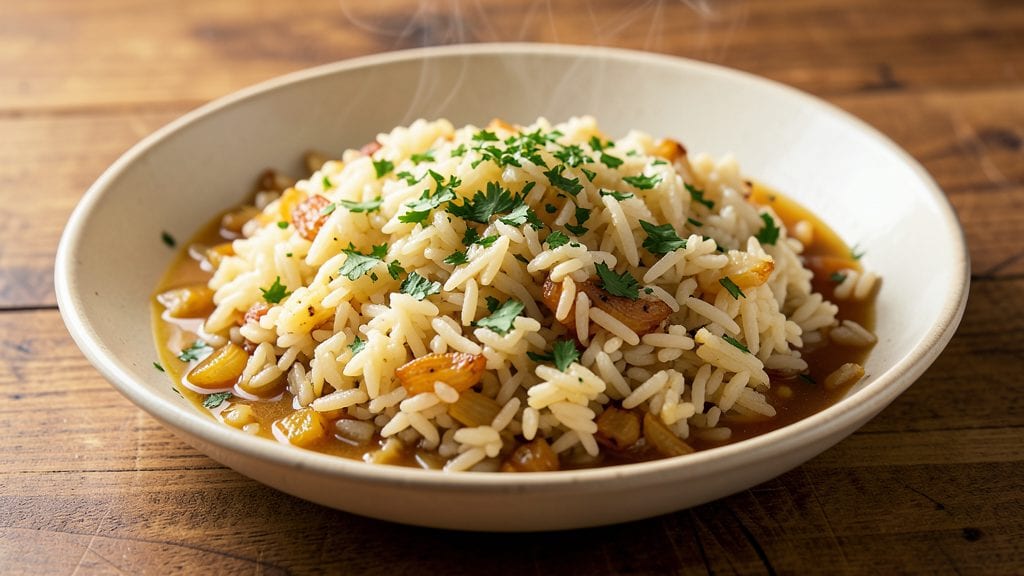
Mastering a basic rice pilaf recipe transforms simple white rice into a fragrant, textured side dish that elevates any meal. The secret lies in toasting spices and cooking grains separately in the same pan—a technique that builds layers of flavor without extra pots.
I’ve perfected this method over years of testing, ensuring each grain stays distinct and aromatic. This isn’t just rice; it’s a canvas for spices, herbs, and proteins.
The process is straightforward but precise: sauté onions and spices until fragrant, then toast the rice until golden before adding liquid. A 1:1.5 rice-to-broth ratio guarantees fluffy, separate grains with a crisp edge.
The result? A dish that’s light yet satisfying, versatile enough for weeknight dinners or holiday feasts. Whether paired with roasted chicken or served as a main, the texture and aroma make it unforgettable.
What sets this pilaf apart is its adaptability—swap spices for curry, cumin, or saffron, or stir in vegetables like peas or carrots for color and crunch. The key is patience: letting the rice absorb liquid evenly ensures no mushy bits.
By the final stir, you’ll have a dish that’s restaurant-quality at home, with grains that glisten under the light and release an inviting aroma.
Serve it warm alongside grilled meats, curries, or even as a standalone vegetarian main with a dollop of yogurt. The method scales effortlessly, so double or halve the recipe without sacrificing texture.
Ready in 25 minutes, this pilaf proves that simple ingredients can deliver extraordinary results with the right technique.
Ingredients for basic rice pilaf
Toasted spices and buttery grains—just twelve ingredients for restaurant-quality pilaf.
| Ingredient | Amount | Notes |
|---|---|---|
| Long-Grain White Rice 🍚 | 1 cup | Uncooked, medium grain preferred |
| Yellow Onion 🧅 | ½ cup | Diced, about 1 medium onion |
| Chicken Broth 💧 | 1 ½ cups | Low-sodium preferred, homemade or store-bought |
| Unsalted Butter 🧈 | 2 tbsp | Cold, cut into small cubes |
| Dried Parsley Flakes 🌿 | 1 tbsp | For garnish, or use fresh parsley |
| Salt 🧂 | ½ tsp | Kosher or sea salt, adjust to taste |
| Ground Black Pepper 🌶️ | ¼ tsp | Freshly ground preferred |
| Garlic Cloves 🧄 | 2 cloves | Minced, about 0.5 tsp |
| Vegetable Oil 🫒 | 1 tbsp | For sautéing, neutral flavor |
| Ground Cumin 🌿 | ½ tsp | Toasted for deeper flavor |
| Paprika 🌶️ | ½ tsp | Sweet or smoked variety |
| Fresh Parsley 🌿 | ¼ cup | Chopped, for finishing (optional) |
The rice is the foundation, so choose long-grain white rice like Basmati or Jasmine—it stays separate and fluffy. Bob’s Red Mill or Lundberg Family Farms are reliable brands for consistent quality. For the broth, homemade chicken broth adds depth, but Swanson or Pacific Foods low-sodium options work in a pinch. The butter should be cold when you add it—this creates those signature crisp edges on each grain. Don’t skip the toasted spices; they’re what transform plain rice into aromatic pilaf.
No cumin? Ground coriander at the same amount gives a similar earthy note. Running short on fresh parsley? Dried parsley flakes work, but add them at the very end to preserve color. The onion can be swapped for shallots or leeks if you prefer a milder flavor. For extra richness, substitute half the broth with white wine—just reduce it first to concentrate the flavor. If you’re making this vegetarian, use vegetable broth and add a pinch of saffron for color (though it’s optional).
Pilaf reheats beautifully—just add a splash of broth and cover until warm. Store leftovers in an airtight container for up to 4 days in the fridge. For longer storage, freeze portions for up to 3 months. I like to portion it into individual containers so I can grab a serving straight from the freezer. The flavors actually deepen overnight, so it’s even better the next day.
Why You'll Love This Recipe
- I swear by the 1: 2 rice-to-broth rule—no guesswork, no mushy rice. Just toast the onions in butter until they’re golden and sweet, then let the broth work its magic while you’re making the rest of dinner.
- Foolproof Ratio: I swear by the 1:2 rice-to-broth rule—no guesswork, no mushy rice. Just toast the onions in butter until they’re golden and sweet, then let the broth work its magic while you’re making the rest of dinner.
- Umami Magic: That chicken broth? It’s the secret weapon. The onions caramelize into something rich, the butter adds a velvety finish, and the parsley flakes bring a bright pop—like a hug for your taste buds, but better.
- Leftover Hero: This stuff tastes even better the next day. I make a big batch on Sundays, and by Wednesday, it’s the star of my lunchbox. Cold or reheated, it’s always a win—no sad, dry rice here.
Step-by-step instructions for perfectly toasted rice pilaf
Here's how to create fluffy, aromatic rice with distinct grains and deep spice notes.
Toast the Spices and Sauté the Aromatics
Heat the 1 tablespoon vegetable oil in a medium saucepan over medium heat. Add the 2 cloves minced garlic cloves and cook for 30 seconds until fragrant. Here's the thing—don't let the garlic brown or it'll turn bitter.
Next, add the 2 tablespoons cold unsalted butter cut into small cubes. Stir until melted, then add the 0.5 teaspoon ground cumin and 0.5 teaspoon paprika. Toast these spices for 30 seconds while stirring constantly—you'll see them darken slightly and release their aroma. This step develops the rich, toasty flavor that defines pilaf.
Add the 0.5 cup diced yellow onion and cook for 3-4 minutes until softened and translucent. You want the onions to caramelize just slightly at the edges. If they start to brown too quickly, reduce the heat to medium-low. This gradual cooking ensures the onions contribute sweetness without bitterness to the final dish.
Add Rice and Toast Until Translucent
Increase heat to medium-high and add the 1 cup long-grain white rice. Stir to coat the grains evenly with the oil and butter mixture. Cook for 2-3 minutes, stirring frequently, until the rice becomes translucent at the edges and the individual grains separate.
This toasting step is crucial—it prevents the rice from becoming mushy. You'll know it's ready when the rice grains look slightly opaque and the edges begin to turn a pale golden color. If you see any grains sticking, add 1 tablespoon chicken broth to deglaze and prevent burning.
Here's where it gets important: don't skip this step. Properly toasted rice absorbs flavors better and maintains its distinct texture. The grains should be dry and separate, not clumping together.
Deglaze and Simmer in Broth
Pour in the 1.5 cups chicken broth all at once and stir gently to combine. Bring to a gentle boil, then immediately reduce heat to low. Cover the pan tightly with a lid and simmer for 15 minutes without lifting the lid.
This initial simmering period allows the rice to absorb the broth evenly. The key is maintaining a gentle simmer—not a rolling boil—which prevents the rice from becoming tough. After 15 minutes, check the rice by lifting a grain with a fork. It should be tender but still slightly firm in the center.
If the rice appears dry at the edges but still firm in the center, add 2 tablespoons more chicken broth (if available) and continue cooking. The rice should finish cooking in the residual steam. Your goal is perfectly separate, fluffy grains with no liquid remaining at the bottom of the pan.
Rest and Fluff the Pilaf
Once the rice is tender and all the liquid has been absorbed (about 15-18 minutes total cooking time), remove the pan from heat. Let it sit covered for 5 minutes—this resting period allows the steam to redistribute and the grains to plump fully.
After resting, gently fluff the rice with a fork, being careful not to mash the grains. This creates the signature separate-grain texture of pilaf. Stir in the 0.5 teaspoon salt and 0.25 teaspoon ground black pepper at this stage to season evenly throughout the rice.
For finishing, sprinkle the 1 tablespoon dried parsley flakes and 0.25 cup chopped fresh parsley over the top. The dried parsley adds a subtle earthy note, while the fresh parsley provides a bright, fresh finish. Serve immediately while the rice is still warm and the aromas are at their peak.
Pro Tips For Making Basic Rice Pilaf
- TOAST THE ONIONS FIRST: I learned this the hard way—raw onions in pilaf make it taste like a sad soup. Sauté those yellow slices in butter until they’re golden, not just translucent. That caramelized flavor is what turns basic rice into something special.
- USE A LITTLE MORE BROTH: The rice will drink up more liquid than you think, especially if you’re impatient like me. Start with 1½ cups broth per cup of rice, then add another ¼ cup if it’s still dry after 15 minutes. Dry pilaf is a crime.
- STIR ONCE, THEN STOP: After the initial toast, don’t fuss with the rice. One gentle stir to distribute the onions, then let it cook undisturbed. Over-stirring turns pilaf into mush—this isn’t risotto, people.
- FINISH WITH COLD BUTTER: Sounds weird, but it works: stir in a pat of chilled butter and the parsley flakes at the very end. The cold butter coats each grain, making the rice taste richer without turning it greasy. (Your future self will thank you.)
Common mistakes when making this recipe
Skipping the Toast
One of the biggest mistakes is rushing through the spice toasting step. When you skip toasting the cumin and paprika, you lose that deep, nutty aroma that defines pilaf. I’ve seen people add spices directly to the broth—big mistake.
Toast them in the oil first for 30 seconds until they darken slightly. This releases their essential oils, creating complex flavor layers. Without toasting, your pilaf will taste flat and one-dimensional.
Using the Wrong Rice
Not all rice works for pilaf. Short-grain varieties like sushi rice or Arborio will turn mushy because they absorb too much liquid. Stick to long-grain white rice—Basmati or Jasmine are my go-tos. These varieties stay separate and fluffy.
If you must use another type, rinse it thoroughly first to remove excess starch. I’ve ruined pilaf using leftover jasmine rice that hadn’t dried properly—don’t make that mistake.
Adding Liquid All at Once
Pouring all 1.5 cups of broth into the pan at once can lead to uneven cooking. The outer grains will absorb liquid too quickly while the center stays undercooked. Instead, add the broth gradually if needed.
After the initial 15 minutes, check the rice—if it’s still firm, add 2 tablespoons more broth and cook another 5 minutes. This ensures every grain cooks evenly without turning mushy. 🌡️
Lifting the Lid Too Soon
Peeking under the lid while the rice simmers releases steam and disrupts the cooking process. Every time you lift it, you risk evaporating moisture and creating uneven texture. Resist the urge—let the rice cook undisturbed for the full 15 minutes before checking.
If you must peek, do it quickly and minimize exposure. I’ve seen pilaf turn gummy from premature lid-lifting—patience is key.
Over-Stirring the Rice
Stirring rice while it cooks can break the grains and turn them into a paste. Once you add the broth, stir just once to distribute it evenly, then let it sit undisturbed.
The only time you should stir is during the toasting step (when adding rice) and when fluffing at the end. Over-stirring releases starch prematurely, leading to sticky, clumpy rice. Less is more—trust the process.
Ignoring the Resting Time
Skipping the 5-minute rest after cooking is a common oversight. This step allows steam to redistribute, ensuring every grain finishes cooking evenly. Without resting, the rice can end up dry on the outside and undercooked inside.
Cover the pan tightly and let it sit—this makes all the difference. I’ve had guests ask why their pilaf was "uneven," only to realize they served it immediately. Always rest before fluffing. ✨
Nutrition facts
Frequently asked questions
Why does my pilaf turn out mushy instead of fluffy?
Mushy pilaf usually happens from overcooking or using the wrong rice type. Always use long-grain white rice like Basmati or Jasmine, and never stir the rice after adding broth—just one gentle stir to distribute liquid. The key is 15 minutes of undisturbed simmering on low heat. If it's still firm after that, add 2 tbsp more broth and cook 5 more minutes max.
Can I make this pilaf with vegetable broth instead of chicken?
For a vegetarian version, simply swap the chicken broth for vegetable broth and add a pinch of saffron or turmeric for color. The flavor will be just as rich—just ensure your broth has enough seasoning. I also recommend adding 1 tbsp lemon juice at the end for brightness. The texture stays identical!
How do I adjust this recipe for a larger crowd?
This recipe scales perfectly in a 1:1.5 rice-to-broth ratio. For 8 servings, use 2 cups rice and 3 cups broth, keeping all other ingredients proportional. The key is using a larger pot with a tight-fitting lid to maintain even cooking. Double-check your pan size—too much rice in a small pot will cause uneven cooking.
What's the best way to reheat leftover pilaf?
Reheat pilaf gently to avoid drying it out. Add 1-2 tbsp broth or water per cup of rice, cover with a damp paper towel, then warm in the microwave for 1-2 minutes on medium power. For stovetop reheating, cook on low heat with a splash of liquid until warmed through. Never reheat dry—this ruins the texture.
Can I add vegetables to this pilaf?
Yes! Add ½ cup diced carrots or peas with the onions during sautéing, or stir in ½ cup chopped spinach at the very end. For heartier pilaf, try ½ cup diced bell peppers or ¼ cup chopped almonds for crunch. Just be mindful of moisture—cook any watery veggies (like zucchini) separately first to avoid soggy rice.