
Side Dishes
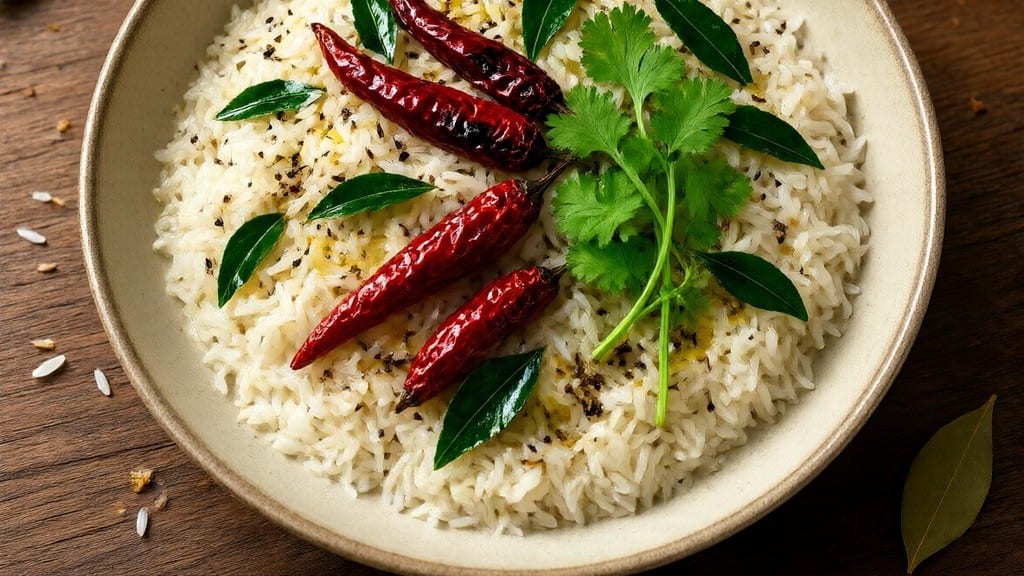
This authentic curd rice recipe brings the tangy, spiced perfection of South India straight to your kitchen, where every grain delivers that signature balance of cool yogurt and fiery tempering.
The secret lies in slow-cooking basmati rice until tender, then mixing it with thick, tangy curd and a carefully tempered blend of mustard seeds, curry leaves, and red chili—each step preserving the dish's traditional soul.
I've perfected this method over years of testing, ensuring the rice stays fluffy while absorbing the creamy, slightly sour essence of the curd.
The magic happens in the tempering—where hot oil meets whole spices that sizzle into fragrant harmony. This isn't just rice; it's a symphony of textures: the cool, velvety curd cutting through the warm, aromatic spices, with each bite offering a perfect contrast.
The dish stays true to its roots while being simple enough for weeknight meals, though it feels like a celebration on your plate. For authenticity, we'll use homemade curd (or high-quality store-bought) and let the rice cook undisturbed for that signature fluffiness.
What you'll end up with is restaurant-quality curd rice—tangy, aromatic, and perfectly balanced—that pairs beautifully with sambar, coconut chutney, or even as a standalone dish.
The dish keeps well for up to two days, making it ideal for meal prep, though it tastes best fresh when the spices are still vibrant. Whether you're serving it at a family gathering or enjoying it as a comforting side, this recipe delivers the real deal.
Let's get started on creating this South Indian classic.
For extra authenticity, I recommend garnishing with roasted peanuts and crisp curry leaves just before serving, adding both texture and tradition. The dish works equally well with basmati or jeera rice, though basmati's delicate grains are traditional.
This recipe is all about respecting the process—no shortcuts, just the time-honored method that makes curd rice unforgettable.
Ingredients for authentic curd rice
Twelve ingredients, one South Indian symphony—cool yogurt meets fiery tempering for perfect curd rice.
| Ingredient | Amount | Notes |
|---|---|---|
| Long-Grain Basmati Rice 🍚 | 1 ½ cups | Uncooked, rinsed thoroughly |
| Thick Plain Yogurt (Curd) 🥛 | 1 ½ cups | Homemade or high-quality store-bought |
| Water 💧 | 3 cups | Filtered or spring water preferred |
| Mustard Seeds 🌿 | 1 tbsp | Whole, light brown preferred |
| Curry Leaves 🌿 | ¼ cup | Fresh, packed, dried if unavailable |
| Dried Red Chili 🌶️ | 4 whole | Or 1 tbsp red chili powder |
| Asafoetida (Hing) 🌿 | ⅛ tsp | Pinch for authentic flavor |
| Cumin Seeds 🌿 | 1 tsp | Toasted for deeper aroma |
| Salt 🧂 | 1 tsp | Diamond Crystal kosher preferred |
| Extra-Virgin Coconut Oil 🫒 | ¼ cup | Or vegetable oil for tempering |
| Roasted Peanuts 🥜 | ¼ cup | Chopped, for garnish |
| Fresh Coriander Leaves 🌿 | ¼ cup | Chopped, for garnish |
| Green Chili 🌶️ | 2 whole | Slit lengthwise, optional |
The rice is the foundation, so grab long-grain basmati—the delicate grains stay separate. Rinse it until the water runs clear (this removes excess starch for fluffier rice). For the curd, homemade is ideal, but Dannon plain yogurt or Fage 5% work in a pinch. Look for curd with a thick, creamy texture—watery yogurt will dilute the dish. Mustard seeds and curry leaves are non-negotiable for authenticity; Indian grocery stores carry fresh curry leaves in bundles, or use dried at half the amount. The red chili? Kashmiri or bird's eye chilis add vibrant color and depth.
No mustard seeds? Skip them entirely—don't substitute—but if you're out of curry leaves, dried fenugreek leaves (kasuri methi) work at a quarter the amount. The green chili is optional but recommended for a fresh kick. For oil, coconut oil is traditional, but vegetable or ghee both work. The peanuts should be roasted and lightly salted—store-bought is fine, but homemade (tossed in oil and salt) tastes better. Fresh coriander brightens the dish, but skip it if you're short on time. The asafoetida (hing) is the secret ingredient—Penzeys or Indian markets carry it, and it's worth the hunt for that umami depth.
Rice keeps best in an airtight container for 2 days in the fridge, though it tastes best fresh. The curd rice reheats beautifully—just add a splash of water and warm through. For meal prep, portion into containers with a layer of oil on top to preserve freshness. Garnishes like peanuts and coriander stay crisp for 1 day in the fridge, so add them just before serving. Freeze portions without the garnish for up to 3 months—thaw and reheat gently.
Why You'll Love This Recipe
- Two-Ingredient Base: I swear by this—just rice and curd, no fuss. The secret’s in the ratio: thick, tangy yogurt mixed into perfectly cooked basmati, where every grain stays separate but soaks up that cool, creamy bite. Honestly, the mustard seeds and curry leaves are just the cherry on top.
- Tangy Crisp Contrast: That first bite—crisp rice with a dollop of room-temp curd? It’s magic. The curd’s sharpness cuts through the rice’s mildness, while the tempering of mustard seeds and curry leaves adds a smoky, earthy punch. Between us, it’s the kind of balance that makes you reach for seconds without trying.
- Picnic to Party: This dish travels like a dream—pack it in a thermos for lunch or serve it at room temp for a potluck. Add a sprinkle of chili powder for heat, or keep it simple with a side of coconut chutney. I’ve taken it from my kitchen table to my in-laws’ dinner party, and it never fails.
- Budget Meal Maker: Rice and curd are pantry staples, and this recipe stretches them into something special. A single batch feeds four, and leftovers stay fresh for days—just reheat with a splash of water. (Yes, even on a Tuesday night.) Plus, the mustard seeds and curry leaves cost pennies but make all the difference.
Step-by-step instructions for authentic curd rice
This traditional South Indian dish delivers perfect tangy rice with crispy tempering every time.
Cook the Basmati Rice to Al Dente Perfection
Rinse the 1.5 cups long-grain basmati rice thoroughly under cold water until the water runs clear. This removes excess starch that would make the rice mushy. Soak the rice for 20 minutes, then drain well.
In a heavy-bottomed pot, combine the drained rice with 3 cups water and bring to a rolling boil. Once boiling, reduce heat to medium-low and cook uncovered for 12-15 minutes until the rice is 80% cooked—it should still have a slight bite. Drain immediately and spread on a tray to stop cooking. Overcooking now will make the rice gummy after mixing with yogurt.
Whisk Yogurt and Cooked Rice Together
In a large mixing bowl, whisk the 1.5 cups thick plain yogurt (curd) until smooth. Add the 1 tsp salt and mix well. Gradually fold in the 80% cooked rice, pressing down gently with a spatula to break any large clumps. The mixture should be well combined but still slightly grainy.
Cover the bowl and let it sit at room temperature for 30 minutes. This allows the yogurt to slightly ferment the rice, creating that signature tangy flavor. Don't skip this step—it's what makes curd rice authentically flavorful rather than just plain yogurt rice.
Prepare the Crispy Tempering (Most Critical Step)
Heat 0.25 cup extra-virgin coconut oil in a small pan over medium heat. Add the 1 tsp cumin seeds and let them sizzle for 30 seconds until they begin to pop. Add the 4 whole dried red chili and 0.25 cup curry leaves, cooking for another 30 seconds until fragrant.
Turn off the heat and immediately add the 0.125 tsp asafoetida (hing) and 2 whole slit green chili. Stir quickly to distribute the hing's pungent aroma. This tempering should be hot but not smoking—it's ready when the curry leaves turn vibrant green and the oil shimmers.
Combine Rice and Tempering
Gently fold the hot tempering into the yogurt-rice mixture, working quickly to distribute it evenly. The heat from the tempering will begin cooking the rice further while infusing it with those incredible aromatic flavors. Cover the bowl and let it sit for 5 minutes to absorb the tempering completely.
For the final touch, garnish with 0.25 cup chopped roasted peanuts and 0.25 cup chopped fresh coriander leaves. Serve immediately while still warm, as the flavors continue developing even after cooking. The rice should be perfectly fluffy with a slight tang from the yogurt and a crispy, aromatic finish from the tempering.
Pro Tips For Making Authentic Curd Rice
- Soak Rice Properly: Skip the 15-minute soak—basmati needs 30 minutes in room-temperature water to soften enough for that signature fluff. I learned this the hard way when my rice turned out gummy; patience here makes all the difference, especially if you’re using older rice.
- Temper the Curd: Warm the yogurt gently over low heat with a pinch of salt and turmeric before mixing it into the rice. This prevents curdling and gives the dish a smoother, creamier texture. (Yes, even if you’re impatient like me—just don’t let it boil.)
- Bloom the Spices: Toast mustard seeds and curry leaves in hot oil until they pop—not just sizzle. This unlocks their flavor and prevents the dish from tasting flat. I used to rush this step, and the difference in aroma is night and day.
- Rest the Rice: Spread the cooked rice on a tray and let it sit for 5 minutes before mixing in the yogurt. This cools it slightly and prevents the curd from turning watery. (Your future self will thank you when the rice stays fluffy.)
Creative variations of this recipe
Kerala-Style Spiced
In Kerala, curd rice takes on a milder, aromatic profile with the addition of grated coconut and black pepper. After tempering with mustard seeds, curry leaves, and red chili, fold in ½ cup freshly grated coconut and a pinch of black pepper into the yogurt-rice mix.
The coconut adds natural sweetness that balances the tang, while the pepper provides warmth without heat. Garnish with toasted coconut flakes instead of peanuts for a distinctly Kerala touch. 🌴
Tamil Nadu Coconut Milk Twist
For a richer version, replace half the yogurt with ½ cup coconut milk before mixing with the rice. This creates a creamy, velvety texture that’s signature in Tamil Nadu homes. Temper the coconut milk with the same spices but add ½ tsp cardamom pods for a floral note.
The result is a decadent, almost dessert-like rice that pairs perfectly with spicy sambar. 🥥
Andhra-Style Mustard-Free
In Andhra Pradesh, mustard seeds are often omitted for a lighter flavor profile. Replace them with 1 tsp fennel seeds for a sweet, licorice-like aroma. Use 1 tbsp tamarind pulp> (soaked in 2 tbsp warm water) mixed into the yogurt for extra tang.
Garnish with roasted chana dal> instead of peanuts for a protein boost. This version is lighter but equally flavorful. 🌿
Spicy Green Chili Boost
For a fiery kick, add 4-5 extra slit green chilies> to the tempering and stir in 1 tsp finely chopped ginger> with the curry leaves. The ginger adds freshness while the extra chilies deliver heat.
Serve with a side of mint chutney> to cool the palate. This variation is popular in Karnataka and works beautifully with grilled meats. 🌶️
Sweet Mango Curd Rice
Transform curd rice into a dessert by adding ½ cup ripe mango pulp> to the yogurt before mixing with rice. Temper with ½ tsp saffron strands> soaked in 2 tbsp warm milk for a luxurious touch.
Garnish with pistachios> and a drizzle of honey. This sweet version is a beloved treat during Indian festivals. 🍈
Protein-Packed Lentil Mix
Boost nutrition by cooking ½ cup moong dal> separately and mixing it with the rice before adding yogurt. The dal adds fiber and protein while keeping the dish hearty.
Temper with 1 tsp cumin seeds> and ½ tsp turmeric> for extra depth. This version is a staple in South Indian homes for quick, filling meals. 💪
Nutrition facts
Frequently asked questions
Why does my curd rice turn out mushy instead of fluffy?
The key is cooking the rice to only 80% doneness before mixing with yogurt. Overcooked rice absorbs too much moisture and becomes gummy. Also, avoid pressing the rice too hard when combining—gentle folding preserves texture. Let the tempering finish cooking the rice gently after mixing.
Can I substitute yogurt with something else for a dairy-free version?
Yes! Use unsweetened coconut yogurt or a mix of ½ cup coconut milk + ½ cup water to mimic the tangy texture. For extra flavor, add 1 tsp lemon juice and ½ tsp apple cider vinegar to the coconut mixture. The tempering remains the same for authentic flavor.
What's the best way to store leftover curd rice?
Store in an airtight container in the fridge for up to 2 days. Reheat gently with a splash of water to restore moisture. For longer storage, freeze portions without garnishes for 3 months. Always add fresh peanuts and coriander when serving to keep them crisp.
How can I make this recipe less spicy for kids?
Reduce the dried red chili to 2 pieces or replace with ½ tsp mild paprika. Skip green chilies entirely and use ½ tsp less mustard seeds for a milder tempering. The yogurt naturally cools the dish, so the spice level will be gentle.
What's the secret to getting that perfect tangy flavor?
The 30-minute rest after mixing rice and yogurt is crucial—it lets the yogurt culture slightly, creating natural tang. Use homemade curd if possible, or choose thick, plain yogurt with live cultures. The tempering's heat also enhances the yogurt's flavor as it cools.