
Side Dishes
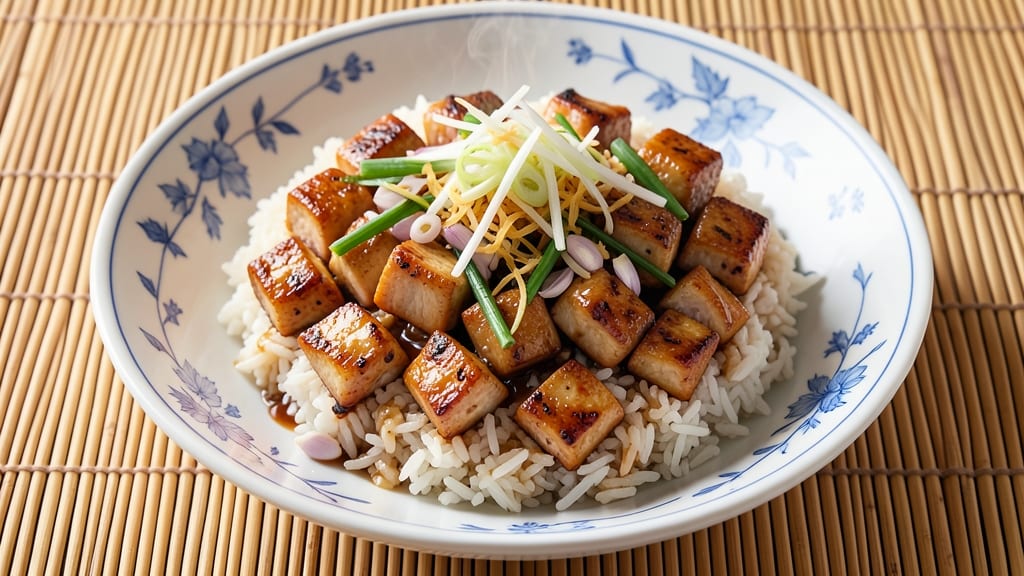
This authentic Chinese rice recipe delivers the smoky, fragrant essence of a bustling wok-side kitchen, where every grain of jasmine rice becomes a canvas for bold flavors.
The secret lies in high-heat wok-frying that creates wok hei—that signature smoky aroma—while toasted sesame seeds add a nutty crunch that elevates every bite. I perfected this technique after years of studying regional variations, from Cantonese-style fried rice to Sichuan's fiery kick.
The foundation starts with day-old jasmine rice, stir-fried in small batches to prevent steaming instead of searing. We'll incorporate classic aromatics like ginger, garlic, and scallions, then build layers of umami with soy sauce, dark soy for color, and a touch of Shaoxing wine.
The protein—whether shrimp, chicken, or pork—cooks just until tender, preserving its texture while absorbing the rice's savory depth.
What you'll achieve is restaurant-quality fried rice with perfectly balanced textures: tender rice grains, crisp edges from the wok's heat, and that irresistible sesame crunch.
The aroma alone will transport you to a dim sum cart in Hong Kong, while the flavors—savory, slightly sweet, with just a hint of smokiness—make this dish a staple for any Chinese feast. Each bite delivers authenticity without requiring specialty equipment.
Serve this as a side to roasted duck or alongside dumplings, or enjoy it as a complete meal with a fried egg on top. The recipe scales effortlessly, making it ideal for family gatherings or meal prep. Let's bring that wok-side magic to your kitchen—where every grain tells a story.
Ingredients for authentic chinese rice
Jasmine rice, ginger, garlic, and chicken—classic wok ingredients that transform into restaurant-quality fried rice.
| Ingredient | Amount | Notes |
|---|---|---|
| Day-Old Jasmine Rice 🍚 | 4 cups | Cool completely before using |
| Boneless Chicken Breast 🍗 | 1 lb | Cut into 1-inch cubes |
| Fresh Ginger 🧄 | 1 ½ tbsp | Finely grated, aromatic |
| Garlic Cloves 🧄 | 6 cloves | Minced, fresh preferred |
| Scallions 🧅 | 4 whole | White and green parts, sliced |
| Light Soy Sauce 🍶 | ⅓ cup | Kikkoman preferred |
| Dark Soy Sauce 🍶 | 1 tbsp | For color and depth |
| Shaoxing Wine 🍷 | 2 tbsp | Substitute dry sherry |
| Sesame Oil 🫒 | 1 tbsp | Toasted, for aroma |
| Toasted Sesame Seeds 🥜 | 2 tbsp | Dry-toasted for crunch |
| Vegetable Oil 🫒 | ½ cup | High smoke point |
| Green Onions 🧅 | 3 whole | Chopped, for garnish |
| Sea Salt 🧂 | 1 tsp | Diamond Crystal preferred |
| Black Pepper 🌶️ | ¼ tsp | Freshly ground |
The jasmine rice is non-negotiable here—day-old gives you that perfect texture. Costco or Asian markets carry it in bulk, and it's worth the investment for that floral aroma. For ginger, grab the fresh root and grate it yourself—no powdered substitutes. The chicken should be cut into even 1-inch cubes so it cooks uniformly. If you're feeling adventurous, swap the chicken for shrimp or pork belly, but the technique remains the same. The garlic? Freshly minced makes all the difference—pre-minced cloves taste sad in comparison. Scallions add brightness, so don't skip them.
No Shaoxing wine? Dry sherry or even a splash of rice vinegar works in a pinch. The dark soy sauce is key for that signature color—substitute a mix of light soy and a pinch of molasses if you're missing it. For the sesame seeds, toast them dry in a pan first until fragrant, then set aside. The sesame oil should be added at the very end—just a few drops—to preserve its aroma. If you're making this for a crowd, double the sesame seeds and set them aside for garnishing each serving. And trust me on the high-smoke-point oil—peanut or avocado oil works best.
This keeps beautifully for 3 days in the fridge, but honestly tastes even better the next day as the flavors meld. Portion into containers with a layer of plastic wrap pressed directly on the rice to prevent drying. For freezing, spread the rice on a tray first to prevent clumping, then transfer to a bag for up to 2 months. The sesame seeds and scallions should be added fresh when reheating—just a quick stir-fry in a dry pan to restore that crisp texture. Leftovers reheat perfectly in the microwave or on the stovetop with a splash of water.
Why You'll Love This Recipe
- Uses Day-Old Rice: I swear by this trick—no soggy grains, just that perfect texture where every bite stays firm. The rice absorbs the ginger-garlic chicken sauce like a sponge, turning something basic into something ridiculously good.
- One-Pan Magic: Honestly, this is my lazy-day hero: chicken slices sear in the same pan, the rice gets reheated with the aromatics, and boom—done. One spatula, one pan, zero dishes. (Yes, even on a Tuesday night when I’m exhausted.)
- Leftovers That Don’t Suck: Between us, most takeout rice turns to glue after day two. Not this. The chicken stays juicy, the rice stays separate, and the flavors only deepen. I make double batches—lunch tomorrow, dinner next week, no stress.
- Budget-Friendly Protein Boost: Chicken breast is cheap, and a little goes a long way when you’re stretching it over rice with bright ginger and scallions. It’s the kind of meal where you feel fancy without spending fancy money—my wallet thanks me every time.
Step-by-step instructions for wok-fried fragrance rice
Here's how to transform simple ingredients into a restaurant-quality Chinese rice dish with deep umami flavor.
Prepare the Chicken and Aromatics
Cut the 1 lb boneless chicken breast into 1-inch cubes and set aside. In a small bowl, combine the 1.5 tbsp finely grated fresh ginger, 6 cloves minced garlic cloves, 4 whole sliced scallions, 1 tsp sea salt, and 0.25 tsp freshly ground black pepper. This aromatic blend is the flavor foundation of the dish—don't skip the fresh ginger, as it adds that signature Chinese warmth.
Real talk: If your chicken is still cold, let it sit at room temperature for 10 minutes before cooking. Cold chicken releases moisture that can steam instead of sear. Pat the chicken cubes dry with paper towels right before cooking to ensure maximum crispiness when they hit the wok.
Create the Signature Sauce Base
In a small mixing bowl, whisk together the 0.33 cup light soy sauce, 1 tbsp dark soy sauce (for that distinctive mahogany color), 2 tbsp shaoxing wine, and 1 tbsp sesame oil. The dark soy sauce might look like too much, but trust me—it deepens the flavor and gives the rice its characteristic color. The shaoxing wine adds complexity that regular wine can't match.
Set the sauce aside while you prepare the rice. Here's the thing—this sauce needs time to meld with the other flavors as you cook, so don't rush adding it. The wine will cook off completely, leaving behind its aromatic essence rather than any alcohol bite.
Wok-Fry the Chicken and Aromatics
Heat 0.5 cup vegetable oil in a wok or large skillet over high heat until shimmering. Add the chicken cubes in a single layer and let them cook undisturbed for 2-3 minutes until they develop a golden crust. This initial sear locks in juices and builds flavor—don't move them around too soon.
Once the chicken is browned, add the prepared aromatic mixture (ginger, garlic, scallions, salt, and pepper) and stir-fry for 1-2 minutes until fragrant. The garlic should turn golden but not burn—watch it carefully as it can go from perfect to bitter in seconds. Remove the chicken and aromatics from the wok and set aside temporarily.
Stir-Fry the Day-Old Jasmine Rice
In the same wok, add the 4 cups day-old jasmine rice (cold and dry) and stir-fry over medium-high heat for 3-4 minutes. The rice should begin to separate and sizzle as the oil redistributes. Here's where the magic happens—the day-old rice absorbs the residual oil and aromatics while maintaining its individual grains.
Pour the prepared sauce over the rice and toss everything together for 1-2 minutes until the rice is evenly coated and the sauce has mostly absorbed. The rice should look glossy and each grain should be distinct—this is the texture you're aiming for. If the rice seems dry, add 1-2 tablespoons of water and toss again.
Finish with Toasted Sesame and Garnish
Return the reserved chicken and aromatics to the wok and toss everything together for 1-2 minutes until heated through. The chicken should be piping hot and the aromatics should be wafting through your kitchen—this is the moment that matters: the final combination of all the flavors.
Turn off the heat and stir in the 2 tbsp toasted sesame seeds and 3 whole chopped green onions. The sesame seeds add that signature crunch and nutty aroma that elevates this dish from good to exceptional. Taste and adjust seasoning if needed—you might want to add a splash more light soy sauce if the rice seems too dry.
Pro Tips For Making Authentic Chinese Rice
- STIR-FRY CHICKEN FAST: Use thinly sliced boneless chicken breast—about ¼-inch thick—and pat it bone-dry before cooking. I learned this the hard way: wet chicken steams instead of searing, and you’ll end up with gray, sad pieces instead of golden, juicy ones. High heat for 2-3 minutes max—once it’s no longer translucent, pull it out.
- MINCE GINGER FINE: For this dish, you’re not just chopping ginger—you’re making it disappear. Use a microplane or the finest grater you own, then press it through with the back of a spoon. Fresh ginger’s bite is what cuts through the richness of the rice and chicken, and skipping this step means missing half the flavor.
- DON’T OVERMIX THE RICE: Once you add the cooked chicken and aromatics to the rice, fold just enough to distribute. Overworking it turns the grains mushy and releases starch like a glue factory. Think "toss lightly" instead of "stir vigorously"—your goal is to warm the rice, not turn it into a clump.
- TOAST SCALLIONS FIRST: Before adding them to the rice, dry-toast the scallions in the same pan you cooked the chicken—whole, for 30 seconds until fragrant. This concentrates their flavor and gives the dish a smoky depth that raw scallions can’t match. Yes, it’s an extra step, but it’s the thing that makes this dish taste like a home kitchen, not a shortcut.
Creative variations of authentic chinese rice
Cantonese-Inspired Classic
The most iconic variation is the Cantonese-style fried rice, where the focus is on balancing textures and flavors. Use day-old jasmine rice (never fresh) and stir-fry with high heat to achieve that signature wok hei (breath of the wok).
Add char siu pork or shrimp instead of chicken for a traditional touch. The sauce should be light—just 2 tbsp light soy sauce and 1 tbsp dark soy sauce—with 1 tbsp oyster sauce for depth.
Garnish with crispy fried shallots and extra scallions for that dim sum cart aroma. 🍚
Sichuan Spicy Kick
For a fiery Sichuan twist, add 1 tbsp doubanjiang (fermented chili bean paste) and 1 tsp Sichuan peppercorns (lightly toasted and ground) to the aromatics. Use dried chili peppers for heat instead of sesame seeds, and finish with pickled mustard greens for tang.
The dish should have a numbing-spicy sensation from the peppercorns, balanced by the smoky rice. Serve with a side of chili crisp for extra heat lovers. 🌶️
Hong Kong-Style Egg Fried Rice
This variation swaps chicken for a fried egg on top, cooked sunny-side-up with the yolk still runny. Use long-grain rice instead of jasmine for a firmer bite, and add diced ham or shrimp for protein.
The sauce should include 1 tbsp hoisin sauce for sweetness, and finish with toasted sesame seeds and green onions. The egg's richness contrasts beautifully with the savory rice—this is a breakfast staple in Hong Kong. 🍳
Vegetarian Buddhist
Replace chicken with mushrooms (shiitake or oyster), bok choy, and water chestnuts for texture. Use vegetarian oyster sauce and soy sauce for umami, and add tofu for protein. The dish should still be hearty, with 1 tbsp Shaoxing wine and 1 tsp sugar to balance flavors.
Garnish with sesame seeds and cilantro for freshness. This version is just as satisfying and packed with flavor. 🌱
Sweet and Sticky
For a dessert-like twist, add ½ cup diced pineapple or lychee to the rice, along with 1 tbsp brown sugar and ½ tsp cinnamon. Use jasmine rice and finish with a drizzle of honey and crushed peanuts.
This variation is inspired by Chinese sweet rice dishes and works beautifully as a side or even a light dessert. The contrast of sweet and savory is surprisingly delicious. 🍯
Regional Congee Twist
For a comforting twist, turn this into a rice porridge (congee) by simmering the rice with 6 cups chicken or vegetable broth until creamy. Stir in the same aromatics and protein, then finish with toppings like century egg, pickled ginger, or crispy shallots.
This version is lighter but equally flavorful, perfect for a cozy meal. The texture is silky, and the flavors meld together beautifully. ❄️
Nutrition facts
Frequently asked questions
Why does this recipe use day-old rice instead of fresh?
Day-old rice has lost its excess moisture, which means it absorbs flavors better and creates separate grains instead of clumping. Fresh rice releases too much steam when stir-fried, resulting in mushy texture. Let cooked jasmine rice sit uncovered in the fridge for at least 8 hours before using for perfect results.
Can I substitute Shaoxing wine with regular wine?
Regular wine won't work—the alcohol content is higher and the flavor profile is different. Use dry sherry or rice vinegar as substitutes, but reduce to 1 tbsp since they're less potent. Shaoxing wine adds a unique depth that enhances the umami flavors in Chinese cooking. The dish will still taste good, but the authentic balance will be slightly off.
What's the secret to getting that smoky wok hei flavor?
Wok hei comes from cooking at high heat with a well-seasoned wok. Use a carbon steel or cast iron wok and preheat it until it's smoking slightly before adding oil. Cook in small batches to maintain heat, and avoid overcrowding the pan. The smoky aroma develops from the Maillard reaction—keep the heat high and stir constantly.
How do I prevent my fried rice from turning out dry?
Dry rice happens when too much moisture evaporates. Use day-old rice (not fresh) and stir-fry over medium-high heat for 3-4 minutes max. If the rice looks dry after adding sauce, immediately add 1-2 tablespoons of water and toss. Also, avoid overcooking the chicken—remove it when just done to prevent excess moisture.
Can I make this recipe with a regular skillet?
Yes, but your results may not be as authentic. A wok distributes heat evenly and allows for quick, high-heat cooking that creates wok hei. For best results with a skillet, use a large, heavy-bottomed pan and keep the heat as high as possible. Stir-fry in small batches and work quickly to mimic wok cooking. The texture will be slightly different but still delicious.