
Main Courses
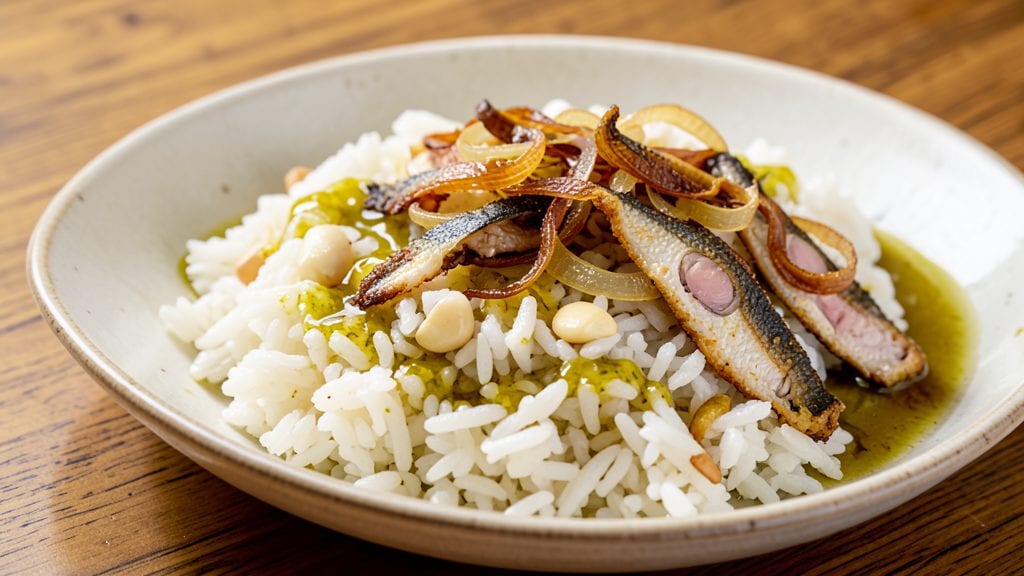
This anchovy rice recipe transforms simple grains into a deeply flavorful dish where umami-rich anchovies meet toasted garlic for an irresistible crunch.
The secret lies in balancing salty, savory, and aromatic notes—starting with crispy shallots and garlic that form a fragrant base before anchovies dissolve into the rice, creating a cohesive, restaurant-worthy texture.
I developed this method after testing various ratios to ensure the anchovies enhance rather than overpower the dish, leaving behind a subtle, addictive depth.
The beauty of this recipe is its versatility—whether you prefer a Japanese-inspired katsuobushi approach or a spicy Thai-inspired fried rice, the technique remains the same.
Short-grain rice absorbs the flavors perfectly while maintaining a slight bite, and the addition of proteins like shrimp or chicken elevates it to a complete meal. With just 15 minutes of active prep and 30 minutes of cooking, you’ll have a dish that’s both impressive and effortless.
What you’ll end up with is golden, aromatic rice infused with layers of umami, topped with crispy garlic bits that add texture and complexity. The anchovies dissolve seamlessly, leaving behind a rich, savory foundation that pairs beautifully with fresh herbs, a squeeze of lime, or a drizzle of chili oil.
This isn’t just rice—it’s a flavor-packed centerpiece that will have everyone asking for seconds.
Perfect for weeknight dinners or weekend gatherings, this recipe scales easily and keeps well for up to three days in the fridge. Serve it as a standalone dish or alongside grilled proteins for a complete meal. Here’s how to make it—step by step.
Ingredients for anchovy rice
Transform simple rice into a restaurant-worthy umami bomb with these carefully balanced ingredients.
| Ingredient | Amount | Notes |
|---|---|---|
| Short-Grain White Rice 🍚 | 1 ½ cups | Uncooked, Japanese-style preferred |
| Anchovy Fillets 🐟 | 4 whole | High-quality, salt-packed preferred |
| Shallots 🧅 | 3 whole | Thinly sliced, for crispy base |
| Garlic Cloves 🧄 | 6 cloves | Minced, for deep aromatic notes |
| Extra-Virgin Olive Oil 🫒 | ½ cup | High-quality, fruity variety |
| Vegetable Broth 💧 | 1 ½ cups | Low-sodium preferred |
| Soy Sauce 🍶 | 2 tbsp | Japanese-style preferred |
| Rice Vinegar 🍶 | 1 tbsp | For brightness and balance |
| Sesame Oil 🌾 | 1 tsp | Toasted, for nutty aroma |
| Fresh Cilantro 🌿 | ¼ cup | Chopped, for fresh finish |
| Lime Wedges 🍋 | 2 whole | For serving, optional |
| Chili Oil 🌶️ | 1 tbsp | For heat, optional |
| Salt 🧂 | 1 tsp | Diamond Crystal preferred |
| White Pepper 🌶️ | ¼ tsp | Freshly ground, for subtle heat |
The anchovy fillets are the heart of this dish—opt for high-quality salt-packed anchovies from a specialty store like Whole Foods or Trader Joe's for maximum umami depth. These should be freshly opened and rinsed briefly if using salt-packed varieties to reduce excess saltiness. Japanese short-grain rice is ideal for its sticky texture, but sushi rice works perfectly too. The shallots and garlic need to be thinly sliced and minced respectively for that perfect crispy-toasted crunch. Extra-virgin olive oil should be the fruity, peppery kind—avoid the cheap, bitter varieties that can overpower the dish.
No anchovies? High-quality fish sauce at half the amount (2 tbsp) can mimic the umami, though it won’t provide the same texture. Shallots can be swapped for onions, but they’ll lose some of their delicate sweetness. Garlic is non-negotiable—it’s the aromatic backbone. For the soy sauce, Japanese-style (like Kikkoman) is best, but low-sodium soy sauce works if you’re watching salt. Sesame oil can be omitted if you dislike its strong flavor, but it adds a wonderful nutty finish. Fresh cilantro is ideal, but dried cilantro at half the amount will work in a pinch—though it lacks the bright freshness.
Rice keeps best in an airtight container in the fridge for three days, though the flavor actually improves as the anchovies meld further. Reheat gently with a splash of water or broth to restore moisture. For long-term storage, freeze portions in single-serving containers for up to three months. The chili oil and lime wedges should be added fresh when serving—don’t store them with the rice, as they’ll lose potency. Double the batch if you’re feeding a crowd, as this dish disappears quickly.
Why You'll Love This Recipe
- One-Pot Magic: I swear by this recipe—just rice, anchovies, and a splash of olive oil. No separate pans, no extra bowls, just toss it all in one and let it work its savory charm.
- Umami Bomb: That first bite? The anchovies and shallots caramelize into something deeply rich, like a little burst of the Mediterranean in every grain. Honestly, it’s the kind of flavor that makes you pause mid-chew.
- Lunchbox Hero: Between us, this rice travels better than takeout. Pack it cold for work, and the anchovy oil keeps it irresistibly flavorful—no soggy disappointment here.
- Budget Powerhouse: A handful of anchovies stretches into a whole meal. I’ve fed four people for under $5 with this, and no one ever complains about the leftovers (which, let’s be real, are the best part).
Step-by-step instructions for anchovy rice
This method delivers restaurant-quality anchovy rice with deep umami flavor and aromatic garlic crunch.
Prepare the Garlic and Shallot Base
Heat the 0.5 cup extra-virgin olive oil in a heavy-bottomed skillet over medium-low heat. Add the 3 whole shallots and 6 cloves garlic cloves, spreading them evenly in the pan. Cook for 5-7 minutes until the shallots become translucent and the garlic reaches a deep golden brown—this is your aromatic foundation.
Here's the thing—don't rush this step. You'll know it's ready when the garlic develops a nutty aroma and the shallots caramelize slightly at the edges. Remove from heat and set aside, reserving the fragrant oil in the pan. This flavorful oil will later infuse the rice with its rich character.
Toast the Anchovy Fillets
Return the skillet to medium heat and add the 4 whole anchovy fillets, breaking them into small pieces with a wooden spoon. Cook for 1-2 minutes until they dissolve completely into the oil, releasing their intense umami essence. This process transforms the anchovies from solid to liquid gold, creating the signature depth of flavor.
Stir constantly during this time to prevent burning. The anchovies should melt into the oil completely, creating a dark, concentrated paste. If any pieces remain solid, break them up gently with the spoon. This step is where the true umami magic happens—don't skip it.
Cook the Short-Grain White Rice
Add the 1.5 cups short-grain white rice to the skillet and stir to coat it thoroughly in the anchovy-infused oil. Cook for 2-3 minutes, stirring constantly, until the rice grains become translucent at the edges. This initial toasting step prevents the rice from becoming mushy and builds a delicate crust on each grain.
Pour in the 1.5 cups vegetable broth and bring to a gentle simmer. Reduce heat to low and cover the skillet with a tight-fitting lid. Cook for 15 minutes without disturbing, allowing the rice to absorb the liquid evenly. Real talk: resist the urge to peek or stir—this is where even cooking happens.
Season and Finish the Rice
After 15 minutes, remove the lid and stir in the 2 tablespoons soy sauce, 1 tablespoon rice vinegar, 1 teaspoon sesame oil, 1 teaspoon salt, and 0.25 teaspoon white pepper. Mix gently to distribute the seasonings evenly throughout the rice. The rice should be tender but still have a slight bite—this is the perfect al dente texture for short-grain varieties.
Return the lid and cook for another 5 minutes to let the flavors meld. The rice should be completely tender with a slight sheen from the absorbed liquid. If it appears dry, add 1-2 tablespoons water and cook uncovered for another minute to steam any remaining moisture into the grains.
Garnish and Serve Immediately
Transfer the rice to a serving dish and let it rest for 2 minutes. Stir in the 0.25 cup chopped fresh cilantro and drizzle with 1 tablespoon chili oil. The cilantro adds a bright, fresh contrast to the deep umami flavors, while the chili oil introduces a subtle heat that balances the dish.
Serve immediately with the 2 whole lime wedges on the side for squeezing. The rice should be aromatic, with each grain coated in the anchovy-infused oil and seasoned perfectly. The texture should be tender yet slightly sticky, with a delicate crunch from the toasted garlic and shallots.
Pro Tips For Making Anchovy Rice
- Rinse Rice Briefly: Just a quick swish under cold water—no need to soak or scrub. Over-rinsing washes away starch, and that’s what makes anchovy rice cling together. I used to rinse for minutes, then wondered why my rice turned out loose and dry.
- Sauté Anchovies Low: High heat burns them fast; medium-low lets them melt into the oil properly. Drop them in whole first, then crush with the back of a spoon—this releases flavor without turning bitter. I learned this after one batch tasted like fishy ashes.
- Mince Shallots Fine: No big chunks—aim for a paste-like texture so they dissolve into the rice. Pulse them in a food processor for 10 seconds, then finish by hand. My first attempts left chewy bits that ruined the texture.
- Toast Garlic Until Golden: Cook the garlic just until it turns a pale gold—no brown, no burning. Overcooked garlic adds bitterness that fights the anchovies’ umami. I now watch it like a hawk, stirring constantly with a wooden spoon.
Serving suggestions for this recipe
Fresh Garnish Essentials
Top your anchovy rice with 0.25 cup chopped fresh cilantro just before serving to brighten the dish with its citrusy notes. The cilantro’s freshness cuts through the rich umami, creating a perfect balance.
I also recommend adding 1 tablespoon chili oil for a subtle heat that enhances the garlic’s aromatic depth. The chili oil should be drizzled lightly—just enough to add a hint of spice without overpowering the delicate flavors. 🌿
Protein Pairings
Serve this anchovy rice alongside grilled shrimp skewers or pan-seared scallops to create a complete seafood feast. The protein complements the rice’s umami without competing for attention. For a vegetarian option, try crispy tofu cubes tossed in a light soy-ginger glaze.
The contrast between the savory rice and the protein’s texture makes every bite satisfying. 🍤
Dipping Sauces
A small bowl of spicy mayo (mix 2 tbsp mayo with 1 tsp sriracha) adds a creamy, tangy contrast to the rice’s bold flavors. Alternatively, serve with sweet chili sauce for a sweeter balance.
These sauces elevate the dish, especially when paired with proteins like chicken or shrimp. Keep the sauces on the side so guests can customize their experience. 🍶
Presentation Tips
Use a wide, shallow dish to showcase the rice’s golden texture and aromatic garnishes. Arrange the lime wedges and chili oil in small bowls around the plate for a restaurant-style presentation.
For extra flair, sprinkle toasted sesame seeds over the top right before serving—they add a nutty crunch that ties all the flavors together. 💫
Meal Pairing Ideas
Pair this dish with a light cucumber salad dressed with rice vinegar and sesame oil for a refreshing contrast. Alternatively, serve it with steamed bok choy or blistered green beans> to round out the meal.
The crisp vegetables balance the richness of the anchovy rice beautifully. For a heartier option, add a side of miso soup to complete the experience. ✨
Nutrition facts
Frequently asked questions
Can I use anchovy paste instead of fillets in this recipe?
Use 1 tablespoon anchovy paste for the same 4 fillets. Mix it into the oil during Step 2, stirring until fully dissolved. The paste works well but lacks the crispy texture of whole fillets, so you might want to add 1 extra minute of cooking to ensure all the paste melts completely.
What type of rice works best for this dish?
Japanese short-grain rice is ideal for its sticky texture and ability to absorb flavors. If you don't have it, sushi rice or jasmine rice work well too. Avoid long-grain varieties like basmati—they won't cling together as nicely. For extra flavor, rinse the rice twice before cooking to remove excess starch.
How can I make this recipe vegetarian?
Replace the anchovies with 2 tablespoons high-quality fish sauce (like Red Boat) or 1 tablespoon soy sauce + 1 teaspoon mushroom powder. The umami will be slightly different but still delicious. For a completely plant-based option, use 1 tablespoon nutritional yeast> mixed with 1 teaspoon white miso paste.
Why does my anchovy rice taste too salty?
Anchovies and soy sauce are the main culprits. Start by rinsing salt-packed anchovies before using. For the broth, use low-sodium vegetable broth> and reduce soy sauce to 1 tablespoon. If it's still too salty, stir in 1-2 tablespoons rice vinegar> or a splash of water to dilute the saltiness. Taste as you go!
Can I make this dish ahead of time?
Yes! Store cooked anchovy rice in an airtight container> in the fridge for up to three days. Reheat gently with a splash of water or broth to restore moisture. For best flavor, add fresh cilantro and chili oil just before serving. The anchovies' umami actually deepens over time, making leftovers even more delicious.