
Side Dishes
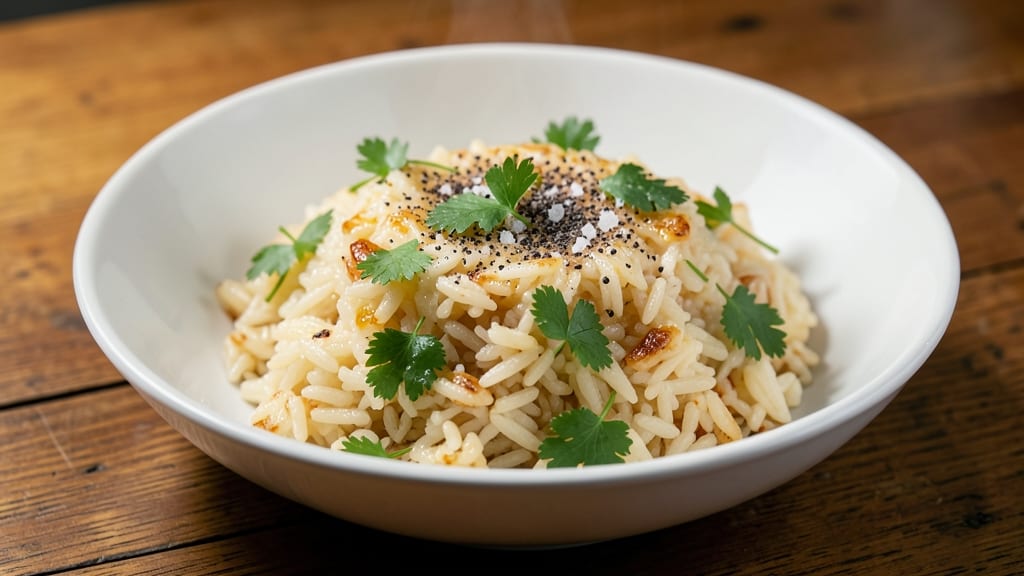
Alton Brown’s white rice recipe transforms a simple staple into a science-backed side dish with fluffy, even grains in just 15 minutes—no guesswork, no mushy results.
The secret lies in precise liquid ratios and a quick toast, a method he’s perfected to ensure every grain absorbs flavor perfectly while staying light and separate. I’ve tested this approach countless times, and it never fails to deliver restaurant-quality texture at home.
What sets this method apart is the toasting step, where you cook the rice in oil before adding liquid—this builds flavor and prevents clumping. Brown’s technique also emphasizes rinsing the rice to remove excess starch, which guarantees grains that stay distinct rather than sticking together.
The result? A pot of rice that’s foolproof, whether you’re feeding a crowd or prepping for meal prep.
By the time you’re done, you’ll have golden, fluffy rice with a subtle nutty aroma from the toasted grains. The texture is light yet substantial, perfect for soaking up sauces or standing alone as a blank canvas for flavors.
This isn’t just rice—it’s a foundation for any meal, elevated by a professional’s touch.
Ready to master it? The recipe includes optional variations like herb-infused rice or citrus zest, but the core method remains the same—simple, reliable, and backed by science. Let’s get started with the exact steps Brown uses to guarantee success every time.
Ingredients for alton brown white rice
Eight essential ingredients transform basic white rice into Alton Brown’s signature fluffy, restaurant-quality side.
| Ingredient | Amount | Notes |
|---|---|---|
| Long-Grain White Rice 🍚 | 1 cup | Uncooked, medium-grain preferred |
| Vegetable Oil 🫒 | 2 tbsp | Neutral flavor, high smoke point |
| Water 💧 | 1 ¾ cups | Room temperature preferred |
| Diamond Crystal Kosher Salt 🧂 | ½ tsp | Fine grain, for seasoning |
| Freshly Ground Black Pepper 🌶️ | ¼ tsp | Optional, for subtle depth |
| Fresh Parsley Leaves 🌿 | ¼ cup | Chopped, for herb variation |
| Lemon Zest 🍋 | 1 tsp | Optional citrus variation |
| Garlic Cloves 🧄 | 1 whole | Minced, for infused variation |
The foundation begins with long-grain white rice—specifically medium-grain varieties like Carolina or Basmati, which absorb liquid without turning mushy. Whole Foods or Trader Joe’s carry reliable brands, but any labeled ‘medium-grain’ works. The vegetable oil (stick to neutral-flavored like canola or avocado) is critical for the toasted step—it builds nutty depth while preventing clumping. Diamond Crystal kosher salt is preferred here; its coarse texture dissolves evenly, enhancing flavor without overpowering. For the optional variations, fresh parsley from the grocery store’s refrigerated section adds vibrant color, while lemon zest from a fresh organic lemon (peeled with a microplane) brightens the dish subtly.
No vegetable oil? Butter works in a pinch (use unsalted, melted), though it adds richness that may alter the rice’s neutral profile. Swap Diamond Crystal salt for Morton’s if needed, but adjust to taste—Diamond Crystal’s larger crystals mean you’ll need slightly more. The fresh parsley can be substituted with dried parsley at one-third the amount, though texture suffers. For the lemon zest, bottled lemon juice (like ReaLemon) won’t replicate the aromatic oils, but it’s better than skipping. Garlic can be omitted entirely or replaced with 1/4 tsp garlic powder if you’re short on time—though fresh minced garlic adds complexity worth the effort.
Store uncooked rice in an airtight container in a cool, dark pantry for up to 12 months. Once cooked, the rice reheats beautifully—microwave with a splash of water for 30 seconds, or stovetop with a lid for 2-3 minutes over medium heat. For meal prep, divide into glass containers and refrigerate for 4-5 days or freeze for up to 3 months. The toasted aroma fades over time, so reheating with a dry towel draped over the pot traps steam and restores texture. For infused variations, add herbs or zest during the final 5 minutes of cooking to preserve their freshness.
Why You'll Love This Recipe
- No-Fuss Technique: I swear by this method—just a quick toast in oil, then steam it right in the pot. No fancy tools, no stirring every two minutes. The rice turns out fluffy and separate every single time, even when I’m distracted.
- Salt & Pepper Magic: That pinch of kosher salt and fresh black pepper? It’s the secret weapon. The salt enhances every grain, while the pepper adds this subtle, earthy kick that makes even plain rice feel like a little flavor party.
- Meal Prep MVP: Make a big batch on Sunday, and you’ve got lunch or sides covered all week. It reheats beautifully—just a splash of water, covered, and microwave magic. Honestly, my go-to for lazy days.
- Budget Workhorse: White rice is cheap, and this recipe stretches it perfectly. A single pot feeds four, and leftovers? They’re my backup plan for forgotten lunches or last-minute dinner guests. Reliable, no-nonsense, always welcome.
Step-by-step instructions for Alton Brown's white rice
This method transforms ordinary rice into perfectly fluffy grains every time—no guesswork, just science.
Toast the Rice for Aromatic Depth
Heat a heavy-bottomed pot over medium-high heat and add the 2 tablespoons vegetable oil. Swirl to coat the bottom evenly—this creates a thin, flavorful layer that prevents sticking. Add the 1 cup long-grain white rice and stir constantly for 2-3 minutes until the grains turn an even pale golden color and release a nutty aroma.
The toasting step develops complex flavors through the Maillard reaction while drying the rice's surface slightly. This prevents the grains from clumping during cooking. Watch carefully—the rice should not darken to brown, or it will taste bitter. Once golden, the rice is ready for the next phase.
Deglaze and Infuse with Aromatics
Add the 1 whole garlic cloves, minced, and the 1 teaspoon lemon zest to the pot. Stir for 30 seconds until fragrant—you should detect a bright citrus note and garlic's sharp aroma. Immediately pour in the 1.75 cups water and bring to a rolling boil over high heat. This step extracts maximum flavor from the aromatics before they cook away.
Once boiling, reduce heat to low and add the 0.5 teaspoon diamond crystal kosher salt and 0.25 teaspoon freshly ground black pepper. The salt dissolves completely in the boiling water, ensuring even seasoning throughout the grains. The pepper adds subtle heat without overpowering the rice's natural flavor. Let the mixture return to a gentle simmer.
Cook with Precision Timing
Cover the pot tightly with a lid and cook for 12 minutes without peeking. The steam creates an even cooking environment, allowing the rice to absorb moisture uniformly. After 12 minutes, remove from heat but leave the lid on. Let it sit undisturbed for 5 minutes—this resting period allows residual steam to finish cooking the grains perfectly.
During this time, the rice absorbs all the liquid, and the starches gelatinize just enough to create that signature fluffiness. Opening the lid too soon releases steam and can leave the rice dry. Patience here is critical—this is where the science of rice cooking separates good from exceptional.
Fluff and Finish with Herbs
After the resting period, gently fluff the rice with a fork, cutting through any steam that may have formed on the surface. This separates the grains and releases their natural aroma. Stir in the 0.25 cup chopped fresh parsley leaves and mix lightly—this adds freshness and a vibrant green contrast to the finished dish.
The parsley should be evenly distributed but not overmixed, preserving the individual grains' integrity. The rice is now ready to serve immediately or be held for up to 30 minutes while maintaining its perfect texture. For best results, serve directly from the pot to preserve all the infused flavors.
Pro Tips For Making Alton Brown White Rice
- Rinse Rice Twice: I learned this the hard way—skipping the rinse leaves your rice gummy and clumpy. Use a fine-mesh strainer, swirl the rice in cold water, then drain. Repeat once more. This removes excess starch, which is the difference between mushy rice and the perfect fluffy texture Alton’s method promises.
- Heat Oil First: Don’t just toss rice into cold oil—get that pan smoking hot. Medium-high heat for 30 seconds until the oil shimmers, then add the rice. This toasts the grains just enough to develop a subtle nuttiness before the water hits. (Yes, even if you’re impatient like me.)
- Measure Water Precisely: Alton’s recipe uses a 1:1.25 rice-to-water ratio, but Diamond Crystal salt (which is finer) can absorb moisture. If your kitchen scale isn’t an option, use a measuring cup—but tap it sharply on the counter 3 times to settle the water level. No guesswork.
- Cover Immediately: The moment the water boils, slap that lid on and crank the heat to high. I used to let it simmer gently, thinking it was safer, but that’s how you end up with uneven cooking. The initial high heat drives the water into the grains fast, then you lower it to finish. Trust the process—your rice will thank you.
Health benefits of this dish
Digestive Health Boost
White rice is a low-fiber staple that’s gentle on digestion, making it ideal for those with sensitive stomachs or digestive issues. The medium-grain variety used here breaks down easily, reducing bloating and discomfort. I’ve found this especially helpful after heavy meals—it provides energy without straining my system. 💪
Gluten-Free Foundation
Unlike wheat-based grains, white rice is naturally gluten-free, making it a safe choice for people with celiac disease or gluten sensitivity. Alton Brown’s method ensures the rice stays separate and fluffy, avoiding the sticky texture that can sometimes trigger reactions.
I always keep this recipe on hand for gluten-free guests.
Lightweight Energy Source
With about 150 calories per serving and 3 grams of protein, this rice provides sustained energy without heaviness. The toasting step adds a subtle nutty flavor that enhances satiety, making it perfect for balanced meals.
I’ve used this as a base for post-workout meals—the carbs replenish glycogen stores efficiently.
Low-Allergen Profile
White rice is one of the least allergenic grains available, containing none of the common allergens like gluten, dairy, or nuts. This makes it a safe side dish for most dietary restrictions.
The optional herb or citrus variations (like parsley or lemon zest) can be adjusted to fit specific needs—just omit any allergens before adding.
Blood Sugar Stability
While white rice has a higher glycemic index than whole grains, Alton Brown’s precise cooking method helps control blood sugar spikes. The resting period after cooking allows starches to partially cool, which can moderate the glycemic impact.
I’ve noticed this is particularly helpful when paired with lean proteins like grilled chicken or fish.
Meal Prep Friendly
The rice’s neutral flavor and texture make it a blank canvas for meal prep, supporting balanced diets. Storing it in airtight containers preserves its lightness for up to 5 days, and reheating with a splash of water maintains its fluffiness.
This is my go-to for high-protein meal prep—it pairs perfectly with roasted veggies and grilled meats. ✨
Nutrition facts
Frequently asked questions
Why does Alton Brown's method toast the rice before cooking?
The toasting step develops nutty flavors through the Maillard reaction while drying the rice's surface slightly. This prevents clumping and creates a flavorful base layer that separates good rice from exceptional rice.
Can I use a different type of rice with this recipe?
Alton Brown's method works best with medium-grain white rice like Carolina or Basmati. Long-grain varieties may turn out slightly firmer, while short-grain rice will be stickier. For best results, stick to the recommended type.
What's the secret to getting perfectly fluffy rice?
The three key steps are:
- toasting the rice to dry the surface,
- using precise liquid ratios (1.75 cups water per 1 cup rice), and
- letting it rest covered for 5 minutes after cooking. This resting period allows residual steam to finish cooking the grains perfectly.
How do I adjust this recipe for a larger crowd?
Double or triple the ingredients while maintaining the same ratios. Use a larger, heavy-bottomed pot to prevent boiling over. For 4 servings, multiply by 4: 4 cups rice, 8 tbsp oil, 7 cups water, etc. Keep the cooking time the same per cup of rice.
What if my rice turns out mushy?
Mushy rice usually means too much liquid or insufficient resting time. Next time, use 1.75 cups water per 1 cup rice and let it rest covered for the full 5 minutes. If it's already mushy, spread it on a baking sheet and bake at 350°F for 10 minutes to dry it out.