
Side Dishes
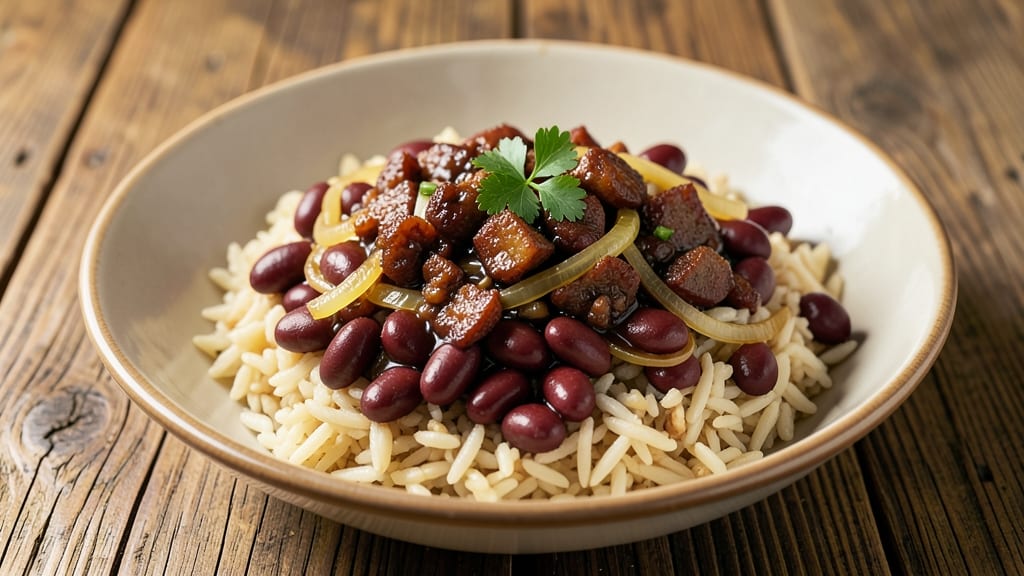
Chef John Besh's red beans and rice delivers the soul of New Orleans in every bite—rich, smoky, and packed with Cajun spice harmony. This one-pot masterpiece transforms simple ingredients into a dish that tastes like a homecoming, with tender beans simmered in a deep, savory broth and perfectly fluffy rice cooked right in the pot.
The secret lies in slow-cooking the beans with a blend of cayenne, smoked paprika, and garlic until they're fork-tender, then letting the rice absorb the flavorful liquid while staying light and separate.
What you'll end up with is a dish that's hearty enough for a family feast but simple enough for a weeknight dinner—just like Chef Besh makes it in his kitchen.
Ingredients for chef john besh red beans and rice
Simple pantry staples and a few key Cajun spices create this iconic New Orleans dish.
| Ingredient | Amount | Notes |
|---|---|---|
| Dried Red Kidney Beans 🌱 | 2 cups | Unsoaked, dried beans preferred |
| Long-Grain White Rice 🍚 | 2 cups | Uncooked, medium grain |
| Smoked Sausage 🌭 | 1 ½ lb | Andouille preferred, sliced |
| Yellow Onion 🧅 | 1 whole | Medium, diced small |
| Garlic Cloves 🧄 | 6 cloves | Fresh, minced fine |
| Celery Stalks 🥬 | 3 whole | Diced small, classic holy trinity |
| Green Bell Pepper 🌶️ | 1 whole | Diced small, optional but recommended |
| Smoked Paprika 🌶️ | 2 tbsp | High quality, not sweet |
| Ground Cayenne Pepper 🔥 | 1 tsp | Adjust for heat preference |
| Dried Thyme 🌿 | 1 tsp | Or 1 tbsp fresh thyme leaves |
| Bay Leaves 🍃 | 2 whole | Fresh preferred, remove before serving |
| Vegetable or Chicken Broth 💧 | 6 cups | Low-sodium preferred |
| Salt 🧂 | 1 ½ tsp | Kosher or sea salt |
| Black Pepper 🌶️ | ½ tsp | Freshly ground |
| Hot Sauce 🌶️ | ¼ cup | Crème d'huile or Crystal recommended |
The beans are the heart of this dish, so choose dried over canned—they develop deeper flavor when cooked from scratch. Costco or bulk bins are great for affordable dried beans; just make sure they're not old. The smoked sausage should be Andouille if you can find it—it's the traditional choice, though kielbasa or smoked brats work in a pinch. For the holy trinity (onion, celery, bell pepper), fresh is best, but frozen chopped veggies save time. The spices? Penzeys or local Cajun markets carry the best smoked paprika and cayenne—look for deep red color, no grayish tint.
No smoked paprika? Regular paprika plus a pinch of liquid smoke gets you close. Skipping the sausage? Add extra smoked paprika and a dash of liquid smoke to compensate. The broth can be homemade or store-bought—just check for low sodium. Annie's or Pacific Foods brands are reliable. Fresh thyme is ideal, but dried works at one-third the amount. The hot sauce is non-negotiable—it's what brings the dish to life. Crystal or Crystal's Hot Sauce is the gold standard, but any good Louisiana-style sauce works. For a quicker version, use canned beans but add extra smoked paprika and a splash of vinegar to mimic the depth.
Beans and rice reheat beautifully—actually taste better the next day as flavors meld. Store in airtight containers for up to 5 days in the fridge. For longer storage, freeze portions for up to 3 months. The rice will dry out if frozen, so keep it separate or add a splash of broth when reheating. Double the batch—this dish freezes wonderfully for lazy weeknights. Portion into meal prep containers with a side of collard greens for a complete Louisiana-style meal.
Why You'll Love This Recipe
- No-Soaking Needed: I’ll admit—dried beans often scare me off. But Chef John’s method? Just a quick rinse and soak overnight, then simmer. The beans turn tender without that mushy texture I hate, and honestly? That smoky sausage flavor carries the whole dish.
- Smoke Bomb Flavor: That smoked sausage isn’t just filling—it’s the star. Crumbled into the pot with the onions and garlic, it melts into the beans, giving everything a deep, savory punch. The rice soaks it all up like a sponge, and the garlic? Oh, it’s there—just enough to make your kitchen smell like Sunday dinner.
- Lunchbox Hero: Between us, this is my go-to for meal prep. Cook a big batch on Sunday, and you’ve got four days of lunches that taste fresh, not sad. Pack the rice and beans separately—it stays fluffy—and toss in a little extra sausage if you’re feeling fancy. My kids actually eat their leftovers this way.
- Budget Magic: Dried beans and rice won’t break the bank, but this recipe feels like a splurge. A pound of beans and a pack of sausage stretch farther than you’d think, and the onions/garlic are pantry staples. I’ll be real: it’s the kind of dish where I make twice as much as I need—because why not?
Step-by-step instructions for Chef John Besh's red beans and rice
This one-pot masterpiece delivers deep Cajun flavors through precise technique and layering.
Prepare the Holy Trinity and Sausage
In a large Dutch oven, heat 1 tablespoon olive oil over medium heat. Add the 1 whole yellow onion, 3 whole celery stalks, and 1 whole green bell pepper, all diced small. Cook for 8-10 minutes until softened and beginning to caramelize—this builds the flavor foundation.
Push the vegetables to one side of the pot and add the 1.5 lb smoked sausage, sliced into ½-inch rounds. Cook for 5-6 minutes until the sausage browns and releases its smoky oils. Remove the sausage with a slotted spoon and set aside temporarily—you'll add it back later.
Build the Spiced Bean Base
To the same pot, add the 2 cups dried red kidney beans and stir to coat in the rendered sausage fat. Sprinkle in the 2 tbsp smoked paprika, 1 tsp ground cayenne pepper, 1 tsp dried thyme, and 2 whole bay leaves. Stir constantly for 1 minute until the spices bloom and fill the kitchen with their aromatic warmth.
Pour in the 6 cups vegetable or chicken broth and bring to a boil. Reduce heat to low and simmer uncovered for 45 minutes, stirring occasionally. The beans should soften but still have a slight bite—this ensures they'll finish tender in the final cooking stage.
Add Rice and Season
Stir in the 2 cups long-grain white rice, spreading it evenly throughout the bean mixture. Add the reserved sausage back to the pot along with the 1.5 tsp salt and 0.5 tsp black pepper. Bring to a gentle simmer, then cover tightly with a lid.
Reduce heat to lowest setting and cook for 25-30 minutes without disturbing. The rice should absorb all the liquid, leaving the top layer slightly crispy. If the mixture looks dry before 25 minutes have passed, add ¼ cup hot broth at a time until just combined.
Finish with Hot Sauce and Rest
Remove from heat and stir in the 0.25 cup hot sauce, folding it gently through the mixture. Let the dish rest covered for 10 minutes—this allows the flavors to meld and the rice to finish steaming. The beans should be tender with just a hint of resistance, and the rice perfectly cooked.
Before serving, remove and discard the bay leaves. Taste and adjust seasoning—Chef Besh's version balances smoky, spicy, and tangy notes perfectly. Serve immediately with crusty bread or cornbread to soak up every bit of that rich, flavorful sauce.
Pro Tips For Making Chef John Besh Red Beans And Rice
- SOAK BEANS OVERNIGHT: I learned this the hard way—rushing the soak means beans that stay stubbornly firm. For this recipe, cover dried kidney beans in water by 2 inches, add 1 tsp baking soda (trust me), and let them sit 12+ hours. The longer they soak, the faster they’ll break down into that creamy texture Chef John wants.
- CRACK SAUSAGE FIRST: Skip the whole sausage—it’s the flavor bomb. Cut the smoked links into ½-inch rounds before browning, then crack each piece open with the flat of your knife. This releases more fat and renders faster, giving the beans that deep, smoky base without waiting for the meat to fall apart on its own.
- LOW AND SLOW BEANS: High heat at the start is fine, but once the beans hit the pot, drop the simmer to a gentle bubble—think tiny ripples, not rolling waves. I used to rush it, and the beans would split into mush. Keep it at 180°F (20 minutes of simmering per pound of beans) for that perfect tender-but-firm bite.
- RESERVE THAT RICE WATER: Don’t drain the rice completely after cooking. Scoop out ½ cup of the starchy water from the pot before mixing it into the beans. It’s the secret to that silky finish—no gluing needed, just a spoonful of that golden liquid to bind everything together. (Yes, even if you’re impatient like me.)
Storing and reheating this dish
Fridge Storage Essentials
Let your red beans and rice cool to room temperature for no more than 2 hours before transferring to airtight containers—I use glass Pyrex with snap-on lids to maintain freshness.
Store at 40°F or below for up to 5 days, though the flavors actually deepen overnight as the spices meld. The rice stays fluffy if you leave a ½-inch headspace in the container to prevent condensation. 🌱
Freezer Prep Tips
For longer storage, freeze portions in quart-sized freezer bags with 1-inch headspace—this prevents ice crystals from breaking the rice texture. I recommend freezing the beans and rice separately if possible, adding a splash of broth when reheating to restore moisture.
Label bags with the date and freeze for up to 3 months for maximum quality. Double-bagging adds an extra layer of protection against freezer burn.
Stovetop Reheating
My preferred method is stovetop reheating—it preserves the dish's integrity better than microwaving. Pour the beans and rice into a heavy-bottomed pot, add ¼ cup water or broth, and heat over medium-low heat for 10-15 minutes, stirring occasionally.
The goal is to gently warm through without drying out the rice. Taste and adjust seasoning—you may need a pinch of salt or extra hot sauce to revive the flavors. 🔥
Microwave Shortcuts
For quick meals, microwave individual portions covered with a damp paper towel. Heat on 70% power for 2-3 minutes, stir, then continue in 30-second intervals until reaching 165°F. Add 1-2 tablespoons of broth or water if the rice looks dry.
This method works best for single servings and keeps the beans tender. I avoid microwaving the entire pot—it creates uneven heating and can make the rice mushy.
Meal Prep Strategy
Divide into meal prep containers with compartments for beans, rice, and optional sides like collard greens. Store components separately to maintain texture, then assemble when ready to eat. The beans reheat best when combined with a splash of liquid, while the rice can be warmed separately.
Portioning also lets you customize spice levels—add hot sauce to individual servings as desired. This approach saves time and keeps the dish tasting fresh all week. ✨
Reviving Day-Old Dishes
If your red beans and rice tastes a bit flat after storage, revive it with a splash of lemon juice or vinegar (about 1 teaspoon) to brighten flavors. A sprinkle of fresh parsley or green onions adds freshness.
For extra richness, stir in 1 tablespoon of butter or olive oil during reheating. These tricks work wonders on day-old portions without altering the dish's core character. The secret is in the balance—just a little goes a long way. 💡
Nutrition facts
Frequently asked questions about Chef John Besh's red beans and rice
Why do I need to caramelize the holy trinity before adding beans?
Caramelizing the onion, celery, and bell pepper develops deep, sweet flavors that form the base of the dish. This step creates a rich foundation that balances the smoky, spicy notes from the sausage and cayenne. Skipping it results in a more one-dimensional flavor profile.
Can I substitute canned beans for dried in this recipe?
Yes, but you'll sacrifice some texture and depth. Use 4 cups canned red beans (drained and rinsed) and add 1 extra tablespoon smoked paprika plus 1 teaspoon vinegar to mimic the complexity. The beans won't have the same tender bite, but it's a good shortcut for busy weeknights.
What's the secret to keeping the rice separate and fluffy?
Cook the rice on the lowest heat setting and never stir after adding it to the pot. The gentle heat allows the rice to steam evenly while absorbing liquid gradually. If the top looks dry after 25 minutes, add just ¼ cup hot broth—don't overdo it or the rice will turn mushy.
How do I adjust the heat level in this dish?
Reduce cayenne to ½ teaspoon for mild heat or omit it entirely. For extra spice, add ½ teaspoon cayenne plus 1 teaspoon hot sauce. The smoked paprika already provides depth without significant heat. Always taste as you go—you can't remove excess spice once it's in the pot.
What's the best way to serve this dish for a crowd?
Double the recipe and cook it in two Dutch ovens for even better flavor development. Serve family-style with warm cornbread, crusty French bread, and pickled vegetables** on the side. For presentation, garnish with fresh parsley and serve with extra hot sauce in small bowls for customization.