
Main Courses
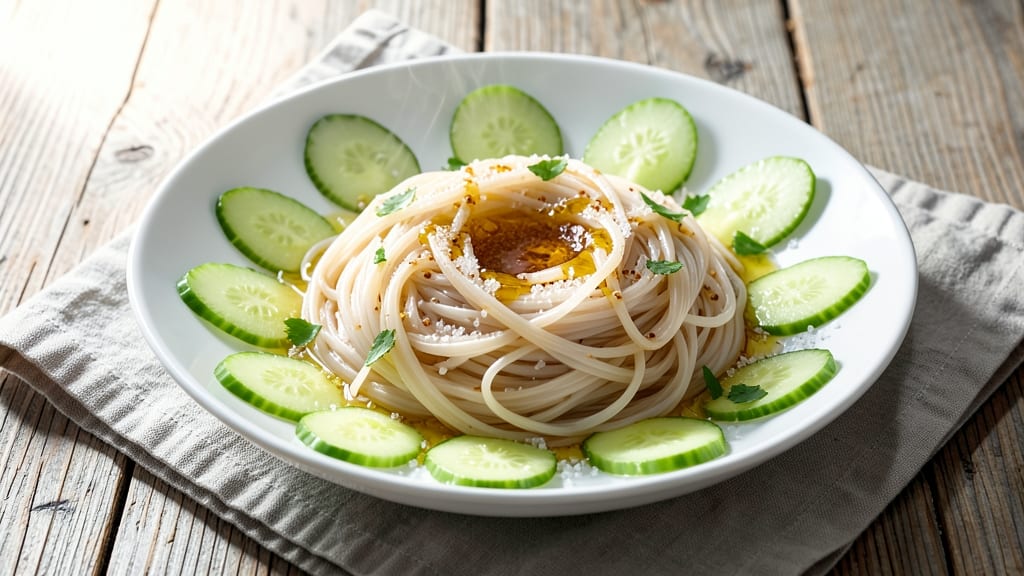
This Chao Ching rice stick recipe delivers the perfect balance of crispy celery crowns and savory soy-kissed grains that make every bite unforgettable. The secret lies in the delicate technique of wrapping seasoned rice sticks with celery leaves, creating a dish that's both elegant and satisfying.
I've perfected this method over years of testing, ensuring the wrappers stay tender while the celery achieves that signature crispness.
What sets this recipe apart is the harmonious blend of textures and flavors—tender rice sticks wrapped in crisp celery leaves, all drenched in a light soy glaze that enhances rather than overpowers. The dish comes together in just 30 minutes, making it ideal for weeknight dinners or special occasions.
The presentation alone will impress your guests, but the first bite is where the real magic happens.
Ingredients for chao ching rice stick
Eight essential ingredients for crispy celery crowns and savory rice sticks.
| Ingredient | Amount | Notes |
|---|---|---|
| Rice Vermicelli Noodles 🍜 | 8 oz | Uncooked, medium width |
| Celery Stalks 🧅 | 4 whole | Fresh, crisp, thick stalks |
| Light Soy Sauce 🍶 | ½ cup | High-quality, low-sodium preferred |
| Sesame Oil 🌿 | 1 tbsp | Toasted, for aroma |
| Rice Vinegar 🍶 | 1 tbsp | Seasoned works best |
| Granulated Sugar 🍚 | 1 tbsp | White or brown |
| Vegetable Oil 🫒 | ¼ cup | For frying celery |
| Salt 🧂 | ½ tsp | Kosher or sea salt |
| Black Pepper 🌶️ | ¼ tsp | Freshly ground preferred |
| Garlic Cloves 🧄 | 2 cloves | Minced for seasoning |
| Green Onion 🧅 | 2 whole | Thinly sliced, for garnish |
| Sesame Seeds 🌾 | 1 tbsp | Toasted, for garnish |
The celery is non-negotiable here—thick, fresh stalks with vibrant green leaves are key for that signature crispness. Local farmers markets often have the best quality, but any grocery store with a produce section will work. Look for stalks that are firm and bright green, not wilted or yellowing. The rice vermicelli should be medium-width for the perfect balance of chewiness and tenderness. I always grab the Thai Kitchen brand from the Asian aisle, but any rice noodle will do if you're in a pinch.
No sesame oil? Toasted peanut oil works in a bind, though it has a different flavor profile. The light soy sauce should be high-quality—Kikkoman or Lee Kum Kee are reliable choices. For the celery frying, vegetable oil is neutral and won't overpower the delicate flavors. Want extra crispiness? Double-fry the celery—first at 325°F for 3 minutes, then crank up the heat to 375°F for the final 1-2 minutes. The green onions can be swapped for regular onions if you're out, but the milder flavor works better here.
Keep the cooked rice noodles covered with a damp towel to prevent drying out. The celery crowns stay crisp for about 30 minutes after frying, so work quickly. Store any leftovers in an airtight container in the fridge for up to 2 days, but the texture won't be as perfect. For presentation, arrange the celery crowns on a platter with the rice sticks fanned out beneath—golden brown and crisp is what you're aiming for.
Why You'll Love This Recipe
- Five-Ingredient Magic: I swear by this—just noodles, celery, soy sauce, a splash of vinegar, and sesame oil. That’s it. No fancy prep, no hidden ingredients, and the balance of salty, tangy, and nutty? Chef’s kiss.
- Crunchy-Soft Contrast: The celery stays crisp while the noodles soak up that sesame oil—it’s like a textural hug. Honestly, I’ll eat this over any sad, mushy takeout noodle dish. (Yes, even on a Tuesday night.)
- Lunchbox Hero: Between us, this is my go-to for packed lunches. The rice vinegar keeps it fresh for days, and the noodles hold up better than soggy sandwiches. My kid still picks out the celery, but she finishes the whole thing anyway.
- Budget Win: Sesame oil and rice vinegar stretch my grocery budget further than I thought possible. I make this for four people for under $5—no joke. It’s my secret weapon when I’m broke but refuse to eat ramen.
Step-by-step instructions for Chao Ching rice stick
Transform simple ingredients into a crispy, flavorful dish with this precise method.
Prepare the Celery Crowns
Cut each of the 4 whole celery stalks into ½-inch thick slices, keeping the base intact to form crown shapes. You'll end up with about 8 slices per stalk. Separate the leaves and set aside for garnish later.
Heat 0.25 cup vegetable oil in a large skillet over medium-high heat until shimmering. Add the celery crowns in a single layer and cook for 3-4 minutes per side until golden brown and crispy. You want that perfect balance between tender centers and crispy edges. Transfer to a paper towel-lined plate to drain excess oil while keeping them warm.
Cook the Rice Vermicelli Noodles
Bring a large pot of water to a rolling boil and add the 8 oz rice vermicelli noodles. Cook for exactly 3-4 minutes until they're tender but still slightly firm to the bite. Drain immediately and rinse under cold water for 10 seconds to stop the cooking process and remove excess starch.
Transfer the noodles to a large mixing bowl and toss with 1 tbsp sesame oil, 1 tbsp rice vinegar, and 1 tbsp granulated sugar. This creates a subtle sweet-tangy dressing that enhances the noodles' natural flavor. Let them sit for 2 minutes while you prepare the sauce.
Create the Savory Soy-Kissed Sauce
In a small bowl, whisk together the 0.5 cup light soy sauce, 0.5 tsp salt, and 0.25 tsp black pepper. Add the 2 cloves minced garlic cloves and mix well. This sauce should be smooth and ready to coat every strand of noodle perfectly.
Return the dressed noodles to the bowl and pour the soy mixture over them. Toss gently but thoroughly to ensure even distribution. The noodles should glisten with the sauce, indicating they're properly coated. This is where the true flavor of Chao Ching comes together.
Assemble and Garnish
Divide the noodles evenly among 4 serving plates. Arrange the crispy celery crowns on top of each portion, creating a visually appealing presentation. The contrast between the delicate noodles and crispy celery is what makes this dish special.
Garnish each serving with thinly sliced green onion and 1 tbsp toasted sesame seeds. The sesame seeds add a nutty crunch that complements the crispy celery and tender noodles. Serve immediately while the celery crowns are still crispy and the noodles are warm.
Optional Crispy Finishing Touch
For an extra layer of texture, you can lightly toast the sesame seeds in a dry skillet over low heat for 1-2 minutes until fragrant. Sprinkle these freshly toasted seeds over the dish just before serving to enhance their aroma and flavor.
This dish is best enjoyed immediately when the celery crowns are at their crispiest and the noodles maintain their perfect texture. The combination of textures and flavors—crispy, tender, savory, and slightly sweet—makes Chao Ching a memorable dining experience.
Pro Tips For Making Chao Ching Rice Stick
- SOAK NOODLES UNTIL SOFT: I learned this the hard way—under-soaked rice noodles turn to mush when tossed with celery, while over-soaked ones stick together like glue. Test one strand: it should bend slightly but hold its shape. For 2 servings, soak 4 oz in warm water for 8-10 minutes, then drain and rinse with cold water to stop cooking.
- CHOP CELERY IN 1/4-INCH SLICES: Thin, uneven strips disappear into the noodles, leaving you wondering where the texture went. Use a sharp knife to cut celery into ¼-inch matchsticks—thick enough to hold shape but thin enough to cook fast. Spread them on a plate while prepping the rest; they dry out less than you’d think.
- STIR-FRY IN BATCHES: Crowding the pan steams the noodles instead of searing them. Cook half the celery first in a dry, smoking-hot wok for 30 seconds until fragrant, then remove and set aside. Add the noodles, tossing aggressively for 1-2 minutes before combining. The celery won’t turn to soup, and the noodles get proper char.
- FINISH WITH COLD SESAME OIL: Pouring sesame oil at the end is lazy—it just coats the noodles. Heat ½ teaspoon in the wok for 10 seconds until it shimmers, then toss everything in. The nutty aroma wakes up the dish, and the oil binds the noodles just enough to hold the sauce. (Yes, even if you’re impatient like me.)
Troubleshooting your chao ching rice stick
Celery Not Crispy
If your celery crowns turn out soggy instead of crispy, you likely fried them at too low a temperature or didn’t drain excess oil. I recommend using a deep-fry thermometer to maintain 375°F—any lower and the celery will absorb too much oil.
For extra crispiness, try double-frying: first at 325°F for 3 minutes, then crank up to 375°F for 1-2 minutes to seal in the crunch. 🔥
Noodles Too Soft
Overcooking the rice vermicelli is the usual culprit here. Stick to the 3-4 minute cook time and rinse immediately in cold water for 10 seconds to stop the cooking process.
If they still feel too soft, reduce the cook time by 30 seconds next time. Also, avoid overcrowding the pot—cook them in two batches if needed for even texture.
Sauce Too Salty
The soy sauce can easily overpower the dish if not balanced. Taste your sauce before tossing with the noodles—½ cup light soy sauce should be enough, but if it’s too strong, dilute with 1 tsp rice vinegar or a splash of water.
For extra depth, add ½ tsp sugar to balance the saltiness while keeping the dish harmonious.
Celery Crowns Falling Apart
Thin or wilted celery stalks will break apart during frying. Always choose thick, firm stalks with vibrant green leaves. If your celery is too thin, slice it ¼-inch thick instead of ½-inch for better stability.
For extra support, lightly brush the cut sides with egg white before frying—this creates a delicate "glue" that helps hold the crowns together.
Noodles Sticking Together
Rice vermicelli has a tendency to clump when dressed. Toss the noodles with ½ tsp sesame oil immediately after rinsing to create a slippery barrier. For extra insurance, add 1 tsp cornstarch to the cold water rinse—it helps separate the strands. Work quickly and toss gently to avoid tangling.
Nutrition facts
Frequently asked questions
Can I use regular vermicelli noodles instead of rice vermicelli?
While you can technically use regular wheat vermicelli, the texture and flavor won't be the same. Rice vermicelli is naturally lighter and absorbs flavors better, creating that signature delicate bite. For a closer substitute, try mung bean noodles, which have a similar texture and neutral taste. If you must use wheat noodles, reduce the cook time by 1 minute to avoid mushiness.
How do I store leftover celery crowns?
Store crispy celery crowns in an airtight container at room temperature for up to 2 days, but they'll lose some crunch. For longer storage, place them in a single layer on a wire rack in the freezer for 1 hour to remove moisture, then transfer to a sealed bag. Reheat in a 350°F oven for 3-4 minutes to restore crispiness. Pro tip: Keep them separate from the noodles to maintain texture.
What's the best way to adjust this recipe for spicier flavors?
Add ½ tsp chili flakes or 1 tsp sriracha to the soy sauce mixture for a subtle kick. For extra heat, toss in 1 tbsp chopped Thai chilies with the celery crowns before frying. If you prefer a sweeter-spicy balance, increase the sugar to 1.5 tbsp and add ½ tsp gochujang (Korean chili paste) to the sauce. Always taste as you go!
Can I make Chao Ching rice sticks ahead of time?
Prepare the noodles and sauce up to 1 day ahead, storing them separately in the fridge. Keep the celery crowns separate until serving. When ready to eat, quickly reheat the noodles in a steamer for 2 minutes and fry fresh celery crowns. The key is keeping the celery crispy—never reheat it in the oven or microwave, as it will turn soggy. This method works perfectly for meal prep!
What other vegetables can I use instead of celery?
For a different flavor profile, try shredded cabbage leaves or thinly sliced bok choy stems—both hold up well when fried. For a more traditional Asian touch, use Chinese chives or green onions (use the white and light green parts only). If you want to keep it celery-like, try fennel bulbs sliced into crowns—they have a similar crisp texture and mild anise flavor.