
Main Courses
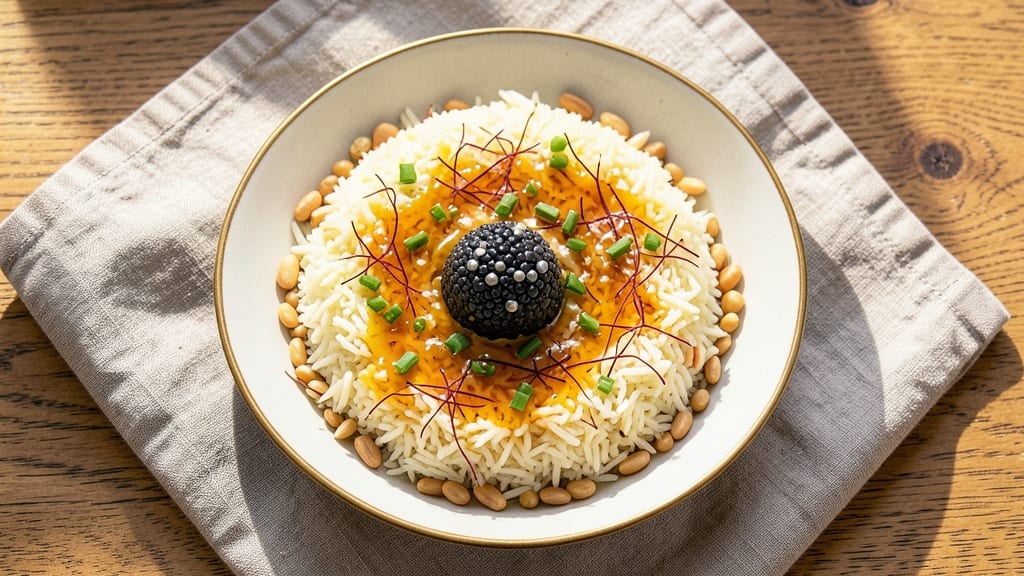
This caviar saffron basmati rice recipe transforms a simple grain into a luxurious centerpiece, where delicate floral saffron threads meet the briny richness of cava. The secret lies in infusing the rice with saffron's golden hue and aromatic depth while balancing its intensity with a touch of citrus and fresh herbs. Perfect for special occasions or elegant weeknight dinners, this dish elevates any meal with its sophisticated flavor profile and striking presentation.
The process begins with properly toasting the basmati rice to enhance its nutty flavor, then simmering it in a fragrant saffron-infused broth until tender yet distinct. The cava adds a luxurious touch, whether traditional sea caviar or a vegetarian alternative like bottarga or marinated sun-dried tomatoes.
Topped with toasted nuts, fresh dill, and a squeeze of lemon, this dish delivers a harmonious blend of textures and flavors that will impress even the most discerning guests.
Ingredients for cava saffron basmati rice
Twelve ingredients transform basmati rice into a luxurious centerpiece with saffron's floral depth and caviar's briny richness.
| Ingredient | Amount | Notes |
|---|---|---|
| Long-Grain Basmati Rice 🌾 | 1 cup | Uncooked, high-quality grains preferred |
| Saffron Threads 🌼 | ¼ tsp | High-quality, premium grade |
| Vegetable Broth 💧 | 2 cups | Low-sodium preferred, homemade if possible |
| Sea Caviar (or Bottarga) 🐟 | 1 oz | Traditional or vegetarian alternative |
| Extra-Virgin Olive Oil 🫒 | 2 tbsp | Light, fruity variety for balance |
| Fresh Lemon Juice 🍋 | 1 tbsp | Freshly squeezed, seeds removed |
| Fresh Dill 🌿 | ¼ cup | Finely chopped, stems removed |
| Toasted Pine Nuts 🥜 | ¼ cup | Lightly toasted for crunch |
| Diamond Crystal Kosher Salt 🧂 | ½ tsp | Adjust to taste, fine grain preferred |
| Black Lace Peppercorns 🌶️ | ¼ tsp | Freshly cracked for aroma |
| Unsalted Butter 🧈 | 2 tbsp | Cold, cubed for finishing |
| Granulated Sugar 🍚 | ½ tsp | Balances saffron's bitterness |
The saffron is non-negotiable here—Spanish or Iranian threads deliver the most vibrant color and aromatic depth. Whole Foods or specialty spice shops carry premium grades, but avoid the tiny plastic packets at regular grocery stores; they're often stale. For caviar, traditional sea caviar from a reputable purveyor elevates the dish, though bottarga or marinated sun-dried tomatoes offer excellent vegetarian alternatives. Fresh dill should be bright green with no wilting—store-bought bunches often wilt within days, so buy just enough for this recipe. Pine nuts should be toasted in a dry pan until golden; Costco or Trader Joe's offer the best value for bulk purchases.
No saffron? Turmeric at one-quarter the amount mimics the golden hue but lacks floral notes. Substitute caviar with finely chopped marinated sun-dried tomatoes or anchovy paste for umami depth. Fresh dill unavailable? Dried dill at one-third the quantity works, though texture will differ. Vegetable broth can be swapped for homemade chicken stock if non-vegetarian, but ensure it's low-sodium. The butter and olive oil should be high-quality, cold-pressed varieties—this isn't a place for store-brand shortcuts. For a sweeter finish, agave nectar or honey can replace sugar, though granulated sugar is the most neutral option.
Saffron threads keep for up to 1 year in a cool, dark place, but their potency fades over time. Store caviar in an airtight container in the coldest part of your fridge—it lasts 3-6 months depending on quality. Fresh dill should be wrapped in damp paper towels and stored in a sealed container for up to 5 days. Toasted pine nuts retain their crunch for 2 weeks in an airtight container. For best results, prepare the saffron infusion the day before—its flavors meld more harmoniously. This dish reheats beautifully; simply cover with a damp paper towel and warm gently in the microwave or on the stovetop.
Why You'll Love This Recipe
- One-Pot Magic: I swear by this—just toss the rice, broth, and saffron into one pot, let it simmer, then fold in the caviar at the end. No measuring cups, no separate pans, no stress. The rice cooks itself while you sip wine and pretend you’re not cooking.
- Golden Luxury: That first bite of warm basmati kissed with saffron’s honeyed depth? It’s like a hug for your taste buds. The caviar adds this briny, buttery pop that makes it feel fancy without the fuss—like a Michelin-starred bite in your everyday bowl.
- Weeknight to Dinner Party: Make a double batch on Sunday, and you’ve got effortless lunches all week. Or serve it at your next gathering—it’s elegant enough for guests but simple enough that no one will ask, "Did you slave over this?" (Spoiler: You didn’t.)
- Budget Fancy: Saffron’s pricey, but a little goes a long way—just steep those threads in warm broth for 10 minutes. The caviar (or bottarga) feels indulgent, but you’re not breaking the bank. Leftovers? Even better the next day—just reheat with a splash of olive oil and a pinch of salt.
Step-by-step instructions for cava saffron basmati rice
Here's the method for achieving restaurant-quality saffron rice with delicate floral notes and luxurious sea caviar finishing.
Infuse the Saffron and Prepare the Broth
Place the 0.25 teaspoon saffron threads in a small bowl and cover with 2 tablespoons extra-virgin olive oil. Let it steep for 10 minutes while you prepare the remaining ingredients - this ensures maximum color and aroma extraction. The saffron will develop a deep golden hue and release its signature floral fragrance.
In a separate saucepan, combine the 2 cups vegetable broth with the 0.5 teaspoon granulated sugar and bring to a gentle simmer. The sugar helps balance the saffron's natural bitterness while enhancing its floral characteristics. Keep this broth warm but not boiling - you'll need it at 195°F when ready to cook the rice.
Toast the Rice and Build Flavor Layers
Heat a heavy-bottomed saucepan over medium heat and add the 1 cup long-grain basmati rice. Toast the grains for 2-3 minutes, stirring constantly, until they become translucent at the edges and release a nutty aroma. This step develops the rice's natural starches and prevents mushiness.
Immediately add the saffron-infused oil along with the 0.5 teaspoon kosher salt and 0.25 teaspoon cracked black lace peppercorns. Stir vigorously for 30 seconds to distribute the saffron evenly throughout the rice. The grains should be coated with the golden oil - this creates the signature color and flavor foundation.
Cook the Rice to Perfect Al Dente
Pour the warm broth over the rice, stirring once to distribute. Bring to a gentle boil, then immediately reduce heat to low and cover tightly with a lid. Cook for 12-15 minutes without disturbing - the rice needs undisturbed steam to develop its signature texture. You'll know it's ready when the grains are tender but still have a slight bite in the center.
During the last 5 minutes of cooking, prepare the finishing elements. In a small bowl, combine the 1 tablespoon fresh lemon juice with the 0.25 cup chopped fresh dill and 0.25 cup toasted pine nuts. The acidity of the lemon brightens the saffron's flavor while the dill and pine nuts add contrasting textures.
Finish with Caviar and Garnish
Remove the rice from heat and let it rest covered for 5 minutes. This resting period allows the grains to absorb any remaining liquid and develop their final texture. Using a fork, gently fluff the rice to separate the grains while preserving their shape.
Transfer the rice to a serving platter and arrange in an even layer. Drizzle with the lemon-dill mixture, then scatter the 1 ounce sea caviar (or bottarga) artfully over the surface. The caviar's briny intensity cuts through the rice's richness while adding a luxurious finishing touch. Finally, dot with the 2 tablespoons cold cubed butter and serve immediately.
Pro Tips For Making Cava Saffron Basmati Rice
- Bloom the Saffron First: Steep the saffron threads in warm vegetable broth (not boiling) for at least 10 minutes before adding to the rice—this extracts every drop of color and aroma. I used to toss it in dry or with cold water, and the dish never felt as vibrant or perfumed. Do this while you prep the rest.
- Toast the Rice Dry: Heat the olive oil over medium-high until shimmering, then add the rice and stir for 2 full minutes until the grains turn opaque and smell nutty. This step locks in flavor and prevents mushiness—skip it, and you’ll end up with bland, sticky rice no matter how good the broth.
- Don’t Stir After Adding Broth: Once the broth hits the rice, resist the urge to stir—just fold it once gently with a spatula. Stirring releases starch too early, turning your rice into glue. Cover and let the steam work its magic; the grains will fluff perfectly on their own.
- Save the Caviar for Last: Sprinkle the sea caviar or bottarga over the finished rice after it’s off the heat and resting under a towel for 5 minutes. The residual steam keeps the caviar fresh and bright, while adding it earlier risks cooking it into oblivion. A little goes a long way—start with a teaspoon and adjust.
Troubleshooting this dish
Saffron Infusion Fail
If your rice lacks golden color or floral aroma, your saffron infusion likely didn't steep long enough. Always steep 0.25 tsp saffron threads in 2 tbsp olive oil for at least 10 minutes before using.
For extra potency, crush the threads gently with a fork first—this releases more color and aroma. If your saffron smells weak, it may be stale; replace with Spanish or Iranian premium threads from specialty stores. 🌼
Mushy Rice Texture
Overcooking is the #1 cause of mushy rice. Remove the lid during the last 2 minutes of cooking to let excess steam escape—this prevents grains from becoming gummy. Also, never stir the rice after adding broth; one gentle stir at the beginning is all you need.
For perfect al dente texture, aim for 12-15 minutes on low heat, then rest covered for 5 minutes before fluffing. A heavy-bottomed saucepan helps maintain even heat distribution.
Caviar Separation
If your caviar looks dry or clumpy, it may have been exposed to air too long. Always store caviar in an airtight container in the coldest part of your fridge, and use a spoon to transfer it—never your fingers.
For a smoother application, chill the caviar on ice for 10 minutes before serving. If using bottarga, grate it fresh over the rice just before eating for maximum texture contrast. 🐟
Broth Over-Salting
If your rice tastes too salty, it's usually from the broth. Use low-sodium vegetable broth and taste before adding rice—adjust with extra Diamond Crystal kosher salt if needed. The sugar in the broth helps balance flavors, but too much can make the rice taste sweet.
For a neutral base, use homemade broth or a high-quality store brand like Pacific Foods. Always simmer broth gently to avoid bitterness.
Uneven Cooking
Hot spots in your saucepan can lead to unevenly cooked rice. Use a heavy-bottomed saucepan (like Le Creuset) and distribute heat evenly on your stovetop. If using gas, place the pan on the back burner for more consistent heat.
For electric stoves, medium-low heat works best. Stir the rice just once after adding broth, then let it cook undisturbed—this prevents some grains from cooking faster than others. 🔥
Nutrition facts
Frequently asked questions
Can I substitute caviar with something more affordable?
For a budget-friendly version, use 1 ounce marinated sun-dried tomatoes or bottarga (cured fish roe) if you can find it. If you prefer a vegetarian option, try finely chopped capers or olive tapenade for a briny contrast. Just reduce the amount to 0.5 ounce to avoid overpowering the dish.
How do I make this dish vegetarian?
Skip the sea caviar and use bottarga (vegetarian-friendly cured fish roe) or marinated artichoke hearts for texture. For extra umami, add 1 tablespoon nutritional yeast when toasting the rice. The saffron and lemon still provide that luxurious floral brightness without any animal products.
Can I cook this rice in an Instant Pot?
Yes, but with adjustments! Toast the rice in the pot for 2 minutes on sauté mode, then add broth and saffron. Seal and cook on high pressure for 4 minutes, then quick-release. Let it rest 5 minutes before fluffing. The Instant Pot may require slightly less broth (1.5 cups) to avoid mushiness.
What's the best way to store leftovers?
Transfer leftovers to an airtight container and refrigerate for up to 3 days. Reheat gently in a skillet with 1 tablespoon water to restore texture. For best flavor, serve within 24 hours—the saffron's aroma fades over time. Freezing isn't recommended as it alters the rice's texture.
How do I adjust this for a larger group?
Double all ingredients for 8 servings, but use a larger, heavy-bottomed pot (like a Dutch oven) to prevent uneven cooking. Increase saffron infusion time to 15 minutes for deeper color. For 12 servings, triple the recipe but split into two separate batches to maintain quality.