
Side Dishes
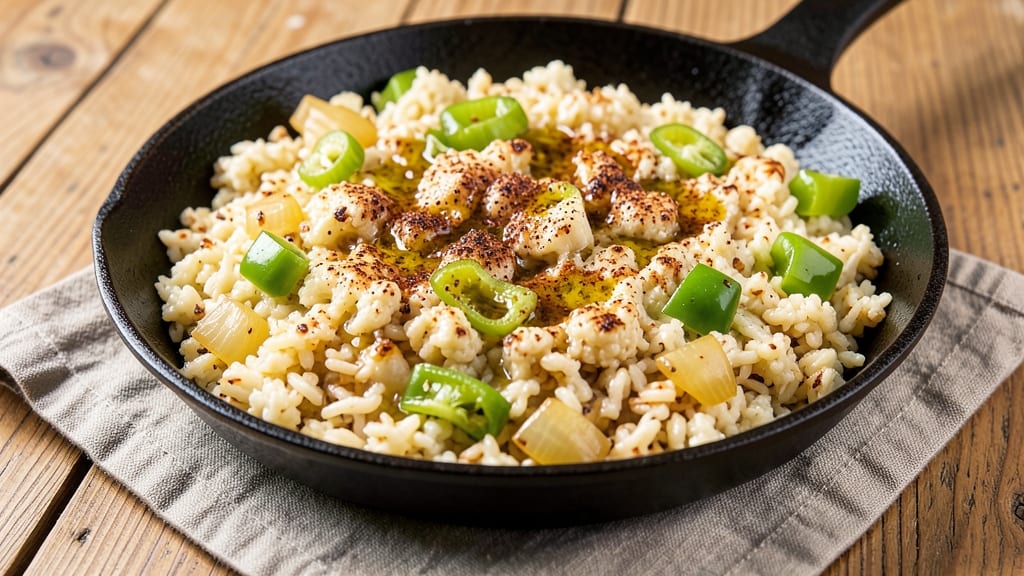
This cauliflower dirty rice recipe transforms a classic Southern side into a hearty, vegetarian powerhouse that still delivers that signature Cajun crunch. The secret lies in perfectly sautéed cauliflower rice that mimics traditional rice while soaking up bold spices like smoked paprika and cayenne.
Every bite offers that familiar texture—just without the heavy starch.
The magic happens in the caramelization of the celery crown, where onions and bell peppers develop deep, smoky sweetness before being tossed with the cauliflower and seasoning blend. This dish stands tall as a main course or pairs beautifully with cornbread for a complete meal.
The result? A flavorful, satisfying plate that proves vegetarian doesn't mean sacrificing depth or texture.
Ingredients for cauliflower dirty rice
Transform Southern tradition with these vegetarian staples, where smoky spices meet crisp cauliflower for bold flavor.
| Ingredient | Amount | Notes |
|---|---|---|
| Fresh Cauliflower 🥬 | 1 lb | Riced or finely chopped |
| Yellow Onions 🧅 | 1 whole | Medium size, diced small |
| Green Bell Peppers 🍅 | 2 whole | Medium size, diced small |
| Celery Crowns 🥬 | 2 whole | Thinly sliced, leaves reserved |
| Garlic Cloves 🧄 | 4 cloves | Minced for depth |
| Smoked Paprika 🌶️ | 1 ½ tbsp | For authentic smokiness |
| Ground Cayenne Pepper 🔥 | ½ tsp | Adjust for heat preference |
| Ground Cumin 🌿 | 1 tsp | Toasted for complexity |
| Dried Thyme 🌿 | ½ tsp | Or 1 tbsp fresh thyme |
| Vegetable Broth 💧 | 1 ½ cups | Low-sodium preferred |
| Extra-Virgin Olive Oil 🫒 | ¼ cup | For sautéing and richness |
| Lemon Juice 🍋 | 1 tbsp | Freshly squeezed |
| Salt 🧂 | 1 tsp | Diamond Crystal preferred |
| Black Pepper 🌶️ | ½ tsp | Freshly ground |
| Fresh Parsley 🌿 | ¼ cup | Chopped for garnish |
The cauliflower is the foundation here—fresh, vibrant florets yield the best texture. Opt for a heavy crown with tight buds for maximum riced yield. Celery crowns bring the signature dirty rice crunch, so choose firm, crisp stalks with intact leaves. For the bell peppers, green varieties hold their shape better during caramelization. Sourcing tip: Whole Foods or Trader Joe's carry pre-riced cauliflower in the frozen section, which saves chopping time while maintaining texture. The smoked paprika should be Spanish-style for authentic depth—Penzeys carries excellent options if your local store lacks it.
No smoked paprika? Substitute 1 tsp liquid smoke plus 0.5 tsp regular paprika for a similar smoky profile. Fresh thyme unavailable? Dried works at one-third the amount, but toast it first in a dry pan for 30 seconds to enhance flavor. Vegetable broth lacking depth? Add 1 tsp soy sauce or miso paste for umami richness. The celery crowns can be swapped for green onions if needed, though they won't provide the same crunch. For extra texture, add 1/4 cup diced jalapeños if you enjoy heat. The lemon juice is crucial—never skip it as it brightens the dish's bold flavors.
This dish shines when made ahead—flavors meld beautifully overnight. Store in an airtight container for up to 5 days in the fridge, where the cauliflower continues to soften and absorb flavors. For longer storage, freeze portions for up to 3 months. Reheat gently with a splash of broth to restore moisture. The parsley garnish should be added fresh just before serving—it wilts quickly when reheated. Portion into individual containers for easy meal prep, and pair with warm cornbread or a crisp green salad for a complete meal.
Why You'll Love This Recipe
- One-Pan Magic: I swear by this—no pots, no pans, just one sheet pan. Toss in the chopped cauliflower, onions, peppers, and celery, let it sizzle, and boom. That golden crust on the cauliflower? Happens without lifting a finger after the initial stir.
- Savory Crunch Surprise: The texture is what sells me. Crispy edges from the cauliflower meet that tender, herby center—like a dirty rice hug. And the garlic? Oh, it lingers just enough to make you reach for seconds.
- Lunchbox Hero: Between us, this is my go-to for meal prep. Pack it cold or reheat it, and it’s still hearty enough to satisfy. My kids beg for it in their lunches, and honestly? I’m not even mad about the leftovers.
- Budget-Friendly Flex: Cauliflower stretches like crazy—half the cost of rice, double the satisfaction. Use the whole head, no waste, and the veggies? They’re the affordable kind you can grab in bulk. My wallet thanks me every time.
Step-by-step instructions for smoky Cajun cauliflower dirty rice
Master this technique and you'll transform humble cauliflower into a restaurant-worthy Cajun-inspired dish.
Prep and Sauté the Vegetable Base
Heat the 0.25 cup extra-virgin olive oil in a large skillet over medium-high heat. Add the 2 whole celery crowns (thinly sliced), 1 whole yellow onions (diced small), and 2 whole green bell peppers (diced small). Sauté for 8-10 minutes until the vegetables soften and begin to caramelize at the edges.
Here's the thing—don't rush this step. You want those vegetables to develop color and sweetness before adding the cauliflower. I like to stir occasionally and check for even browning. If the pan starts smoking excessively, reduce the heat slightly. The celery leaves you reserved earlier can be chopped and added at the end for freshness.
Build the Cajun Spice Foundation
Add the 4 cloves garlic cloves (minced) and cook for 30 seconds until fragrant. Immediately stir in the 1.5 tbsp smoked paprika, 1 tsp ground cumin, 0.5 tsp ground cayenne pepper, 0.5 tsp dried thyme, 1 tsp salt, and 0.5 tsp black pepper. The spices will sizzle and release their aromatics—this is when your kitchen should smell amazing.
Toast the spices for 1 minute while stirring constantly. This step develops their flavors and prevents any bitterness from the cayenne. If you're sensitive to heat, reduce the cayenne to 0.25 tsp—the dish will still pack plenty of Cajun character without being too spicy.
Incorporate Cauliflower and Broth
Add the 1 lb fresh cauliflower (riced or finely chopped) to the skillet and stir to coat evenly in the spice mixture. Pour in the 1.5 cups vegetable broth and bring to a gentle simmer. Cover and cook for 12-15 minutes until the cauliflower is tender and most of the liquid has been absorbed.
You'll know it's ready when the cauliflower breaks down slightly and the mixture takes on a creamy texture. If it looks dry before the cauliflower is tender, add 2-3 tablespoons of water and continue cooking. The goal is a moist but not soupy consistency—this ensures each bite has that perfect Cajun crunch.
Finish with Acid and Freshness
Remove the skillet from heat and stir in the 1 tbsp lemon juice and 0.25 cup fresh parsley (chopped). The acid brightens all the flavors and cuts through the richness. Taste and adjust seasoning if needed—this is where you can really fine-tune the balance between smoky, spicy, and savory.
Let the dirty rice sit off heat for 2-3 minutes to allow the flavors to meld. The lemon juice will also help prevent the cauliflower from overcooking while you finish. Serve immediately while warm, garnished with additional parsley if desired. The texture should be creamy yet slightly crunchy with pockets of smoky flavor in every bite.
Pro Tips For Making Cauliflower Dirty Rice
- CHOP CAULIFLOWER SMALL: I learned this the hard way—big florets turn to mush while the edges stay raw. Pulse your cauliflower in a food processor until it’s rice-sized, then give it a quick stir with your hands to break up any stubborn clumps. (Yes, even if you’re impatient like me.)
- SWEAT THE SOFT STUFF FIRST: Onions, bell peppers, and celery need 5 minutes of low-and-slow cooking before the cauliflower hits the pan. If you skip this, your rice will taste raw and watery—trust me, the flavor builds here. Start with a splash of water if it’s looking dry, then let it evaporate.
- SALT THE CAULIFLOWER: Toss the raw cauliflower with a teaspoon of salt before cooking—it draws out moisture and crisps the edges. I used to skip this, and the final dish always felt dull. (Your future self will thank you.)
- USE LESS LIQUID: Dirty rice relies on texture, not soup. After cooking the veggies, add just enough broth or water to barely moisten the cauliflower—about ¼ cup for a standard head. Let it simmer uncovered so the excess evaporates. (Does it look weird? Yes. Does it work? Every single time.)
Troubleshooting your cauliflower dirty rice
Mushy Cauliflower Fix
If your cauliflower turns out mushy instead of holding its texture, it likely absorbed too much liquid or cooked too long. I’ve found that undercooking slightly—removing it when it’s just barely tender—then finishing with a splash of lemon juice helps maintain structure.
Also, ensure you’re using fresh cauliflower (not pre-shredded) and medium-high heat during sautéing to prevent over-softening. 💫
Dry or Crunchy Texture
For a dish that’s too dry or retains excessive crunch, adjust your broth ratio. If it’s dry, add 1-2 tablespoons of vegetable broth and simmer uncovered for 2-3 minutes to restore moisture.
For extra crunch, stir in 1-2 tablespoons of toasted breadcrumbs or chopped pecans at the end. I like toasting the breadcrumbs in the same pan for 1-2 minutes to enhance their flavor.
Blending Flavors Unevenly
If your spices and cauliflower aren’t blending well, the issue is likely under-stirring or adding broth too soon. Toast the spices in the oil for 1 full minute before adding the cauliflower to ensure they’re fully aromatic. Stir frequently during the 12-15 minute cooking time to distribute flavors evenly.
For extra depth, deglaze the pan with 1 tablespoon of white wine or apple cider vinegar after removing the vegetable base to scrape up any browned bits.
Too Mild or Bland
If your dish lacks boldness, it’s probably due to under-seasoning or using low-quality spices. Double-check your smoked paprika—Spanish-style is essential for authentic depth. Toast your spices in the oil until they’re sizzling and fragrant (about 1 minute).
For extra umami, stir in 1 teaspoon of soy sauce or ½ teaspoon of miso paste with the broth. A final squeeze of lemon juice right before serving brightens everything up.
Broth Disappearing Too Fast
If the broth evaporates before the cauliflower is tender, reduce the heat to medium-low after adding the cauliflower. Cover the skillet tightly with a lid to trap steam and slow evaporation.
If needed, add 1-2 tablespoons of water while cooking. I also recommend using a heavy-bottomed skillet (like Lodge cast iron) to distribute heat evenly and prevent scorching.
Preventing Overcooking While Reheating
When reheating leftovers, use low heat and add 1-2 tablespoons of broth or water to restore moisture. Microwave reheating can turn cauliflower mushy—opt for stovetop instead. For extra insurance, cover the dish with a damp paper towel while reheating.
If the texture is still off, stir in 1 tablespoon of extra-virgin olive oil to help bind the flavors and improve mouthfeel. ✨
Nutrition facts
Frequently asked questions
Can I use pre-riced cauliflower for this recipe?
Yes, but fresh riced cauliflower yields better texture. If using pre-riced, pat it completely dry first to prevent excess moisture. For frozen pre-riced cauliflower, thaw and squeeze out all liquid before cooking to avoid a watery dish. Freshly riced cauliflower absorbs flavors more evenly and maintains a better crunch.
How do I adjust the heat level in this recipe?
Reduce heat by cutting the cayenne pepper to 0.25 tsp for mild, or increase to 1 tsp for extra spice. For a smoky kick without heat, add 1 tsp liquid smoke instead. Always taste as you go—you can adjust salt and lemon juice later to balance flavors.
What's the best way to make this dish ahead of time?
Cook completely and store in an airtight container for up to 5 days in the fridge. Reheat gently with 1-2 tbsp broth over low heat. For freezing, portion into individual containers and freeze for up to 3 months. Thaw overnight in the fridge before reheating to preserve texture.
Can I substitute other vegetables for the celery crowns?
Yes! Swap celery with green onions or leeks for similar flavor, though they won't provide the same crunch. For extra texture, add diced mushrooms or jalapenos. Just remember that celery crowns give this dish its signature "dirty" texture—reduce other veggies by half if substituting.
Why does my cauliflower dirty rice turn out mushy?
Overcooking or too much liquid causes mushiness. Remove the cauliflower when just barely tender, then finish with lemon juice. Use fresh cauliflower (not pre-shredded) and maintain medium-high heat while cooking. If needed, add 1 tbsp olive oil at the end to improve texture.