
Main Courses
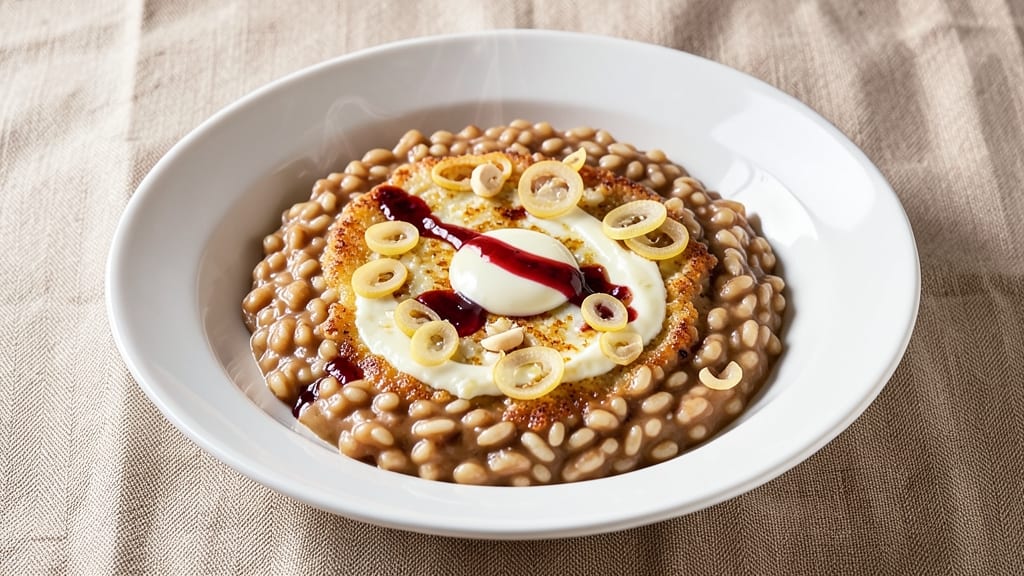
This Carnaroli rice risotto recipe delivers the perfect balance of creamy texture and al dente bite—no overcooking required. The secret lies in the rice's high starch content, which creates that signature velvety finish while maintaining structure.
I’ve refined this technique over years of testing, ensuring every grain absorbs the broth just enough to transform into a luxurious, restaurant-quality dish.
Mastering risotto means controlling heat and timing: toast the rice first, then stir constantly as you gradually add warm broth. The result? A dish that’s rich, cohesive, and effortlessly elegant—ideal for special occasions or weeknight dinners when you crave something sophisticated. Let’s get started on the perfect batch.
Ingredients for carnaroli rice risotto
The right rice and a few key ingredients transform simple broth into luxurious risotto.
| Ingredient | Amount | Notes |
|---|---|---|
| Carnaroli Rice 🍚 | 1 ½ cups | Unrinsed, high-quality Arborio variety |
| Vegetable Broth 💧 | 6 cups | Homemade or quality low-sodium |
| Dry White Wine 🍷 | ½ cup | Bold, dry variety like Sauvignon Blanc |
| Unsalted Butter 🧈 | 4 tbsp | European-style, high-fat content |
| Shallots 🧅 | 2 whole | Minced, finely chopped |
| Garlic Cloves 🧄 | 3 cloves | Peeled, minced |
| Extra-Virgin Olive Oil 🫒 | 2 tbsp | Light fruity variety |
| Parmesan Cheese 🧀 | ½ cup | Freshly grated, aged 24+ months |
| Fresh Thyme Leaves 🌿 | ¼ cup | Finely chopped |
| Salt 🧂 | 1 ½ tsp | Diamond Crystal kosher |
| Black Peppercorns 🌶️ | ½ tsp | Freshly cracked |
| Toothpicks 📎 | 4 whole | For securing garnish |
| Fresh Parsley 🌿 | ¼ cup | Chopped, for garnish |
Carnaroli rice is non-negotiable here—its high starch content absorbs liquid perfectly without turning mushy. Whole Foods or specialty Italian markets carry the best quality, but Trader Joe's often has a solid pre-packaged option. Look for grains that are plump and uniform, not cracked or discolored. The Parmesan should be aged at least 24 months for that perfect balance of umami and saltiness—Parmigiano-Reggiano from a wedge is ideal, but pre-grated works in a pinch if you're short on time. For the broth, homemade is best, but Pacific Foods low-sodium vegetable broth is a reliable store-bought shortcut.
No white wine? Substitute with extra broth plus a splash of lemon juice—it won’t be identical, but it’ll work. Fresh thyme is ideal, but dried works at one-third the amount if that’s what you’ve got. The shallots add depth that onions can’t match, but if you’re in a hurry, yellow onion works in a pinch. For the butter, European-style (like Plugrá) has more fat content, which helps create that signature creaminess. If you only have regular butter, use an extra tablespoon. The key is keeping everything warm—room-temperature ingredients incorporate better into the risotto.
Risotto reheats beautifully, but it’s best served fresh. If you need to prep ahead, cook the rice until it’s just al dente, then spread it on a tray to cool quickly and refrigerate. Reheat with a splash of broth and a pat of butter, stirring constantly over low heat. The Parmesan keeps for weeks in the fridge, while fresh herbs should be used within 5 days. Store any leftovers in an airtight container with a layer of plastic wrap pressed directly on the surface to prevent drying. Portion into containers for easy lunches—just add a splash of broth to reheat.
Why You'll Love This Recipe
- No-Fuss Technique: I swear by the "toast the rice first" trick—just a minute in butter until it’s golden. That’s where the magic starts, and honestly? It takes less time than waiting for toast to pop up.
- Creamy Without Guilt: The shallots caramelize into something sweet and deep, while the wine cuts through like a bright little secret. No heavy cream needed—just butter, broth, and patience (okay, fine, a little stirring).
- Weeknight Hero: Between us, this is my "I don’t want to think" dinner. Toss in mushrooms or leftover roasted veggies, and suddenly you’ve got a restaurant-worthy plate. Even my picky eaters ask for seconds.
- Budget Luxury: Carnaroli rice might sound fancy, but a bag lasts forever, and vegetable broth stretches across meals. Splurge on the wine—just a splash—and you’ve got a dish that feels special without breaking the bank.
Step-by-step instructions for perfect Carnaroli risotto
Here's how to transform simple ingredients into restaurant-quality risotto every time.
Sauté the Aromatics Until Fragrant
Heat the 2 tablespoons extra-virgin olive oil in a heavy-bottomed saucepan over medium heat. Add the 2 whole shallots and 3 cloves garlic cloves, stirring occasionally for 3-4 minutes until the shallots turn translucent and the garlic emits a delicate aroma. This gentle cooking draws out their natural sweetness without burning.
Watch the color carefully—when the shallots become pale gold and the garlic just begins to color around the edges, you're ready for the next step. Overcooking will make them bitter, so keep a close eye. I like to give them a final stir and let them sit undisturbed for 30 seconds to develop even more flavor before adding the rice.
Toast the Rice for Maximum Flavor
Add the 1.5 cups Carnaroli rice to the pan and stir vigorously for 2 minutes, coating each grain in the aromatic oil. This initial "toasting" creates a nutty depth of flavor and helps develop the risotto's signature creamy texture. The rice should look glossy and slightly translucent at the edges.
Here's the thing—don't skip this step. The starches in the rice begin to break down immediately, and this initial toasting ensures you get that perfect al dente bite at the end. After 2 minutes, the rice should be evenly coated and starting to release its natural starches, which will later create that luxurious creaminess.
Deglaze with Wine and Add Broth Gradually
Pour in the 0.5 cup dry white wine and stir constantly until completely absorbed—this should take about 1-2 minutes. The alcohol will cook off quickly, leaving behind just the wine's fruity essence. This is called deglazing, and it's where all the magic begins.
Now add 1 cup of the vegetable broth at a time, stirring frequently. The rice should simmer gently—you'll know it's cooking properly when it releases starches that create a faint cloudiness in the liquid. After each addition, wait until the broth is nearly completely absorbed before adding the next cup. This gradual process is what makes risotto creamy without being mushy.
Cook to Al Dente Perfection
Continue adding broth 1 cup at a time, stirring frequently, for about 18-20 minutes total. The rice should be tender but still have a slight bite in the center—this is the al dente texture we're after. You'll use about 4-5 cups of the vegetable broth before the rice reaches this stage.
This is where patience pays off. If the rice starts to look dry before it's fully cooked, add a splash of hot water or broth to keep it moist. The final texture should be creamy but still distinct grains—like a thick pudding with individual rice kernels visible. Taste a grain—it should be tender but still offer a slight resistance when bitten.
Finish with Butter, Cheese and Herbs
Once the rice is al dente, remove the pan from heat and stir in the 4 tablespoons unsalted butter, 0.5 cup Parmesan cheese, 0.25 cup fresh thyme leaves, 1.5 teaspoons salt, and 0.5 teaspoon black peppercorns. The butter and cheese will create a luxurious, velvety finish that coats each grain perfectly.
Let the risotto sit off the heat for 2-3 minutes, stirring occasionally. This resting period allows the flavors to meld completely. For garnish, sprinkle with the 0.25 cup fresh parsley and secure with 4 toothpicks if serving in a formal setting. The parsley adds a bright contrast to the rich, creamy risotto, finishing it with a pop of freshness.
Pro Tips For Making Carnaroli Rice Risotto
- STIR LIKE YOUR LIFE DEPENDS ON IT: The first 5 minutes after adding rice are non-negotiable—constant stirring breaks up starches and prevents clumping. I used to let it sit while I grabbed a drink, and my risotto turned into a sad, gummy mess. Keep the pan moving in figure-8s until the rice loses its raw center.
- TOAST THE RICE UNTIL IT GLISTENS: Cook the Carnaroli in butter until every grain is translucent and slightly sticky—about 2 minutes. I learned this the hard way after making risotto that tasted raw inside. If it smells nutty and the edges catch just a hint of color, you’re golden.
- USE COLD BROTH, NOT HOT: Keep your vegetable broth chilled until the very last ladle. Hot broth cooks the rice too fast and washes away flavor. I now keep a separate pitcher in the fridge—yes, even if it means an extra trip to the kitchen. The creamy finish is worth it.
- FINISH WITH A BUTTER-WINE SLURRY: Instead of tossing in butter at the end, melt it with a splash of white wine first—this creates a silky emulsion that coats every grain. I was skeptical until I tried it; now I skip the separate stirring step entirely. The sauce clings like it’s supposed to.
Wine and beer pairings for these flavors
Classic Italian Whites
For traditional risotto, Italian whites shine brightest. A crisp Pinot Grigio from Alto Adige offers citrus notes that complement the creamy texture beautifully. I always reach for Santa Margherita Pinot Grigio—its clean finish lets the risotto's natural flavors take center stage.
If you prefer something with more body, try a Soave Classico from Verona, which adds subtle almond undertones that pair wonderfully with the Parmesan. 🍷
Bold Red Alternatives
Don't dismiss reds entirely! A light-bodied Chianti Classico with its cherry and herbal notes works surprisingly well, especially with mushroom risotto variations. I've found Castello di Volpaia Chianti Classico to be the perfect match—its acidity cuts through the richness without overpowering.
For a bolder option, a Barbera d'Asti offers juicy dark fruit flavors that stand up to the dish's creaminess.
Crisp Beer Pairings
Beer lovers shouldn't miss out! A Belgian Witbier like Hoegaarden brings refreshing citrus and peppery notes that cleanse your palate between bites. For something more robust, try a German Helles Lager—its malty sweetness balances the risotto's richness.
I always keep a Sierra Nevada Pale Ale on hand for its balanced hop bitterness that complements the dish's creaminess without competing.
Sparkling Elevations
For special occasions, consider sparkling wine. A Prosecco DOC from Valdobbiadene adds effervescence that enhances the risotto's texture while its floral notes complement the thyme. I've had amazing results pairing with La Gioiosa Prosecco, where the bubbles create a delightful contrast against the creamy rice.
For something more luxurious, a Franciacorta Brut offers complex flavors that elevate the entire dining experience.
Non-Alcoholic Options
Don't drink alcohol? No problem! A sparkling apple cider like Martinelli's provides similar acidity and refreshment without the alcohol. For something more sophisticated, try a sparkling blood orange soda—the citrus notes mirror the wine pairings beautifully.
I've also found that ginger beer with a squeeze of lime creates a surprisingly harmonious pairing that many guests rave about. 💛
Nutrition facts
Frequently asked questions
Why does Carnaroli rice work best for risotto?
Carnaroli rice has a higher starch content than other varieties, which creates that signature creamy texture while maintaining distinct grains. Its thick outer layer absorbs liquid perfectly without turning mushy, giving you that ideal al dente bite. The shape and starch content make it the gold standard for risotto—no other rice delivers the same luxurious mouthfeel.
Can I use regular Arborio rice instead of Carnaroli?
Yes, you can substitute Arborio rice in a pinch, but Carnaroli has a slightly firmer texture and more starch. For best results, use the same rice-to-liquid ratio and stir more frequently to compensate for the slightly different absorption rate. The flavor will be close, but the texture might be slightly less creamy.
What's the secret to creamy risotto without butter or cheese?
The creaminess comes from the rice's natural starches, not just butter and cheese! Stirring constantly releases these starches as the rice absorbs the broth. For extra richness, add a splash of heavy cream (2 tablespoons) at the end, or use nutritional yeast (1 tablespoon) for a dairy-free option. The key is patience and consistent stirring.
How do I fix risotto that's too dry or too soupy?
For dry risotto, add 1-2 tablespoons of warm broth and stir gently until absorbed. If it's too soupy, remove from heat and let it sit covered for 5 minutes—the starches will thicken it naturally. As a last resort, stir in 1 tablespoon of cornstarch mixed with cold water to bind it. Always adjust heat to maintain a gentle simmer.
Can I make risotto ahead of time?
Risotto is best served fresh, but you can prep it ahead! Cook the rice until just al dente, then spread it on a tray to cool quickly. Refrigerate for up to 2 days or freeze for 1 month. To reheat, add 2 tablespoons of broth per cup of rice and warm over low heat, stirring constantly. For extra creaminess, stir in a pat of butter at the end.