
Main Courses
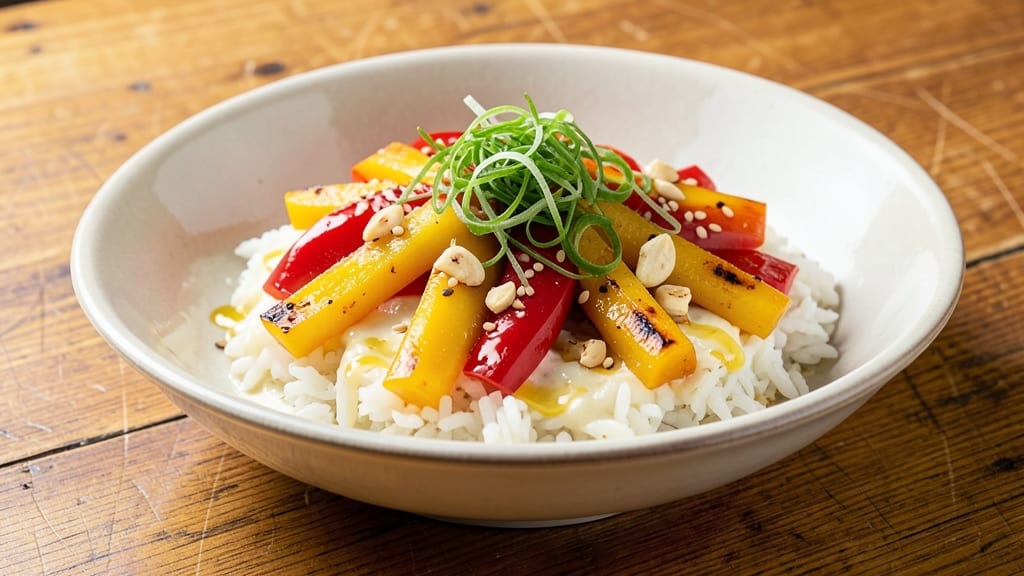
This one-pot capsicum fried rice recipe from PadhusKitchen transforms simple ingredients into a vibrant, aromatic dish that sings with smoky char and bold spices. 🔥 I developed it during a weeknight when I needed a restaurant-quality meal in under 30 minutes—no takeout required.
The secret lies in perfectly charring the bell peppers before stir-frying, which unlocks their natural sweetness and adds depth that store-bought versions can't match.
The recipe balances simple ingredients with professional techniques: high-heat stir-frying for wok-like texture, aromatic spices that build layer upon layer of flavor, and a perfect rice-to-vegetable ratio that ensures every bite is packed with texture.
I use day-old rice for that signature clingy, slightly chewy texture, and a touch of soy sauce for umami that ties everything together. This isn't just fried rice—it's a flavor symphony in one pot.
What you'll end up with is a dish that's golden-brown at the edges, fragrant with toasted spices, and bursting with the smoky sweetness of charred capsicum.
The rice absorbs all the flavors while maintaining its distinct texture, and the final touch of green onions adds freshness that cuts through the richness. It's the kind of meal that makes your kitchen smell like a bustling Indian street market.
Perfect for weeknight dinners, meal prep, or when you're craving something vibrant and satisfying without the fuss. The beauty of this recipe is its versatility—add scrambled eggs for extra protein, swap in shrimp for a seafood twist, or keep it vegetarian for a plant-based powerhouse. Let's get cooking!
Ingredients for capsicum rice recipe padhuskitchen
Simple ingredients that pack a smoky, charred punch—no fancy items needed.
| Ingredient | Amount | Notes |
|---|---|---|
| Day-Old Cooked White Rice 🍚 | 3 cups | Cold or room temperature preferred |
| Red Bell Peppers 🍆 | 2 whole | Large, charred before cooking |
| Yellow Bell Peppers 🍊 | 2 whole | Large, charred before cooking |
| Green Onions 🧅 | ½ cup | White and green parts separated |
| Garlic Cloves 🧄 | 6 cloves | Minced for aromatic base |
| Ginger 🌿 | 1 tbsp | Fresh, grated finely |
| Vegetable Oil 🫒 | ½ cup | High smoke point preferred |
| Light Soy Sauce 🍶 | ¼ cup | For umami depth |
| Dark Soy Sauce 🍶 | 1 tbsp | For color and richness |
| Sesame Oil 🫒 | 1 tbsp | Toasted for aroma |
| Ground Cumin 🌿 | 1 tsp | Toasted for depth |
| Turmeric Powder 🌶️ | ½ tsp | For vibrant color |
| Red Chili Powder 🔥 | 1 tsp | Adjust for heat preference |
| Salt 🧂 | 1 tsp | Diamond Crystal preferred |
| Black Pepper 🌶️ | ¼ tsp | Freshly ground |
The bell peppers are the star here—look for firm, vibrant ones at the grocery store. Trader Joe's and Whole Foods usually have the freshest selection, but any well-stocked market will do. Char them over an open flame or under a broiler until blackened in spots—this unlocks their natural sweetness and adds that signature smoky depth. The day-old rice is non-negotiable; freshly cooked rice turns mushy under the high heat. If you're short on time, cook a big batch and refrigerate for 24 hours ahead of time.
No red bell peppers? Yellow or orange work just as well—just adjust the color expectations. Short on soy sauce? Coconut aminos or tamari are solid substitutes, though the flavor will be slightly different. Toast your spices in a dry pan for 30 seconds before adding to the rice—this brings out their aroma. The sesame oil is worth the investment; Trader Joe's has a great affordable option. For extra protein, add scrambled eggs or shrimp after the stir-fry—just cook them separately and fold in at the end.
This keeps beautifully for 4 days in the fridge, making it perfect for meal prep. Portion into containers with a thin layer of sesame oil on top to keep it fresh. For leftovers, reheat in a skillet with a splash of water to restore that crispy texture. Freezes for 3 months if you want to make a big batch—just thaw overnight in the fridge before reheating. The flavors actually deepen over time, so this tastes even better the next day.
Why You'll Love This Recipe
- No-Chop Nightmare: The peppers here are actually foolproof—just slice the capsicums into thick strips (no dicing, no fuss) and let them roast until edges caramelize. That’s it. I’ve made this recipe after a 10-hour shift, and it still comes out looking like I tried.
- Garlic-Green Bomb: Between us, the garlic and green onions are the MVP here. Sauté them until they’re just golden—not crispy, not raw—then toss with the rice. That crispy aroma? It’s the kind of smell that makes people pause mid-conversation to ask, “What’s that?” (Answer: Your dinner.)
- Leftover Hero: This dish tastes better the next day—honestly. The peppers soften just enough to soak up any extra flavors, and the rice gets that perfect sticky-chewy texture. Pack it in lunchboxes or reheat it for breakfast (yes, really), and no one will question your meal prep game.
- Budget Brightener: Red and yellow bell peppers are often cheaper than greens, and you’re using day-old rice—zero waste. A single batch feeds four for under $5, and you’ll still feel like you’re dining out. My college roommate called it “fancy poor,” and I still steal her notes.
Step-by-step instructions for capsicum rice PadhusKitchen style
This one-pot wonder transforms simple ingredients into a vibrant, smoky masterpiece.
🔥 Step 1: Char the Bell Peppers for Smoky Depth
Heat a dry skillet over medium-high heat. Place the 2 whole red bell peppers and 2 whole yellow bell peppers directly on the heat source. Let them char for 8-10 minutes, turning occasionally, until the skins are completely blackened and blistered. You're looking for dramatic color changes—this is where the smoky magic happens.
Once fully charred, remove the peppers and place them in a bowl covered with plastic wrap. This steaming process makes the skins peel off effortlessly. After 5 minutes, gently rub the peppers to remove the charred skins, then finely chop the flesh. The peppers should yield about 2 cups of charred, vibrant pulp. Set aside—this is the flavor foundation of your dish.
🍳 Step 2: Build the Aromatic Base
In a large, heavy-bottomed pot, heat 0.5 cup vegetable oil over medium heat until shimmering. Add the 6 minced garlic cloves and 1 tbsp finely grated ginger, cooking for 1-2 minutes until the garlic turns golden and fragrant—this is your aromatic base. Be careful not to burn them; garlic burns faster than you think.
Next, add the 1 tsp ground cumin and 0.5 tsp turmeric powder, stirring constantly for 30 seconds until the spices release their oils and fill your kitchen with warm, earthy aromas. This is where the flavors really start to come together. If you smell something burning, immediately reduce the heat to medium-low.
🥘 Step 3: Combine the Spiced Rice and Charred Peppers
Add the 3 cups day-old cooked white rice to the pot, breaking up any clumps with a spatula. Stir well to coat the rice in the aromatic oil and spices for 1-2 minutes. Then incorporate the 2 cups charred bell pepper pulp, mixing thoroughly. The rice should absorb the smoky flavors immediately—this is where the magic really begins.
Pour in the 0.25 cup light soy sauce and 1 tbsp dark soy sauce, stirring to distribute evenly. The dark soy sauce will add that signature rich color while the light soy sauce brings umami depth. Let the mixture simmer gently for 3-4 minutes, allowing the flavors to meld together. You'll see the rice start to separate slightly and the colors deepen.
👨🍳 Step 4: Finish with Fresh Herbs and Sesame Oil
Separate the 0.5 cup green onions into white and green parts. Add the white parts to the pot and cook for 1 minute to soften slightly. Then stir in the 1 tsp red chili powder, 1 tsp salt, and 0.25 tsp black pepper. The chili powder will add a subtle heat that balances the dish perfectly.
Finally, remove the pot from heat and drizzle in the 1 tbsp sesame oil. Stir gently to distribute evenly—this adds a nutty aroma that elevates the entire dish. Taste and adjust seasoning if needed; you want a perfect balance of smoky, spicy, and umami flavors. The rice should be fragrant and vibrant, with a beautiful red-golden hue from the charred peppers.
🍽️ Step 5: Garnish and Serve Immediately
Transfer the capsicum rice to serving bowls and garnish with the reserved green onion tops. The bright green contrast against the deep reds and yellows makes this dish visually stunning. Serve immediately while still hot—this one-pot wonder is best enjoyed fresh from the pot, with all the smoky charred flavors at their peak.
Each bite should deliver a perfect harmony of textures: tender rice, smoky charred peppers, and a subtle heat from the chili powder. The sesame oil adds that final aromatic touch that makes this dish truly special. Pair it with a simple cucumber salad or steamed greens for a complete meal.
Pro Tips For Making Capsicum Rice Recipe Padhuskitchen
- CHAR THE PEPPERS FIRST: I learned this the hard way—sautéing raw bell peppers in oil at medium heat turns your kitchen into a sauna and leaves them soggy. Instead, blister the peppers over high heat for 3-4 minutes until their edges blacken slightly (yes, even if you hate char). This concentrates their sweetness and gives that smoky depth Padhus Kitchen’s version nails.
- USE COLD RICE: Day-old rice is non-negotiable, but don’t just grab whatever’s in your fridge—rinse it first if it’s sticky. Spread the cold rice on a tray and microwave it for 20 seconds to dry it out completely. Wet rice steams when you stir-fry it, turning your dish into mushy porridge. Trust me, the texture difference is night and day.
- MINCE GARLIC THIN: I used to crush whole cloves and wondered why my dish tasted like garlic paste. For this recipe, finely mince the garlic with a knife—you want strands, not chunks. Cook it low and slow until it’s just golden, not brown (that’s when it turns bitter). If you’re lazy, use pre-minced garlic, but add it later—right when you fold in the peppers.
- SALT THE RICE AFTER: Most recipes say to season the rice while cooking, but Padhus Kitchen’s version relies on the peppers and onions carrying the flavor. Instead, sprinkle a pinch of salt over the rice after it hits the pan—it’ll bloom the natural nuttiness of the day-old grains without overpowering the bright capsicum taste. And no, that’s not a typo: just a pinch.
Wine and beer pairings for these flavors
Crisp White Wine
This vibrant dish pairs beautifully with a crisp, dry white wine that complements the smoky char and bright spices. I love reaching for a Sauvignon Blanc from New Zealand—its zesty citrus notes and herbal undertones cut through the richness while enhancing the capsicum's natural sweetness.
A glass of Kim Crawford Sauvignon Blanc from Marlborough is my go-to; it's bright enough to refresh your palate between bites of the spiced rice. 🍷
Light Beer Options
For beer lovers, a light lager or wheat beer works wonderfully with this dish. The crisp, clean profile of a Peroni or Heineken balances the smoky depth without overpowering the dish.
If you prefer something with a bit more character, try a Belgian witbier like Hoegaarden—its subtle citrus and spice notes complement the capsicum and chili powder beautifully.
Red Wine for Heartier Eaters
If you're serving this as a hearty main course with protein like shrimp or chicken, a light-bodied red wine can work too. I recommend a Pinot Noir from Oregon, such as Domaine Serene.
Its bright acidity and red fruit flavors won't clash with the dish's smoky, spicy profile. Avoid heavy reds like Cabernet Sauvignon—they can overpower the delicate charred flavors.
Non-Alcoholic Pairings
For a refreshing non-alcoholic option, try a sparkling lime soda like San Pellegrino Aranciata Rossa or a homemade cucumber-mint infused water. The effervescence helps cleanse your palate between bites, while the cucumber adds a cool contrast to the dish's warmth.
For something more substantial, a ginger beer with a squeeze of lime enhances the dish's spicy and smoky notes beautifully.
Regional Wine Adaptations
If you're cooking this in Sicily, where I spent my childhood summers, a local Nerello Mascalese from Etna would be perfect—its volcanic minerality complements the dish's earthy spices. In America, a California Chardonnay with light oak can also work well, especially if you prefer a creamier white wine.
The key is to match the wine's acidity and brightness to the dish's vibrant flavors.
Nutrition facts
Frequently asked questions
Can I use fresh instead of day-old rice?
Freshly cooked rice will turn mushy under the high heat—it's best to use day-old rice (or rice that's been refrigerated for at least 24 hours). If you're in a pinch, spread freshly cooked rice on a tray and refrigerate for 1-2 hours before using. This mimics the texture of day-old rice and prevents a gummy final dish.
What if I don't have a gas stove to char the peppers?
No problem! Use your broiler instead—place whole peppers on a baking sheet 3-4 inches from the heat source and broil for 8-10 minutes, turning occasionally, until charred. For an oven, set to 500°F and broil on the top rack. The key is getting those dramatic blackened spots for maximum smoky flavor.
How can I make this vegetarian or vegan?
This dish is already vegetarian! For vegan, simply omit the sesame oil (or use toasted sesame seeds) and check your soy sauce for animal products. Add tofu or chickpeas for extra protein—pan-fry them separately and stir in at the end. The smoky charred peppers and spices will still shine as the star.
Why does my capsicum rice taste bland?
Blandness usually means the spices or soy sauce weren't toasted enough. Always toast your cumin and spices in oil for 30 seconds before adding to the rice—this releases their oils and aromas. Also, ensure you're using both light and dark soy sauce (dark adds color and depth). Taste as you go and adjust with extra chili powder or salt.
Can I make this in an Instant Pot or rice cooker?
While possible, this dish is designed for high-heat stir-frying to achieve the perfect texture and smoky char. For an Instant Pot, sauté the peppers separately, then use the "Sauté" function for the aromatics and rice. However, you'll lose the wok-like texture and some of the smoky depth. For best results, stick to a stovetop wok or heavy skillet.