
Main Courses
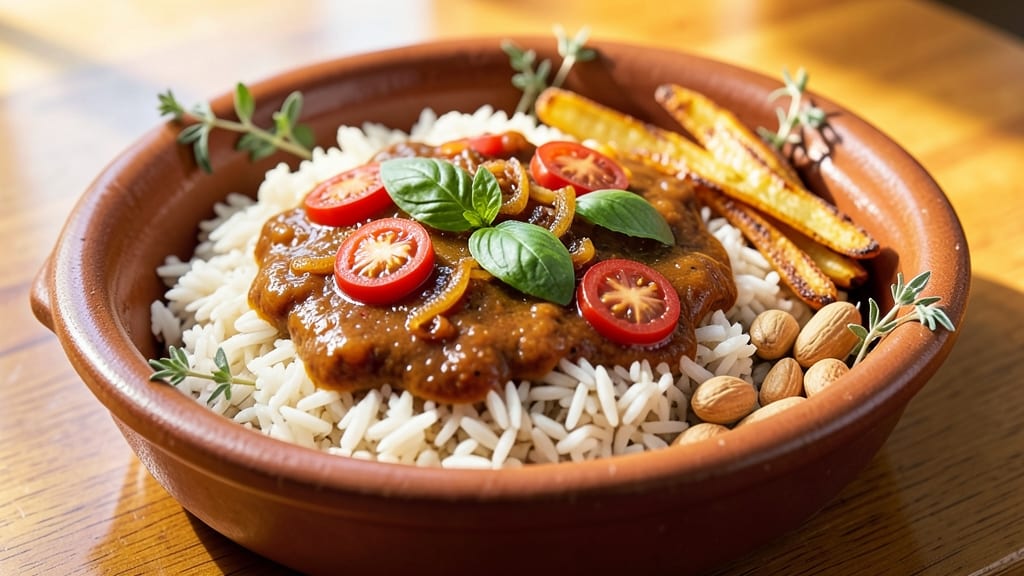
This Cameroon jollof rice recipe delivers the bold, smoky tomato-basil flavor that defines West African cuisine—where perfectly steamed grains meet rich, aromatic sauce. The secret lies in slow-cooking palm oil with onions until deep red, then layering spices like thyme and curry powder for complexity.
Unlike its Nigerian cousin, this version balances heat with subtle sweetness from tomatoes and peppers, creating a dish that's both hearty and refined.
The result is tender rice with just enough bite, infused with the sauce's depth, and often paired with grilled chicken or fish. This recipe preserves tradition while adapting to modern kitchens—no special equipment needed, just patience for the flavors to meld.
Every bite delivers that signature Cameroonian warmth, making it a centerpiece for gatherings or weeknight comfort.
Ingredients for cameroon jollof rice
Fifteen ingredients crafting Cameroon's signature smoky, tomato-basil rice with perfectly steamed grains.
| Ingredient | Amount | Notes |
|---|---|---|
| Long-Grain White Rice 🍚 | 2 cups | Uncooked, rinsed thoroughly |
| Red Palm Oil 🫒 | ½ cup | For authentic smoky depth |
| Yellow Onions 🧅 | 1 ½ cups | Finely chopped, yellow preferred |
| Fresh Tomatoes 🍅 | 4 whole | Roma preferred, chopped |
| Fresh Basil Leaves 🌿 | ½ cup | Packed, stems removed |
| Fresh Thyme Sprigs 🌿 | ¼ cup | Leaves only, stems discarded |
| Ground Curry Powder 🌶️ | 2 tbsp | Authentic West African blend |
| Ground Ginger 🌿 | 1 tbsp | Freshly ground preferred |
| Scotch Bonnet Peppers 🌶️ | 2 whole | Seeds removed for less heat |
| Garlic Cloves 🧄 | 6 cloves | Peeled, minced finely |
| Chicken or Vegetable Stock 💧 | 2 ½ cups | Homemade preferred, low-sodium |
| Salt 🧂 | 1 ½ tsp | Diamond Crystal preferred |
| Black Peppercorns 🌶️ | ½ tsp | Freshly cracked |
| Bay Leaves 🍃 | 2 whole | Dried, crushed lightly |
| Unsalted Butter 🧈 | 2 tbsp | For finishing richness |
The palm oil is non-negotiable for authentic flavor—African and Caribbean markets carry the best quality, or find it in the international aisle at Whole Foods. Look for deep red, not bleached varieties. Fresh basil and thyme from local farmers markets elevate the dish, but dried works in a pinch (use half the amount). For the curry powder, Madras brand delivers that signature West African warmth—avoid generic blends that lack depth. The scotch bonnet peppers add heat without overpowering; Trader Joe's often stocks them fresh or frozen.
No palm oil? Smoked paprika mixed with a touch of vegetable oil mimics the smokiness, though it won't be identical. Substitute fresh basil with dried basil at one-third the amount, but expect less vibrant flavor. For the peppers, jalapeños or habaneros work in a bind—adjust seeds based on desired heat level. The stock can be swapped for water, but homemade chicken or vegetable stock adds critical depth. If you're using chicken, bone-in pieces create richer stock than boneless.
Rice keeps best in an airtight container for 3-4 days—the sauce actually improves overnight as flavors meld. For longer storage, freeze portions for up to 3 months. The palm oil solidifies when cold, so reheat gently to restore its rich texture. This dish reheats beautifully; cover with a damp towel to prevent drying out. Leftovers taste even better the next day, making it perfect for meal prep.
Why You'll Love This Recipe
- One-Pot Magic: That red palm oil? It’s the star—no extra pans, no extra mess. Just toss everything in one pot, let it simmer, and you’ve got a fragrant, vibrant dish with zero cleanup stress.
- Deep Umami Bomb: The blend of fresh tomatoes, onions, and basil leaves (yes, fresh—not dried) creates this rich, slightly smoky depth that lingers. It’s the kind of flavor that makes you pause mid-bite, like, "Wait, is this actually dinner?"
- Party in a Box: Make a big batch on Sunday, and you’ve got lunch, dinner, or potluck covered all week. The rice reheats beautifully, and honestly? It’s the kind of dish people will ask for seconds at family gatherings.
- Budget Flex: Long-grain rice and basic veggies stretch into a meal that feeds four for under $10. Between us, this is the kind of recipe that makes grocery day feel like a win—no fancy ingredients, just pure satisfaction.
Step-by-step instructions for Cameroon jollof rice
Mastering this dish means balancing smoky depth with perfectly steamed grains—here's how to nail both.
🍳 Step 1: Toast the Spices and Aromatics
Heat the 0.5 cup red palm oil in a heavy-bottomed pot over medium-low heat. Add the 1.5 cups finely chopped yellow onions and cook for 5-7 minutes until they soften and begin to caramelize—this builds the base flavor. Stir in the 2 tbsp ground curry powder and 1 tbsp ground ginger, toasting for 2-3 minutes until fragrant and slightly darkened. The spices should smell earthy and warm, not burnt.
Add the 6 minced garlic cloves and 2 whole Scotch bonnet peppers (seeds removed), cooking for 1 minute until the garlic turns golden. Here's the thing—don't rush this step. Properly toasting the spices unlocks their full flavor potential, which is the foundation of Cameroon Jollof's signature taste. If the oil starts to smoke excessively, reduce the heat slightly to prevent bitterness.
🍳 Step 2: Build the Tomato-Basil Sauce
Increase heat to medium and add the 4 chopped fresh tomatoes along with the 0.5 cup packed fresh basil leaves and 0.25 cup fresh thyme leaves. Stir well and cook for 8-10 minutes, stirring occasionally, until the tomatoes break down into a thick, glossy sauce. The mixture should reduce significantly and develop a deep red color—this is when the raw tomato flavor transforms into rich, concentrated tomato essence.
Add the 2.5 cups chicken or vegetable stock, 1.5 tsp salt, and 0.5 tsp cracked black peppercorns, along with the 2 crushed bay leaves. Stir to combine, then bring to a gentle simmer. Let it cook uncovered for 10 minutes to allow the flavors to meld and the sauce to thicken slightly. This is where the magic happens—the herbs infuse their aromatic qualities into the sauce, creating that signature Cameroon Jollof profile.
🥘 Step 3: Cook the Rice to Perfect Texture
Add the 2 cups rinsed long-grain white rice to the sauce, stirring gently to coat each grain. Increase heat to medium-high and bring to a boil. Once boiling, reduce heat to low and cover tightly with a lid. Let it steam for 20 minutes without disturbing it—this is critical for developing the characteristic "steamed" texture that sets Cameroon Jollof apart from other West African rice dishes.
After 20 minutes, check the rice. It should be tender but still slightly firm in the center. If the rice is absorbing the liquid too quickly, add ¼ cup water or stock. The key is to maintain a gentle simmer rather than a rolling boil, which can cause the rice to become mushy. Real talk: your oven might run hot, so start checking at the 18-minute mark if your stove tends to cook quickly.
🔥 Step 4: Finish with Butter for Richness
Once the rice is tender, remove the pot from heat and let it sit covered for 5 minutes. This resting period allows the rice to finish cooking evenly and absorb any remaining liquid. Stir in the 2 tbsp unsalted butter, distributing it evenly throughout the rice. The butter adds a luxurious finish that balances the dish's bold flavors.
Garnish with additional fresh basil leaves if desired. Serve immediately while the rice is still steaming hot. The finished dish should have perfectly cooked grains with a smoky tomato-basil sauce that clings to each bite. If the sauce seems too thick after resting, stir in 1-2 tablespoons of hot stock to reach your preferred consistency. The butter should create a subtle sheen on the rice, indicating proper incorporation.
Pro Tips For Making Cameroon Jollof Rice
- Bloom the Tomatoes First: Skip the urge to dump chopped tomatoes straight into the pot—blanch them in boiling water for 2 minutes, then drain and peel. This removes excess water and intensifies their flavor, which is non-negotiable for that rich, balanced jollof sauce. (Yes, it’s extra work, but your sauce will taste like you simmered it for hours instead of 30 minutes.)
- Toast the Onions Low and Slow: After frying the onions in red palm oil, reduce the heat to medium-low and let them cook until deep golden, not burnt. I used to rush this, and the dish always tasted bitter—like someone forgot to season it properly. Patience here guarantees that caramelized sweetness that makes jollof sing.
- Use Basil Leaves Late: Toss in the fresh basil leaves only in the last 5 minutes of cooking, or even after the rice is done. Adding them early turns them to mush and ruins the bright, herbal finish that sets Cameroon jollof apart. (Pro move: Tear them roughly for even better flavor distribution.)
- Rinse Rice Until Water Runs Clear: Don’t just splash the rice with water—give it a thorough rinse until the water runs nearly transparent. This removes excess starch, preventing a gummy, clumpy texture. I learned this the hard way after a batch turned out like glue. (And no, "partially rinsing" doesn’t count.)
Wine and beer pairings for these flavors
West African Lager Pairings
Cameroonian jollof rice pairs beautifully with crisp, refreshing West African lagers like Guinness or Star Lager. The dark malt notes in Guinness complement the dish's smoky tomato-basil depth, while Star Lager's light body cuts through the richness without overpowering.
I always reach for a cold Guinness when serving this dish—its roasted barley flavor echoes the palm oil's smokiness. 🍺
Fruity Malty Beers
For a fruitier contrast, try a West African fruit beer like Nkalé or Makokou. These beers blend banana, pineapple, or mango flavors that brighten the jollof's spice profile.
The natural sweetness balances the dish's earthy curry and ginger notes. I've found that a slightly chilled Nkalé works best—it refreshes the palate between bites.
Local Palm Wine
For an authentic experience, serve with palm wine, a traditional Cameroonian beverage made from sap. Its light sweetness and subtle fermentation notes harmonize perfectly with the dish's complex flavors.
If you can't find palm wine, a lightly sweetened white wine like Sauvignon Blanc makes a decent substitute. The acidity helps cleanse the palate after each rich, smoky bite.
Non-Alcoholic Options
For non-drinkers, offer hibiscus tea (also called "sour tea" in Cameroon) or ginger beer. The tartness of hibiscus tea cuts through the dish's richness, while ginger beer's spicy kick mirrors the Scotch bonnet peppers.
I often make hibiscus tea by steeping dried hibiscus flowers in hot water with a touch of sugar—it's a refreshing, culturally appropriate choice. ✨
Nutrition facts
Frequently asked questions
What makes Cameroon jollof different from Nigerian jollof?
Cameroonian jollof stands out for its smoky depth from palm oil and fresh basil-thyme blend, while Nigerian versions often use more curry powder and sometimes include peanuts. The Cameroonian sauce also tends to be slightly sweeter from tomatoes and peppers, creating a more balanced heat profile.
Can I substitute red palm oil with something else?
Yes! For an authentic flavor, use smoked paprika mixed with vegetable oil (1 tbsp paprika + 0.25 cup oil per 0.5 cup palm oil). Alternatively, light coconut oil adds a mild sweetness. Just note that palm oil's rich, earthy aroma is hard to replicate—it's the heart of Cameroon jollof's signature taste.
How do I prevent my jollof rice from being mushy?
Rinse the rice thoroughly before cooking to remove excess starch, and use a heavy-bottomed pot for even heat distribution. After adding rice, bring to a boil only once, then reduce to low heat and steam covered for 20 minutes without peeking. The key is patience—don't stir the rice while cooking!
What's the best protein pairing for this dish?
Cameroonian jollof shines with grilled chicken thighs or smoked fish, but it also works with beef, lamb, or even plant-based proteins like tofu. For authenticity, marinate proteins in ginger-garlic paste and grill them separately to avoid overcooking in the sauce.
Can I make this recipe in an Instant Pot?
Sauté onions, spices, and tomatoes as directed, then add stock, rice, and all other ingredients. Cook on high pressure for 8 minutes, followed by a 10-minute natural release. Finish with butter and let it rest covered for 5 minutes. The Instant Pot keeps the rice perfectly steamed while saving time.