
Main Courses
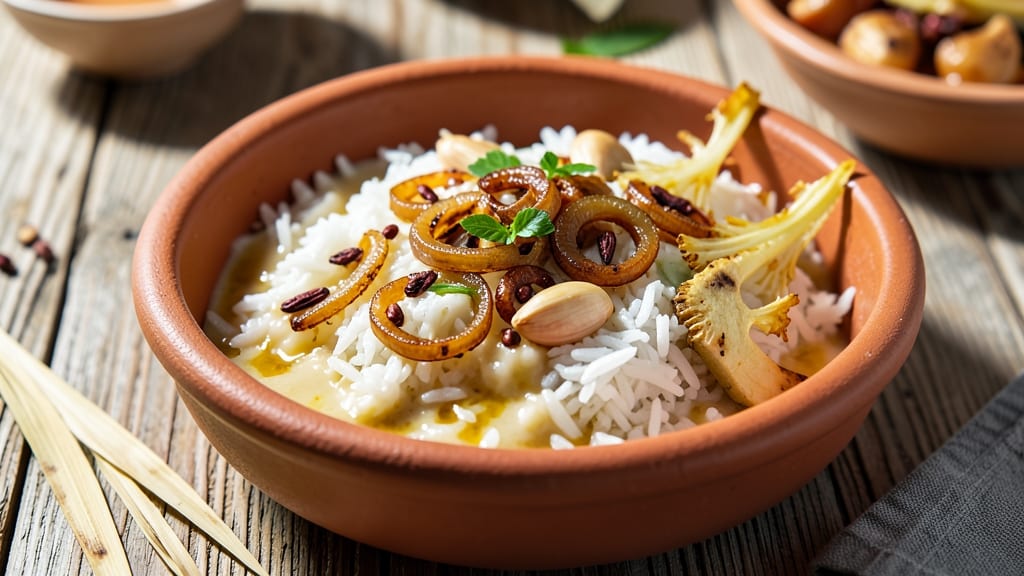
Cameroon coconut rice transforms simple grains into a fragrant, spice-infused masterpiece—where toasted celery crowns and aromatic coconut milk create a dish steeped in West African tradition. The secret lies in slow-cooking the rice with ginger, garlic, and a blend of warm spices until each grain absorbs the rich coconut broth, resulting in tender, flavor-packed bites. This recipe delivers restaurant-quality results at home, with every spoonful carrying the essence of Cameroon's coastal cuisine.
What sets this dish apart is the celery crown—a signature garnish that adds a delicate crunch and visual elegance. The rice itself is infused with cardamom, cloves, and bay leaves, creating layers of warmth that balance the coconut's natural sweetness.
Whether served as a standalone meal or paired with grilled fish, chicken, or shrimp, this coconut rice brings the vibrant flavors of Cameroon to your table with minimal effort. Ready in about 45 minutes, it's the perfect dish for those craving bold, aromatic comfort food.
Ingredients for cameroon coconut rice
These aromatic ingredients blend West African spices with creamy coconut for a restaurant-worthy rice dish.
| Ingredient | Amount | Notes |
|---|---|---|
| Long-Grain White Rice 🍚 | 1 ½ cups | Uncooked, rinsed thoroughly |
| Coconut Milk 🥥 | 1 ½ cups | Full-fat, canned preferred |
| Yellow Onion 🧅 | 1 whole | Medium size, diced finely |
| Garlic Cloves 🧄 | 6 cloves | Fresh, minced finely |
| Fresh Ginger 🌿 | 1 ½ tbsp | Grated finely (about 0.5 oz) |
| Cardamom Pods 🌶️ | 6 whole | Lightly crushed, seeds only |
| Cloves 🌶️ | 4 whole | Lightly crushed |
| Bay Leaves 🍃 | 2 whole | Dried, standard size |
| Celery Stalks 🥬 | 3 whole | Fresh, thinly sliced for crown |
| Olive Oil 🫒 | 2 tbsp | Extra-virgin preferred |
| Salt 🧂 | 1 ½ tsp | Kosher or sea salt |
| Black Pepper 🌶️ | ½ tsp | Freshly ground preferred |
| Vegetable Oil 🫒 | 1 tbsp | For toasting celery |
| Fresh Thyme Leaves 🌿 | ¼ cup | Chopped finely (optional) |
The coconut milk is non-negotiable here—full-fat canned brands like Thai Kitchen or Goya deliver the richest flavor. Cardamom and cloves are the soul of this dish; buy whole pods at specialty stores like Penzeys for maximum potency. Fresh ginger and garlic should be bright and pungent—no wilted roots or dried cloves. For the celery crown, look for crisp, pale stalks with no brown spots. If you can't find cardamom, allspice berries work in a pinch, though the flavor won't be identical.
No coconut milk? Light coconut cream plus water mimics the texture, though flavor will differ. Substitute coconut cream for half the amount if needed, but expect less richness. Fresh thyme is ideal, but dried thyme at one-third the amount works if you're in a bind. For the celery crown, leeks or fennel can replace celery—just slice them paper-thin. If your rice turns out too dry, add 2 tbsp warm coconut milk at the end. The key is patience—don't rush the simmering process.
Toasted celery crowns keep for 3 days in an airtight container in the fridge, though they're best used immediately for maximum crunch. The cooked rice reheats beautifully—cover with a damp paper towel and microwave for 90 seconds. For extra flavor, store the spices in a small jar with the cooked rice; they'll infuse over time. This dish freezes well for up to 3 months—just thaw overnight in the fridge before reheating. Portion into single servings for easy meal prep.
Why You'll Love This Recipe
- One-Pot Magic: I swear by this recipe when I’m too tired to wash pots—just rice, coconut milk, and a quick sauté of onions, garlic, and ginger. The rice cooks right in the same pot, no straining or extra steps. Honestly, it’s the kind of dish that makes me question why I ever did anything fancier.
- Creamy Yet Crisp: That balance of tender rice with a lightly toasted edge? The coconut milk gives it a luscious richness, but the garlic and ginger add a sharp, aromatic kick. It’s not sweet—it’s complex, like a hug in every bite.
- Leftover Goldmine: This rice tastes even better the next day, which means I can make a big batch on Sunday and have effortless lunches all week. Pair it with grilled chicken or fish, and suddenly you’ve got a full meal with almost no extra work.
- Budget-Friendly Luxury: Coconut milk might sound fancy, but a can goes a long way, and the rest of the ingredients are pantry staples. I’ve made this for potlucks, family dinners, and even lazy takeout nights—it’s reliable, satisfying, and won’t break the bank. (Yes, even on a Tuesday night.)
Step-by-step instructions for Cameroon coconut rice
This aromatic rice dish combines toasted celery crowns with spice-infused coconut milk rice.
Prepare the Toasted Celery Crowns
Heat the 1 tablespoon vegetable oil in a small skillet over medium heat. Add the 3 whole celery stalks, sliced thinly into crowns, and cook for 3-4 minutes until the edges turn golden brown and crispy. Remove the celery with tongs and set aside on a paper towel-lined plate.
This step creates the signature textural contrast that makes this dish special. The celery should be tender-crisp with slightly charred edges. If it browns too quickly, reduce the heat slightly to prevent burning. These crowns will be served on top of the finished rice, so keep them separate until the very end.
Sauté the Aromatic Base
In a medium saucepan with a tight-fitting lid, heat the 2 tablespoons olive oil over medium heat. Add the 1 whole yellow onion diced finely and cook for 5 minutes until softened and translucent. Add the 6 cloves garlic cloves minced finely and the 1.5 tablespoons fresh ginger grated finely, cooking for another 2 minutes until fragrant.
Here's where the complex flavors begin to develop. You'll notice the kitchen filling with warm, earthy aromas from the garlic and ginger. Don't rush this step—properly cooking these aromatics ensures they don't turn bitter. The onion should be completely translucent with no raw spots remaining.
Toast the Spices
Add the 6 whole cardamom pods lightly crushed, 4 whole cloves lightly crushed, and 2 whole bay leaves to the pan. Toast for 30 seconds until the spices release their essential oils and fill the kitchen with their warm, aromatic scent. Immediately add the 1.5 cups long-grain white rice rinsed thoroughly and stir to coat the grains evenly with the oil and spices.
The spice toasting is crucial—this releases their full flavor potential. You'll see the spices darken slightly and smell their aromatic oils. Stirring the rice at this stage ensures each grain gets coated with the fragrant oil mixture, which prevents sticking and creates the signature flavor profile. The rice should look glossy and well-coated.
Cook the Rice in Coconut Milk
Pour in the 1.5 cups coconut milk and bring to a gentle boil. Reduce heat to low and add the 1.5 teaspoons salt and 0.5 teaspoon black pepper freshly ground. Stir once, then place the lid on the pan. Cook for 20 minutes without stirring, allowing the rice to absorb the coconut milk and develop its characteristic texture.
This is where patience pays off. The rice should cook gently and evenly, absorbing the coconut milk without breaking. After 15 minutes, check the rice—it should be tender but still slightly firm in the center. If the liquid evaporates before the rice is fully cooked, add 1-2 tablespoons water and continue cooking. The rice should be fluffy with a slight sheen from the coconut milk.
Finish and Serve
Remove the pan from heat and let it sit covered for 5 minutes. Stir in the 0.25 cup fresh thyme leaves chopped finely, if using. Fluff the rice gently with a fork, then transfer to a serving dish. Arrange the toasted celery crowns on top of the rice and serve immediately.
The thyme adds a bright, herbal note that complements the rich coconut and spices. The celery crowns should be served right away while still crisp. This dish tastes best when served fresh, with the contrasting textures and temperatures creating a perfect balance. The rice should be tender with a subtle coconut aroma, and each bite should deliver the complex spice profile developed during cooking.
Pro Tips For Making Cameroon Coconut Rice
- TOAST THE ONIONS FIRST: Sauté your yellow onions in coconut oil until they’re deep golden—not just soft. I learned this the hard way: skipping this step means your rice will taste flat, like you missed the whole point. The caramelized onions add sweetness that balances the coconut’s richness.
- USE TWO CANS OF COCONUT MILK: Don’t skimp—split the difference between light and full-fat cans. The first can (usually lighter) cooks off quickly, leaving the second (full-fat) to do the heavy lifting. Trust me, your rice will be dry and sad if you use just one.
- STIR THE RICE GENTLY: After adding the rice, stir once to distribute it evenly, then leave it alone. Crowding the pot steams the rice unevenly, leading to a mushy center. Let the coconut milk work its magic without your interference—it’s not a race.
- FINISH WITH GINGER-GARLIC OIL: Save a splash of the fried garlic-ginger mixture from your initial sauté and drizzle it over the cooked rice. Sounds weird, but it works: the concentrated aromatics cut through the coconut’s heaviness and make every bite brighter. (Yes, even if you’re impatient like me.)
Common mistakes when making your cameroon coconut rice
Skipping the Celery Crown
I’ve seen people skip the toasted celery crowns entirely, thinking the rice alone is enough. But those crispy, caramelized celery slices are the star of this dish—they add a delicate crunch and visual appeal that balances the creamy coconut rice.
Without them, you’re missing the signature texture that makes this recipe special. If you’re short on time, at least lightly toast the celery in the oven at 400°F for 8-10 minutes—it won’t be as crispy, but it’ll still add flavor. 🥬
Overcooking the Rice
The biggest mistake is letting the rice simmer too long, turning it mushy instead of fluffy. Once the liquid is absorbed after 20 minutes, remove it from heat immediately—don’t peek or stir too often, as this disrupts the cooking process.
If your rice is still firm after 25 minutes, add 2 tbsp warm coconut milk and let it steam for another 5 minutes covered. Overcooked rice loses its texture and absorbs too much liquid, making it bland. ⏰
Using Low-Quality Coconut Milk
Some cooks cut corners by using light coconut milk or even coconut cream thinned with water. But full-fat canned coconut milk—like Thai Kitchen or Goya—is non-negotiable for that rich, creamy texture and authentic flavor.
Light coconut milk lacks the fat needed to coat the rice properly, and watered-down versions dilute the dish’s depth. If you’re out of full-fat, mix ½ cup coconut cream + ½ cup water for a close substitute, but expect a slightly thinner result. 🥥
Ignoring the Spice Toasting
Skipping the 30-second spice toast** is a flavor killer. When you lightly toast cardamom, cloves, and bay leaves, their essential oils release, infusing the rice with warm, aromatic depth. Without this step, the spices will just sit blandly in the dish.
Toast them over medium heat until fragrant—you’ll know it’s right when your kitchen smells like a West African spice market. If you’re using pre-ground spices, toast them in a dry pan for 1 minute to activate their flavors. 🌶️
Stirring Too Much
Once the coconut milk comes to a boil and you cover the rice, resist the urge to stir! Stirring releases starches too early, making the rice gummy instead of fluffy. Let it cook undisturbed for 20 minutes, then fluff gently with a fork at the end.
If you must check, use a spoon to lift the rice from the bottom of the pot—this minimizes disruption. Patience here ensures perfect texture. ✨
Adding Salt Too Early
Adding salt before the rice absorbs the coconut milk can make the grains tough. Instead, wait until the liquid is added and the rice is simmering gently before stirring in the 1.5 tsp salt. This allows the rice to cook evenly without absorbing excess salt prematurely.
Taste the rice before serving—if it’s bland, add a pinch more salt at the table. The goal is balance, not overpowering the delicate coconut and spice flavors. 🧂
Nutrition facts
Frequently asked questions
What makes Cameroon coconut rice different from other coconut rice dishes?
This recipe features a unique blend of West African spices like cardamom and cloves, plus the signature toasted celery crown garnish. The slow simmering with coconut milk creates a fragrant, creamy texture that's more aromatic than typical Thai or Caribbean coconut rice versions. The celery crown adds both visual appeal and a delicate crunch that's essential to the authentic experience.
Can I make this recipe without coconut milk?
Yes, but the flavor will be significantly different. For a substitute, mix ½ cup coconut cream + ½ cup water to mimic the texture, though it won't be as rich. If you're avoiding coconut entirely, you could use a combination of chicken broth and a splash of heavy cream, but the dish won't have the same authentic character. The coconut is what gives this rice its signature depth and creaminess.
How do I store leftovers and reheat properly?
Store cooked rice in an airtight container in the fridge for up to 4 days. To reheat, cover with a damp paper towel and microwave for 90 seconds. For best results, add 1 tablespoon warm water or coconut milk before reheating to restore moisture. The celery crowns should be eaten fresh, but you can store the rice portion separately and add fresh toasted celery when serving later.
What proteins pair best with this coconut rice?
This dish shines with grilled or steamed fish like tilapia or snapper, which complement the coconut flavors beautifully. Chicken thighs or shrimp work well too, while beef can overpower the delicate rice. For a vegetarian option, sautéed mushrooms or tofu add great texture. The key is balancing the richness of the coconut rice with lighter, flavorful proteins that won't compete with its aromatic profile.
Why does my rice turn out mushy?
Mushy rice usually happens from either overcooking or stirring too much during simmering. Once the coconut milk comes to a boil, cover and cook for exactly 20 minutes without peeking. If you must check, use a spoon to lift rice from the bottom rather than stirring. If your rice is still firm after 25 minutes, add just 2 tbsp warm coconut milk and let it steam covered for another 5 minutes. The goal is tender but separate grains, not mushy.