
Main Courses
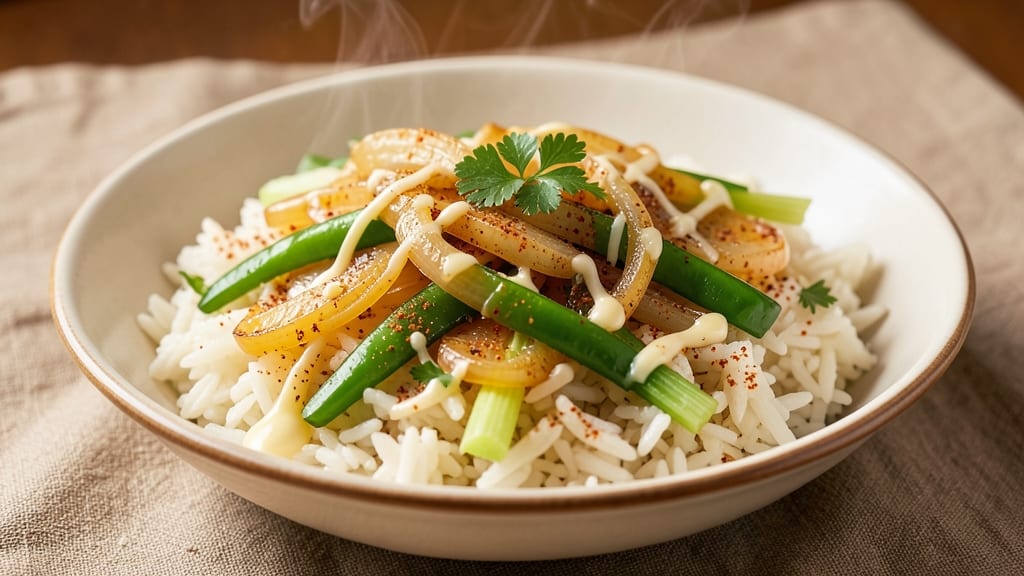
This Cajun white rice recipe transforms simple grains into a fragrant, smoky side dish that steals every plate. The secret lies in slow-cooked celery, onions, and bell peppers that develop deep, caramelized flavors while the rice absorbs the rich Cajun seasoning.
Perfect for serving alongside gumbo, jambalaya, or even as a standalone dish, this recipe delivers restaurant-quality results with minimal effort.
With just 30 minutes of hands-on time and a one-pot approach, you'll achieve fluffy, individual grains crowned with tender, smoky vegetables. The key is patience—letting the vegetables soften and the rice cook low and slow ensures maximum flavor infusion.
This isn't just rice; it's the foundation of a bold, flavorful Cajun meal that will have everyone asking for seconds.
Ingredients for cajun white rice
Transform simple grains into restaurant-worthy Cajun rice with these carefully chosen ingredients.
| Ingredient | Amount | Notes |
|---|---|---|
| Long-Grain White Rice 🍚 | 1 ½ cups | Uncooked, preferably jasmine or basmati |
| Yellow Onions 🧅 | 1 whole | Medium, thinly sliced |
| Green Bell Peppers 🍅 | 1 whole | Medium, diced into small pieces |
| Celery Stalks 🥬 | 3 whole | Fresh, trimmed and chopped |
| Garlic Cloves 🧄 | 4 cloves | Fresh, minced finely |
| Cajun Seasoning 🌶️ | 2 tbsp | High-quality, homemade preferred |
| Smoked Paprika 🌶️ | 1 tsp | For authentic smoky depth |
| Dried Thyme 🌿 | 1 tsp | Or 1 tbsp fresh thyme leaves |
| Unsalted Butter 🧈 | 2 tbsp | For rich, velvety texture |
| Chicken or Vegetable Stock 💧 | 2 cups | Low-sodium preferred |
| Salt 🧂 | ½ tsp | Kosher or sea salt |
| Black Pepper 🌶️ | ¼ tsp | Freshly ground for best flavor |
| Fresh Parsley 🌿 | ¼ cup | Chopped, for garnish |
The foundation starts with long-grain white rice—jasmine or basmati for that signature fluffiness. For the vegetables, fresh celery, onions, and bell peppers are non-negotiable; their slow caramelization creates the dish's signature smoky sweetness. Trader Joe's or local farmers markets are ideal for sourcing these—look for celery with crisp, vibrant stalks and onions with papery skins. The garlic should be plump and firm, not sprouting. For Cajun seasoning, Penzeys or Tony Chachere's deliver the most authentic blend, but a homemade mix of paprika, cayenne, oregano, and thyme works beautifully too. The smoked paprika is what elevates this dish from ordinary to extraordinary—McCormick or Gourmet Madness brands offer excellent quality.
No fresh thyme? Dried thyme works at one-third the amount, but fresh delivers that bright, herby punch. Swap the bell peppers for roasted red peppers if you prefer a sweeter profile, though fresh green peppers hold up better to slow cooking. Running short on stock? Low-sodium bouillon cubes dissolved in water create a quick substitute, though homemade stock always tastes superior. The butter can be swapped for olive oil if you're avoiding dairy, though it'll lose some of that velvety richness. For the Cajun seasoning, if you can't find smoked paprika, a pinch of liquid smoke (just a dash!) mimics the smoky depth. The parsley is purely decorative but adds a fresh finish—fresh cilantro works if you're out, though it has a stronger flavor that some may find overpowering.
This rice reheats beautifully—simply add a splash of water or stock and warm through. For best results, portion into airtight containers and store in the fridge for up to 5 days or freeze for 3 months. The vegetables will continue to soften and deepen in flavor over time, so leftovers often taste even better. To prep ahead, chop all vegetables and store them separately in the fridge for up to 3 days. The Cajun seasoning keeps indefinitely in a cool, dark place, so buy in bulk if you plan to cook Cajun dishes regularly. Garnish with fresh parsley just before serving to maintain its vibrant color.
Why You'll Love This Recipe
- Trinity Hack: I swear by this onion-bell pepper-celery combo—it’s the holy trinity of flavor with zero fuss. Dice them once, sauté together, and you’ve got the base for everything without overcomplicating your day.
- Garlic Confidence: That first sizzle of minced garlic in the pan? Pure magic. It clings to every grain of rice, giving it a depth that’s simple but ridiculously satisfying—no fancy techniques, just raw, honest flavor.
- Meal Prep MVP: Double the batch and store it for days. It reheats like a dream under the broiler (just add a splash of water) and pairs with anything—grilled chicken, blackened fish, even scrambled eggs when I’m lazy.
- Budget Stretch: Long-grain rice is cheap, and the veggies last forever. I’ve made this for tailgates, potlucks, and weeknight dinners without breaking the bank—proof you don’t need expensive ingredients for bold taste.
Step-by-step instructions for Cajun white rice
Master this classic Southern technique for perfectly seasoned, fluffy rice with deep smoky flavor.
Sauté the Celery Crown Vegetables
Heat the 2 tablespoons unsalted butter in a medium saucepan over medium heat. Add the 1 whole yellow onions, 1 whole green bell peppers, and 3 whole celery stalks, all chopped into small, even pieces. Cook for 5-6 minutes until the vegetables soften and begin to release their moisture, but don't let them brown.
Here's the thing—this step builds the foundation for your rice. The vegetables should be tender but still retain some bite, and the butter should coat them evenly. If the pan feels dry, add 1 tablespoon chicken or vegetable stock to deglaze and create a light sauce. This ensures your rice absorbs all those smoky, savory flavors.
Add Aromatics and Seasonings
Stir in the 4 cloves garlic cloves and cook for 30 seconds until fragrant—you'll know it's ready when the kitchen fills with that unmistakable aroma. Add the 2 tablespoons Cajun seasoning, 1 teaspoon smoked paprika, and 1 teaspoon dried thyme, mixing well to distribute the spices evenly.
Real talk: This is where the magic happens. The Cajun seasoning and smoked paprika work together to create that signature depth of flavor. Cook for another 1 minute until the spices are toasted and aromatic. If you notice any bits sticking to the bottom, add another splash of stock to lift them up—you want every grain of rice to be infused with these flavors.
Toast the Rice for Perfect Texture
Add the 1.5 cups long-grain white rice and stir to coat it completely in the vegetable mixture. Cook for 2-3 minutes until the rice turns opaque and the edges begin to look slightly translucent. This process, called "toasting," is crucial—it prevents the rice from becoming mushy and gives it that distinct, slightly nutty flavor.
You'll see the rice grains separate and look dry. Don't skip this step—it's what transforms ordinary rice into restaurant-quality Cajun rice. If you're using jasmine or basmati rice, you'll notice it releases more starch during this phase, which contributes to that signature fluffiness.
Simmer with Stock for Fluffy Perfection
Pour in the 2 cups chicken or vegetable stock, then add the 0.5 teaspoon salt and 0.25 teaspoon black pepper. Stir once more to combine, then bring to a gentle boil. Once boiling, immediately reduce heat to low and cover the pan tightly with a lid. Let it simmer for 15 minutes without disturbing it.
The key here is patience. The rice needs time to absorb all that flavorful liquid while maintaining its shape. After 15 minutes, turn off the heat but leave the rice covered. Let it sit for another 5 minutes—this resting period allows any remaining steam to finish cooking the grains evenly and ensures a perfect, fluffy texture.
Rest and Garnish for Final Presentation
Remove the lid and let the rice sit uncovered for 2-3 minutes to allow any excess moisture to evaporate. Fluff the rice gently with a fork, then stir in the 0.25 cup fresh parsley for a pop of color and freshness. The parsley not only adds visual appeal but also balances the rich, smoky flavors with its bright, herbal notes.
Your Cajun white rice should be light, fluffy, and infused with that signature smoky celery crown flavor. Each grain should be distinct, with just a hint of bite from the vegetables. Serve immediately alongside your favorite Cajun-inspired dishes—this rice is the perfect canvas for soaking up all those bold flavors.
Pro Tips For Making Cajun White Rice
- CHAR THE VEGETABLES: Use a Dutch oven or heavy skillet—these hold heat better and let you sweat the onions, bell peppers, and celery slowly (about 8-10 minutes) until they’re soft and glossy. I learned this the hard way after burning a batch because I rushed the process while multitasking.
- TOAST THE RICE FIRST: Before adding liquid, spread the raw rice in the pot and cook it uncovered on medium heat for 2-3 minutes. This step builds flavor—think nutty, not raw—and prevents that weird starchy texture some recipes get.
- DON’T SKIP THE STOCK: Water’s fine, but Cajun rice demands stock—chicken or veggie—because it carries the depth of flavor from the trinity (onions, peppers, celery) and the spices. Skip it, and you’re left with bland, dry grains.
- SALT THE WATER LIBERALLY: Add at least 1½ teaspoons of salt to the liquid (per 2 cups of rice) and stir it in before bringing it to a boil. This ensures even seasoning—no need to add more later, and the rice won’t taste flat or underseasoned.
Regional styles of cajun white rice
Louisiana Creole Style
The original Cajun white rice hails from Louisiana's Creole kitchens, where it's called "rice pilaf" and often cooked in a cast-iron skillet over open flame. The key difference? Holy Trinity vegetables—onions, celery, and bell peppers—are cooked until deeply caramelized, creating a rich, sweet base.
I add 1 bay leaf and a splash of white wine (about 2 tbsp) to the stock for that classic Creole touch. Serve this version with shrimp Creole or blackened catfish for an authentic New Orleans experience. 🍤
Texas Cajun Twist
Texans take their Cajun rice with bold, smoky heat and often include diced andouille sausage (about ½ cup) cooked with the vegetables. I like using coarse-ground Cajun seasoning (like Tony Chachere's) and adding ½ tsp cayenne pepper for extra kick.
The Texas version also frequently incorporates diced tomatoes (about ½ cup) into the stock for a touch of acidity. This works perfectly with Texas-style BBQ ribs or smoked brisket. 🌶️
Louisiana Country Version
In rural Louisiana, this dish is heartier and often made with brown rice instead of white for extra texture. The vegetables are chopped coarser, and smoked ham hocks (about 1 cup diced) are added to the stock for deep, savory flavor.
I simmer this version for 20 minutes instead of 15 to let the rice fully absorb the rich, meaty broth. This rustic style pairs beautifully with fried catfish or shrimp po' boys. 🐟
Modern Fusion Adaptation
For a contemporary twist, I blend Cajun flavors with Mediterranean influences—adding diced zucchini (about ½ cup) and feta cheese (about ¼ cup) at the end. The zucchini adds freshness, while the feta balances the heat.
I also use lemon zest (about 1 tsp) in the stock for brightness. This fusion version works as a standalone dish or alongside grilled lamb chops or Mediterranean-style seafood platters. 🌿
Smoky Campfire Style
Perfect for outdoor cooking, this version is made directly over charcoal or wood fire in a cast-iron Dutch oven. I add 1 tbsp liquid smoke to the stock and cook the vegetables until charred in spots for extra depth.
The rice is then covered and cooked entirely over the fire, absorbing the smoky flavors. This rustic style is ideal for tailgate parties or campfire feasts—just be sure to monitor the heat carefully to avoid burning. 🔥
Nutrition facts
Frequently asked questions
Can I use instant rice for this Cajun recipe?
While you can use instant rice, it won't give you the same fluffy texture or deep flavor absorption. The toasting step and slow simmer are what create the signature Cajun rice experience. For best results, stick with long-grain white rice like jasmine or basmati. If you're short on time, try parboiled rice as a compromise—it cooks faster while still maintaining better texture.
How do I make this recipe spicier?
Add ¼ teaspoon cayenne pepper or ½ teaspoon hot sauce to the stock before simmering. For extra heat, stir in 1-2 diced jalapeños with the vegetables or sprinkle ½ teaspoon crushed red pepper flakes over the finished rice. Remember, you can always adjust spice levels to taste at the end!
Why did my rice turn out mushy?
Mushy rice usually means one of three things: lifting the lid too soon, not toasting the rice properly, or using too much liquid. Always let the rice simmer undisturbed for the full 15 minutes, then rest covered for 5 minutes. For 1.5 cups uncooked rice, 2 cups stock is the perfect ratio—don't be tempted to add more!
Can I make this in a rice cooker?
Yes! Sauté the vegetables and seasonings as directed, then add the rice and stock to your rice cooker. Use the "white rice" setting and let it cook completely. The texture won't be quite as fluffy, but it'll still be delicious. For extra flavor, add 1 tablespoon butter at the end and stir in fresh parsley.
What's the best way to reheat leftovers?
Sprinkle 1-2 tablespoons water or stock over the rice and cover tightly. Heat on low in a skillet or microwave until warmed through. The key is moisture—this prevents the rice from drying out. For best results, reheat only what you'll eat immediately to maintain that perfect texture.