
Main Courses
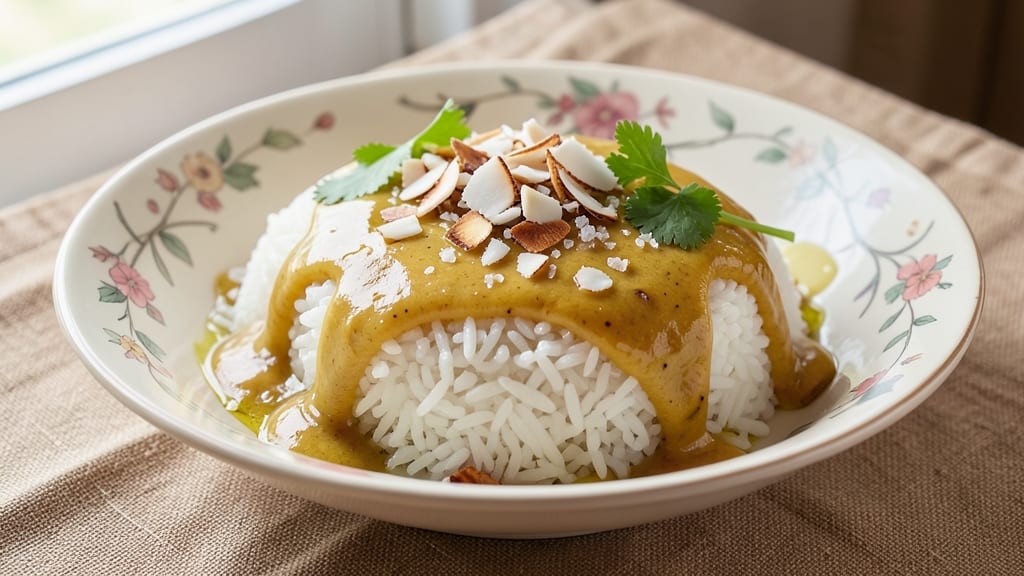
The Burmese rice recipe transforms simple jasmine rice into a fragrant, coconut-kissed centerpiece worthy of any feast. This dish—often called mont di—marries tender rice with aromatic coconut milk, turmeric, and cardamom, creating a dish that’s both comforting and elegant.
The key lies in slow-cooking the rice in coconut milk until it’s creamy yet distinct from each grain, a technique that sets it apart from ordinary steamed rice.
What makes this recipe special is its versatility—serve it as a standalone dish for a light meal or pair it with grilled fish, curries, or stir-fried vegetables for a full Burmese-inspired feast. The coconut milk infuses the rice with a delicate sweetness, while turmeric and cardamom add warmth.
With just a few simple ingredients and 30 minutes of hands-on time, you’ll create a dish that feels luxurious yet effortless.
Ingredients for burmese rice
Simple yet transformative ingredients elevate jasmine rice into Burmese-inspired mont di perfection.
| Ingredient | Amount | Notes |
|---|---|---|
| Jasmine Rice 🍚 | 1 cup | Uncooked, long-grain preferred |
| Full-Fat Coconut Milk 🥥 | 13 ½ oz | Canned, no additives |
| Turmeric Powder 🌿 | ½ tsp | Freshly ground preferred |
| Ground Cardamom 🌿 | ¼ tsp | Whole pods preferred |
| Salt 🧂 | ½ tsp | Diamond Crystal kosher |
| Extra-Virgin Olive Oil 🫒 | 1 tbsp | High quality, fruity |
| Garlic Cloves 🧄 | 2 cloves | Peeled, minced |
| Shallots 🧅 | 1 whole | Peeled, finely chopped |
| Fresh Cilantro 🌿 | ¼ cup | Chopped, for garnish |
| Lemon Juice 🍋 | 1 tbsp | Freshly squeezed |
| Ground Black Pepper 🌶️ | ¼ tsp | Freshly ground |
| Water 💧 | 1 ½ cups | Filtered preferred |
The coconut milk is the heart of this dish—full-fat canned delivers the richest flavor and proper creaminess. Thai Kitchen or Aroy-D brand are reliable choices, but any quality canned coconut milk will work. For best results, use the first can from the back of the pantry where it’s stored coolest. The turmeric and cardamom should be freshly ground if possible, though quality spice blends from Penzeys or Spicewalla work beautifully. Jasmine rice is non-negotiable here—its delicate aroma pairs perfectly with the coconut's sweetness, creating that signature Burmese harmony. Look for rice labeled 'jasmine' or 'fragrant' at specialty grocers or the international aisle of major supermarkets.
No full-fat coconut milk? Light coconut milk plus 1 tbsp coconut cream mimics the texture, though the flavor won't be quite as rich. Fresh turmeric root can be substituted by grating it and using 0.25 tsp of the fresh juice instead of powder. Cardamom pods can be lightly toasted and ground for deeper flavor—3 whole pods yield about 0.25 tsp ground. Shallots can be swapped for red onion if needed, though the flavor will be slightly sharper. The garlic can be pre-minced from a jar in a pinch, but fresh minced gives the best flavor. For a quicker prep, use pre-chopped shallots from the refrigerated section at Whole Foods or Trader Joe's—just be sure to rinse them first to remove excess moisture.
This dish tastes even better the next day as the flavors meld further. Store leftovers in an airtight container in the refrigerator for up to 4 days, or freeze for 3 months in a sealed container. Reheat gently on the stove with a splash of water to restore moisture. For meal prep, cook a double batch—the rice reheats beautifully and makes an excellent lunch the following day. Garnish with fresh cilantro just before serving to preserve its vibrant color and bright flavor. The lemon juice should be added last to maintain its freshness and prevent the rice from becoming soggy.
Why You'll Love This Recipe
- One-Pot Magic: I swear by this recipe when I’m too tired to wash pots. Just simmer jasmine rice with coconut milk, a pinch of turmeric, and cardamom—no separate boiling, no sticky mess. The rice absorbs all that creamy richness right in the pot.
- Golden Creamy Dream: That first bite? Warm, fragrant jasmine rice kissed by coconut milk’s velvety depth, with cardamom’s floral whisper and turmeric’s earthy glow. It’s the kind of dish that makes you pause mid-spoonful, like, “Wait, is this actually mine?”
- Leftover Goldmine: This rice tastes better the next day—honestly. The flavors meld into something even richer, and it reheats in seconds. I keep a batch in the fridge for lazy mornings or quick lunches, no fuss.
- Budget Bright Spot: Full-fat coconut milk might sound fancy, but a can goes a long way here. A tiny pinch of cardamom and turmeric stretches the cost, and jasmine rice is cheaper than you’d think. Feeds four for under $5—no guilt, all flavor.
Step-by-step instructions for Burmese jasmine and coconut rice
This method delivers restaurant-quality Burmese rice with fragrant coconut milk and aromatic spices.
Toast the Spices for Depth of Flavor
Heat the 1 tablespoon extra-virgin olive oil in a medium saucepan over medium-low heat. Add the 2 minced garlic cloves and 1 finely chopped shallot, cooking for 2-3 minutes until the shallots soften and become translucent. This step builds the aromatic foundation.
Next, add the 0.5 teaspoon turmeric powder and 0.25 teaspoon ground cardamom, stirring constantly for 30 seconds until fragrant. The spices should release their essential oils and create a warm, earthy aroma. Remove from heat immediately—you want to toast, not burn, these delicate spices. This brief toasting enhances their flavor without bitterness.
Add Coconut Milk and Bring to a Gentle Simmer
Pour in the 13.5 ounces full-fat coconut milk and stir to combine with the spices. Increase heat to medium and bring the mixture to a gentle simmer, which should take about 3-4 minutes. You'll see small bubbles form at the edges but not a full rolling boil—this preserves the coconut's delicate flavor.
While heating, add the 1 cup jasmine rice and stir gently to coat each grain with the coconut milk mixture. The rice should absorb the liquid gradually, not all at once. This step ensures even cooking and prevents clumping. Let the mixture simmer uncovered for 5 minutes to infuse the rice with coconut aroma.
Add Water and Seasonings for Perfect Texture
Pour in the 1.5 cups water and add the 0.5 teaspoon salt, 0.25 teaspoon ground black pepper, and 1 tablespoon lemon juice. Stir gently once more to distribute everything evenly. The lemon juice brightens the dish while preventing the coconut from becoming overly rich.
Bring the mixture back to a gentle simmer (small bubbles at the edges) and then immediately reduce heat to low. Cover tightly with a lid and cook for 15 minutes without disturbing. The rice needs undisturbed time to absorb the liquid and develop its signature fluffy texture. Avoid peeking—each time you lift the lid, you release steam and risk uneven cooking.
Steam and Rest for Maximum Fluffiness
After 15 minutes, turn off the heat and let the rice steam covered for an additional 10 minutes. This resting period allows the residual heat to finish cooking the rice evenly and ensures the grains remain separate and fluffy. The texture should be light, with each grain distinct and tender.
Once rested, gently fluff the rice with a fork, being careful not to mash the grains. The rice should be moist but not sticky, with a delicate balance of coconut creaminess and subtle spice notes. If it's too moist, tent with foil for another 5 minutes to evaporate excess steam.
Garnish and Serve Immediately
Transfer the rice to a serving dish and sprinkle with the 0.25 cup chopped fresh cilantro. The bright green garnish adds visual contrast and a fresh herbal note that balances the rich coconut and spices. Serve warm, ideally within 20 minutes of cooking, to enjoy the rice at its peak texture and temperature.
This Burmese rice pairs beautifully with grilled meats, curries, or as a standalone dish. The coconut milk creates a luxurious mouthfeel, while the spices add warmth and complexity. Each bite should deliver a harmonious blend of fragrant jasmine and aromatic coconut, with a subtle citrus brightness from the lemon juice.
Pro Tips For Making Burmese Rice
- Simmer Low and Slow: After burning the bottom of my pot twice, I learned to keep the heat at a gentle simmer—just enough to see tiny bubbles break the surface. This lets the coconut milk and rice marry without turning into glue, and the cardamom’s aroma stays bright instead of bitter.
- Toast the Spices First: Dry-toast the turmeric and cardamom in the pot for 30 seconds before adding liquid. My grandmother swore by this, and it works: the spices release their oils first, giving the rice that warm, earthy depth right from the start.
- Rinse Rice Until Clear: Skip the lazy rinse, and you’ll end up with gummy rice. Swirl the jasmine rice in cold water until the water runs crystal clear—no starch left behind. Trust me, your future self will notice the difference when the grains stay separate and fluffy.
- Use Coconut Milk at Room Temp: Cold coconut milk takes forever to warm through and can make the rice uneven. Let the can sit out for 10 minutes before measuring—it blends smoother and heats up faster, so the rice absorbs the creaminess evenly. (Yes, even if you’re impatient like me.)
Dietary considerations for these flavors
Gluten-Free Adaptation
This recipe is naturally gluten-free since it relies on rice, coconut milk, and fresh ingredients. Always check your coconut milk brand for hidden gluten additives—Thai Kitchen and Aroy-D are certified gluten-free.
For extra caution, use a dedicated toasting pan if sharing kitchen space with gluten-containing foods. The texture remains perfectly fluffy and moist, just like the original. 🌱
Nut-Free Considerations
While this dish doesn’t contain nuts, coconut milk is derived from coconuts—not tree nuts—so it’s safe for most nut-free diets. If you’re avoiding coconut entirely, substitute 1 cup light coconut milk with 1 cup whole milk or unsweetened almond milk (ensure almond-free if needed).
The flavor will be milder but still delicious. Always verify labels on spices like cardamom, as some blends contain fillers.
Vegetarian and Vegan Options
This recipe is already vegetarian and vegan-friendly—no animal products are used. For added protein, serve with tofu stir-fry or chickpea curry. Garnish with crispy fried shallots for texture without compromising the dish’s integrity. The coconut milk provides natural richness, making it satisfying even as a standalone meal. 🥗
Dairy-Free and Allergen-Free
The only potential allergen is coconut, but as mentioned, it’s not a tree nut. For severe coconut allergies, replace the coconut milk with 1 cup vegetable broth plus 1 tbsp olive oil—the rice will still be flavorful, though less creamy.
Double-check turmeric and cardamom for cross-contamination warnings if allergies are severe. This makes the dish safe for most dairy-free and allergen-conscious diets. ✨
Low-Calorie Version
To reduce calories, use light coconut milk (13.5 oz) and cut the olive oil to ½ tablespoon. Replace ½ cup water with ½ cup unsweetened almond milk for extra flavor without many calories.
The rice will still be fragrant but slightly lighter. Garnish with extra lemon juice (1 extra tbsp) to enhance freshness without added calories. Total calories drop by about 150 per serving.
Nutrition facts
Frequently asked questions
What makes Burmese rice different from regular jasmine rice?
Burmese rice gets its unique character from slow-cooking in coconut milk with aromatic spices like turmeric and cardamom. This creates a creamy, fragrant texture with subtle warmth—unlike plain steamed jasmine rice, which has a neutral flavor. The coconut milk also adds natural sweetness that balances the spices beautifully.
Can I use basmati rice instead of jasmine?
While you can substitute basmati, jasmine rice is ideal because its naturally fragrant aroma pairs perfectly with coconut milk. Basmati has a firmer texture and less scent, which may make the dish taste slightly different. If using basmati, increase the coconut milk by 1 tablespoon to compensate for its drier nature.
Why does the recipe call for a gentle simmer instead of boiling?
A gentle simmer preserves the coconut milk's delicate flavor and prevents the rice from becoming mushy. Boiling would break down the coconut's natural fats, making the rice taste overly rich. The small bubbles at the edges ensure even cooking while keeping the texture light and fluffy—just like authentic Burmese preparations.
What’s the best way to store leftover Burmese rice?
Store leftovers in an airtight container in the refrigerator for up to 4 days, or freeze for 3 months. To reheat, add 1 tablespoon water per cup of rice and cover with a damp paper towel. Microwave for 1-2 minutes until warmed through—this restores moisture without making it soggy.
Can I make this rice in a rice cooker?
Yes! Use the same ingredients, but cook on the "white rice" setting. After the initial cooking cycle, let it steam for an extra 10 minutes on "keep warm." The rice cooker may require slightly more water (1.75 cups instead of 1.5) to account for the different heat distribution. Stir in the lemon juice and cilantro after cooking.