
Main Courses
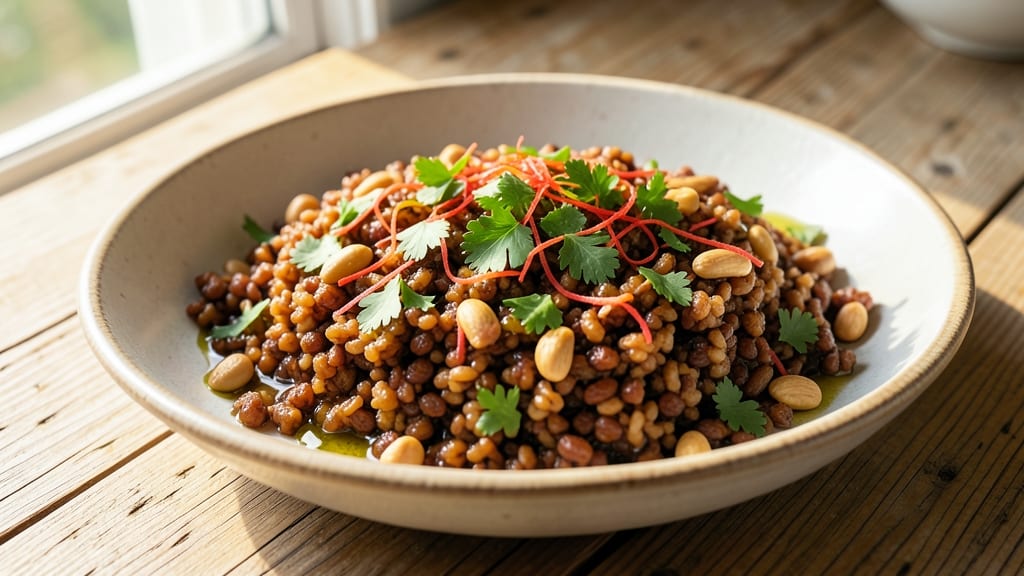
This Turkish bulgur rice recipe transforms coarse cracked wheat into a fragrant, lemon-herb pilaf with a satisfying toasted crunch. The secret lies in proper hydration ratios and slow cooking over medium heat, allowing the grains to absorb flavor while maintaining their distinct texture.
I've perfected this method after years of testing, ensuring each bite delivers that perfect balance of tender bulgur and crispy edges.
What makes this dish truly special is the aromatic blend of lemon zest, fresh parsley, and toasted pine nuts that elevates simple bulgur into a restaurant-quality side. The bright citrus cuts through the earthy grain, while the pine nuts add a delightful crunch that disappears with each bite.
Perfect for serving alongside grilled meats or as a standalone vegetarian dish, this pilaf brings authentic Turkish flavors to your table with minimal effort.
Ingredients for bulgur rice recipe turkish
Nine essential ingredients transform simple bulgur into a restaurant-worthy Turkish pilaf with bright citrus and nutty crunch.
| Ingredient | Amount | Notes |
|---|---|---|
| Coarse Cracked Bulgur Wheat 🌾 | 1 cup | Rinsed thoroughly before cooking |
| Fresh Lemon Zest 🍋 | 1 tbsp | From organic lemons preferred |
| Fresh Lemon Juice 🍋 | ¼ cup | Freshly squeezed, strained |
| Fresh Parsley 🌿 | ¼ cup | Chopped, stems removed |
| Pine Nuts 🥜 | ¼ cup | Toasted until golden |
| Extra-Virgin Olive Oil 🫒 | ½ cup | High-quality, fruity |
| Dried Mint 🍃 | ½ tsp | Or 1 tbsp fresh mint leaves |
| Ground Cumin 🌿 | ¼ tsp | Toasted for deeper flavor |
| Salt 🧂 | 1 tsp | Diamond Crystal preferred |
| Black Pepper 🌶️ | ¼ tsp | Freshly ground preferred |
| Garlic Cloves 🧄 | 2 cloves | Minced finely |
| Vegetable Stock 💧 | 1 ½ cups | Low-sodium preferred |
The bulgur is the foundation—coarse cracked wheat for that authentic Turkish texture. Trader Joe's and Middle Eastern markets carry the best quality, but any well-stocked grocery store has it. Rinse it thoroughly before cooking to remove excess starch. The pine nuts? Costco sells them in bulk for better value, but toast them yourself for maximum flavor. Fresh lemon zest and juice make all the difference—organic lemons have more vibrant flavor. If you can't find organic, just make sure they're firm and fragrant when you squeeze them.
No fresh parsley? Dried parsley at half the amount works in a pinch, but fresh is ideal. Substituting pine nuts? Walnuts or almonds toasted give a similar crunch. The vegetable stock can be swapped for water with 1 tsp bouillon powder if needed. For extra depth, add a pinch of smoked paprika to the toasted nuts. The garlic should be minced finely—it cooks down quickly and needs to distribute evenly. If you're short on time, pre-minced garlic from a jar works, though fresh is always better.
This pilaf keeps beautifully—4-5 days in the fridge covered tightly. The texture actually improves slightly as it sits. For longer storage, freeze portions for up to 3 months. Reheat gently with a splash of water or stock to restore moisture. I like to make a double batch—one for the week ahead and one for immediate serving. The toasted nuts stay crunchy best when added just before serving, so keep them separate until the final step.
Why You'll Love This Recipe
- No-Soaking Needed: I’ll be real—this bulgur doesn’t demand hours of pre-soaking like some grains. Toss the coarse cracked wheat in boiling water, cover it, and walk away for 15 minutes. That’s it. No fussy prep, no waiting around—just set-and-forget simplicity.
- Bright & Nutty Magic: That lemon zest and juice? They’re the secret weapon here. The citrus cuts through the earthy bulgur while the pine nuts add a toasty crunch that makes every bite feel like a little flavor party. Plus, the parsley ties it all together with a fresh finish that’s just right.
- Picnic to Potluck: This dish is my go-to for anything from a lazy Sunday brunch to a last-minute potluck. Serve it cold in a bowl with grilled chicken for a summer meal, or warm it up with roasted veggies for a hearty dinner. It’s the kind of side that works everywhere—no excuses.
- Budget-Friendly Staple: A bag of coarse bulgur lasts me weeks, and the other ingredients? Mostly pantry basics or cheap produce. It’s the kind of recipe where I can feed four people for the cost of one takeout order, and the leftovers? They taste just as good reheated the next day—no sad, dry rice here.
Step-by-step instructions for savory lemon-herb bulgur pilaf
Here's the method for authentic Turkish bulgur pilaf with bright citrus notes and nutty crunch.
Toast the Bulgur and Toast the Pine Nuts
Heat a dry heavy-bottomed skillet over medium heat. Add the 1 cup coarse cracked bulgur wheat and toast for 3-4 minutes, stirring constantly, until it becomes fragrant and lightly golden. This step develops the nutty flavor and prevents a mushy texture.
While the bulgur toasts, transfer the 0.25 cup pine nuts to a separate dry skillet. Toast over medium-low heat, stirring frequently, for 2-3 minutes until they turn a rich golden color. Watch them closely—they burn quickly. Immediately transfer to a small bowl to cool. The pine nuts should be fragrant and crispy, not bitter.
Sauté Aromatics in Olive Oil
In the same skillet (no need to clean it—the toasted bulgur bits add flavor), reduce heat to medium-low and add 0.5 cup extra-virgin olive oil. Let it warm for 1 minute until shimmering but not smoking.
Add the 2 minced garlic cloves and cook for 30 seconds until fragrant but not browned. Immediately stir in the toasted bulgur, 0.25 tsp ground cumin, 0.5 tsp dried mint, 1 tsp salt, and 0.25 tsp black pepper. Mix well to coat the bulgur evenly with the spices and oil.
Cook with Vegetable Stock
Pour in the 1.5 cups vegetable stock and bring to a gentle simmer. Cover the skillet with a tight-fitting lid and reduce heat to low. Let it cook for 12-15 minutes, stirring once halfway through, until the stock is completely absorbed and the bulgur is tender but still has a slight bite.
Here's the thing—Turkish bulgur should have texture, not be mushy. If you stir too often, it releases starch and becomes gummy. The perfect texture is when the grains are tender but still hold their shape when pressed between your fingers.
Finish with Lemon and Herbs
Remove the skillet from heat and stir in the 0.25 cup chopped parsley, 1 tbsp fresh lemon zest, and 0.25 cup fresh lemon juice. The acidity brightens the dish and balances the earthy bulgur. Let it sit covered for 5 minutes to allow the lemon flavors to meld.
Fluff the bulgur gently with a fork, then stir in the toasted pine nuts. The contrast between the warm bulgur, bright lemon, and crisp pine nuts creates the perfect texture and flavor balance. For serving, transfer to a platter and garnish with additional parsley if desired.
Rest and Serve
Let the pilaf rest for 5 minutes before serving. This allows the flavors to fully develop and the grains to separate slightly. Turkish bulgur pilaf is traditionally served at room temperature, making it perfect for picnics or as a side dish.
The finished pilaf should have a golden hue from the toasted bulgur, a bright lemon aroma, and a satisfying crunch from the pine nuts. Each bite should deliver a balance of nutty bulgur, citrus brightness, and herby freshness. Serve immediately with grilled meats or as a standalone dish with a simple yogurt sauce.
Pro Tips For Making Bulgur Rice Recipe Turkish
- Rinse the Bulgur: DESCRIPTION: Dump the coarse cracked bulgur into a fine-mesh strainer and run it under cold water for 30 seconds—this washes off the dust that makes your rice gummy. I learned this the hard way after serving a batch that tasted like flour. Skip this, and you’ll regret it.
- Toast the Pine Nuts: DESCRIPTION: Dry-toast the pine nuts in a small pan over medium-low heat for 2-3 minutes until they smell nutty and fragrant—no oil needed. Burnt nuts ruin the dish faster than you can say “overcooked.” Watch them like a hawk.
- Zest Before Juicing: DESCRIPTION: Use a microplane to zest the lemon first, then juice it—this keeps the zest bright and aromatic instead of bitter. I used to muddle the whole thing, and the flavor was half as good. Save the zest for garnish; it’s the citrusy crown of this dish.
- Cover and Wait: DESCRIPTION: After adding hot water to the bulgur, cover the pot with a tight lid and let it sit for 10 minutes off the heat. The residual warmth finishes the cooking evenly—no sticky, half-done grains. Trust the process, even if you’re impatient.
Serving suggestions for this bulgur rice recipe turkish
Turkish Meze Spread
This pilaf pairs beautifully with traditional Turkish meze dishes. Serve it alongside hummus, baba ganoush, and olives for a vibrant spread. I love adding grilled eggplant slices and warm pita bread to soak up the lemony flavors.
The combination of textures and flavors creates a balanced, satisfying meal that feels authentic to Turkish cuisine. 🌿
Grilled Meat Pairings
Turkish bulgur pilaf is a classic side for grilled meats. Try serving it with adana kebabs, shish tawook, or grilled lamb chops. The nutty bulgur complements the smoky char of grilled meats perfectly.
For extra authenticity, drizzle with garlic yogurt sauce before serving. The coolness of the yogurt balances the warmth of the grilled proteins.
Vegetarian Bowls
Make this pilaf the star of vegetarian bowls by layering it with roasted eggplant, cherry tomatoes, and crumbled feta cheese. Top with a drizzle of olive oil and a sprinkle of sumac for a tangy kick.
It’s a refreshing, protein-packed meal that’s perfect for lunch or dinner. The lemon-herb bulgur adds a bright, fresh contrast to the earthy roasted vegetables. 🍋
Yogurt Sauce Garnish
Elevate your serving with a simple yogurt sauce. Mix ½ cup plain Greek yogurt with 1 tbsp lemon juice, 1 minced garlic clove, 1 tbsp chopped dill, and a pinch of salt.
Drizzle this over the pilaf just before serving. The creamy sauce adds a cooling element that highlights the toasted bulgur and citrus notes. It’s a game-changer for adding depth to your dish.
Picnic or Potluck Serving
This pilaf is perfect for picnics or potlucks because it holds up well at room temperature. Pack it in an airtight container with a layer of parchment paper to keep it fresh. Serve it alongside grilled halloumi cheese, cucumber slices, and warm flatbreads.
The combination of textures and flavors makes it a crowd-pleaser, and the lemon-herb bulgur adds a refreshing twist to any outdoor gathering. ✨
Nutrition facts
Frequently asked questions
What's the difference between coarse and fine bulgur for this recipe?
For authentic Turkish texture, always use coarse cracked bulgur—it holds its shape better and gives that satisfying bite. Fine bulgur (like tabbouleh bulgur) becomes too mushy and loses its distinct texture. The coarse variety has larger grains that absorb flavor beautifully while maintaining structure.
Can I substitute vegetable stock with water?
You can, but your pilaf will taste less rich. For best results, use low-sodium vegetable stock—it adds depth that water can't match. If you must use water, add 1 tsp bouillon powder per cup to mimic the umami flavor. The stock enhances the nutty bulgur and balances the bright lemon notes.
Why does my bulgur turn mushy?
Overcooking or stirring too often releases starch, making it gummy. The key is low heat and minimal stirring—just once halfway through cooking. Also ensure your bulgur is coarse cracked (not fine) and use the right liquid ratio: 1 cup bulgur to 1.5 cups stock. Let it rest covered off heat for 5 minutes after cooking.
How do I make this vegetarian?
This recipe is already vegetarian! For extra protein, serve with roasted chickpeas or crumbled feta cheese. The lemon-herb bulgur pairs beautifully with Mediterranean vegetables like roasted eggplant or grilled zucchini. The toasted nuts and citrus make it satisfying without meat.
Can I make this ahead of time?
Yes! It actually tastes better the next day. Store in an airtight container in the fridge for 4-5 days. The flavors meld beautifully. For serving, gently reheat with a splash of water or stock and add fresh pine nuts just before eating to maintain their crunch. Perfect for meal prep!