
Main Courses
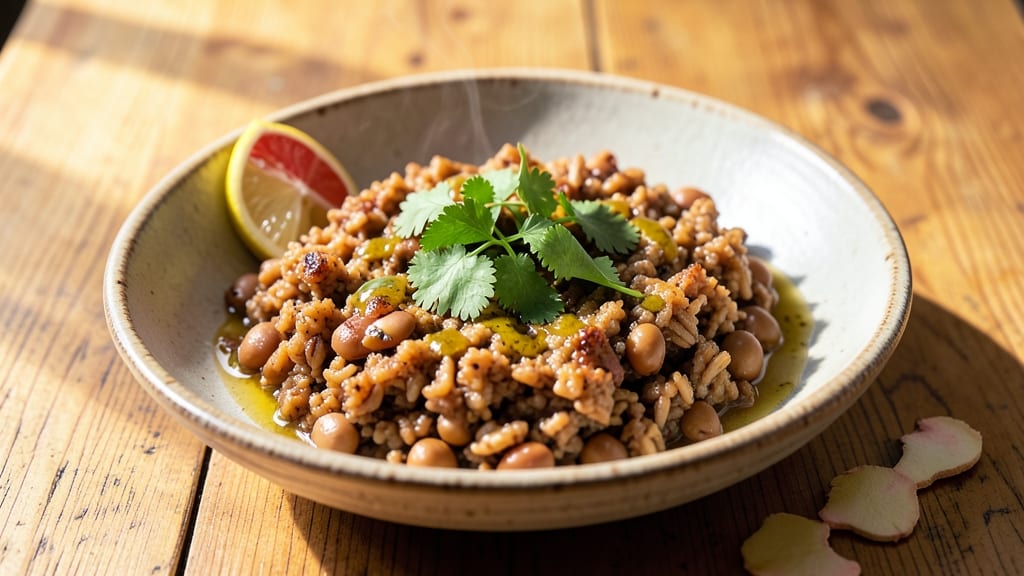
This brown rice khichdi recipe delivers the ultimate one-pot comfort dish, where fragrant cumin and earthy turmeric transform simple ingredients into a hearty, nourishing meal. The secret lies in slow-cooking brown rice with split mung beans until tender and infused with warm spices—a technique that builds flavor as it simmers.
Whether you're feeding a family or meal prepping for the week, this dish is both satisfying and adaptable to dietary needs.
The beauty of khichdi is its simplicity: no fancy techniques required, just a pot, a few whole spices, and patience. The brown rice adds nutty depth and fiber, while the lentils provide protein, creating a balanced meal that's gentle on digestion.
Garnish with fresh cilantro and a squeeze of lemon for brightness, and you've got a dish that's as comforting as it is nutritious. Ready in about an hour, this recipe proves homemade meals can be both effortless and extraordinary.
Ingredients for brown rice khichdi
Simple grains, warm spices, and a pot of patience create this comforting vegetarian dish.
| Ingredient | Amount | Notes |
|---|---|---|
| Brown Rice 🌾 | 1 cup | Uncooked, long-grain preferred |
| Split Mung Beans 🌱 | ½ cup | Rinsed before cooking |
| Fresh Cilantro 🌿 | ¼ cup | Chopped, for garnish |
| Fresh Lemon Juice 🍋 | 1 tbsp | Freshly squeezed |
| Fresh Ginger 🧅 | 1 tbsp | Finely grated, peeled |
| Ghee or Vegetable Oil 🫒 | 2 tbsp | For tempering spices |
| Whole Cumin Seeds 🌶️ | 1 tbsp | Toasted until fragrant |
| Ground Turmeric 🌿 | ½ tsp | Freshly ground preferred |
| Ground Coriander 🌿 | ½ tsp | For earthy depth |
| Bay Leaf 🌿 | 1 whole | For aromatic base |
| Salt 🧂 | ½ tsp | Adjust to taste |
| Water 💧 | 4 cups | For cooking rice and beans |
The brown rice and split mung beans are the heart of this dish—look for whole, unbroken mung beans at Indian grocery stores or bulk sections. Patel Brothers or Spicewalla often carry high-quality split mung beans if you're near an urban area. Fresh ginger and cilantro elevate the dish, so buy organic if possible—they make all the difference. The ghee adds richness, but vegetable oil works just as well if you're watching dairy. Toast your whole cumin seeds in a dry pan until fragrant—this step unlocks their full flavor.
No fresh ginger? Substitute 0.5 teaspoon ground ginger, but it won't have the same zing. Running low on cilantro? Fresh parsley works in a pinch, though it changes the flavor profile slightly. The bay leaf is non-negotiable—it's the aromatic backbone of khichdi. For extra depth, add a pinch of asafoetida (hing) when tempering the spices. If you're using pre-ground spices, toast them lightly in a dry pan first to revive their flavors. The water ratio is flexible—add more if your rice needs it, but keep it at a 2:1 ratio (water to grains).
This dish tastes even better the next day as flavors meld. Store leftovers in an airtight container for up to 4 days in the fridge. For meal prep, portion into containers—freezes beautifully for 3 months. Reheat gently on the stove with a splash of water to restore moisture. Garnish with extra cilantro and lemon juice right before serving to keep it vibrant. The khichdi keeps well, so make a big batch—it's perfect for lunches all week.
Why You'll Love This Recipe
- No-Fuss Staple: I swear by this for lazy days—just brown rice, split mung beans, and water. Honestly, the hardest part is waiting for the rice to soak if you're in a rush.
- Zesty Brightness: That squeeze of fresh lemon juice and bright cilantro? It cuts through the earthiness of brown rice like a breath of fresh air. The ginger adds warmth without overpowering.
- Meal Prep Hero: Between us, this keeps perfectly for days. I double the batch on Sundays—some for lunch, some for dinner—and reheat it with a splash of water. Zero waste, all satisfaction.
- Budget Win: Split mung beans and brown rice are pantry staples that won’t break the bank. I’ll be real: this feeds four for under $3, and the leftovers? Even better the next day.
Step-by-step instructions for brown rice khichdi
This traditional one-pot dish delivers comforting flavors with minimal effort.
Prepare the Rice and Beans
Rinse the 1 cup brown rice and 0.5 cup split mung beans separately under cold water until the water runs clear. This removes excess starch that can make the khichdi gummy. I like to soak both for 15 minutes to speed up cooking, though it's not strictly necessary.
In a medium pot, combine the rinsed brown rice, split mung beans, 1 whole bay leaf, 0.5 tsp ground turmeric, and 0.5 tsp ground coriander. Add the 4 cups water and bring to a boil over medium-high heat. Once boiling, reduce heat to medium-low, cover with a tight-fitting lid, and let simmer for 15 minutes without disturbing. The rice should be about 75% cooked by this point.
Temper the Spices
While the rice and beans cook, heat 2 tbsp ghee or vegetable oil in a small saucepan over medium heat. Add the 1 tbsp whole cumin seeds and let them sizzle for 30-45 seconds until they turn golden brown and release their aroma. This is the key flavor foundation for your khichdi.
Immediately pour the tempered spices over the simmering rice mixture. Stir gently once to distribute the spices evenly, then return to a simmer. The spices will infuse the grains with their nutty aroma while the rice finishes cooking. Keep the lid slightly ajar to allow any excess steam to escape.
Finish Cooking and Season
Continue cooking for another 10-12 minutes until the rice and beans are tender and the liquid has mostly absorbed. You'll know it's ready when the grains are fluffy and the mixture has a thick, porridge-like consistency. If it's still too wet, uncover and cook for 2-3 more minutes.
Once cooked, stir in the 1 tbsp finely grated fresh ginger and 0.5 tsp salt. Taste and adjust the seasoning - you may need a bit more salt depending on your preference. The khichdi should have a mild, earthy flavor with a subtle spice warmth from the cumin and turmeric.
Garnish and Serve
Transfer the khichdi to serving bowls and let it sit for 2-3 minutes to settle. Garnish each serving with 1 tablespoon of the chopped fresh cilantro and a drizzle of the 1 tbsp fresh lemon juice. The lemon brightens the earthy flavors and cuts through any richness from the ghee.
Serve immediately while warm. This comforting dish pairs perfectly with yogurt or a side of pickled vegetables. The texture should be creamy yet slightly firm, with each bite offering a balance of nutty rice, tender beans, and aromatic spices.
Pro Tips For Making Brown Rice Khichdi
- Soak the Beans First: Split mung beans cook faster and more evenly when soaked for 15-20 minutes before adding to the pot. I learned this the hard way—skipping it leaves you with grainy, undercooked bits that ruin the texture. Rinse them well first to remove any dust or debris.
- Toast the Rice Separately: Lightly toast the brown rice in a dry pan for 2-3 minutes before adding it to the khichdi—this deepens its nutty flavor and prevents it from turning mushy. After burning three batches where the rice stayed raw, I now toast it first, even if it’s just for a minute.
- Simmer Low and Slow: Once the khichdi starts boiling, drop the heat to a gentle simmer and cover the pot. I used to rush it, and the rice would either stick or stay hard. A low flame keeps the grains intact and lets the flavors meld properly—about 15-20 minutes after boiling.
- Finish with Lemon and Ginger: Stir in fresh lemon juice and grated ginger at the very end—this brightens the dish and cuts through the earthiness of the brown rice. I was skeptical at first, but now I add it even if I’m not feeling fancy; it makes a real difference in the final bite.
Troubleshooting your brown rice khichdi
Mushy Rice Fix
If your khichdi turns out mushy instead of fluffy, it’s likely from overcooking or too much water. I’ve found that 15 minutes of initial simmering followed by 10-12 minutes more with the spices is ideal.
For future attempts, use a 2:1 water-to-rice ratio and reduce heat to medium-low once boiling. If it’s still too wet, uncover the pot and cook uncovered for 2-3 minutes to evaporate excess moisture. 💡
Undercooked Grains
Brown rice and split mung beans need patience—don’t rush the cooking! If yours are still firm after 25 minutes total, increase the simmer time by 5-10 minutes or add ¼ cup more water and cook uncovered until tender.
For faster results, use a pressure cooker—set it to high pressure for 5 minutes after adding water and spices. Just be careful not to overpressure, or the rice may turn mushy.
Spices Not Infusing
The tempering step is crucial for flavor, so don’t skip it! If your spices aren’t releasing their aroma, they might be old or toasted too quickly. Always use whole cumin seeds and toast them over medium heat for 30-45 seconds until they sizzle and turn golden.
For extra depth, add a pinch of asafoetida (hing) to the tempering oil—it dissolves instantly and adds umami. Stir the tempered spices into the khichdi immediately after pouring to lock in the flavors.
Grain Separation
If your khichdi separates into distinct rice and bean layers, it’s likely due to uneven cooking or stirring too much. To prevent this, stir only once after adding the tempered spices, then let it simmer undisturbed.
For a creamier texture, mash a few grains gently with a spoon or use a hand mixer on low for 10 seconds after cooking. If separation happens, simply stir vigorously while reheating to redistribute the grains evenly.
Burnt Spices
Burnt spices ruin the dish’s delicate balance of flavors. To avoid this, keep the heat at medium when tempering and watch the cumin seeds closely—they should sizzle but not darken. If they do burn, strain them out and start over with fresh seeds.
For a smoother finish, toast the spices in a dry pan for 30 seconds before adding oil, then pour the oil over them to temper. This method reduces the risk of burning while enhancing flavor. 🔥
Lack of Aroma
A bland khichdi usually means under-tempered spices or insufficient simmering time. Boost the aroma by adding ½ tsp black peppercorns to the tempering oil alongside the cumin. Let the khichdi simmer uncovered for the last 5 minutes** of cooking to allow excess moisture to evaporate and intensify the flavors.
Freshly ground spices also make a difference—if using pre-ground, toast them lightly in a dry pan before adding to the dish.
Nutrition facts
Frequently asked questions
Can I use white rice instead of brown rice for khichdi?
While you can substitute white rice, it won't have the same nutty flavor or nutritional benefits. Brown rice takes longer to cook—about 15-20 minutes more than white rice—but the extra time builds deeper flavor. If you're short on time, use a 1:1.5 water-to-rice ratio and cook uncovered for the last 5 minutes to prevent mushiness.
How do I make khichdi with fewer calories?
Skip the ghee and use 1 teaspoon of olive oil for tempering instead. Reduce the water to 3 cups for a firmer texture, and add ½ cup chopped spinach or peas for extra nutrients. The dish will still be satisfying but with about 150 fewer calories per serving. Garnish with lemon instead of yogurt to keep it light.
Can I make khichdi in an Instant Pot?
Rinse the rice and beans, then add them to the Instant Pot with 3 cups water, bay leaf, turmeric, and coriander. Seal and cook on high pressure for 5 minutes. Quick-release the pressure, then temper the spices as directed. The Instant Pot cuts cooking time to about 20 minutes total, but check for doneness—brown rice may need 2-3 extra minutes.
Why does my khichdi taste bland?
Bland khichdi usually means under-seasoned spices or insufficient simmering. Boost flavor by adding ½ teaspoon black pepper to the tempering oil alongside cumin. Let the khichdi simmer uncovered for the last 5 minutes to evaporate excess moisture and concentrate flavors. For extra depth, stir in 1 teaspoon grated ginger and a pinch of asafoetida (hing) when tempering.
How can I make khichdi kid-friendly?
Mash the cooked khichdi slightly with a fork for a smoother texture, and reduce the spice level by omitting the tempering step—just add ½ teaspoon mild powdered spice mix (like garam masala) at the end. Serve with a side of yogurt or mild tomato sauce for dipping. Kids often love the mild, creamy consistency of khichdi when made this way.