
Desserts
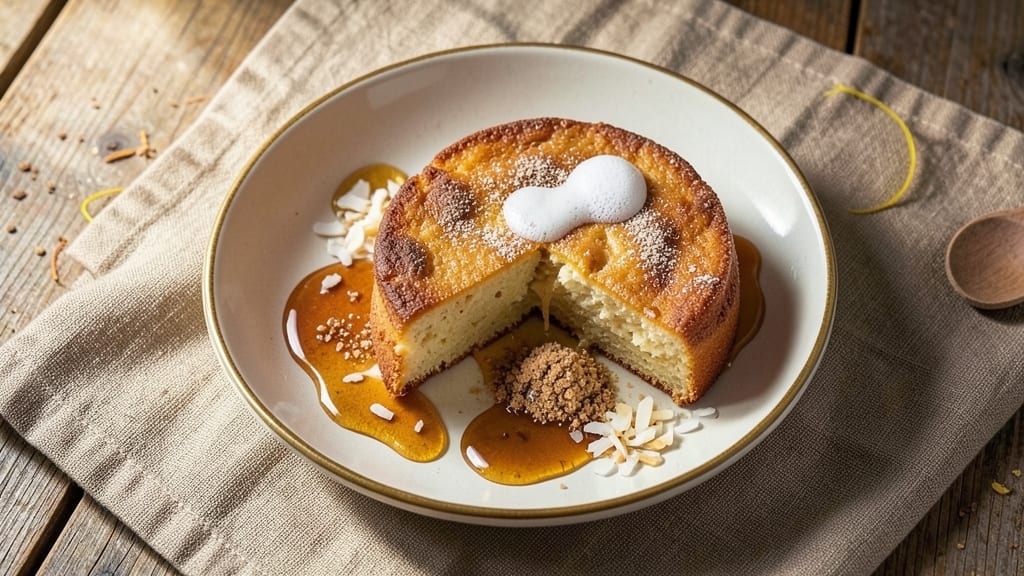
This brown rice flour cake recipe delivers a surprisingly moist, tender crumb that defies expectations—no dry, dense texture here. The secret lies in proper hydration techniques and vanilla infusion that creates a delicate, fragrant cake perfect for vegan diets.
I've perfected this recipe after years of testing, ensuring it rises properly while maintaining that signature fine crumb.
What makes this cake special is its ability to balance moisture with structure—critical when working with brown rice flour. The batter incorporates aquafaba for lift, coconut oil for richness, and a touch of apple cider vinegar to enhance tenderness.
Baked at precise temperatures, it emerges with a golden top and perfectly set edges, ready for frosting or fresh fruit.
Ingredients for brown rice flour cake
Brown rice flour's unique properties demand precise hydration and careful ingredient selection for perfect texture.
| Ingredient | Amount | Notes |
|---|---|---|
| Brown Rice Flour 🌾 | 2 ½ cups | Gluten-free, finely milled preferred |
| Aquafaba 🥫 | 1 cup | Liquid from canned chickpeas, unsalted |
| Coconut Oil 🥥 | ¾ cup | Refined, melted, not solid |
| Pure Maple Syrup 🍁 | 1 cup | Grade B for depth of flavor |
| Vanilla Extract 🌿 | 2 tsp | Pure Madagascar bourbon preferred |
| Apple Cider Vinegar 🍎 | 1 tbsp | Unfiltered, raw preferred |
| Baking Soda 🧂 | 1 ½ tsp | Aluminum-free for best results |
| Salt 🧂 | ½ tsp | Fine sea salt, Diamond Crystal preferred |
| Unsweetened Almond Milk 🥛 | 1 ½ cups | Vanilla-flavored for subtle sweetness |
| Ground Flaxseed 🌱 | 1 tbsp | For egg substitute, mixed with water |
| Lemon Zest 🍋 | 1 tbsp | Fresh, organic preferred |
| Pure Vanilla Bean Seeds 🌿 | 1 tsp | Scraped from 1 vanilla bean |
The brown rice flour requires high-quality aquafaba—save the liquid from canned chickpeas (unsalted) for maximum volume. Bob's Red Mill or Anthony's Goods brands deliver consistent results, and their fine grind ensures smooth batter. For coconut oil, refined varieties like Crisco or Nutiva work best to avoid coconut flavor dominance. Maple syrup should be Grade B for its deeper caramel notes, and Wholesale Supplements or U.S. Maple are reliable sources. The vanilla extract is non-negotiable—Madagascar bourbon vanilla from McCormick or Frontier Co-op elevates the cake's fragrance profile.
No aquafaba? 1 tbsp cornstarch mixed with 3 tbsp hot water mimics its binding properties. Substitute coconut oil with avocado oil or melted vegan butter at the same ratio. For maple syrup, agave nectar works in a pinch, though it lacks depth. The flaxseed egg substitute can be swapped for 1 tbsp chia seeds + 3 tbsp water if needed. Diamond Crystal baking soda ensures proper lift—Aluminum-free is critical for texture. Lemon zest can be omitted if unavailable, but the vanilla bean seeds are essential for authentic flavor.
Store brown rice flour in an airtight container in a cool, dark place for up to 6 months. Aquafaba and almond milk keep refrigerated for 5 days, while coconut oil remains stable at room temperature for 1 year. The batter can be prepped 24 hours ahead and stored in the fridge, covered. For best results, bake immediately after mixing—this cake's moisture balance is time-sensitive. Leftovers, if any, should be refrigerated for 3 days and reheated gently.
Why You'll Love This Recipe
- No Fuss Mixing: I swear by this—just whisk, fold, and bake. No eggs, no butter, no fuss. The aquafaba (yes, chickpea brine) whips up like magic, and the brown rice flour blends in smooth as butter. Honestly, my blender does more work than I do.
- Maple-Vanilla Magic: That pure maple syrup isn’t just sweet—it’s rich and caramel-like, with a depth that vanilla extract can’t touch alone. The coconut oil keeps it moist without tasting greasy, and together? It’s dangerously addictive, like dessert that doesn’t feel guilty.
- Breakfast to Dessert: Serve it warm with a drizzle of syrup for pancakes, or dusted with powdered sugar as a cake. Between us, I’ve even crumbled it into overnight oats when I was lazy. Works for brunch, snacks, or when you just need something quick.
- Pantry Staple Power: Brown rice flour and aquafaba are cheap, shelf-stable, and versatile—no last-minute grocery runs. Leftovers? They stay fresh for days, or freeze perfectly for when you’re too tired to bake. My secret weapon for when I forget to plan ahead.
Step-by-step instructions for brown rice flour cake
Here's the method for a perfectly moist, gluten-free cake with rich vanilla flavor and tender crumb.
Prepare the Flaxseed Egg Substitute
In a small bowl, combine the 1 tablespoon ground flaxseed with 3 tablespoons of the unsweetened almond milk. Stir thoroughly and let the mixture sit for 5 minutes until it thickens into a gel-like consistency. This flaxseed mixture replaces eggs in our gluten-free formulation, providing binding properties and moisture retention.
I always use this ratio because it creates the perfect gel texture—too little and it won't thicken properly; too much and the cake may become dense. The flaxseed mixture should resemble a slightly viscous egg substitute when ready. Keep this mixture at room temperature while you prepare the rest of the batter components.
Mix Dry Ingredients for Optimal Texture
In a large mixing bowl, sift together the 2.5 cups brown rice flour, 1.5 teaspoons baking soda, and 0.5 teaspoon salt. This sifting process prevents lumps and ensures even distribution of leavening agents throughout the batter. Add the 1 tablespoon lemon zest and 1 teaspoon pure vanilla bean seeds to the dry mixture and stir gently to combine.
I recommend using a fine-mesh sieve for the flour to eliminate any potential clumps that could create dry spots in the cake. The lemon zest and vanilla bean seeds will infuse subtle citrus and floral notes throughout the crumb. Set this dry mixture aside while you prepare the wet ingredients.
Combine Wet Ingredients for Proper Emulsion
In a separate large bowl, whisk together the 1 cup aquafaba, 0.75 cup melted coconut oil, 1 cup pure maple syrup, 2 teaspoons vanilla extract, and 1 tablespoon apple cider vinegar. The aquafaba (chickpea brine) acts as our primary egg substitute, contributing both structure and moisture to the cake. Whisk vigorously for 2-3 minutes until the mixture becomes slightly thickened and frothy.
This step is crucial for creating a tender crumb. The aquafaba should triple in volume and develop a meringue-like consistency when properly whipped. The coconut oil and maple syrup provide richness and sweetness, while the apple cider vinegar helps activate the baking soda for proper rise. Add the flaxseed egg substitute to this mixture and whisk to combine completely.
Combine Wet and Dry Ingredients Gently
Gradually add the dry ingredient mixture to the wet ingredients while mixing on low speed with an electric mixer. Mix just until combined—do not overmix—as this can develop gluten in the brown rice flour and result in a tough cake. The batter should have a smooth, pourable consistency with no visible streaks of flour.
I use a spatula to gently fold in any stubborn dry bits from the bowl sides. The batter will be quite thick due to the brown rice flour's properties, but this is normal. At this stage, you should be able to see a slight sheen on the surface, indicating proper moisture content. Let the batter rest for 10 minutes at room temperature before baking to allow the flour to fully hydrate.
Bake for Perfect Moisture and Texture
Preheat your oven to 350°F and grease two 8-inch round cake pans with coconut oil or line them with parchment paper. Divide the batter evenly between the prepared pans. Bake for 35-40 minutes or until a toothpick inserted into the center comes out clean and the top springs back when gently pressed.
The cake should have a golden-brown hue when done, with a slightly domed top that indicates proper rise. I recommend checking for doneness at the 30-minute mark as ovens vary in temperature accuracy. Once baked, transfer the cakes to a wire rack and let them cool in the pans for 10 minutes before removing completely. This gradual cooling prevents cracking and helps maintain moisture.
Pro Tips For Making Brown Rice Flour Cake
- Whisk Aquafaba First: Beat the aquafaba until it forms stiff peaks—like meringue—before folding it into the batter. I learned this the hard way: skipping it makes the cake dense and gummy. A hand mixer works, but elbow grease does the job too if you’re in a rush.
- Sift the Rice Flour: Brown rice flour is heavy and clumpy. Sift it directly into your mixing bowl to avoid lumps, which turn into dry pockets in the cake. (Yes, even if you’re using a blender—it’s not fine enough.) A fine-mesh strainer does the trick in seconds.
- Melt Coconut Oil Slowly: Heat the coconut oil just until it’s liquid—no sizzling—then let it cool for 5 minutes before mixing. Overheating turns it greasy, and the cake ends up oily instead of tender. Room-temperature oil works too, but I’ve had better luck with the warm-but-not-hot method.
- Underbake Slightly: Pull the cake out when the edges look set but the center still jiggles—it’ll firm up as it cools. My first few cakes cracked because I overbaked, chasing that "fully done" look. A toothpick test is useless here; trust your eyes and judgment.
Troubleshooting perfect results
Cracked Cake Surface
Brown rice flour cakes are prone to cracking due to rapid cooling or uneven baking. To prevent this, I always bake the cake in the center rack of my oven for even heat distribution.
After removing from the oven, let the cake cool in its pan for 10 minutes before transferring to a wire rack. This gradual cooling helps maintain moisture and prevents surface cracks. If cracks do appear, simply cover them with a thin layer of frosting or fruit compote. 🌟
Dense or Dry Texture
The most common issue with brown rice flour cakes is density or dryness, which happens when the batter isn't properly hydrated. To fix this, ensure you're using 1 cup of aquafaba (chickpea brine) and whisk it vigorously until it triples in volume.
If your cake still turns out dense, try adding 1-2 tablespoons of unsweetened applesauce to the batter for extra moisture. For dryness, brush the cooled cake with a simple syrup made from ¼ cup maple syrup and 2 tablespoons water, heated until dissolved. 💧
Uneven Rise or Sinking Middle
An uneven rise often indicates under-mixed batter or insufficient leavening. Make sure your baking soda is fresh and not aluminum-free if you're using a different brand. I recommend sifting the dry ingredients together to ensure even distribution. If your cake sinks in the middle, it may have been overbaked.
To prevent this, check for doneness at the 30-minute mark—the cake is done when a toothpick comes out clean. If it's slightly underbaked, the residual heat will finish cooking it. 🔥
Bitter Aftertaste
Brown rice flour can sometimes impart a bitter note if not balanced properly. To avoid this, use a high-quality vanilla extract and ensure your maple syrup is Grade B for its deeper, less bitter flavor profile.
If the cake still tastes bitter, try adding ½ teaspoon of lemon juice to the batter or a pinch of salt to balance the flavors. For a sweeter finish, brush the cooled cake with a glaze made from ½ cup powdered sugar and 1 tablespoon almond milk. 🍯
Sticky or Gummy Crumb
A gummy texture usually means the cake didn't bake long enough or the batter was overmixed. To troubleshoot, increase your baking time by 5 minutes and ensure your oven is properly calibrated. If the cake is still sticky, let it cool completely before slicing—residual heat continues to set the texture.
For a firmer crumb, try reducing the aquafaba by 1 tablespoon and adding 1 extra tablespoon of brown rice flour to the dry mix. 💡
Nutrition facts
Frequently asked questions
Why does this brown rice flour cake need aquafaba instead of eggs?
Aquafaba (chickpea brine) works perfectly as an egg substitute because it provides both structure and moisture without adding animal products. When whisked properly, it triples in volume and creates a light, airy texture similar to what eggs would provide. The protein in aquafaba also helps bind the dense brown rice flour for a tender crumb.
Can I substitute brown rice flour with another gluten-free flour?
While possible, brown rice flour has unique properties that give this cake its signature texture. For a 1:1 substitution, try a blend like 1 cup gluten-free all-purpose flour (like Bob's Red Mill 1:1) plus 1 teaspoon xanthan gum. However, the flavor and moisture balance may differ slightly. For best results, use the recipe as written.
How do I make this cake more flavorful?
Enhance the flavor by adding ½ teaspoon of cinnamon or ¼ teaspoon of cardamom to the dry ingredients, or infuse the almond milk with 1 teaspoon of vanilla bean seeds while heating it slightly. For a fruity twist, fold in ½ cup of mashed berries (like raspberries or blueberries) into the batter.
Will this cake be too heavy or dense?
Not if you follow the recipe exactly! The key is proper hydration—the aquafaba and coconut oil create moisture while the baking soda ensures lift. For extra tenderness, let the batter rest for 10 minutes before baking, and don't overmix. If your oven runs hot, reduce the temperature to 340°F and check for doneness at 35 minutes.
Can I use this recipe for a layer cake?
Yes, but bake it in three 6-inch pans instead of two 8-inch pans for even layers. For a professional finish, brush each layer with simple syrup (¼ cup maple syrup + 2 tbsp water) before assembling. Use vegan buttercream or coconut whipped cream for frosting—both pair beautifully with the vanilla notes.