
Main Courses
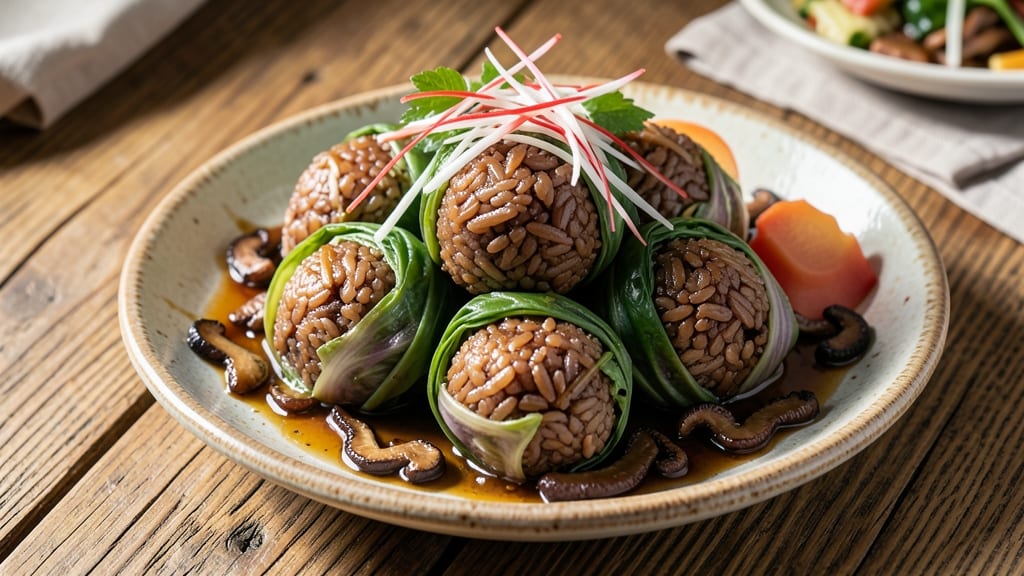
This brown rice dumplings recipe delivers the perfect balance of chewy texture and aromatic filling—steamed to golden perfection with every bite. The secret lies in using short-grain brown rice for a satisfying bite, combined with ginger, soy, and scallions that infuse the filling with bright, savory depth.
Unlike traditional rice dumplings, these hold their shape beautifully while steaming, making them ideal for both weeknight meals and special occasions.
The preparation starts with cooking the brown rice until just tender, then mixing it with finely chopped vegetables, aromatic seasonings, and a touch of sesame oil for richness. Wrapping them carefully in napa cabbage leaves ensures they steam evenly, creating that signature chewy exterior and tender, flavorful center.
Serve with a light soy-ginger dipping sauce for an extra layer of complexity—this dish is as impressive as it is delicious, and it’s easier to master than you’d think.
Ingredients for brown rice dumplings
Short-grain rice, aromatic ginger, and tender cabbage leaves create these chewy dumplings with perfect texture.
| Ingredient | Amount | Notes |
|---|---|---|
| Short-Grain Brown Rice 🍚 | 1 ½ cups | Uncooked, rinsed thoroughly |
| Napa Cabbage Leaves 🥬 | 12 whole | Large, sturdy leaves for wrapping |
| Fresh Ginger 🧄 | 2 tbsp | Finely grated, aromatic quality |
| Light Soy Sauce 🍶 | ¼ cup | Kikkoman preferred for balance |
| Scallions 🧅 | ½ cup | White and green parts, chopped |
| Shiitake Mushrooms 🍄 | 4 oz | Stems removed, finely chopped |
| Sesame Oil 🫒 | 1 tbsp | Toasted, for aroma and richness |
| Carrot 🥕 | ½ cup | Finely grated, medium size |
| Vegetable Oil 🫒 | 1 tbsp | For cooking rice, neutral flavor |
| Sesame Seeds 🌾 | 1 tbsp | Toasted lightly for garnish |
| Diamond Crystal Kosher Salt 🧂 | ½ tsp | For seasoning rice and filling |
| White Pepper 🌶️ | ¼ tsp | Freshly ground for subtle heat |
| Rice Vinegar 🍶 | 1 tbsp | For dipping sauce brightness |
| Sugar 🍬 | 1 tsp | Balances soy sauce sweetness |
The short-grain brown rice is non-negotiable—it's what gives these dumplings their signature chewy texture. Lundberg Family Farms or 365 by Whole Foods brands work well, but avoid long-grain varieties. For the napa cabbage, look for leaves that are large enough to wrap around your filling without tearing—Asian markets often have the freshest, most pliable leaves. Fresh ginger should smell vibrant and bright; if it's musty or dull, it's past its prime. The shiitake mushrooms add earthy depth, so choose ones that are firm and plump, not slimy or discolored.
No napa cabbage? Butter lettuce or romaine leaves work in a pinch, though they won't hold as well during steaming. Substitute the carrot with zucchini or bell pepper—just be sure to finely grate or dice it. For the soy sauce, tamari works if you need gluten-free, but traditional light soy brings the best balance. The sesame oil can be swapped for avocado oil if you're avoiding sesame, but the aroma is key here. If you can't find shiitake mushrooms, cremini or white mushrooms are fine, though they'll have a milder flavor. Toast your sesame seeds in a dry pan for 30 seconds—they'll add a nutty crunch that elevates the dish.
Store uncooked rice in an airtight container for up to 6 months—just keep it in a cool, dark place. Napa cabbage lasts 1 week in the fridge if wrapped in a damp towel, but use the leaves as soon as possible for best texture. Once steamed, these dumplings reheat beautifully—just wrap them in a damp paper towel and steam for 3-4 minutes. They also freeze well for 3 months if wrapped tightly in plastic and stored in a sealed container. For the dipping sauce, make it fresh each time—it's where the dish truly shines.
Why You'll Love This Recipe
- No Rice Burnout: I swear, these dumplings make brown rice feel exciting again. The short-grain variety soaks up the ginger-soy marinade like a sponge, turning every bite into a chewy, nutty surprise—nothing like the dry rice you’re used to.
- Wraps Like a Pro: Honestly, the Napa cabbage leaves are a game-changer. They’re sturdy enough to hold the filling without tearing, and that faint cabbage crunch in every bite? It’s the secret weapon I didn’t know I needed. (Yes, even on a Tuesday night.)
- Packed for Days: Between us, these dumplings reheat like a dream—just a quick steam or pan-fry, and they’re back to their crispy-edged, tender-centered glory. I make a double batch on Sundays and eat them all week, no excuses.
- Budget Meal Magic: Short-grain brown rice is cheap, cabbage lasts forever, and ginger? A little goes a long way. For under $10, I feed four people a meal that tastes like it cost twice as much. My wallet and my family thank me weekly.
Step-by-step instructions for brown rice dumplings
Master the art of steaming these fragrant dumplings with perfectly chewy brown rice and aromatic filling.
Prepare the Short-Grain Brown Rice
Rinse the 1.5 cups short-grain brown rice thoroughly under cold water until the water runs clear. This removes excess starch that would make the rice gummy. Drain well in a fine-mesh strainer and transfer to a medium saucepan.
Add 1 tbsp vegetable oil and 1 tbsp water for every ½ cup rice (so 3 tbsp water total). Bring to a boil over medium-high heat, then immediately reduce to low heat, cover tightly, and simmer for 40 minutes. The rice should be tender but still hold its shape when tested with a fork—this is crucial for the dumplings' texture.
While the rice cooks, prepare the filling ingredients. I like to work ahead here since the rice needs undivided attention during cooking. Keep the rice covered until ready to use.
Create the Fragrant Filling
In a nonstick skillet, heat 1 tbsp vegetable oil over medium heat. Add the 4 oz finely chopped shiitake mushrooms and cook for 4-5 minutes until they release their moisture and begin to brown. Remove from heat and set aside.
In a mixing bowl, combine the cooked mushrooms with the 0.5 cup finely grated carrot, 0.5 cup chopped scallions, 2 tbsp finely grated fresh ginger, 0.25 cup light soy sauce, 1 tsp sugar, 0.5 tsp diamond crystal kosher salt, and 0.25 tsp white pepper. Mix thoroughly until all ingredients are evenly distributed. The filling should be moist but not soupy—if it's too wet, add 1 tsp extra rice to absorb moisture.
Taste the filling and adjust seasoning if needed. The soy sauce should be balanced with the sweetness of the carrot and sugar, while the ginger and white pepper add depth. This is your flavor foundation, so don't rush this step.
Assemble the Dumplings
Place each of the 12 whole napa cabbage leaves on a clean work surface with the stem end facing you. Gently press the center of each leaf to create a small well—this will hold your filling without spilling.
Spoon 1-2 tablespoons of the filling mixture into the center of each leaf. Be generous but not overstuffed—you want room for the rice to expand. Fold the sides of the leaf inward, then roll tightly from the stem end downward, tucking in the sides as you go. The dumplings should be compact but not bursting at the seams.
For the final touch, brush each completed dumpling lightly with 1 tbsp sesame oil using a pastry brush. This adds flavor and helps create a subtle sheen when steamed. Arrange the dumplings seam-side down in a steamer basket lined with parchment paper.
Steam to Perfection
Fill a large pot with 2 inches of water and bring to a rolling boil. Place the steamer basket with dumplings over the pot, ensuring the water doesn't touch the dumplings. Cover tightly with a lid and steam over medium-high heat for 20-25 minutes. The dumplings are ready when the rice is tender and the cabbage leaves are bright green and slightly wilted.
Remove the dumplings from the steamer and let them rest for 5 minutes before serving. This resting period allows the juices to redistribute, ensuring each bite is packed with flavor. Garnish with 1 tbsp toasted sesame seeds and serve with 1 tbsp rice vinegar for dipping—this brightens the rich, savory flavors of the dumplings.
Serve Immediately
Slice each dumpling in half lengthwise to reveal the beautiful contrast of chewy brown rice and vibrant filling. The exterior should be tender from the cabbage, while the interior delivers the perfect balance of textures—chewy rice, tender mushrooms, and crisp scallions.
Serve the dumplings warm with additional rice vinegar for dipping. The acidity cuts through the richness of the soy and ginger, creating a harmonious balance in every bite. These dumplings are best enjoyed fresh, so don't wait too long before serving.
Pro Tips For Making Brown Rice Dumplings
- Blanch Cabbage Leaves: Drop whole Napa leaves into boiling water for 10 seconds, then immediately shock in ice water. This softens them just enough to hold filling without turning to mush—critical for brown rice dumplings, which need that structure. (Yes, even the thick stems benefit, but cut them in half first.)
- Toast the Rice First: Dry-toast the short-grain brown rice in a skillet for 3-4 minutes before cooking it. The nutty aroma deepens, and the grains stay separate when packed into dumplings—no gummy centers here. (I learned this the hard way after making dumplings that fell apart.)
- Salt the Ginger Right: Grate the ginger with a pinch of salt while you’re at it. The salt draws out moisture, making the ginger more aromatic and preventing it from turning bitter when mixed with the rice. (Sounds weird, but it works—trust me.)
- Pack Rice Tight, Then Loosen: Press the rice mixture firmly into the cabbage cups at first, then gently loosen the center with your thumb. This creates space for the dumplings to expand slightly while steaming, so they don’t burst open. (Your future self will thank you when they’re not glued to the pot.)
Common mistakes when making this dish
Overfilling the Dumplings
One of the most common mistakes is overstuffing the cabbage leaves, which leads to messy, unevenly shaped dumplings that may burst during steaming. I’ve seen beginners pack in 3 tablespoons of filling or more, but 1-2 tablespoons is the sweet spot for 12-inch leaves.
Overfilling also makes them harder to roll tightly, which affects the final texture. Remember, the rice will expand slightly during steaming—leave room for that! 🥬
Skipping the Rice Test
Many people assume all brown rice cooks the same way, but short-grain brown rice needs special attention. If you don’t check its texture before assembling the dumplings, you might end up with either mushy rice (overcooked) or hard, undercooked grains.
After 40 minutes of simmering, test a grain—it should be tender but still hold its shape. If it’s too firm, cook for another 5 minutes. If it’s mushy, reduce the cooking time next batch by 2-3 minutes.
Using the Wrong Cabbage Leaves
Napa cabbage leaves are non-negotiable for this recipe—they’re sturdy enough to hold the filling while steaming. I’ve seen people use regular green cabbage or even butter lettuce, but these leaves are too delicate and tear easily.
If you can’t find napa cabbage, Chinese cabbage leaves work as a substitute, though they’re slightly thicker. Always choose leaves that are large, smooth, and free of holes or yellowing spots. 🥬
Not Brushing with Sesame Oil
Many cooks skip the final step of brushing the dumplings with sesame oil before steaming, which is a game-changer for flavor and presentation. This light coating adds a nutty aroma and helps create a subtle sheen on the exterior.
If you forget, don’t worry—just add a few drops of sesame oil to the dipping sauce instead. The oil also helps the cabbage leaves crisp slightly during steaming, giving them a more restaurant-quality finish.
Steaming Too Long or Short
Timing is everything when steaming dumplings. If you steam them for less than 20 minutes, the rice won’t be fully cooked, leaving you with a dry, undercooked center. On the flip side, steaming for more than 25 minutes can turn the cabbage leaves soggy and the rice mushy.
Keep a close eye on them after 20 minutes—they’re done when the cabbage is bright green and slightly wilted, and the rice is tender when pierced with a fork. A 5-minute rest after steaming is also crucial—it lets the juices redistribute for maximum flavor.
Ignoring the Dipping Sauce
Serving these dumplings without the rice vinegar dipping sauce is like eating a great meal without dessert—it’s missing a key element! The 1 tbsp rice vinegar mixed with a pinch of sugar and salt cuts through the richness of the soy and ginger, balancing the flavors with bright acidity.
Don’t skip it! If you’re short on time, a splash of mirin or even lemon juice can work in a pinch, but rice vinegar is the star here. 🍶
Nutrition facts
Frequently asked questions
Can I make these dumplings ahead of time?
Prepare the filling and assemble the dumplings up to 24 hours ahead, then refrigerate them unwrapped on a tray. Steam only when ready to serve—this ensures the cabbage leaves stay crisp and the rice texture remains perfect. For longer storage, freeze unsteamed dumplings for up to 3 months. Thaw overnight in the fridge before steaming.
What if I don't have napa cabbage leaves?
Use Chinese cabbage leaves as the best substitute—they're thicker and hold up well during steaming. In a pinch, butter lettuce or romaine leaves work, though they may tear more easily. For a gluten-free option, try collard greens (blanched briefly to soften), but they'll have a stronger flavor. Always choose large, sturdy leaves for wrapping.
How do I adjust the spice level?
The recipe includes white pepper for subtle heat. For more spice, add ½ tsp red pepper flakes to the filling or include 1 tsp sriracha in the dipping sauce. If you prefer less heat, reduce the white pepper to ¼ tsp or omit it entirely. The ginger already provides a warm, aromatic depth without sharp spiciness.
Can I bake these instead of steaming?
While steaming is ideal for preserving texture, you can bake them as a backup. Arrange dumplings on a parchment-lined tray, brush with sesame oil, and bake at 375°F for 20-25 minutes until golden. The cabbage will crisp more than steam, and the rice may dry out slightly. For best results, steam first, then broil briefly to crisp the exterior.
What's the best way to serve leftovers?
Reheat steamed dumplings by wrapping them in a damp paper towel and steaming for 3-4 minutes. For a crispy texture, pan-fry reheated dumplings in 1 tbsp oil over medium heat for 2-3 minutes per side. Leftovers keep well in the fridge for 3 days or frozen for 3 months—just ensure they're completely cooled before storing.