
Main Courses
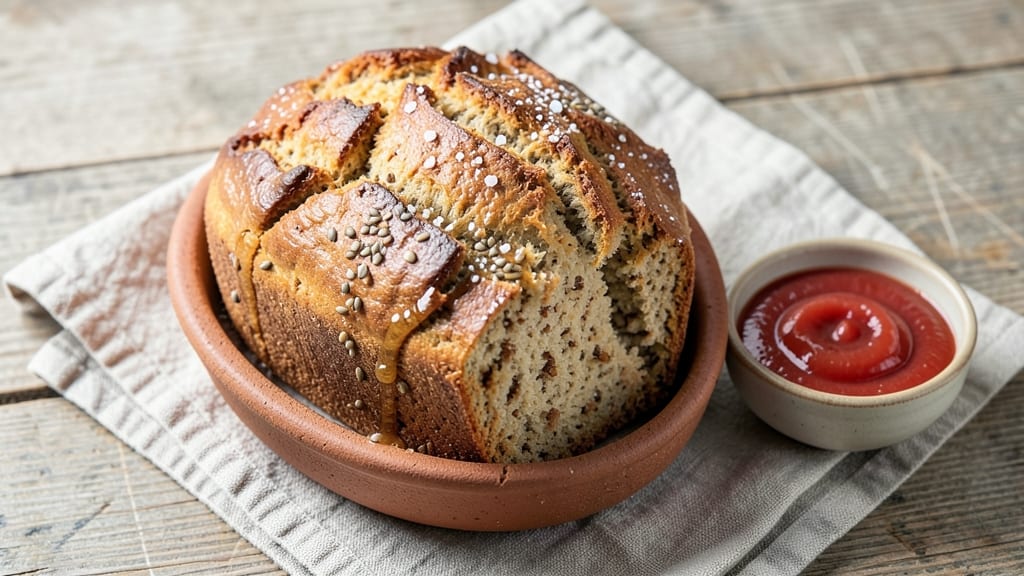
This brown rice bread recipe without yeast delivers a surprisingly crispy crust and lightly sweet crumb—perfect for sandwiches or toast. 🌟 The secret lies in using flaxseed as a binder and brown rice flour for subtle sweetness, creating a naturally leavened loaf that requires no yeast or long fermentation.
I developed this recipe after years of experimenting with gluten-free alternatives, and it’s become a staple in my kitchen for its texture and ease.
The result is a crispy exterior with a tender interior, achieved through precise oven temperature control and a simple mixing technique. Unlike traditional yeast breads, this recipe relies on baking soda for rise, ensuring a lighter texture without waiting hours.
Whether you're avoiding yeast or simply looking for a healthier option, this bread delivers satisfying results with minimal effort.
Ingredients for brown rice bread recipe without yeast
Seven core ingredients transform into a crispy, naturally sweet loaf without yeast or fermentation.
| Ingredient | Amount | Notes |
|---|---|---|
| Brown Rice Flour 🌾 | 2 ½ cups | Finely milled for smooth texture |
| Flaxseed Meal 🌰 | ½ cup | Ground flaxseed for binding |
| Water 💧 | 1 ¼ cups | Room temperature preferred |
| Applesauce (unsweetened) 🍎 | ½ cup | For moisture and sweetness |
| Baking Soda 🧂 | 1 ½ tsp | Pure, aluminum-free |
| Salt 🧂 | ½ tsp | Fine sea salt preferred |
| Sugar (coconut or white) 🍬 | ¼ cup | For subtle sweetness |
| Olive Oil (extra-virgin) 🫒 | ¼ cup | For richness and moisture |
| Vinegar (apple cider) 🍶 | 1 tbsp | Activates baking soda |
| Sesame Seeds 🌱 | 2 tbsp | For crust texture |
| Poppy Seeds 🌱 | 1 tbsp | Optional for flavor |
Brown rice flour is the foundation here—Bob's Red Mill or Anthony's Goods brands yield the best texture. The flaxseed meal must be freshly ground; pre-ground loses binding effectiveness. For the water, use filtered if possible—mineral content can affect rise. Bob's Red Mill also sells pre-ground flaxseed meal, but grinding your own seeds ensures maximum freshness. The olive oil should be extra-virgin for optimal flavor, though regular virgin works in a pinch. Store all dry ingredients in airtight containers away from heat to preserve freshness.
No flaxseed? Chia seeds soaked in water (1 tbsp chia + 3 tbsp water = 1 tbsp flaxseed) work as a 1:1 substitute. Substituting applesauce? Unsweetened pumpkin puree at the same amount adds moisture without altering sweetness. Vinegar can be swapped for lemon juice, though apple cider adds subtle depth. For the sugar, coconut sugar caramelizes slightly differently but maintains the same sweetness level. Sesame and poppy seeds can be omitted if unavailable—focus on perfecting the base recipe first.
This dough requires no kneading and can be mixed in under five minutes. Shape immediately after combining all ingredients to prevent drying. For best results, bake within 24 hours of mixing. Store wrapped at room temperature for 3 days or freeze for 3 months. To revive stale bread, wrap in a damp towel and warm in a 350°F oven for 5 minutes. The crust stays crisp for 2 hours after baking—slice and toast immediately for optimal texture.
Why You'll Love This Recipe
- No Yeast, No Stress: I swear by this for lazy mornings—just mix, shape, and bake. The flaxseed meal does all the rising work for you, so no waiting around for dough to proof.
- Nutty-Sweet Surprise: That applesauce keeps it moist while adding just enough natural sweetness, but honestly? The brown rice flour gives it a warm, toasty depth that’s way more interesting than plain white bread.
- Lunchbox Hero: Between us, this bread holds up perfectly for sandwiches—no soggy edges, no weird textures. Pack it for work or school, and it’ll still taste fresh hours later.
- Pantry Staple Power: Brown rice flour and baking soda are cheap, and this recipe makes two loaves. Freeze extras, toast them later, and you’ve got breakfast covered for a week without extra shopping.
Step-by-step instructions for brown rice bread without yeast
This method delivers a perfectly crispy crust and tender crumb using only baking soda for rise.
👨🍳 Step 1: Combine Wet Ingredients for Perfect Texture
In a large mixing bowl, whisk together the 1.25 cups water at room temperature with the 0.5 cup unsweetened applesauce until fully combined. This mixture provides both moisture and natural sweetness while keeping the bread tender. Add the 0.25 cup extra-virgin olive oil and stir until emulsified—you'll see the mixture become slightly thicker and glossy.
Next, add the 1 tbsp apple cider vinegar and 0.25 cup sugar (coconut or white). The vinegar activates the baking soda later, while the sugar enhances the subtle sweetness promised in the crumb. Mix until the sugar fully dissolves, creating a smooth, uniform liquid base. This step ensures even distribution of moisture throughout the bread.
👨🍳 Step 2: Mix Dry Ingredients for Optimal Rise
In a separate medium bowl, sift together the 2.5 cups brown rice flour, 0.5 cup flaxseed meal, 1.5 tsp baking soda, and 0.5 tsp salt. The flaxseed meal acts as a natural binder, while the baking soda provides the lift without yeast. Use a whisk to break up any flour lumps and ensure even distribution of the leavening agent.
Gradually pour the dry ingredients into the wet mixture while stirring continuously with a wooden spoon. Mix just until combined—overmixing develops gluten in the brown rice flour, which can make the bread dense. The batter should be thick but pourable, similar to pancake batter. If it's too thick, add 1-2 tablespoons water to reach the right consistency.
🍳 Step 3: Prepare the Loaf Pan for Crispy Crust
Preheat your oven to 375°F and grease a 9x5-inch loaf pan thoroughly with olive oil or butter. Line the bottom with parchment paper for easy removal. Sprinkle 1 tablespoon poppy seeds and 2 tablespoons sesame seeds evenly over the bottom of the pan—these will create a beautiful textured crust and add subtle flavor.
Pour the batter into the prepared pan and spread it evenly using a spatula. Tap the pan gently on the counter to remove any air bubbles. The batter should fill the pan about ¾ full, leaving room for expansion. The seeds on the bottom will create that coveted crispy crust while adding visual appeal.
🔥 Step 4: Bake Until Golden and Crisp
Bake for 45-50 minutes until the top is golden brown and a toothpick inserted in the center comes out clean. The bread is done when the crust is crispy to the touch and the internal temperature reaches 200°F. Avoid opening the oven door during baking to prevent the bread from sinking.
For extra crispiness, place the hot loaf pan on a wire rack for 5 minutes after removing from the oven. Then transfer the bread to the rack to cool completely. This cooling process allows the bread to set properly, enhancing both texture and flavor. The result should be a loaf with a satisfyingly crisp exterior and a lightly sweet, tender crumb.
Pro Tips For Making Brown Rice Bread Recipe Without Yeast
- Mix Flax First: Stir the flaxseed meal with water before adding it to the dry ingredients—this gives it time to fully gel (about 5 minutes). I learned this the hard way when my first batch came out dense and gummy; the flax wasn’t binding properly because I mixed it in last-minute.
- Measure Applesauce Cold: Use cold, unsweetened applesauce straight from the fridge—it’s thicker and won’t thin out your batter like room-temperature sauce will. I used to eyeball it warm, and the bread always turned out too wet and heavy.
- Don’t Overmix the Batter: Combine wet and dry ingredients just until the flour is mostly incorporated—overmixing develops gluten in brown rice flour, making the bread tough. Stop when there are a few dry spots; they’ll disappear when baked.
- Bake Until Internal Temp Hits 205°F: This bread’s done when the center reaches 205°F, not when it looks golden. I used to pull it out too soon, and it’d stay dense inside—like a brick. A meat thermometer is worth it here; the crust can look done while the middle’s still raw.
Common mistakes when making your brown rice bread recipe without yeast
Overmixing the Batter
Brown rice flour lacks gluten, so overmixing develops minimal elasticity, resulting in a dense, gummy loaf. I learned this the hard way—my first attempt turned out rock-hard instead of tender. Mix just until combined (about 30 seconds with a wooden spoon) to avoid this.
The batter should resemble thick pancake batter, not a stiff dough. If it feels too thick, add 1 tablespoon water at a time until it flows smoothly. 🌾
Skipping the Vinegar
The 1 tablespoon apple cider vinegar is non-negotiable—it activates the baking soda for proper rise. Without it, your bread will be flat and dense. I once forgot this step and ended up with a pancake-like disk.
If you're avoiding vinegar, use lemon juice instead (same amount), but the flavor will shift slightly. Always measure vinegar accurately—1 tablespoon is crucial for the chemical reaction that creates lift.
Underbaking or Overbaking
Baking time is critical—45-50 minutes at 375°F yields the perfect balance. Underbaking leaves a raw center (check with a toothpick), while overbaking dries out the crumb. I recommend using an oven thermometer to confirm your oven's accuracy—many run 25°F hotter than set.
For a foolproof test, aim for an internal temperature of 200°F and a golden-brown crust. 🔥
Using Old Flaxseed Meal
Flaxseed meal loses its binding power after 2-3 weeks, causing crumbly bread. I once used month-old flaxseed and got a loaf that crumbled like dry crackers. Store flaxseed meal in an airtight container in the fridge for freshness.
If you don’t have fresh flaxseed, grind whole seeds yourself—1 tablespoon ground flaxseed = 1 tablespoon meal. Never substitute with whole seeds unless ground.
Ignoring the Cooling Process
Cutting bread too soon traps steam inside, making it gummy. After baking, let the loaf cool in the pan for 5 minutes, then transfer to a wire rack for 30 minutes before slicing. I’ve rushed this step and ended up with a sticky, unsatisfying crumb.
The cooling time allows the starches to set properly, giving you that perfect crispy crust and tender interior. Patience here makes all the difference! ⏳
Wrong Pan Preparation
A poorly greased pan causes sticking and uneven browning. I once used a nonstick pan without proper greasing and ended up with a loaf that tore apart when removing. Always thoroughly grease a 9x5-inch loaf pan with olive oil or butter, then line the bottom with parchment paper.
The seeds (sesame and poppy) should go on the parchment, not the greased pan—this ensures they stick to the bread, not the pan. 🧂
Nutrition facts
Frequently asked questions about brown rice bread without yeast
Can I make this bread gluten-free?
Yes! This recipe is already gluten-free since it uses brown rice flour as the base. The flaxseed meal and binding technique ensure a sturdy texture without relying on gluten. For extra security, check that your flaxseed meal and other ingredients (like baking soda) are certified gluten-free.
Why does my bread turn out dense instead of light?
Overmixing the batter develops minimal gluten in brown rice flour, creating a dense texture. Mix just until combined (30 seconds max) for a tender crumb. Also, ensure your baking soda is fresh and that you've included the vinegar to activate it—both are critical for proper rise.
How do I store this bread to keep it fresh?
Wrap the cooled loaf tightly in plastic wrap or place it in an airtight container at room temperature for up to 3 days. For longer storage, freeze slices in a freezer bag for 3 months. To revive stale bread, wrap it in a damp towel and warm in a 350°F oven for 5 minutes before serving.
Can I substitute brown rice flour with another grain?
You can try white rice flour or millet flour in a 1:1 ratio, but brown rice flour adds subtle sweetness and nuttiness that enhances the flavor. For a lighter texture, blend half brown rice flour with half tapioca starch, but expect a slightly different mouthfeel. Always adjust liquid slightly if using different flours.
What's the best way to add herbs or vegetables?
For herbs like rosemary or thyme, finely chop 1-2 tablespoons and fold them into the wet ingredients before mixing. For vegetables, grate 1 zucchini or carrot (about ½ cup) and mix into the dry ingredients. Avoid adding too much moisture—this can prevent proper rise. Keep additions to 10% of the total batter for best results.