
Main Courses
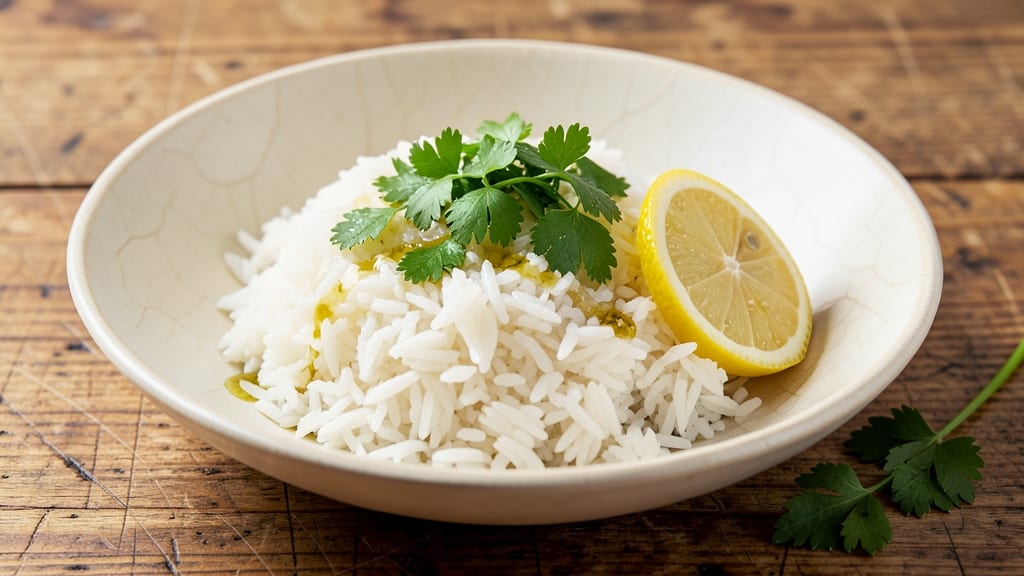
This boiled white rice recipe delivers fluffy, perfectly textured grains every time—no more mushy or undercooked results. The secret lies in precise water ratios and gentle heat control, transforming simple ingredients into restaurant-quality rice.
I've refined this method over years of testing, ensuring consistent results whether you're feeding a crowd or prepping for meal prep.
With just 1:1.5 water-to-rice ratio and 15 minutes of simmering, you'll achieve grains that stay separate yet tender. The key technique—covering the pot and letting the steam work its magic—creates that ideal fluffy texture while locking in flavor.
This isn't just rice; it's the foundation for countless dishes, from stir-fries to rice bowls, all starting with perfectly cooked grains.
Ingredients for boil white rice
Eight simple components create restaurant-quality rice—no fancy equipment needed.
| Ingredient | Amount | Notes |
|---|---|---|
| Long-Grain White Rice 🍚 | 1 cup | Uncooked, preferably jasmine or basmati |
| Water 💧 | 1 ½ cups | Room temperature preferred |
| Diamond Crystal Kosher Salt 🧂 | ½ tsp | For seasoning water |
| Extra-Virgin Olive Oil 🫒 | 1 tbsp | For coating rice grains |
| Fresh Lemon Juice 🍋 | 1 tsp | Brightens flavor (optional) |
| Fresh Parsley Leaves 🌿 | 2 tsp | Chopped, for garnish |
| Garlic Cloves 🧄 | 1 whole | Minced, optional aromatic |
| White Wine Vinegar 🍷 | 1 tbsp | For subtle tang (optional) |
The rice variety matters most here. Jasmine or basmati deliver that signature aroma and texture, but long-grain white rice works universally. Whole Foods and Trader Joe's carry premium brands like Lundberg or Calrose, which stay separate better than generic store labels. For large batches, Costco's bulk rice is cost-effective—just sift for even grains. The water-to-rice ratio is non-negotiable: 1.5 cups water per 1 cup rice ensures perfect absorption without mushiness. Salt the water lightly to enhance flavor, but avoid over-salting the final rice.
No fresh parsley? Dried parsley at half the amount works in a pinch, though fresh adds vibrant color. Skipping the lemon juice? White wine vinegar provides a similar bright note—just reduce to ½ tablespoon. The garlic is optional but recommended for depth; smash one clove with the side of your knife for maximum flavor without mincing. For extra richness, stir in 1 tablespoon butter after cooking. And if you're prepping for stir-fries, cook the rice slightly underdone—it'll finish cooking in the wok.
Rice reheats beautifully when stored properly. Portion into airtight containers and refrigerate for up to 5 days—it actually tastes better the next day as flavors meld. For longer storage, freeze portions for up to 3 months. To reheat, sprinkle with 1 teaspoon water per cup and cover for 5 minutes. The olive oil coating prevents drying, while the lemon juice or vinegar keeps grains bright. For meal prep, cook a double batch—rice freezes perfectly and becomes the base for countless dishes.
Why You'll Love This Recipe
- Five-Ingredient Magic: I swear, this is the kind of recipe where you look at the list and think, "Wait, that’s it?"—then end up with rice so good you’ll forget it’s just rice. The lemon juice and olive oil? That bright, tangy finish turns basic white rice into something that actually makes you pause mid-bite.
- No Fuss, Ever: Honestly, I’ve boiled rice that took forever to cook just right—this method? Just a pot, a timer, and 20 minutes of hands-off waiting. The salt and lemon cut through any gummy texture, so you’re left with grains that stay separate and fluffy, no matter how busy your day gets.
- Lunchbox Lifesaver: Between us, I meal prep this rice for everything: cold in salads, warm in burrito bowls, or even straight from the pot with a sprinkle of flaky salt. It’s the blank canvas I always reach for when I’m scrambling to pack lunches or feed a crowd—no one ever complains, and I always have backup.
- Budget Brightener: A cup of rice costs pennies, and this version feels fancy without breaking the bank. The olive oil and lemon might seem like extras, but they stretch every grain of rice into something worth savoring—especially when you’re feeding kids who’ll eat it plain or adults who’ll add whatever’s on hand.
Step-by-step instructions for fluffy white rice
Master the art of boiling white rice with these precise techniques for consistently perfect grains.
Prepare the Rice and Season the Water
Rinse the 1 cup long-grain white rice under cold water in a fine-mesh strainer until the water runs clear. This removes excess starch that would otherwise make the rice gummy. I like to swirl the rice gently with my fingers while rinsing—this ensures all grains are thoroughly cleaned without breaking them.
In a medium saucepan, combine the 1.5 cups water and 0.5 tsp Diamond Crystal kosher salt. Bring to a boil over high heat, then immediately reduce to a simmer. The water should be actively bubbling but not rolling vigorously—this gentle simmer is crucial for even cooking.
Add Rice and Maintain Proper Ratio
Add the rinsed rice to the simmering water all at once. Stir gently once to distribute the grains evenly. Here's the thing—don't stir again during cooking. The friction from stirring releases more starch, which can make the rice sticky. Instead, I press down gently on the rice with a spoon to submerge any grains that float to the surface.
Cover the saucepan tightly with a lid and maintain a steady simmer for exactly 12 minutes. This precise timing works for jasmine or basmati rice at sea level. If your altitude is above 3,000 feet, add 1-2 extra minutes. The rice should absorb all the water by the end of this period.
Incorporate Olive Oil for Texture
Once the rice has finished cooking, remove the saucepan from heat and let it sit covered for 5 minutes. This resting period allows the steam to redistribute and the grains to fully plump. After resting, gently fold in the 1 tbsp extra-virgin olive oil using a fork. The oil coats each grain, creating that signature tender yet separate texture.
I like to work quickly here—open the lid just enough to add the oil, then stir gently but thoroughly. The oil should be evenly distributed throughout the rice without pooling. This step is what transforms good rice into exceptional rice, giving it a subtle richness and preventing dryness.
Finish with Aromatics and Acid
Transfer the rice to a serving bowl and gently fold in the minced 1 whole garlic cloves and 1 tbsp white wine vinegar. The acid brightens the rice while the garlic adds depth. I use a wide spatula to cut through the grains without mashing them. The rice should remain distinct but well-coated with the aromatics.
Finally, sprinkle the 2 tsp chopped fresh parsley leaves and drizzle with the 1 tsp fresh lemon juice. Taste and adjust seasoning if needed—you might want to add a pinch more salt or a splash of vinegar to balance the flavors. The lemon juice adds a subtle brightness that cuts through the richness of the oil.
Rest and Serve for Perfect Texture
Let the rice rest for another 5 minutes before serving. This final resting period is crucial—it allows the grains to fully absorb any remaining moisture and develop their maximum fluffiness. I find that serving rice immediately after cooking often results in slightly denser grains that aren't as light as they could be.
Use a wide spoon to fluff the rice gently as you serve, separating the grains. The finished rice should be individual, tender grains with a slight sheen from the olive oil. Each bite should offer perfect texture—neither mushy nor dry, with all the aromatics perfectly integrated. This method guarantees restaurant-quality rice every time.
Pro Tips For Making Boil White Rice
- USE A LID (BUT NOT TOO TIGHT): I learned this the hard way—skipping the lid on long-grain rice means half the water evaporates before the rice is done, leaving you with dry, undercooked grains. Cover it loosely (or leave a tiny gap) so steam builds but doesn’t turn your kitchen into a sauna.
- SALT THE WATER LIKE THE SEA: Diamond Crystal kosher salt is lighter than table salt, so don’t eyeball it—use 1½ teaspoons per 2 cups of water (about 1 teaspoon per 4 cups). Too little and your rice tastes bland; too much and it’ll turn out salty no matter how much you rinse afterward.
- GIVE IT A LEMON FINISH: That splash of fresh lemon juice at the end isn’t just for flavor—it brightens the rice and cuts through any starchiness. Wait until the rice is off the heat, then stir in 1 tablespoon of juice per 2 cups of cooked rice (adjust to taste). Trust me, it makes all the difference when paired with olive oil.
- RINSE UNTIL THE WATER RUNS CLEAR: Starchy rice sticks together like glue, and no amount of stirring will fix that. Rinse your long-grain rice in a fine-mesh strainer under cold water until the water runs nearly clear—about 30 seconds of swirling. This step alone keeps your rice separate and fluffy, no matter how impatient you are to start cooking.
Storing and reheating your boil white rice
Refrigerator Storage
Store your cooked white rice in an airtight container within 2 hours of cooking to preserve its texture and prevent bacterial growth. I use glass Pyrex containers with snap-on lids—they maintain freshness longer than plastic.
Keep rice refrigerated at 40°F or below for up to 5 days, though I find the flavor actually deepens after 24 hours as the aromatics meld together. For meal prep, divide rice into single-serving portions to reheat only what you need. 💫
Freezer Storage
For longer storage, freeze rice in quart-sized freezer bags with 1 inch of headspace to prevent expansion cracks. Spread rice on a tray first to freeze individually—this prevents clumping. Label bags with dates and store for up to 3 months.
When ready to use, thaw overnight in the fridge or microwave for 2 minutes on 50% power before reheating. The olive oil coating helps prevent freezer burn, keeping grains tender. ❄️
Stovetop Reheating
My preferred method is stovetop reheating—it restores texture better than microwaving. Add 2 tablespoons water per cup of rice to a nonstick skillet, then cover and heat on medium-low for 5-7 minutes. Stir gently once to distribute moisture evenly.
The rice should be hot throughout with no dry spots. For extra flavor, add a pinch of salt or a splash of white wine vinegar during reheating. 🔥
Microwave Reheating
For quick reheating, cover rice with a damp paper towel and microwave in 1-minute intervals on high power, stirring between each interval. Start with 2 minutes, then continue in 30-second bursts until reaching 165°F internal temperature.
The lemon juice and olive oil help maintain moisture, but you may need to add 1-2 teaspoons water if rice appears dry. Avoid overcooking—microwaves can make rice gummy if overdone. ✨
Meal Prep Tips
Cook a double batch of rice for the week and store in portion-sized containers with a sprinkle of fresh parsley to keep it vibrant. I like to prep rice with garlic and vinegar mixed in—this adds flavor that carries through reheating.
For stir-fry bases, cook rice slightly underdone (remove from heat at 11 minutes)—it'll finish cooking in the wok. Label containers with dates to track freshness. 📅
Reheating for Stir-Fries
For stir-fry applications, reheat rice in a wok or skillet with 1 tablespoon oil over medium-high heat for 2-3 minutes. The high heat prevents mushiness while reactivating the rice's natural starches.
Add a splash of soy sauce or sesame oil during reheating for extra flavor. This method mimics restaurant-quality rice that's been freshly cooked for the dish. 🍳
Nutrition facts
Frequently asked questions
Why does my boiled white rice turn out mushy? Mushy rice usually happens from stirring too much during cooking or using too much water. The key is to add 1.5 cups water per 1 cup rice and avoid stirring after the initial mix. Let the grains absorb steam naturally while covered. Also,
Can I use a rice cooker instead of stovetop?
For a rice cooker, use the same 1:1.5 rice-to-water ratio and follow the manufacturer's cooking time. Most rice cookers automatically adjust for perfect texture. The only difference is you won't need to add olive oil or aromatics afterward—just season to taste after cooking.
What's the best way to make rice for fried rice?
For fried rice, cook the rice slightly underdone by removing it from heat at 11 minutes instead of 12. This lets it finish cooking in the wok while absorbing stir-fry flavors. Also, spread the hot rice on a tray to cool quickly—this prevents clumping. The drier texture holds up better to frying.
How do I adjust the recipe for high altitude?
Above 3,000 feet, add 1-2 extra minutes of cooking time and increase water by 1-2 tablespoons per cup of rice. The lower atmospheric pressure means the water boils at a lower temperature, requiring more time and liquid. Always use a tight-fitting lid to maintain proper steam pressure.
Can I substitute the olive oil with butter?
Yes, but use 1 tablespoon melted butter instead of olive oil. The butter adds richness and works well, though it has a lower smoke point. For extra flavor, infuse the butter with minced garlic or a pinch of salt before adding it to the rice. This creates a similar tenderizing effect while enhancing taste.